Have you ever noticed how film stills seem to hide secret style maps? A film lookbook grabs those memorable scenes and turns them into a cool guide that sparks fresh ideas.
It’s like mixing a touch of movie magic with simple style tips. Each image becomes its own little story, waiting for you to explore.
So, get ready to see how cinematic sparks can light up your creative journey.
Film Lookbook Inspiration: Top Cinematic Style Collections
Film lookbooks are super cool, they mix movie stills, styled snaps, and backstage peeks to tell a story. Every high-res image plays its part, kind of like pieces of a puzzle that make a bigger picture. Imagine a grid where each section tells its mini story, inviting you to see things from different angles.
Styled photos can feel as chill and mysterious as the soft hues you see in No Country for Old Men. Think of gentle, whisper-like images that blend right into the mood, setting a serene, almost secret vibe that draws you in.
Then, there are those bold, eye-catching spreads inspired by films like Suspiria. Picture dramatic red and blue colors mixed with striking set designs that totally shake things up. It’s like each page bursts with energy in just the right way.
Every chosen image comes with tips on lens choices and framing, making the whole look intentional and creative. This thoughtful mix sparks fresh ideas for directors, cinematographers, and designers, all coming together to create one amazing cinematic vision.
Creating a Film Lookbook: Step-by-Step Guide & Template Essentials
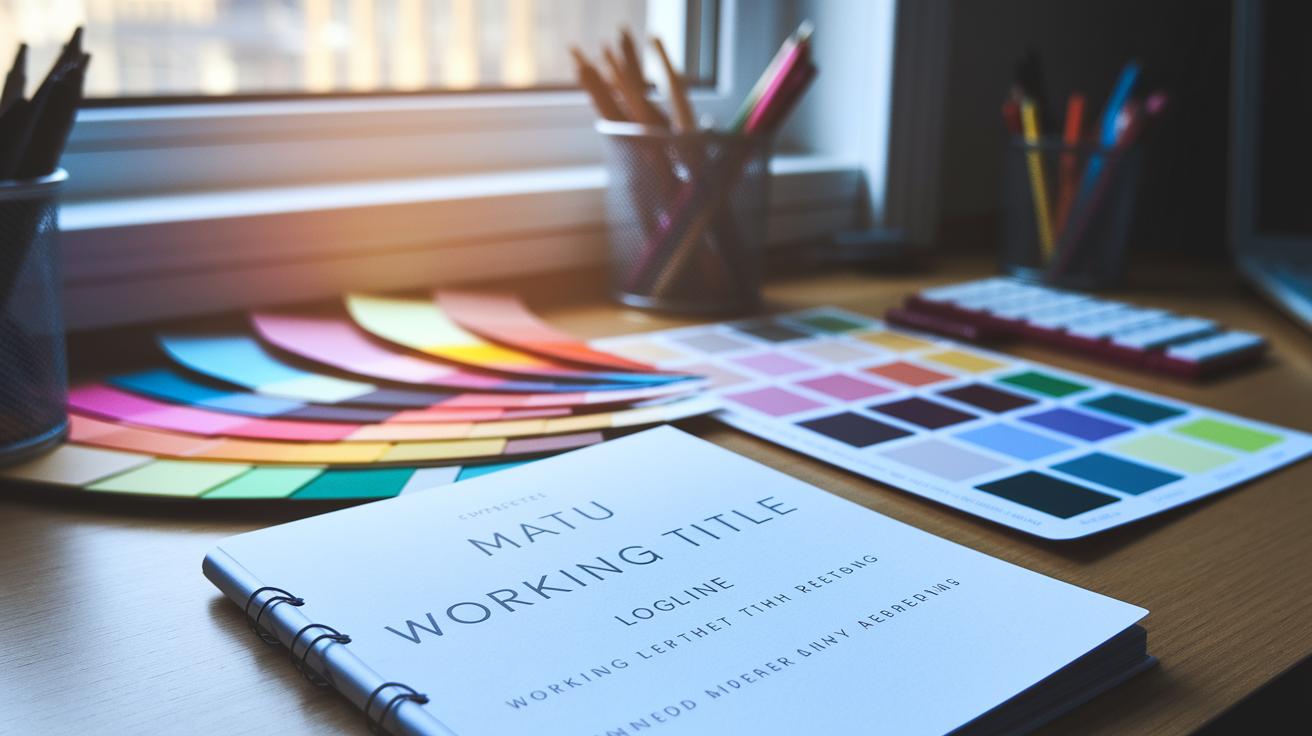
Imagine a film lookbook as your creative game plan, a visual guide that shows off your film's one-of-a-kind style and mood. It’s like a map leading your team through the story you're about to tell. (Check out the lookbook definition here: https://fullswag.com?p=1353.)
First, jot down your basic project details. Write out your working title, a short logline, your film’s genre, the audience you’re aiming for, and even your budget. This simple list helps set a clear vision right from the start, almost like spotting a movie poster that tells you exactly what to expect.
Next, nail down your creative vision by outlining the main themes, emotional highlights, and key messages of your film. Think of it like planning the perfect playlist where every track matters. Here’s a quick rundown of the must-have parts for your template:
| Component | Description |
|---|---|
| Title Page & Vision Statement | Kick off with a bold title, like “The Journey Begins,” paired with a short narrative that captures your film’s soul. |
| Character and Location Mood Boards | Use candid photos of buzzing city streets or dreamy landscapes to evoke the right vibe for your story. |
| Creative Swatches | Gather a color palette, costume sketches, and set design ideas that whisper hints and personality into every scene. |
| Technical Specs & Storyboard Snapshots | List out lens options, lighting gear, and include a few quick sketches of key shots to bring your vision into focus. |
| Brief Business Context and Next Steps | Add a section for stakeholders that clearly separates the creative burst from the business plan. |
To keep everything simple and shareable, consider using free storyboard apps from StudioBinder or FilmSnack. They make it easy to keep your lookbook print-ready and accessible in a snap.
Enjoy the process and let each part of your lookbook tell its own little story, it’s your film’s first step toward coming to life.
Cinematic Layout & Design Tips for Film Lookbooks
Grid systems and modular layouts help keep your lookbook balanced and stylish. Every page acts like a little canvas where images neatly align in rows and columns. Imagine arranging your photos like puzzle pieces that reveal a hidden picture. This gives each shot a purposeful and delightful twist.
Using clean, editorial-style fonts sets the mood perfectly. Choose two simple typefaces that pair well and let your captions act as soft hints guiding the reader through your vision. For example, a caption like "City lights break into a symphony of sparks" can make anyone curious about what’s next.
Negative space is also a true friend. It lets key images shine without overcrowding the page, much like a quiet pause in an exciting story. Start with large, broad shots and then zoom in on those striking details. Whether you vibe with the balanced feel of Wes Anderson films or prefer a sweeping, wide look like Denis Villeneuve’s, this approach turns a lookbook into a true visual masterpiece.
Integrating Production Design & Lighting into Film Lookbooks
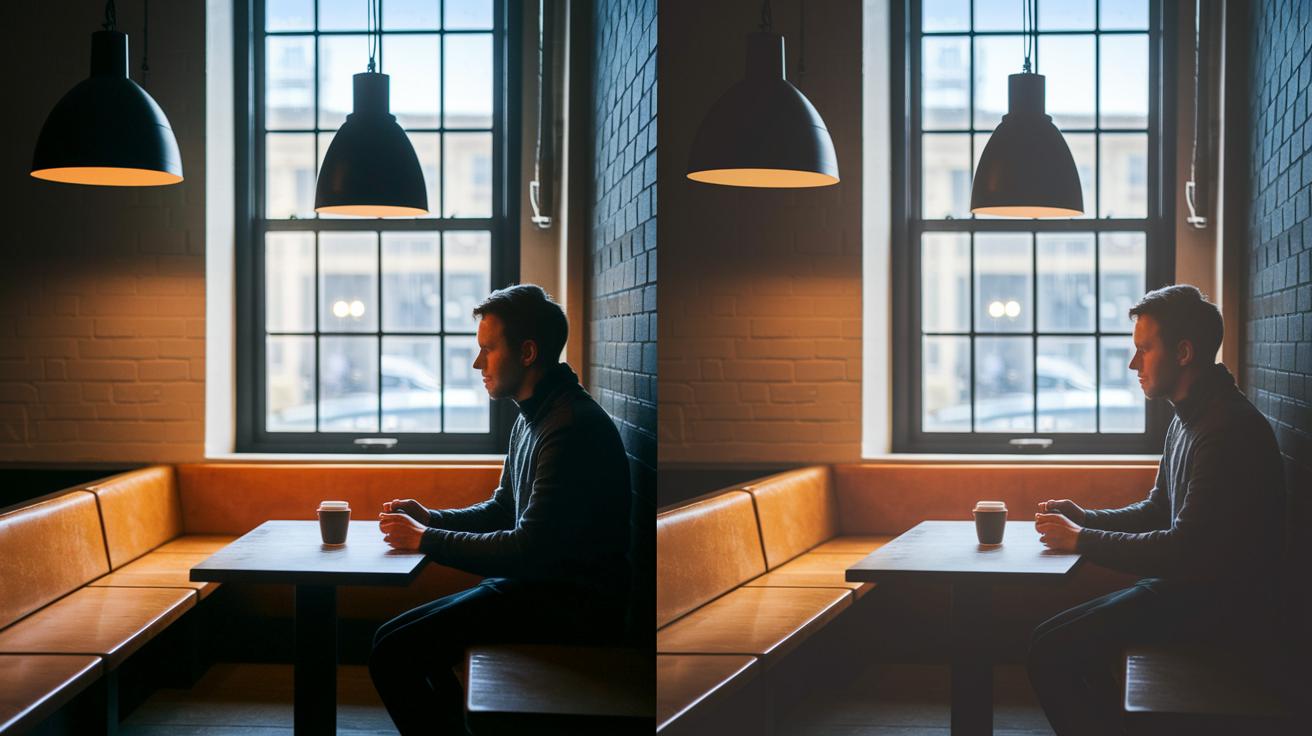
Film lookbooks really come alive when you blend thoughtful production design with smart lighting. Using clear reference shots helps your team nail every detail, from how natural light streams in through a window to the way practical fixtures set the mood. It’s all about giving everyone a real feel for the space, whether it’s a cozy, window-lit café or a stark, industrial backdrop with a raw edge.
Using simple keywords like "colonial," "ruined industrial," or "noir high-contrast" sets the stage and adds emotion. And when you put side-by-side shots, imagine a prime lens snap next to a zoom shot, it shows just how different focal lengths shape the scene. It’s like laying out the secret ingredients for that perfect shot.
Lighting Techniques
Sometimes the magic is in the lights. Practical lighting uses everyday fixtures and natural cues to create relatable moods. Picture a street lamp glowing on a rainy night, with a note saying "Natural light meets urban charm." Then there’s stylized lighting, where bold shadows mix with soft tungsten highlights, telling a visual story in every frame.
Color Palette Selections
A well-chosen color palette ties the whole lookbook together. Try featuring three main colors with a few complementary accent shades. For example, deep blues, warm ambers, and cool grays can work wonders together. Placing small color swatches next to your stills makes it super clear how the colors interact throughout the shoot.
| Primary Color | Description |
|---|---|
| Deep Blue | Rich and calming |
| Warm Amber | Cozy and inviting |
| Cool Gray | Sleek and modern |
Storyboard & Shot List Integration in Film Lookbooks
Using storyboards and shot lists in your film lookbook is a great way to spark creativity and keep everyone on the same page. Think of it as planning out a cool visual story, the sketches, photo stills, or digital drafts serve as quick guides that turn basic script pages into striking images. It’s like having a visual blueprint that shows exactly where the camera should move and what to focus on.
Next, bring your ideas together by matching your shot lists with clear visual cues and the director's easy-to-read notes. This teamwork approach lets everyone, from the director to the cinematographer, effortlessly switch between storyboards and mood boards. For example, one storyboard frame might show a sweeping wide shot, with an added note suggesting the perfect lens or angle. It’s a neat way to merge your narrative ideas with visual hints, ensuring that the whole project stays consistent.
| Sequence | Visual Reference | Notes |
|---|---|---|
| Opening Scene | Establishing shot sketch | Wide shot of location |
| Character Introduction | Close-up thumbnail | Focus on personality |
| Climactic Moment | Dynamic action frame | Highlights tension and angles |
Case Studies of Iconic Film Lookbook Examples & Director Portfolios
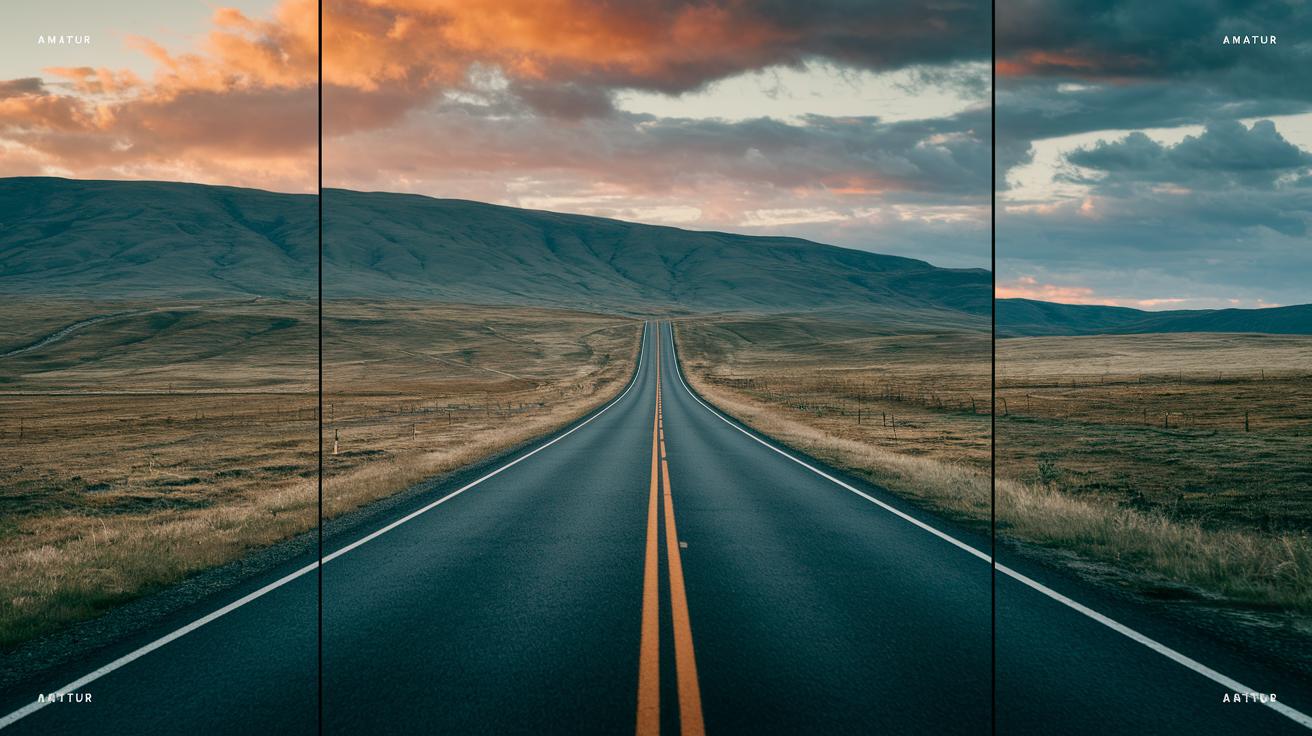
Film lookbooks are like blueprints that capture a filmmaker’s vision. They show us how tone, consistency, and storytelling weave together into one cool vibe. For example, Drive’s lookbook splashes orange and blue with a neat quadrant layout. Imagine a page split into four parts where each section tells a different emotional story while keeping everything balanced.
Then there’s No Country for Old Men. Its lookbook uses just a few colors and a simple design that builds a quiet tension. Big areas of empty space let each image breathe. Picture a lone road in soft, muted tones that quietly speaks volumes without saying a word.
Suspiria’s lookbook goes even deeper. It mixes set photos with little notes like “fallen into disrepair,” hinting at secret pasts and hidden stories. Dim lighting and rich textures create a mysterious mood that’s both intriguing and inviting, making you want to take a closer look at every detail.
Indie film lookbooks are all about keeping things connected and full of emotion. A well-arranged series of photos can capture a character’s journey and highlight key moments, like notes in a smooth melody. Each image flows into the next, inviting teamwork and drawing viewers in even deeper.
Director portfolios bring all these ideas together. Published samples, like those on this page (https://fullswag.com?p=1373), show that a clear visual tone, neat layout, and steady creativity win over partners every time.
These case studies remind us that clever visual techniques can transform every frame. Consistent layouts, thoughtful color choices, and well-curated images set the tone and guide creative teams. Every detail, from the lighting to the framing, helps build a story that truly resonates with audiences and industry insiders alike.
Software & Tools for Building a Professional Film Lookbook
Crafting a standout film lookbook is easier than you think when you have the right tools. StudioBinder’s free storyboard software is a gem for online collaboration and sequencing ideas. It lets you map out your vision with just a few clicks, almost like doodling a burst of inspiration. And if you need to whip up quick lookbook mockups, FilmSnack has you covered. Its secure link sharing means your team can easily review and adjust designs as your film takes shape.
Canva brings film-themed templates with drag-and-drop mood board features that let you mix and match visuals like piecing together your favorite film stills. For a more polished vibe, Adobe InDesign offers top-notch layout control and can create print-ready PDFs that feel as refined as a director’s final cut. These platforms streamline your creative process while giving your lookbook that cinematic feel, turning the whole journey into a fun and engaging scene in your film’s story.
Final Words
in the action, our chat about film lookbook inspiration takes us through stylish visuals, technical specs, layout tips, and case studies that bring cinematic storytelling to life.
We reviewed mood boards, production designs, and handy tools that make building a film lookbook clear and fun. Every example shows how simple ideas can heighten your style and boost creativity.
Keep experimenting and enjoy bringing your visual ideas to life in a film lookbook.
FAQ
What is a lookbook in film?
The film lookbook is a curated visual guide that shares a film’s mood and style. It brings together photos, sketches, and design notes to capture the creative vision.
How do you make a lookbook for film?
The process to make a film lookbook starts with project details, then adds mood boards, creative swatches, and technical notes. This mix of visuals and text clearly paints the film’s tone.
What is a film lookbook template and are free versions available?
A film lookbook template offers a structured layout for your visuals and text. Many free versions are available, letting filmmakers quickly set up a creative guide without starting from scratch.
What are some examples of film lookbooks?
Film lookbook examples include collections for TV series, director portfolios, and independent films. They often feature shot choices, color accents, and framing styles that help communicate a film’s style.
What are the 5 C’s of film?
The 5 C’s of film refer to key filmmaking basics: Camera, Continuity, Cutting, Close-ups, and Composition. These elements guide how scenes are structured and shot.
Is a lookbook a pitch deck?
The lookbook focuses on creative style and visual storytelling, while a pitch deck presents the business and financial side of a project. They serve different purposes in film production.