
Ever thought you could look great and help the planet at the same time? These eco-friendly fashion startups prove you can have a sharp, stylish look without hurting nature. They use cool, modern tech and fresh, green materials to show that dressing well and caring for the earth go hand in hand.
Imagine the soft touch of sustainable fabrics and the crisp look of smart designs. Each brand mixes clever innovation with smart, earth-friendly practices. It’s like watching nature and style come together in perfect harmony.
In this post, we’re sharing eight creative startups that are raising the bar for eco-chic fashion. And hey, isn’t it inspiring to see style that cares?
Eco Fashion Startups Revolutionizing Sustainable Apparel
Mission-driven brands are shaking up the world of fashion by putting green ideas front and center. Startups around the globe are blending style with purpose, proving that you can look good and feel great knowing you’re helping the planet. Their use of new materials and smart ways to cut down on waste is changing what it means to dress with heart. And honestly, it’s refreshing to see that looking chic and staying eco-friendly can really go hand in hand.
These innovators aren’t working alone. They’re teaming up with high-end designers and showing up in flagship stores everywhere. Think bio-based fabrics and clever recycling tricks that turn ordinary fashion into a smart, sustainable choice. With each new approach, they invite us to reimagine every outfit we pick, making every purchase a small step toward a greener future.
Below is a list of eight eco fashion startups to watch, each with its own creative twist:
- GOZEN (San Francisco): They created LUNAFORM™, a bio-based fabric that even Balenciaga showcased on the Summer 2024 runway.
- Sequinova (UK): This brand is tackling the wastefulness of sequins, turning a flashy trend into something sustainable.
- QWSTION (Switzerland): They use Bananatex® (a fabric made from organic banana fiber) in cool collaborations.
- BioFluff (France): They design plant-based fur alternatives that feel like the real thing.
- Beyond Leather Materials (Denmark): Offering eco-friendly leather substitutes, they’re changing things in various industries.
- Arda Biomaterials (UK): This startup turns waste streams into fresh, sustainable materials.
- Circ (US): Using hydrothermal tech, they extract cotton and polyester from waste polycotton.
- Unspun (US): Their unique 3D weaving process creates custom-fit denim with zero waste.
Bio-based and Circular Innovations in Eco Fashion Startups
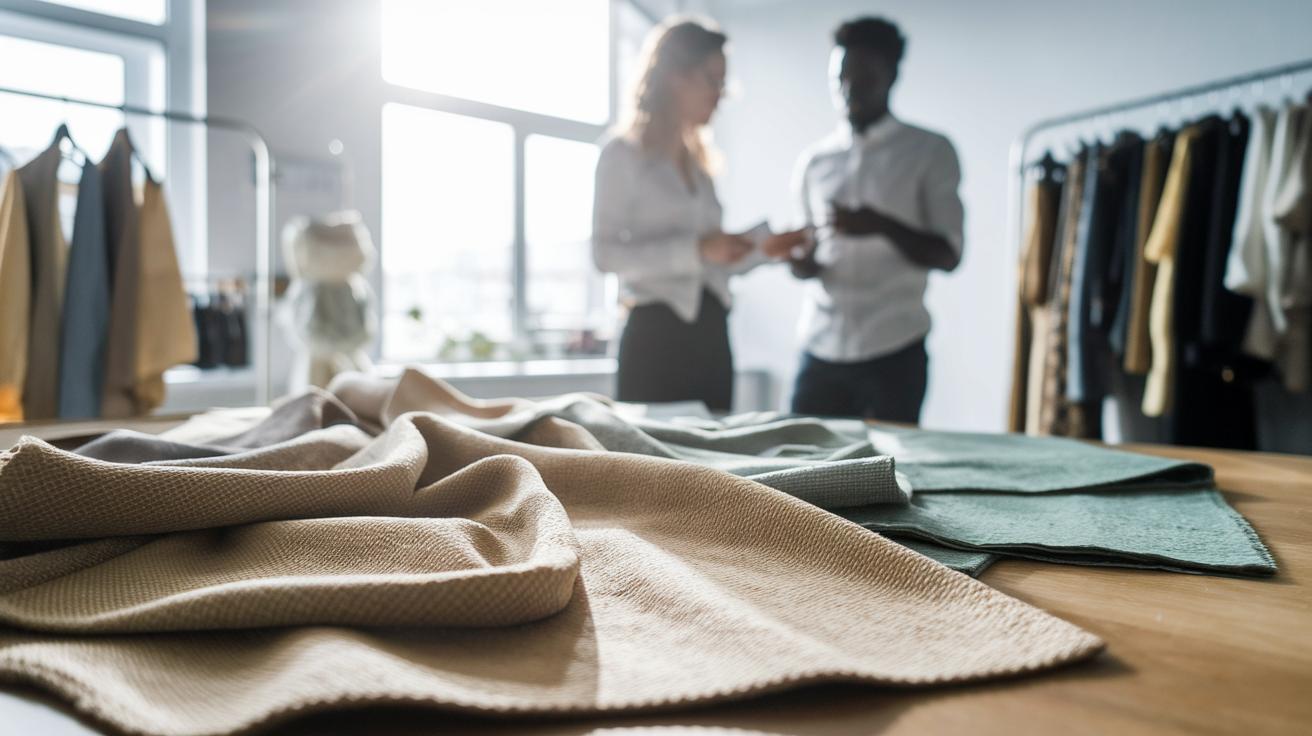
Eco fashion is getting a fresh twist with smart ideas and cool technology. Designers are mixing natural, bio-based materials with smart recycling practices to turn what might be waste into amazing style. It’s like a breath of fresh air, high-end yet honest about caring for the planet.
Take GOZEN’s LUNAFORM™ for example. This cool fabric comes from natural resources and feels light and breezy. Imagine wearing something that whispers organic charm while keeping production clean and green. It’s a little revolution on the runway, making you feel both stylish and responsible.
Then there’s Bananatex® by QWSTION. They take banana fiber, a natural material, and transform it into a textile that breaks down nicely when composted. The texture is surprisingly tough yet gentle, and each piece tells a story of nature’s beauty reimagined for everyday style.
Next up, Bolt Threads and Modern Meadow are blending science with style. They craft materials like biofabricated silk and collagen-based bioleather (that’s leather made without using animals) using proteins. It’s almost like slipping into a future-forward jacket that feels as luxurious as it looks, with every detail powered by biology.
And don’t forget Circ and Evrnu. These innovators use advanced recycling to turn old fabrics into premium fibers. It’s about giving a second life to textiles, imagine your cherished outfit reborn into something new and stylish, where every thread really counts.
| Startup | Material Type | Innovation Summary |
|---|---|---|
| GOZEN | Bio-based | LUNAFORM™ transforms natural ingredients into a light, premium fabric. |
| QWSTION | Organic Textile | Bananatex® turns banana fiber into a compostable, durable textile. |
| Bolt Threads & Modern Meadow | Protein Polymers | They craft sustainable, animal-free materials using protein-based innovations. |
| Circ & Evrnu | Recycled Fibers | They regenerate old fabrics into new premium fibers, giving style a second life. |
Eco Fashion Startups to Watch: Radiate Style
Unspun is flipping the denim game with its cool 3D weaving technique. They make jeans that fit just right, leaving almost no fabric scraps behind. It’s a smart way to cut waste right from the start while keeping you stylish.
Next up is Loop Swim. They take plastic from the ocean and turn it into eye-catching swimwear. Plus, their program even takes back old suits to recycle them into fresh designs. How awesome is that?
MUD Jeans has its own neat trick, a leasing model where you send your worn jeans back and they transform them into new denim pieces. It’s a stylish way to keep things fresh while being kind to the planet.
Then there’s Resortecs, making recycling a breeze with its dissolvable SmartStitch thread. This helps break down garments easily once they’ve run their course. And Salubata turns discarded plastic into cool, modular footwear that you can personalize to your taste.
Lastly, circular.fashion is mixing tech with eco-friendly design. Their digital tools help designers create clothes meant for recycling. It’s a smart blend of innovation and sustainability that shows the future of fashion can be green and trendy.
Funding, Market Positioning, and Growth Trajectories of Eco Fashion Startups

There are more than 71,000 eco-friendly fashion brands tracked using a cool, one-of-a-kind database that mixes solid numbers with real-life stories. This database creates a Seedtable Score, which is like a quick check-up, showing how fresh and exciting each startup is. It’s almost as if you can feel the pulse of eco fashion, with all the details telling investors and trend fans which brands are really shining.
New eco-style startups are popping up all over the globe, in cities like San Francisco, New York, across Europe, and in Latin America. It shows a growing love for climate-smart style and green apparel. As these brands expand their reach across continents, local backers and international funds are growing more eager to support smart practices that are both good for the planet and competitive in the market.
Retail partnerships also highlight the strong spot these brands have in the market. For example, GOZEN’s LUNAFORM™ has wowed both designers and top stores like Balenciaga’s flagship. It’s a clear sign that customers are excited about these trends. Meanwhile, companies like Bolt Threads, Modern Meadow, and Organic Basics have sailed through several funding rounds, from early seeds to growth stages, proving that solid financial backing is key to reshaping fashion today.
Regional Leaders Shaping the Global Eco Fashion Startups Scene
North American hubs are leading the way with eco-friendly breakthroughs. In many U.S. cities, innovators are mixing fresh biomaterials with smart research. But they often stumble a bit trying to fit their ideas into different state rules. For instance, in one city, lab teams had to adjust their methods after a community meeting asked for clearer details on eco-impact.
Over in Europe, things have taken a stylish turn thanks to government rules and young consumers loving sustainable looks. You can see a real shift toward recycled and organic materials, along with a nod to local craftsmanship paired with modern techniques. In one major capital, shoppers now lean towards items that blend a rich cultural story with forward-thinking, eco-friendly design.
In Asia and Latin America, early-stage eco ventures face a unique mix of challenges, like varying infrastructure and distinct local tastes. Designers there often merge time-honored traditions with contemporary eco trends, creating pieces that really resonate with local lifestyles. For example, a small studio in Latin America revamped its collection after noticing that customers favor eco-friendly products with a splash of local flair.
Emerging Technologies and Future Directions for Eco Fashion Startups

Blockchain traceability is changing the way brands share their eco stories. For example, Retraced records every step of a garment’s journey using blockchain, so you can literally follow its progress from start to finish. Imagine wearing an outfit with a complete, transparent history where every stitch, dye, and small detail is open for you to see. It’s like having a digital record that builds trust, one garment at a time.
Breakthroughs in biofabrication are opening up a whole new world for textiles. Companies like AMSilk and Spiber are using silk-based protein biomaterials (basically, lab-made silk that feels natural) to create fabrics that are both soft and sustainable. These materials bring together the gentle touch of silk with a promise for a greener future, a blend of scientific innovation and nature’s best. It’s like stepping into a wardrobe from tomorrow.
Digital tools and AI are about to transform sustainable fashion even more. New advances in plant-based dyes and AI-powered design let brands plan collections with precision, saving resources and cutting down waste before production even begins. This smart integration means fewer raw materials are used and the whole supply chain becomes much cleaner. It’s a future where technology and textiles really work hand in hand.
Engaging with Eco Fashion Startups: Investment, Collaboration, and Support
Eco fashion collabs now bring in industry experts who know a thing or two about practical eco materials. It’s like watching a design studio where recycled fibers are turned into that perfect jacket you can’t stop talking about. Instead of rehashing the same old partnerships, this approach puts the spotlight on fresh, creative processes.
Green investment rounds are getting a cool twist too. Specialized green funds are now backing smart production ideas that cut waste and save energy. Imagine a funding round that sparks new ways to lower the carbon footprint in textile making, this change really makes a difference.
Support for consumers is getting a trendy update as well. New leasing and take-back programs offer neat benefits like store credits when you return your favorite pieces. Picture this: you bring back a cherished item and earn credit for your next eco upgrade. It’s a smarter model that builds loyalty and drives sustainable fashion forward.
Final Words
In the action, we explored eco fashion leaders driving change in sustainable apparel, from bio-based innovations to zero-waste production and smart collaborations. Each section illustrated how creative startups push the limits of style while keeping nature in mind. Our chat covered emerging tech, global trends, and investment flows that fuel advances in green fashion. Keep your eye on these eco fashion startups to watch as they blend smart design with responsible practices, inspiring a fresh, forward-thinking approach to personal style.
FAQ
What eco fashion startups are must-watch in the USA and around the world?
The query about must-watch eco fashion startups highlights brands like GOZEN, QWSTION, and BioFluff that are using advanced sustainable textiles, circular systems, and innovative recycling tech to reshape fashion.
How do circular fashion startups and textile recycling startups contribute to sustainability?
The question on circular and textile recycling startups shows they work by turning waste into new materials and designing garments with closed production loops, significantly reducing fashion’s environmental impact.
What are some exciting fashion tech startups to watch according to investors?
The query on fashion tech startups points to companies merging smart design with technology, like those using 3D weaving and hydrothermal techniques, all aimed at creating sustainable, tech-driven apparel solutions.
What role does Ambercycle play in eco fashion?
The question regarding Ambercycle reveals it is a startup focused on textile waste recycling, working to convert used fabrics into new fibers and support a circular model in the fashion industry.
What defines a sustainable textile startup in the eco fashion space?
The question on sustainable textile startups shows they focus on developing eco-friendly materials and processes, from organic fibers to innovative recycling techniques, driving a greener approach in the fashion industry.