
Ever thought your clothes could be heroes for the planet? Switching to eco-friendly fabrics not only gives your outfit that cool, modern twist but also cuts back on water and chemical use. Some of these smart materials even use almost half the water that regular fabrics do. It’s pretty neat to know that when you choose greener materials, you’re also supporting fair work conditions and more thoughtful production methods.
Eco Fashion Materials Explained: Benefits & Fundamentals
Eco-friendly fashion materials are made to protect our planet by using recycled or renewable resources. They help cut down on water, energy, and chemical use, which means less pollution overall. Plus, these fabrics back ethical practices by making sure workers are treated fairly and production processes are open and honest.
For instance, did you know that recyclable materials used in eco fashion can nearly cut water use by 50% compared to regular textiles? It’s amazing how choosing the right material can up your style game while giving back to the Earth.
Some of the main benefits of eco fashion materials include:
| Benefit | Impact |
|---|---|
| Lower Pollution | Less waste and cleaner production |
| Resource Savings | Saves water, energy, and chemicals |
| Ethical Labor | Supports fair production practices |
| Greater Transparency | Keeps sourcing processes open and honest |
When brands choose these materials, they help push the fashion industry toward cleaner and more responsible production methods. This guide on sustainable fashion shows that every fabric can be both chic and a smart step toward a healthier environment.
Natural Fibers in Eco Fashion Materials: Types & Properties

Natural fibers are the heart of eco-friendly fashion. They’re biodegradable and let your skin breathe, making them a smart alternative to synthetic fabrics. Think of them as nature’s way of keeping style both cool and kind to the planet.
Linen is a classic example. It’s been around since ancient Egypt and is tough yet gentle on the environment thanks to its minimal need for pesticides. And then there’s organic cotton, which is grown without any synthetic chemicals. It feels like a soft, warm hug on a sunny day, making it a top pick for everyday wear.
Bamboo is another fab option. This plant can shoot up to 60 meters in just three months, proving nature can be speedy and sustainable. Plant fibers like bamboo also wick moisture away, keeping you dry and comfy. Hemp, on the other hand, grows with hardly any water and needs no pesticides at all. Plus, LENZING™ ECOVERO™ fibers, made from certified wood pulp, mix high eco-standards with a luxuriously soft feel, blending style with sustainability.
Animal fibers add their own charm too. Silk, produced in countries like Thailand, India, and Japan, has a smooth texture and works great in all kinds of weather. Merino wool, known for its temperature-regulating benefits, ensures you stay cozy without overheating. And ramie, with its incredible 6,000-year history of strength, rounds out the natural textile scene with durability and versatility in design.
All these natural fibers bring together a rich heritage and modern eco methods. They show us that caring for our planet doesn’t mean giving up style or comfort, it can be as simple as choosing fabrics that feel like a gentle breeze on a perfect day.
Recycled & Upcycled Materials in Eco Fashion Materials Guide
Recycled polyester (RPET) turns used plastic bottles into fresh fabrics you can actually wear. Sure, some worry about BPA, but new tech keeps that risk super low. And then there’s ECONYL® nylon, it’s made from old fishing nets and industrial waste, transforming potential trash into tough, stylish fabric.
Using leftover fabrics is a clever way to cut waste. Deadstock fabrics, which are extra or unsold materials, give designers a unique stash full of texture and story. They not only help keep landfills clear, they also add character to every piece. For a closer look at how this works, check out upcycled fashion techniques that turn returns into chic, new designs.
Then there’s S.Café®. This cool fabric mixes recycled coffee grounds for built-in UV protection and fast-drying power. Imagine wearing a material that’s as practical as it is eco-friendly, it’s a real game changer.
Advanced recycling techniques are also shaking up sustainable production. By reusing post-consumer and post-industrial materials, designers can craft collections that blend style with smart, circular practices. It’s all about keeping creativity alive while caring for our planet.
Innovative Bio-Based Fabrics in the Eco Fashion Materials Guide
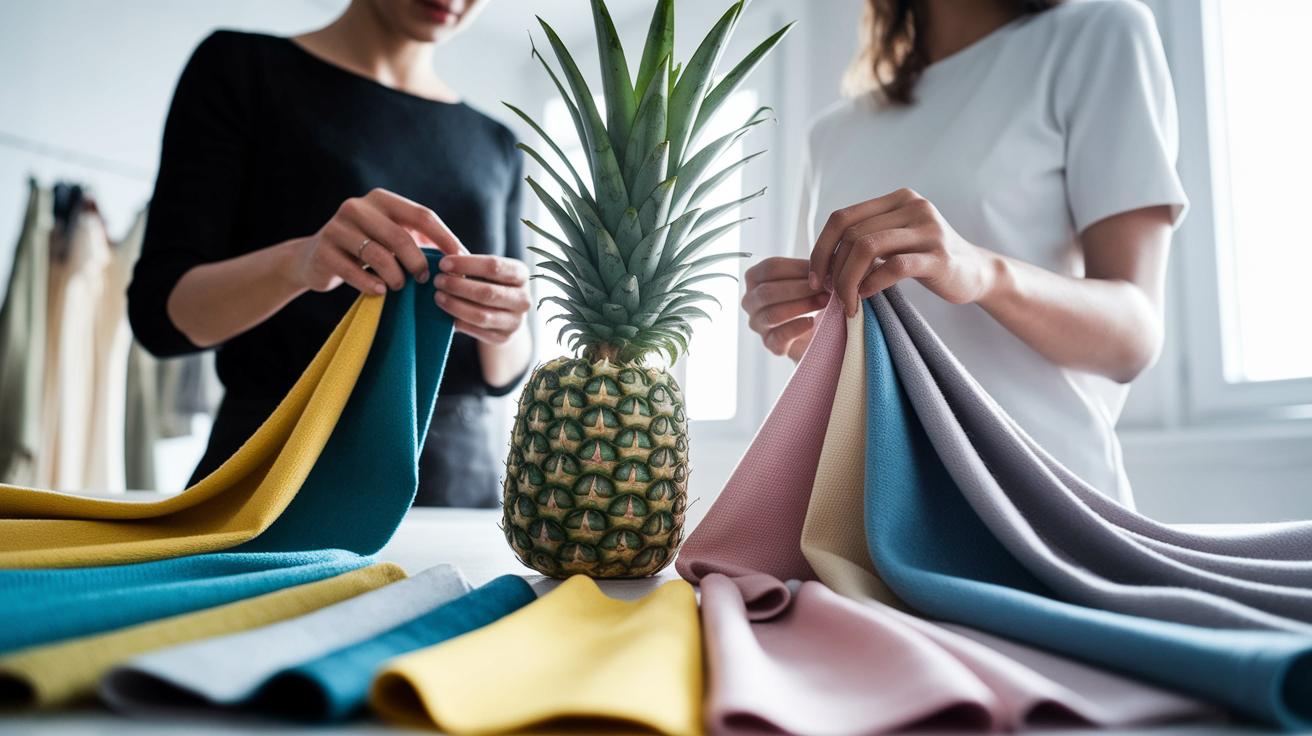
These new textiles are totally changing the way we see fashion. Piñatex® is made from pineapple leaf fibers, turning waste into something cool while helping local farmers earn extra cash. Ever thought that leftover pineapple leaves could become a fabric that’s both stylish and smart?
Then there's QMONOS™, which uses special spider-silk proteins. This fabric is as strong as five times steel but feels soft on your skin, like wearing gentle armor. It’s perfect for designers who want durable yet eco-friendly materials.
Bananatex® comes from the Abaca banana plant. It’s tough, lasts long, and even breaks down naturally when it’s time to say goodbye. Imagine wearing something that not only makes you look good but also cares for the earth.
SCOBY leather is really a game changer. It turns the byproducts from kombucha fermentation into an animal-free leather alternative. Who would have guessed that kombucha, which you normally drink, could make a fabric that’s both ethical and practical?
And then there’s QMilk®. This fabric comes from milk protein and is turned into a biodegradable fiber that feels incredibly soft. It’s a fresh way to reduce our need for petrochemicals and add a unique texture to your wardrobe.
Each of these bio-based fabrics helps turn waste into value and opens up a whole new world of sustainable fashion.
| Fabric | Raw Source | Key Benefit |
|---|---|---|
| Piñatex® | Pineapple leaf | Zero-waste valorization |
| QMONOS™ | Engineered spider silk | Superior tensile strength |
| Bananatex® | Abaca banana plant | Compostable & durable |
| SCOBY leather | Kombucha SCOBY | Animal-free leather alternative |
| QMilk® | Milk protein | Biodegradable & soft |
Ethical Sourcing & Certifications for Eco Fashion Materials Guide
Eco fashion is all about caring for our people and planet. When you shop eco-friendly, you expect fabrics made with real care. Certifications like GOTS (Global Organic Textile Standard, which means the cotton is grown without harsh chemicals), OCS (Organic Content Standard), and FSC for wood-based fibers like ECOVERO™ prove that each step is both green and fair.
These labels make it clear what's behind your clothes. Designers often say, "I chose GOTS-certified cotton for my collection because it passed tough, independent tests." This kind of honesty builds trust and shows that a brand really cares about ethical sourcing.
Brands work closely with independent auditors and set up traceability systems to follow fabrics from raw material to finished product. With every check along the way, you know things are kept honest, fair, and transparent.
By using these certifications and tracking methods, brands show they mean business about social responsibility. It helps turn their promise into real credibility, so you can feel good about the fashion you support.
Low Impact Design & Production Tips in Eco Fashion Materials Guide

Waterless dyeing is a real game-changer, it can cut water use nearly to zero. This clever method replaces old, water-heavy dyeing techniques, leaving production cleaner and kinder to our planet. Ever think you could color fabric with almost no water?
Another smart trick is using a closed-loop system. For example, Tencel® Lyocell uses a recovery process that grabs back 99% of chemicals and cuts water use by 10-50% compared to cotton. It’s a neat way to reduce waste while boosting efficiency.
Low-waste pattern cutting, zero-waste garment design, and recycling fabric scraps also play a big role. Factories that adopt these ideas turn leftover pieces into something useful with a creative twist. And when you add energy-saving machines and renewable energy into the mix, production emissions drop, too.
Putting these methods into practice helps designers and makers lower their environmental impact while still bringing you modern, stylish products. Even small design adjustments can save lots of resources and really help our world. Who knew eco-fashion could be so chic and responsible?
Switching to low-impact techniques not only cleans up manufacturing but also gives brands a boost. Each sustainable step helps build a smarter, greener fashion scene that truly respects our planet. It's a trailblazing path to a lasting future.
Lifecycle & Environmental Impact Assessment in Eco Fashion Materials Guide
Lifecycle assessment, or LCA, is a cool method that follows a fabric’s journey from the very start right up to when it's thrown away. It looks at things like greenhouse gas emissions, water use, and energy spent along the way. By checking every step, from raw materials to disposal, designers can pick materials that are kinder to our planet. For instance, natural fibers break down after use, helping avoid the microplastic mess that often happens with synthetic fabrics.
Brands now use carbon-tracking to see how much they lower emissions by choosing materials made close to home and relying on renewable energy. This makes it easier to compare different fabrics and spot those with a smaller carbon footprint. Plus, detailed lifecycle studies give companies a roadmap to cut down water and energy use during production.
When a brand shares its LCA results, it shows it’s serious about reducing its impact on the environment. An eco fashion brand might highlight how it uses fewer resources and creates less waste. Regular reviews of environmental impact and lifecycle management not only build trust with shoppers, but they also show how smart fabric choices can support a cleaner, healthier planet, all while staying stylish.
LCA helps brands keep improving, trim emissions, and deliver fashion that truly lives up to sustainability. Absolutely.
Final Words
In the action, this blog post broke down everything from exploring eco fashion materials to understanding natural fibers and innovative recycled options. We shared insights on ethical sourcing, low-impact production tips, and lifecycle assessments that shape smart style decisions. Each section builds on practical tips and fresh ideas that resonate with today’s style aficionado. The eco fashion materials guide shows how a thoughtful approach to fabric choice leads to smarter, inspiring style that celebrates both creativity and responsible practices. Keep pushing your style forward with confidence and charm.
FAQ
What information do the eco fashion materials guides for 2020 and 2021 offer?
The eco fashion materials guides for 2020 and 2021 offer insights on sustainable fabric options and eco-friendly production methods, highlighting techniques that reduce pollution and lower resource use.
What sustainable fabrics for clothing are available?
The sustainable fabrics include organic cotton, linen, recycled polyester, and hemp, each crafted to reduce resource waste and lower the use of harsh chemicals in production.
What types of natural fabrics for clothing are commonly used?
The natural fabrics feature fibers such as organic cotton, bamboo, hemp, silk, and wool that offer comfort and durability while enhancing lower environmental impact.
How can I find sustainable fabric suppliers and natural fabric clothing brands?
Sustainable fabric suppliers and natural fabric clothing brands are recognized for meeting eco-friendly certifications and following transparent sourcing practices for cleaner production.
What qualifies clothing materials as unsustainable?
Unsustainable clothing materials are those that use high amounts of water, chemicals, or energy during production, making them a less eco-friendly option compared to greener alternatives.