
Ever notice how one choice can totally change a store’s vibe? I had a chat with a retail buyer who mixes creativity with smart strategy, and it was like uncovering a secret recipe for style. Imagine someone putting together a collection as carefully as you assemble your favorite outfit; every piece has its own story.
This conversation breaks down day-to-day tasks, clever decisions, and that special skill of spotting trends in the hustle of the fashion world. So, are you ready to see how a few sharp picks can give a brand a fresh, new look?
Insider Interview Highlights: Retail Buyer Role in Fashion
A retail buyer in fashion isn’t just someone who spots trends. They’re the creative minds behind a store’s collection, using careful market research and smart choices to decide what makes the cut. Imagine someone poring over reports before picking out a line of clothing, that’s exactly the heart of the job.
Every day, buyers handle budgets, chat with vendors, and tweak inventory like assembling the perfect outfit. They dig into sales data and current trends, making choices where every piece, from a key accessory to the main item, must pull together perfectly. Their selections not only boost store performance but also shape the reputation of the brands on display.
To shine in this role, you need sharp analytical skills and solid hands-on experience with merchandising. Often, moving up means you’ve spent 3–5 years mastering smaller deals before diving into larger, multi-million-dollar orders. One insider explained, "Before handling big categories, a buyer starts with smaller ones, learning each detail along the way." It’s this mix of number crunching and creative instinct that makes the role both challenging and super rewarding.
This interview gives you a behind-the-scenes look at the lively world of fashion buying. It highlights the everyday tasks, the constant lessons learned, and the passion needed to excel. Smart, strategic decisions here can truly reshape a brand’s collection and set the stage for future trends.
Decision-Making Process of a Retail Buyer in Fashion

Retail buyers kick off their day by reviewing sales reports and key performance numbers. They check sell-through rates (for example, aiming for over 60%) and inventory turnover to decide how much stock to order. One buyer might say, "Before I commit to an order, I assess how quickly items are selling," which shows just how thoughtful their decision process can be.
Then, they switch gears and focus on choosing the right designers. They make sure every brand fits the store's style and appeals to the target customer. By comparing collection previews and listening to customer feedback, they match each design’s talent with its sales potential. It’s like mixing a perfect playlist, you need just the right tracks to hit the overall vibe.
After that, key numbers like average order value and markdown percentages come into play. Experts agree that balancing solid sales data with a creative instinct is essential for making the right call. Check out the table below for the top decision factors:
| Decision Factor | Description | Impact |
|---|---|---|
| Sell-Through Rate | Percentage of items sold relative to inventory | Drives restocking decisions |
| Inventory Turnover | Frequency of inventory replacement | Indicates product demand |
| Brand Alignment | Consistency with store’s style | Enhances overall appeal |
| Consumer Trend | Current market buying behavior | Guides product selection |
All these factors combine to create a smart, well-rounded buying strategy.
Retail Buyer Insights on Trend Forecasting & Market Analysis
Data-driven trend forecasting is at the heart of what retail buyers do. They lean on solid market numbers to spot seasonal shifts and emerging design trends. Instead of making wild guesses, they rely on full reports that show proven patterns. One insider even said, "Solid data transforms creative vision into successful collections." And that's so true.
Forecasting tools and platforms are like the eyes and ears for these buyers. They check out reports, real-time sales info, and reviews from the runway to catch the latest trends from top fashion sources. This smart mix of insights gives a clear picture of market moves and highlights new color and shape ideas for their collections.
When it comes to understanding shoppers, buyers dig into consumer behavior by watching shopping patterns and listening to direct feedback. They keep an eye on social media buzz, in-store chats, and customer reviews to learn what people really like. This hands-on method, mixed with hard data, lets them tweak orders on the fly. As one expert put it, "Understanding customers guides every buying decision." And that’s absolutely essential.
The latest trend buzz is all about upcycled materials, digital-first labels, and athleisure blends. Buyers compare these ideas with top market segments to make sure they’re on track. For instance, strong customer data pointed to a shift toward fresh, eco-friendly fabrics. These smart insights keep driving flexible buying strategies and set the stage for future brand success.
Retail Buyer Strategies for Apparel Sourcing & Procurement
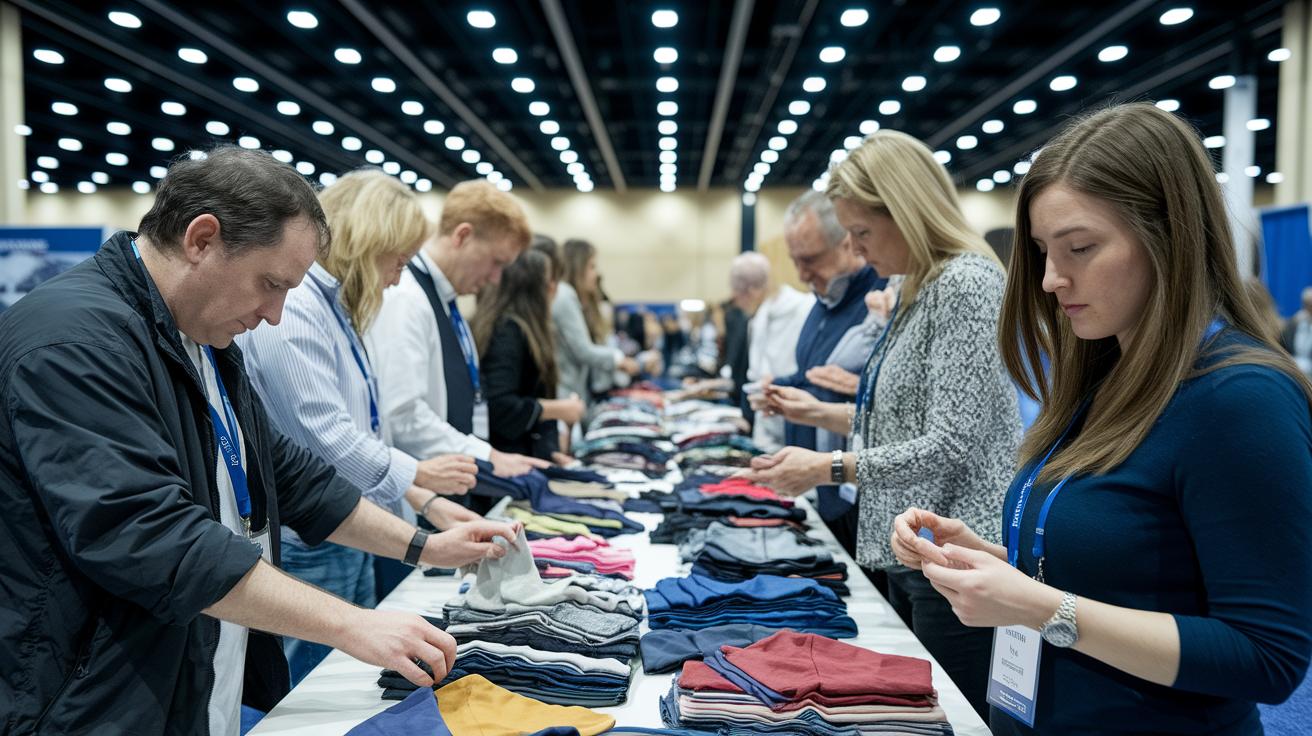
Retail buyers kick off their hunt for fresh styles by visiting several trade shows every year. They meet over 20 suppliers, check out fabric quality, and look at the speed of getting items ready. It’s like a treasure hunt; you never know which new material or design might completely change your collection. Plus, these visits help buyers see the offerings up close and start strong relationships with potential partners.
Once they find the right suppliers, the real work begins. Buyers keep in touch to talk about production times, ensure the quality stays on point, and even explore cool ideas like nearby manufacturing or small-run capsule collections. They balance tried-and-true methods with creative, forward-thinking ideas to keep their collections fresh and efficient.
| Strategy | Description |
|---|---|
| Trade-show scouting | Finding new suppliers and spotting fresh trends in person |
| Vendor qualification | Checking if suppliers can meet quality and production needs |
| Contract negotiation | Agreeing on the best terms and ensuring a steady supply |
| Nearshoring | Working with local suppliers to cut down on delivery times |
| Sustainability audits | Confirming organic fabric certifications and ethical practices |
| Small-batch testing | Teaming up on limited collections to see how customers react |
By mixing these strategies, buyers build a smooth system that values both quality and care for the environment. They create honest and open partnerships that support sustainable production and boost a brand’s overall vibe.
How Retail Buyers Curate Brands & Collaborations
Retail buyers put together collections much like you would assemble a stylish outfit. They mix about 70% well-known labels with 30% fresh designers discovered at trade shows and pop-up events. It’s like crafting a menu where classic tastes meet new, unexpected flavors.
Trade shows and showroom meetings are super important because they give buyers a real, up-close look at new designs. These visits help them feel the fabric, check the finish, and understand the brand’s vibe while they form genuine bonds with designers. One insider even said, "Seeing a design up close can spark new ideas." This hands-on approach really shapes how they choose what goes into their collections.
A great trick buyers use is creating limited-edition capsule lines. These special collections can boost store traffic by as much as 25%. Working with indie designers often brings out unique stories that catch eyes on social media and inside the store. Studies show that these collaborations not only add a refreshing twist to the collection but also stir up excitement that drives both sales and customer engagement.
Retail Buyer Career Path & Future Outlook

Many retail buyers kick off their careers as assistant buyers handling a budget of around $100K. In these early days, they get their hands dirty with inventory tracking and haggling with vendors. With clever data work and a dash of creativity, they soon move on to manage categories worth millions. It’s all about learning on the job, taking real-world feedback, and teaming up on projects that fine-tune both money smarts and style instincts.
Digital tools are shaking things up, think AI-powered analytics and slick e-commerce platforms. These smart tools help buyers mix creative flair with exact budgeting, making every order decision spot-on. And by mingling at industry events and working across different teams, they build a future where tech innovations and strong business sense lead to big wins.
Key Tips for Aspiring Retail Buyers
Master data analysis, nurture solid vendor relationships, and show up at key industry gatherings. These steps are game changers that help new pros shine.
Future Trends to Watch
Watch out for more AI use, a stronger push toward sustainability, and even better integration of different shopping channels. These trends are set to change the way buyers pick suppliers and put together amazing collections.
Final Words
In the action, this article has shown how retail buyers blend market trends, budget savvy, and real-world insights to shape standout collections. Each section revealed parts of their day-to-day work, from decision-making steps to creative brand collaborations.
Wrapping up, our insider interview with retail buyer in fashion brings a fresh look at making smart style choices. The insights shared here leave you inspired to take on new challenges and enhance your personal style with confidence.
FAQ
What insights does an insider interview with a retail buyer in fashion offer?
The insider interview reveals key insights into a retail buyer’s day-to-day work, decision-making process, and sourcing strategies in fashion. It also might be available as a PDF for in-depth review.
What questions should you ask a fashion buyer during an interview?
Asking questions about daily responsibilities, trend analysis, sourcing strategies, and vendor negotiations provides a clear view into the buyer’s role and helps uncover role-specific challenges.
What is the role of a retail fashion buyer?
The role of a retail fashion buyer involves evaluating market trends, managing budgets, negotiating with suppliers, and selecting merchandise that aligns with customer preferences to drive store success.
What should you wear to an interview in fashion retail?
Dressing in a chic, on-trend outfit that shows an understanding of the brand and remains professional is key for a fashion retail interview, combining style with a polished look.
What does a buyer do during fashion week?
During fashion week, a buyer attends runway shows, meets with designers, and scouts emerging trends. They assess collections and make decisions that shape future merchandise offerings.