
Ever thought fashion design might be easier than it looks? Our guide shows you that one simple idea can blossom into a chic piece of art.
Imagine walking down a busy city street, where every bold pattern and inspiring scene catches your eye. It's like the city is whispering style secrets in your ear.
Then, grab a pencil and start sketching out what you're feeling. With each stroke, you'll see your ideas come to life. From that first spark of inspiration to the final step of production, every little piece of the process builds a full picture of your very own fashion journey.
Fashion Design Process: How to Design Fashion Step by Step
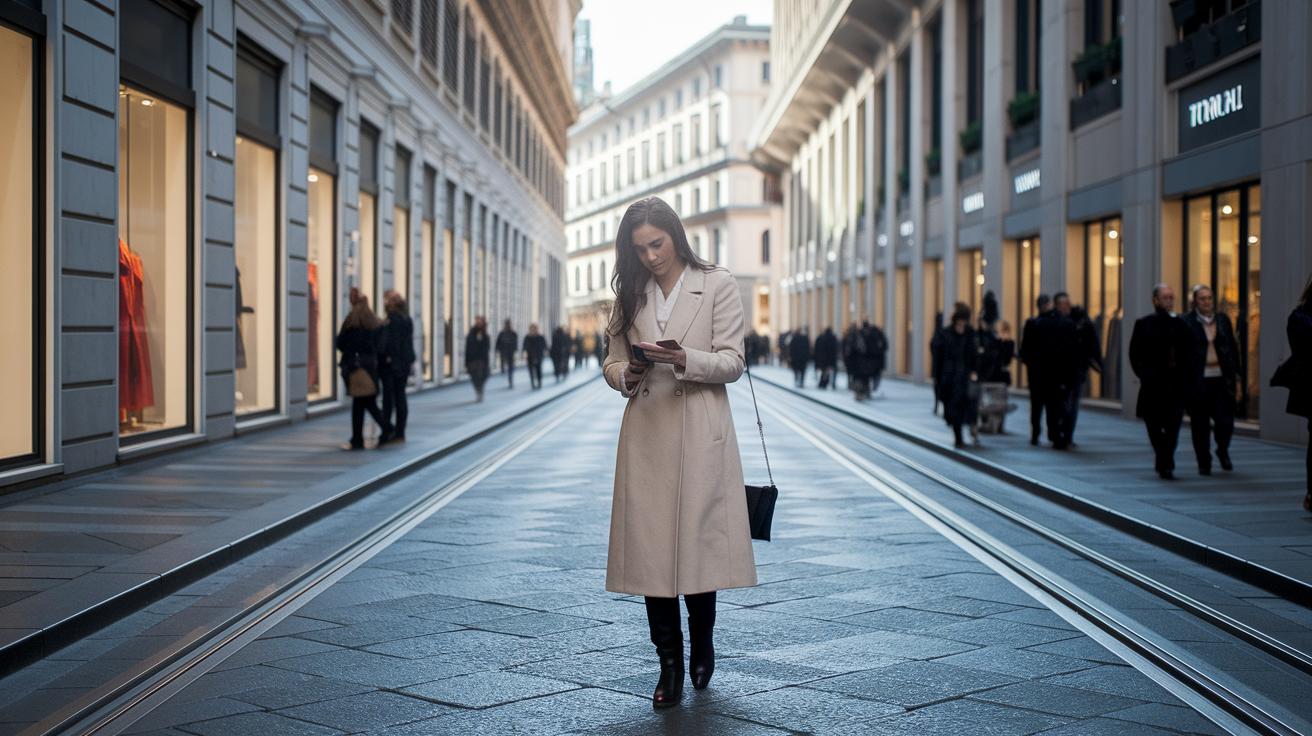
Step 1: Let inspiration and research lead the way. Designers get their spark by exploring vibrant cities like New York, London, or Milan and checking out trends. Imagine yourself wandering a stylish Milan street and being inspired by bright, eye-catching displays.
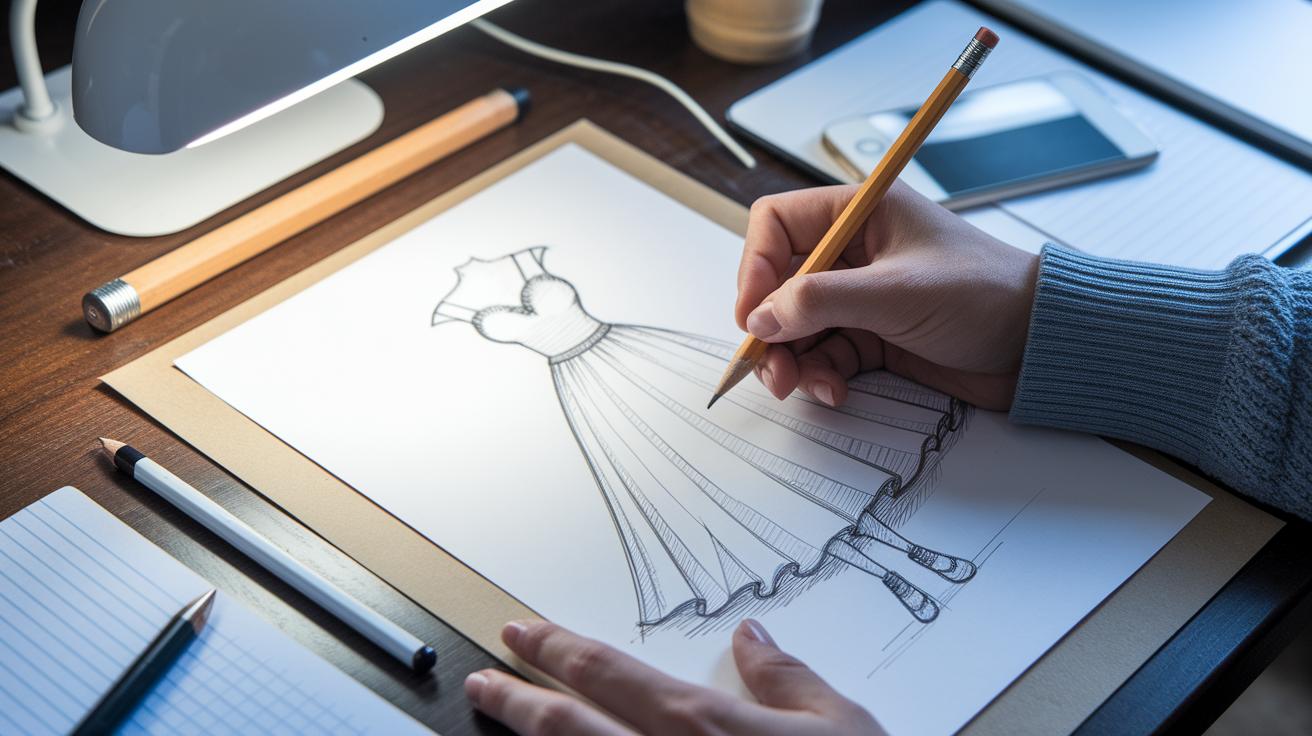
Step 2: Now, grab a pencil and start sketching out your vision. Focus on basics like darts, seams, sleeve lengths, and overall shape. It’s like drawing a loose, effortless silhouette that says, “This is all about cool, casual style.”
Step 3: Next, turn those sketches into technical designs. Use Computer Aided Design (that’s a computer tool for creating detailed drawings) or neat flat sketches to build a complete tech pack from your rough ideas. It’s a bit like taking a simple melody and transforming it into a full, orchestrated tune.
Step 4: Then comes sourcing your materials, a key step. Pick out your fabrics, trims, labels, and colors while working with suppliers you trust. Picture holding a fabric swatch that instantly tells you it’s the perfect match for your collection.
Step 5: After that, create your first samples and set up fittings. Build a muslin prototype to see how the design moves and fits. A quick fitting session can show you that your ideas are really coming to life!
Step 6: Use fashion software to finalize the sizes and plan the bulk production details over a 4-6 week lead time. Think of it like perfecting a recipe until every ingredient blends seamlessly.
Step 7: Once all your technical tweaks are in, give your design the final approval it deserves.
Step 8: Finally, start production after sealing the factory deal, this is when your creative vision steps off the paper and into reality.
Concept Development in Fashion Design
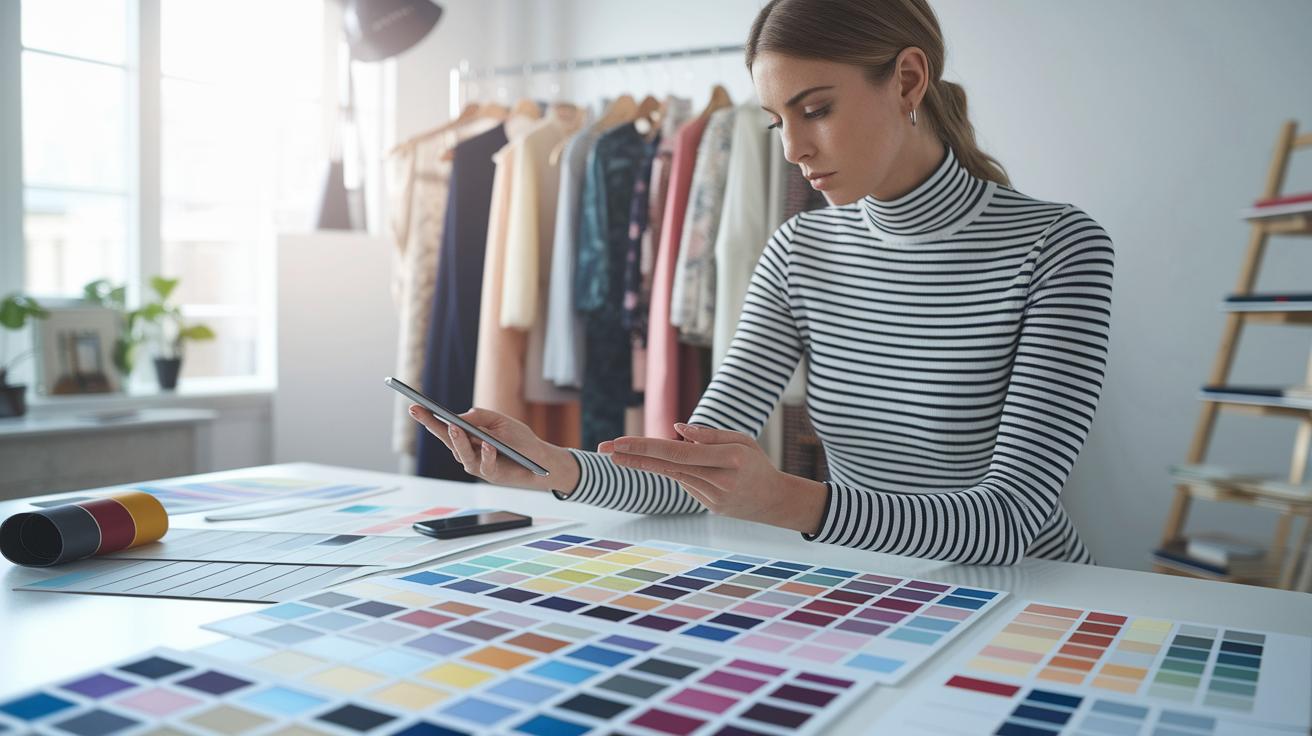
Building a fresh fashion concept starts when you dive into the elements that set your brand's vibe. Designers get inspired by everything around them, vivid colors, eye-catching prints, and fabrics that feel luxurious. They even look back at past eras to mix in a bit of history, giving their work a timeless touch.
It’s all about capturing the right mood. Every detail, from the fabric’s texture to the season it’s meant for, needs to speak to the audience. Ever notice how one inspiring detail can completely transform your look? Designers gather images, fabric swatches, and trend forecasts (like those from "fashion trends 2024") to create a mood board that feels just right.
These early steps set the stage for a strong brand identity. When you lay down the basics first, every design choice follows a clear, unified vision. It’s like having a stylish roadmap that sparks brilliant ideas at every turn.
how to design fashion: Spark Creativity Today
Traditional Hand Sketching
First, grab a pencil and your favorite croquis kit. These simple tools let you sketch your ideas by hand and feel the art coming to life. Imagine drawing a flowing dress with soft curves and clear outlines, it’s like capturing the heartbeat of the outfit on paper. Use easy illustration methods to show off the shape, fabric folds, and little details like seams and darts. It’s like writing a visual diary where every line tells you a story. For instance, sketch a jacket by gently drawing its relaxed, sloping shoulders, almost like a light breeze shaping a soft cloud.
Digital Sketching Tools
Now, switch it up with digital sketching. Tools like Procreate, Adobe Illustrator, or CAD software (a program that helps you design clothes on a computer) have special brushes and templates made just for fashion designs. Imagine perfecting a silhouette digitally, where colors blend smoothly to bring your idea to life, almost like painting your mood with modern tech. Digital sketching makes it super easy to try new ideas and adjust your design with just a few clicks, much like flipping through a cool style app on your tablet. Whether you love the feel of pencil on paper or the ease of digital tweaks, both ways help you capture the perfect fit, details, and creative style that make fashion so exciting.
Technical Flat Sketches and Pattern Drafting in Fashion Design
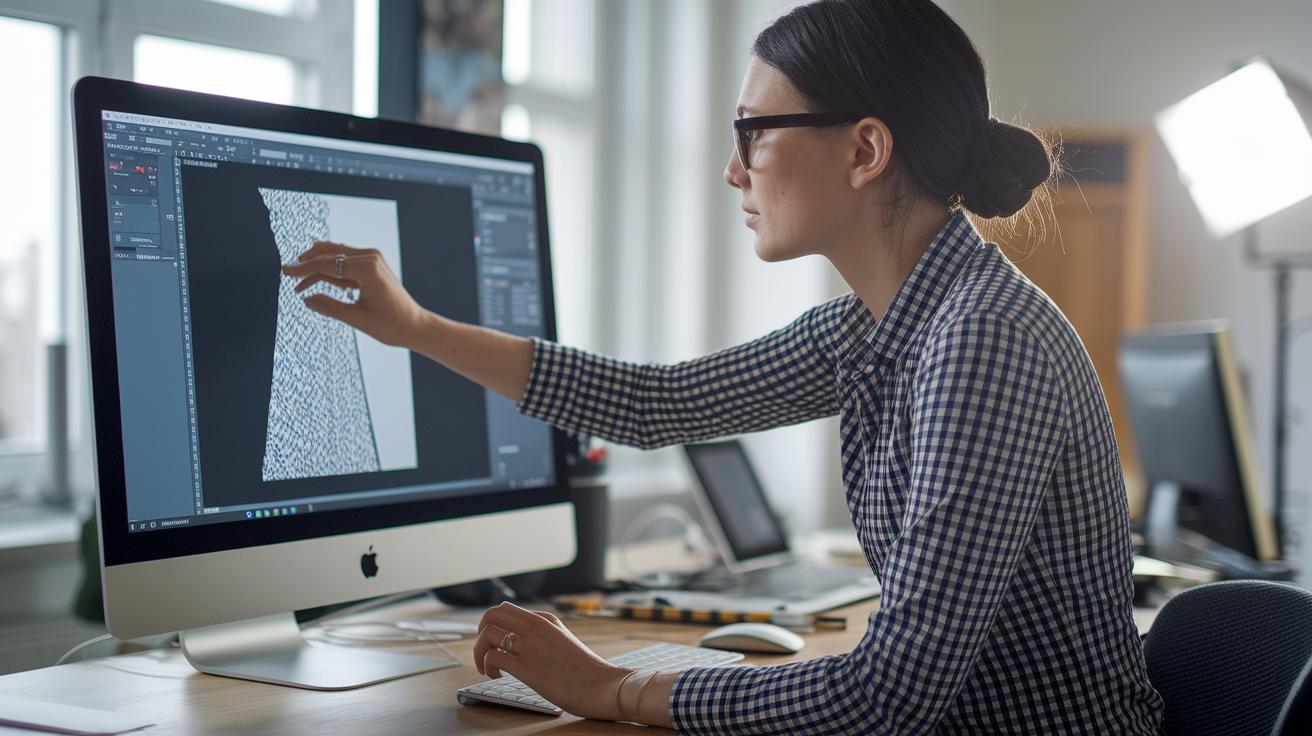
Start by using smart CAD techniques to fine-tune every detail. With a layered approach, CAD doesn’t just make markers, it lets you see how fabric flows and stretches. For example, you can adjust the pattern to see how changes in seam allowances change the way a fabric drapes.
Then, create clear sketches that map out every seam, dart, and measurement with precision. Enhance your work by adding digital tweaks that let you check the fit instantly, even before you make a sample. One designer once tweaked a pattern in CAD and saw a gentle shift in the garment’s drape right on screen.
- Draw flat sketches with every seam and dart clearly marked.
- Put together a detailed tech pack that spells out all the construction points.
- Convert 2D flats into paper or digital patterns so you can verify proportions accurately.
- Use advanced CAD simulations to generate markers and preview 3D clothing patterns before cutting.
One cool case study showed how a designer used CAD to refine a jacket’s curves, simulating real fabric movement so that each line on the sketch turned into a perfectly fitting piece.
Innovative Fabric Selection and Sustainable Methods in Fashion Design
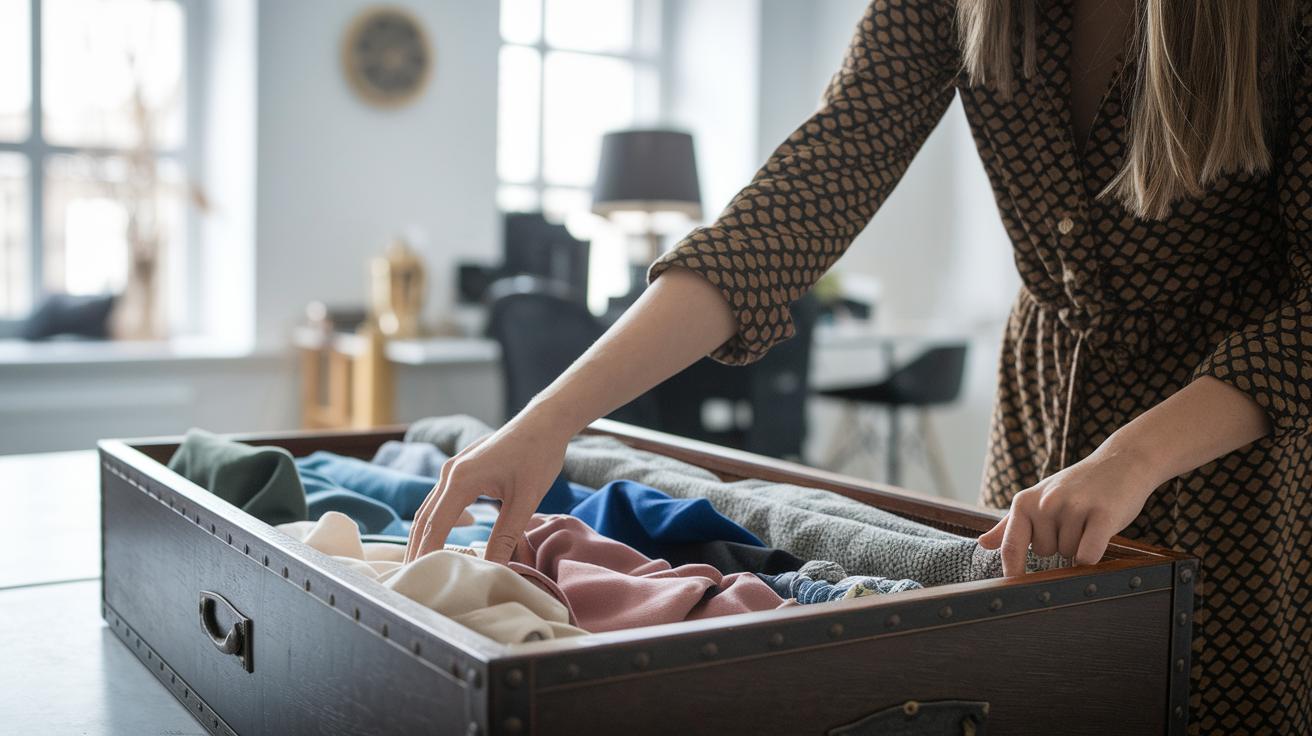
Once you've locked in your tech pack, choosing the right fabric turns into a creative adventure. Designers head out to scout eco-friendly fabrics, trims, and labels from suppliers they trust. It’s like exploring a treasure chest filled with organic cotton, recycled polyester, and plant-based fibers that not only look fresh but also show love for our planet.
Then comes the nitty-gritty, negotiating key details like minimum order sizes, delivery times, and prices with mills. Think of it as crafting the perfect puzzle where every piece matters. Imagine holding a fabric swatch that hints whether it floats like a summer breeze or fits firm like a well-tailored jacket.
Designers also jump into sustainable sewing practices by testing how the fabric drapes and feels with small samples before going all in. This hands-on trial lets them really get to know each material’s texture and behavior, ensuring every choice supports a cleaner, responsible fashion scene.
Finally, selecting these avant-garde materials lights up new avenues for creative wardrobe ideas. Every carefully picked piece becomes a building block for designs that merge modern style with sustainability. It’s like putting together an outfit that’s both cutting-edge and gentle on the Earth.
Sample Making, Fitting, and Final Production in Fashion Design
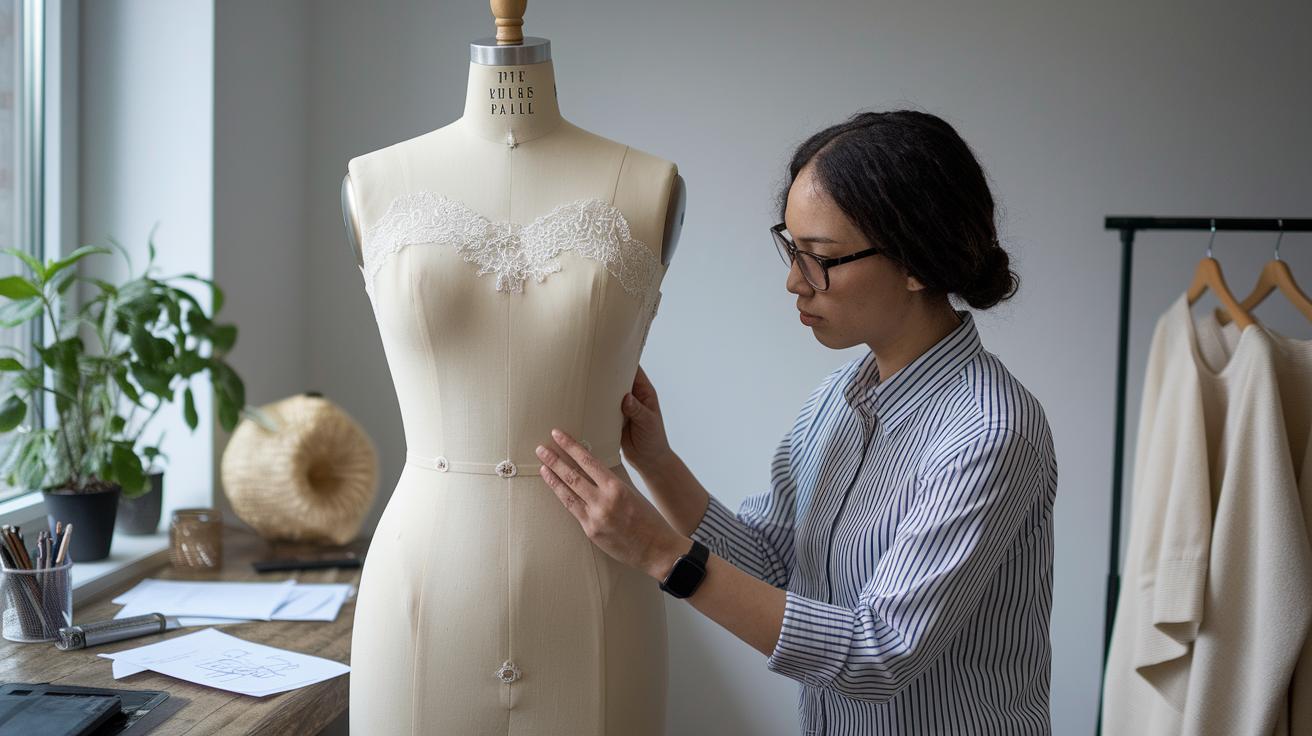
We begin by putting together a basic muslin or calico shell to check the fit and shape. Picture a simple trial piece where the fabric falls softly, letting you observe every seam and curve. For instance, you might say, "I made a test shell and noticed a small tweak was needed so the fabric could drape smoothly around the shoulders."
When it's time for fittings, sit down with your garment and quickly note any points that need adjustment. Here’s a handy checklist:
- Start with your muslin shell to see the initial fit.
- Do a fitting and mark any changes directly on your tech pack.
- Tweak the sample based on feedback until it truly reflects your design vision.
Each fitting session is like a live try-on, where small changes, like adjusting a sleeve or refining the waist, help bring comfort and polish to your look. Remember, sample making is all about trial and error, each little adjustment helps your design evolve.
Once every detail is perfected and the fit feels just right, it's time for final approval. This is the moment before the factory kicks off the cut-make-trim process. Imagine the designer’s smile knowing the prototype finally matches their envisioned style, ready to move on to bulk production.
Trend Forecasting Insights and Future Directions in Fashion Design
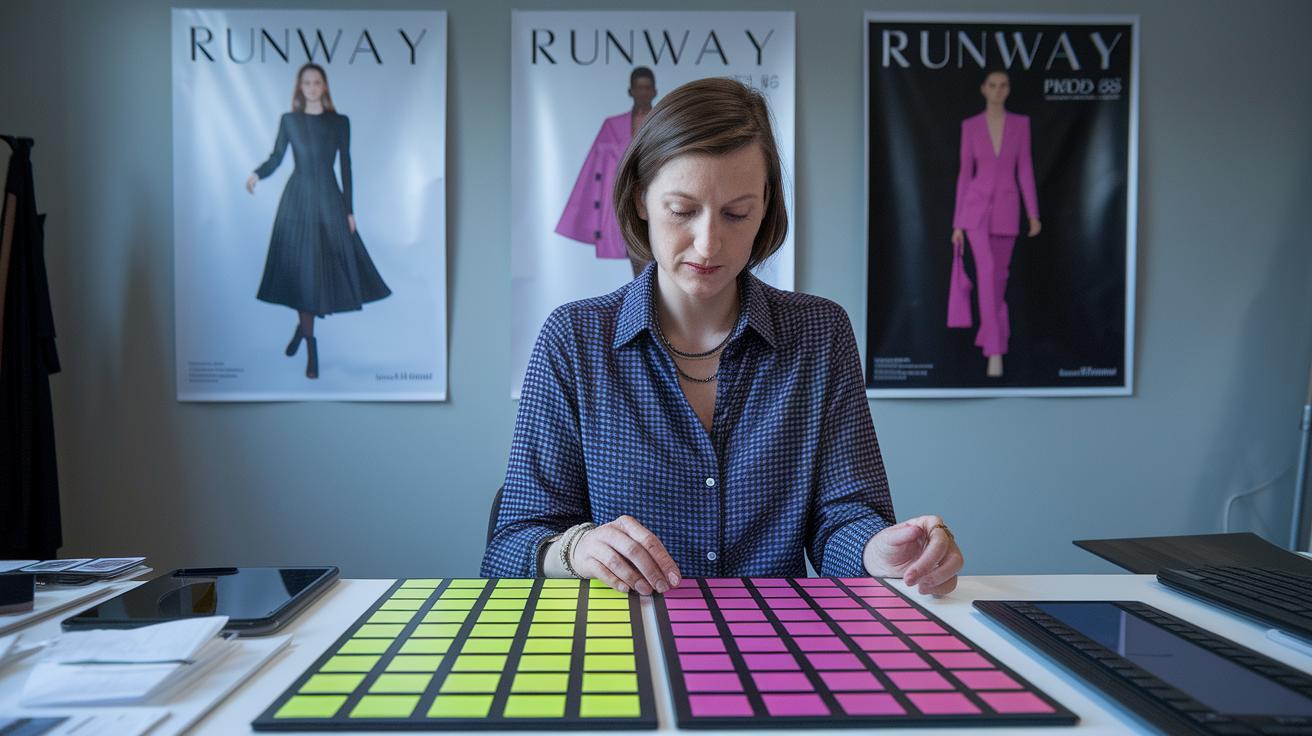
Staying on-trend is super important when making designs that really pop. You can catch the latest hints by checking out runway reports and popping into trade shows to see how fresh collections break the mold. Imagine flipping through a report and reading, "The power of neon shades sets the tone for upcoming seasons." It sparks ideas right away.
Next up, eye emerging retail themes for 2023–24 to guess what next season might look like. Maybe you’ll notice a cool trend, like a fabric that shimmers in a unique way, before it becomes the norm. Glancing through industry journals for tips on colors and new fabric innovations can really sharpen your creative vision.
Also, dive into virtual runway platforms to catch interactive shows and snag instant feedback from fans. Picture a designer checking out a digital runway where every fold and drape is captured perfectly. This modern twist not only gives you a closer look at the designs but also helps plan your future collections with ease.
So, lean on these trend forecasting insights and style analysis techniques to boost your fashion design work. For more in-depth info on runway aesthetics and trend predictions, swing by this trusted resource: https://leblooms.com?p=176.
Final Words
In the action, we walked through the creative process by showing how sketches come to life and fabric choices set the stage for real designs. We highlighted testing muslin samples and refining technical flats, each step sharpening the focus on making smart design choices. Breaking down each phase reveals the method behind transforming vision into wearable art. Remember, when you consider how to design fashion, every detail plays its part in crafting that perfect look, and every step is a win for personal style.
FAQ
How do I start designing fashion and create my own designs step by step?
Starting your own fashion design journey means exploring trends for inspiration, sketching initial ideas, creating technical designs, and testing samples. This structured method helps you turn ideas into finished pieces.
How can I design fashion online, digitally, for beginners, easily, or even for free?
Designing fashion online means using digital tools and free platforms to sketch, refine, and share your ideas. Beginners can start with user-friendly software and online tutorials to build confidence.
How do I design fashion in Sims Freeplay?
Designing fashion in Sims Freeplay means using in-game features to mix and match styles. Experiment with available options to craft unique outfits that express your flair effortlessly.
What are the key elements of design in fashion as seen in PDFs?
An Elements of Design PDF usually details color, fabrics, textures, silhouettes, and balance. These basics guide your creative process and help you understand how different parts work together in design.
What is the 3-3-3 rule in fashion?
The 3-3-3 rule in fashion organizes outfits by balancing three pieces or elements. This guideline assists in making thoughtful choices on color and accessory pairing for a well-coordinated look.
What is the 7 rule in fashion?
The 7 rule in fashion offers tips to achieve a balanced, stylish outfit. It may involve guidelines on pattern mixing and proportion, providing a framework to make your looks more dynamic.