
Ever thought your closet might help save the planet? Fast fashion could be behind nearly 10% of the world’s carbon emissions, so every purchase you make packs a powerful punch.
For years, we've heard about hidden costs and the tough conditions many workers face. These stories have sparked a real call for change.
Sustainable fashion is all about picking pieces that last longer while treating both people and nature right. When you choose quality items and eco-friendly fabrics, you’re not just keeping up with trends, you’re making a positive impact on our world.
Isn’t it cool to see that style and a greener life can truly go hand in hand?
Sustainable Fashion Fundamentals

Sustainable fashion is all about designing and wearing clothes in a way that respects both our planet and the people behind every stitch. It means choosing items that feel good on your skin and last longer, think soft organic cotton or robust hemp. And did you know that fast fashion might be behind up to 10% of global carbon emissions? That fact really makes every purchase count.
After the tragic factory collapse in 2013, many of us started seeing the hidden costs of cheap clothing. Soon after, the documentary "The True Cost" revealed just how much fast fashion could hurt our environment and human lives. Nowadays, we buy roughly 60% more clothing than 15 years ago, which puts extra strain on our precious natural resources.
Today, brands are stepping up by sharing details about where and how their clothes are made, ensuring fairer labor practices. This shift is sparking a slow style revolution that inspires us to value thoughtful design over constant buying sprees. Instead of tossing things away, we are now encouraged to invest in quality pieces and even recycle or reuse items.
Even our choice of fabrics is getting a natural upgrade. Organic materials like hemp, linen, and cotton not only feel soft against your skin but also do a kind deed for the earth. Each wardrobe decision can make a big difference in building a brighter, greener future.
Eco-Friendly Materials for Sustainable Fashion

Natural and Organic Fibers
Hemp, linen, and organic cotton are some of the best eco-friendly fabrics out there. Hemp grows really fast and needs hardly any water, which makes it a top pick for anyone who cares about the planet. Linen feels cool and breezy on hot days, while organic cotton gives you that soft, chemical-free touch. These fabrics need fewer pesticides and fertilizers, so they help keep our earth a bit greener. Imagine slipping into a smooth hemp jacket or a light, airy linen dress that turns heads while also caring for nature.
Recycled and Deadstock Textiles
Recycled polyester and deadstock cotton are all about giving unused materials a fresh start. Reworking these fabrics means we get less waste in landfills and use fewer new resources. Picture taking discarded plastic bottles and turning them into stylish recycled polyester, or transforming surplus cotton into chic new designs. Eco-friendly dyeing methods, backed by trustworthy systems like Bluesign and OEKO-TEX, cut down on water use and keep harsh chemicals away. Every piece made this way adds a smart, sustainable twist to your wardrobe.
Ethical Production and Fair Labor in Sustainable Fashion
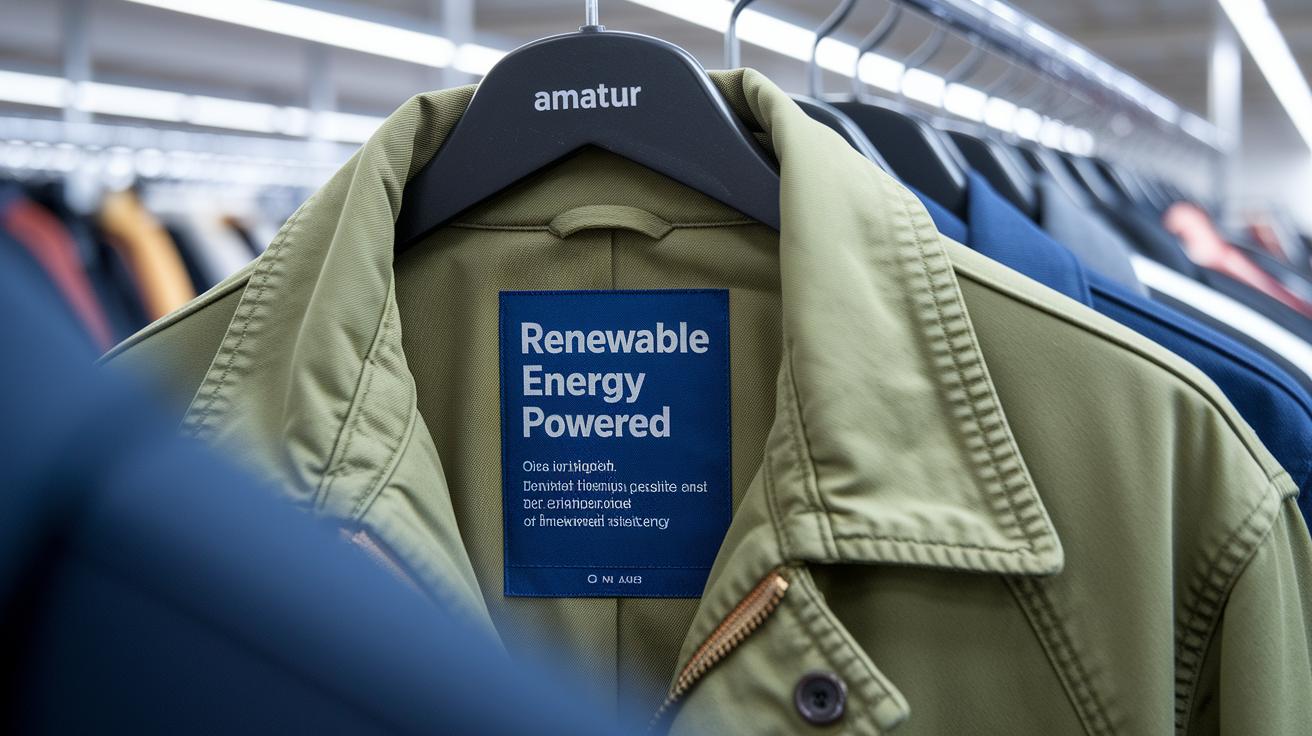
Sustainable fashion is all about making sure every step of creating your favorite outfit treats both people and our planet right. Workers are owed living wages, safe workplaces, and fair hours. More brands are showcasing fair trade labels to let you know their clothes are made with respect for human rights. Think of a label on a jacket indicating it was created in a facility powered by renewable energy; it means lower emissions and a healthier workplace.
When you see a product with full supply chain transparency, you know exactly where its materials come from and how it was crafted. This honesty feels reassuring, like knowing your outfit isn’t a result of unsafe or unfair practices. Local production supports community growth and cuts down on long shipping distances, lessening the carbon footprint. Picture smiling workers in bright, secure workshops, that’s sustainable fashion with a heart.
Shifting away from fast fashion is about ditching cheap models that fall short of paying a fair wage. Instead, it’s a celebration of ethical standards and green innovations that care for both people and our environment. Every piece you wear becomes a subtle shout-out to those who made it and a commitment to a better world.
Circular Design Principles and Zero Waste Practices in Sustainable Fashion
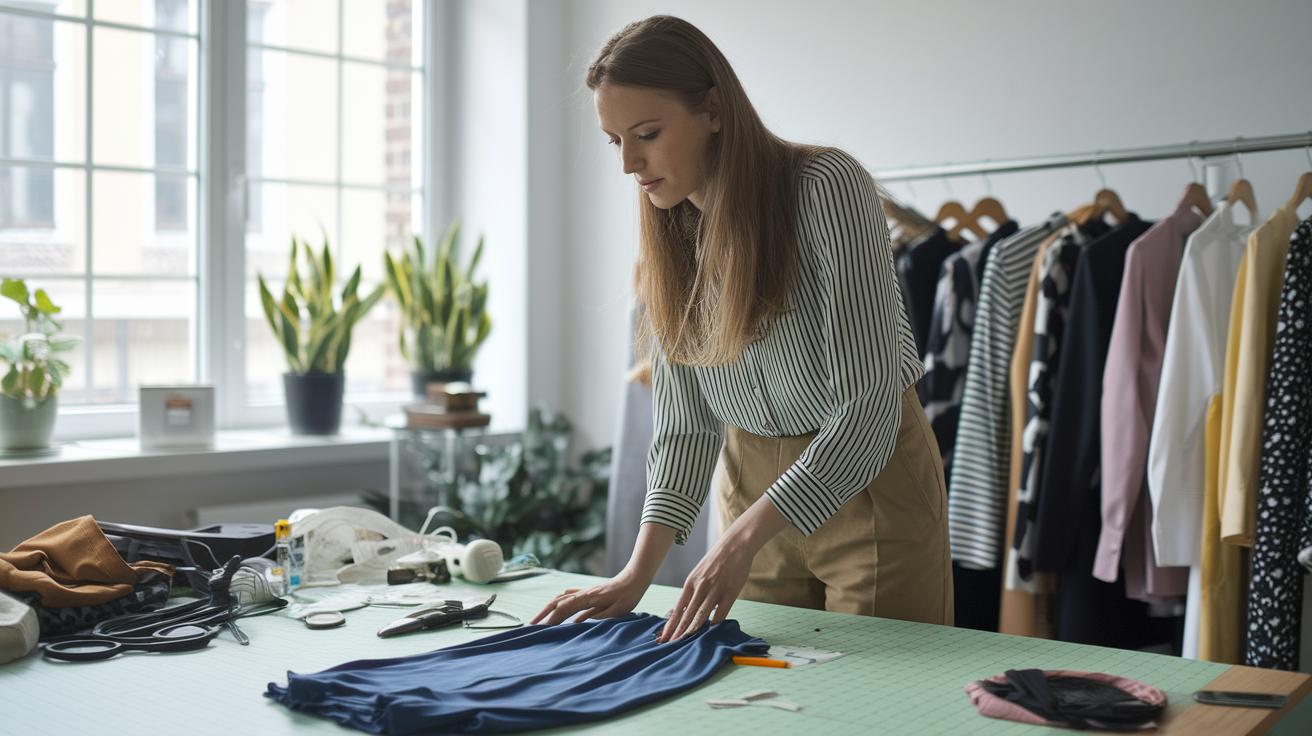
Fashion is getting a fresh twist with designs that make every inch of fabric count. Designers are now turning scraps into style, making sure nothing goes to waste. They craft clothes that last longer, can be easily fixed, and even come back around in a cycle, a neat way to use fewer new resources.
Zero Waste Pattern Cutting
Zero waste pattern cutting means designing clothes so that every piece of fabric is put to good use. Designers follow a few cool steps, like:
- Measuring the fabric carefully and drafting each piece with precision.
- Arranging the fabric pieces like a fun puzzle to cover every bit of space.
- Using clever layout techniques to cut down on leftover material.
Imagine a designer sketching pieces that lock together perfectly. It’s like watching a puzzle come together, turning scraps into a stylish edge.
Upcycling and Closed-Loop Systems
Upcycling takes older or extra garments and transforms them into new, runway-ready pieces. Think about old wedding dresses reimagined as trendy accessories or modern silhouettes. Local production teams are even taking it a step further by gathering surplus textiles to create fresh collections, each piece getting a creative second chance. By reusing fabric over and over, nothing is wasted, and every cut has its moment to shine.
Building a Conscious Wardrobe with Sustainable Fashion
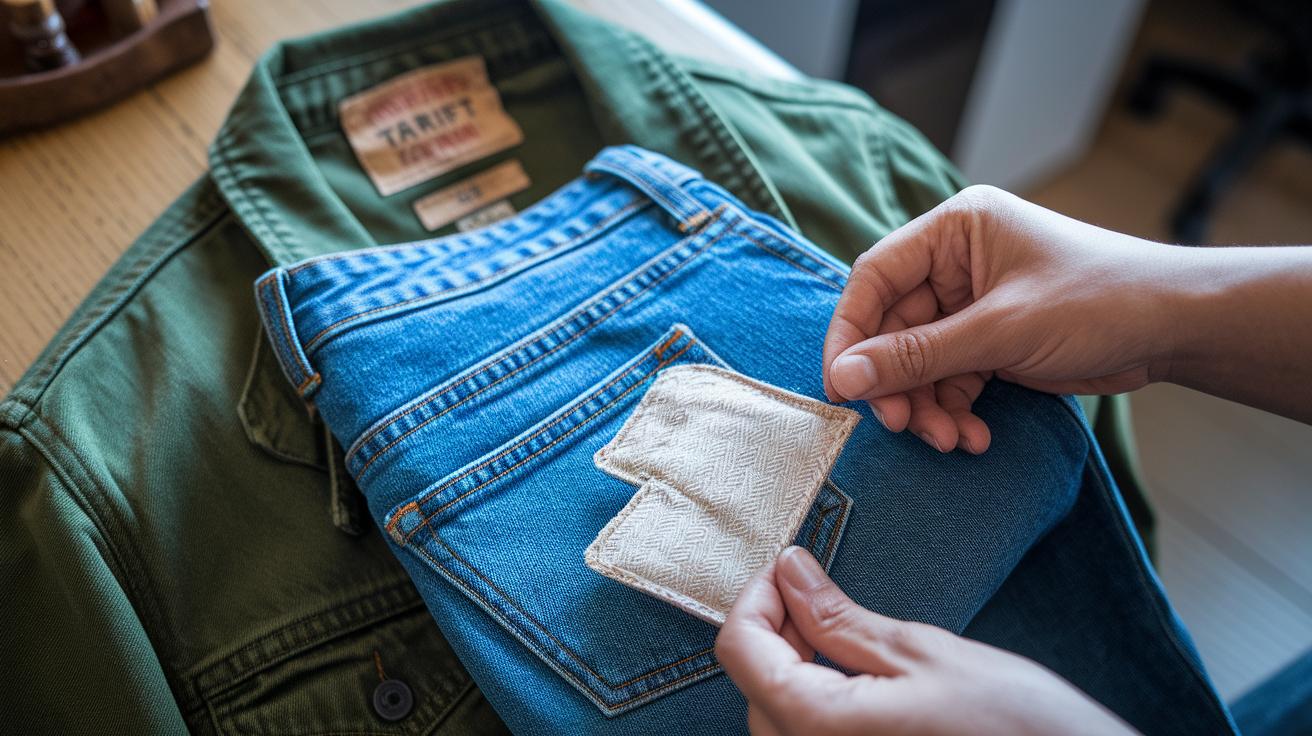
Building a conscious wardrobe is like giving the planet a gentle hug every time you shop. Instead of chasing every hot new trend, why not pick pieces that keep you looking cool season after season? When you opt for secondhand finds, rent stylish pieces for special events, or fix up your favorite tees instead of tossing them, you slow down the fast pace of fashion and keep our world a bit happier. Plus, you save money and cut down on waste and energy use.
Imagine the thrill of snagging that perfect vintage jacket or the joy of giving your well-loved jeans a second chance with a few simple mends. It’s all about little choices that ease the pressure on our natural resources and add a unique twist to your look.
| Smart Move | How It Helps |
|---|---|
| Shop Secondhand | Find unique treasures at thrift stores or resale sites |
| Rent for Special Occasions | Wear stylish outfits without the commitment of buying new |
| Mend and Repair | Extend the life of your clothes and keep memories alive |
| Choose Timeless Pieces | Select versatile items that never go out of style |
| Eco-Friendly Care | Follow routines that save energy and water |
Key Certifications and Standards in Sustainable Fashion
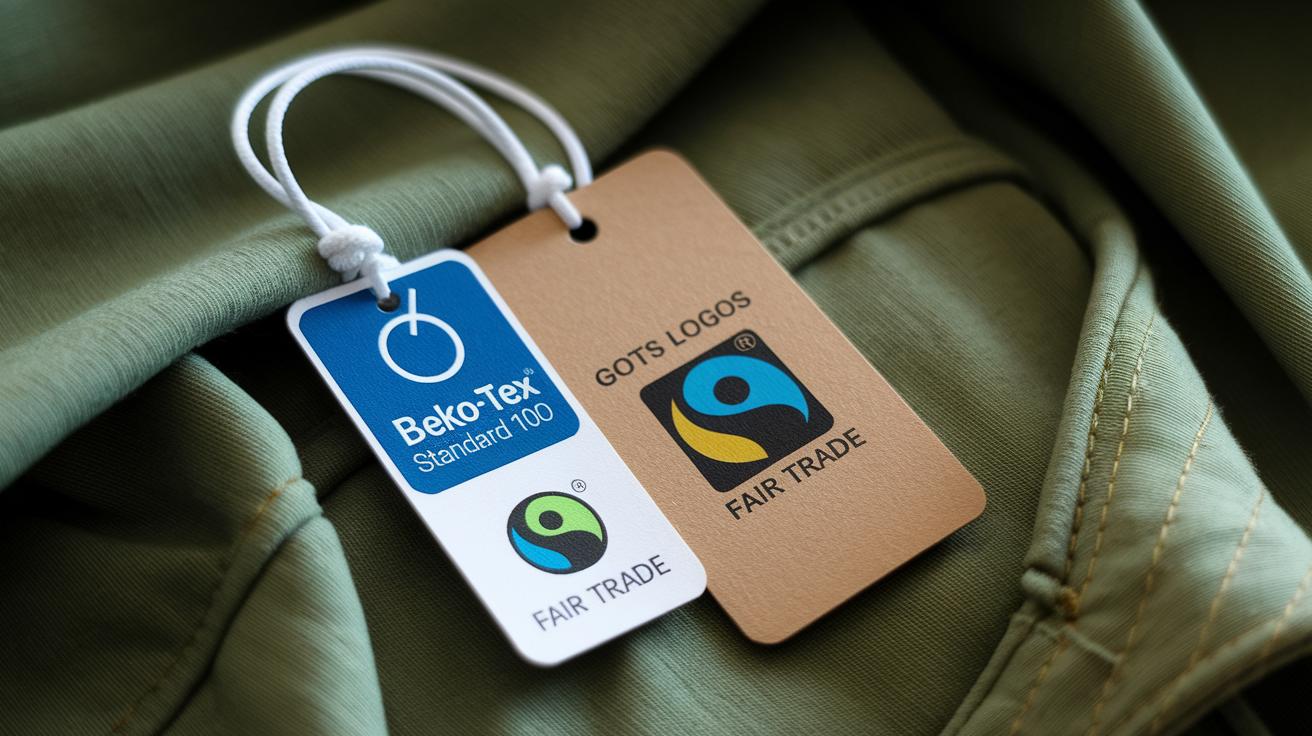
Certification labels act like friendly guides in the world of eco-friendly style. They help you spot when a product truly meets clear environmental and social standards. For example, when you see a Bluesign label, it tells you that the brand carefully manages its materials and works to save water and energy. And with the OEKO-TEX Standard 100, you know your fabric has been checked for any harmful chemicals, making it gentle on both your skin and the planet.
Fair Trade Certified items promise that workers earn fair wages and enjoy safe conditions, so every purchase feels good. Plus, if a garment carries the GOTS logo, it means organic fibers were used and processed with care for the environment, no nasty chemicals involved.
Next, check out this quick guide to some of the key certifications:
| Certification | Key Requirements |
|---|---|
| Bluesign | Strict material controls; reduced water and energy use |
| OEKO-TEX 100 | Screening for harmful substances |
| Fair Trade Certified | Fair wages, safe labor conditions, community support |
| GOTS | Organic fiber content; eco-friendly processing |
With these labels, you can shop confidently, knowing that your style choices also support a healthier, more sustainable world.
Innovations and Trends Shaping Sustainable Fashion

At London Fashion Week, creative minds turned donated wedding dresses into luxe, head-turning outfits. It’s like giving old treasures a fresh spin, blending art with eco-smart choices. Designers are now pushing boundaries with renewable materials, using fabrics like mycelium leather, a kind of eco-friendly leather made from mushrooms, and bio-based plastics that feel modern yet kind to our planet.
Next, research labs are buzzing with new ideas, linking up talents to invent sustainable solutions for the fashion world. In India and Brazil, pilot projects are testing regenerative fabric sourcing that cuts waste and also lifts up local communities. One cool story? A designer once took scrap materials before a show and whipped them into a dazzling collection that wowed everyone. It just goes to show how repurposing can bring back life to forgotten fabrics.
Then there’s the digital world stepping in. Tech and sustainability are coming together, driving smart designs that promise a greener future for fashion. Every step forward in these innovations shows how style can evolve while caring for the planet, making sustainable fashion more exciting than ever.
Challenges and Opportunities in Sustainable Fashion

The fashion world has its hurdles. High startup costs and the challenge of finding eco-friendly materials can slow things down. Switching to sustainable methods means rethinking how clothes are made. That might include changing supply chains, introducing no-waste practices, and even training staff or updating equipment. And hey, digital design tools are really helping out by cutting down waste from prototypes and enabling on-demand production.
Meanwhile, many brands are trying fresh, creative ways to meet their green goals. They’re updating equipment and reworking practices to fit sustainable standards. At first, it might seem like a big, heavy lift, but these changes set the stage for a more thoughtful and responsible style scene. Digital tools streamline the design process, reduce production time, and let brands produce just enough to match real demand with less waste.
Brands, non-profits, and trusted agencies are now joining forces to set new standards in sustainable fashion. When they work together, they create clear targets and inspire real-life examples of ethical style. In short, by teaming up, the entire industry is turning challenges into exciting chances for a greener, fairer future in fashion.
Final Words
In the action, we covered sustainable fashion fundamentals, using eco-friendly materials and ethical production practices. We also explored circular design ideas, ways to build a conscious wardrobe, and key certification standards that keep fashion transparent and responsible.
Each section shared hands-on tips and real-life examples, making it easier to follow sound style ideas while staying mindful of our impact. It all adds up to a positive outlook for sustainable fashion and your unique style evolution.
FAQ
What does sustainable fashion actually mean?
The phrase sustainable fashion means clothing made using eco-friendly processes and ethical practices that cut waste and reduce the harm done to our environment.
What are the 7 R’s of sustainable fashion?
The 7 R’s of sustainable fashion include reduce, reuse, repair, recycle, repurpose, rethink, and refuse. They guide buyers toward choices that help lower waste and environmental strain.
What are some examples of sustainable fashion practices?
Sustainable fashion practices include using organic materials, recycled textiles, zero waste techniques, fair labor production, and conscious shopping like buying secondhand items to decrease environmental impact.
Is Zara a sustainable fashion brand?
Zara has taken steps to add eco-friendly materials and improve production ethics, yet its fast fashion approach still raises questions about meeting all sustainable criteria.
Where can I find sustainable fashion resources like articles, PDFs, presentations, posters, and research?
You can search online fashion platforms, educational databases, and industry websites to access a variety of sustainable fashion resources, including articles, PDFs, presentations, posters, and research studies.