Ever notice how some designers shine during interviews while others seem to fall flat?
Many people forget that a clear and snappy introduction is just as important as a standout portfolio.
Next, we break down the do's and don'ts to help you share your creative journey with style and heart.
Mixing personal stories with easy tips not only makes your interview memorable but also sets you apart from the crowd.
Core Interview Do's and Don'ts for Designers
A crisp self-introduction is your golden ticket to standing out. It sets you apart right from the start. Begin by sharing a bit about your background and key design skills, as if you were opening your favorite novel. For example, you might say, "I mix creative vision with practical business insight to drive design decisions that really work."
Telling a story can work wonders in an interview. Sharing moments when you faced a challenge or celebrated a big win makes your experience unforgettable and builds trust. It shows CEOs and hiring managers that your work truly makes a difference.
Do this:
- Highlight your top design strengths in a short, clear introduction.
- Share one or two stories that connect your projects to real business results.
- Prepare a few punchy examples for each project you mention.
- Emphasize your creative process and how you solved problems along the way.
- Practice your narrative so it feels like a natural, engaging conversation.
- Keep your energy up and stay true to who you are.
Avoid this:
7. Don’t start with a long, technical rundown of your portfolio.
8. Don’t rely only on numbers without explaining the design story behind them.
9. Don’t give vague or generic responses about your work.
10. Don’t overload the interview with every tiny detail.
11. Don’t miss a chance to show your passion for design.
12. Don’t let your answers sound rehearsed or robotic.
Using these tips helps you nail interviews that really resonate. This approach not only highlights your design talent but also shows that your creativity and smart thinking add real value to any team.
Portfolio Presentation Do's and Don'ts in Designer Interviews
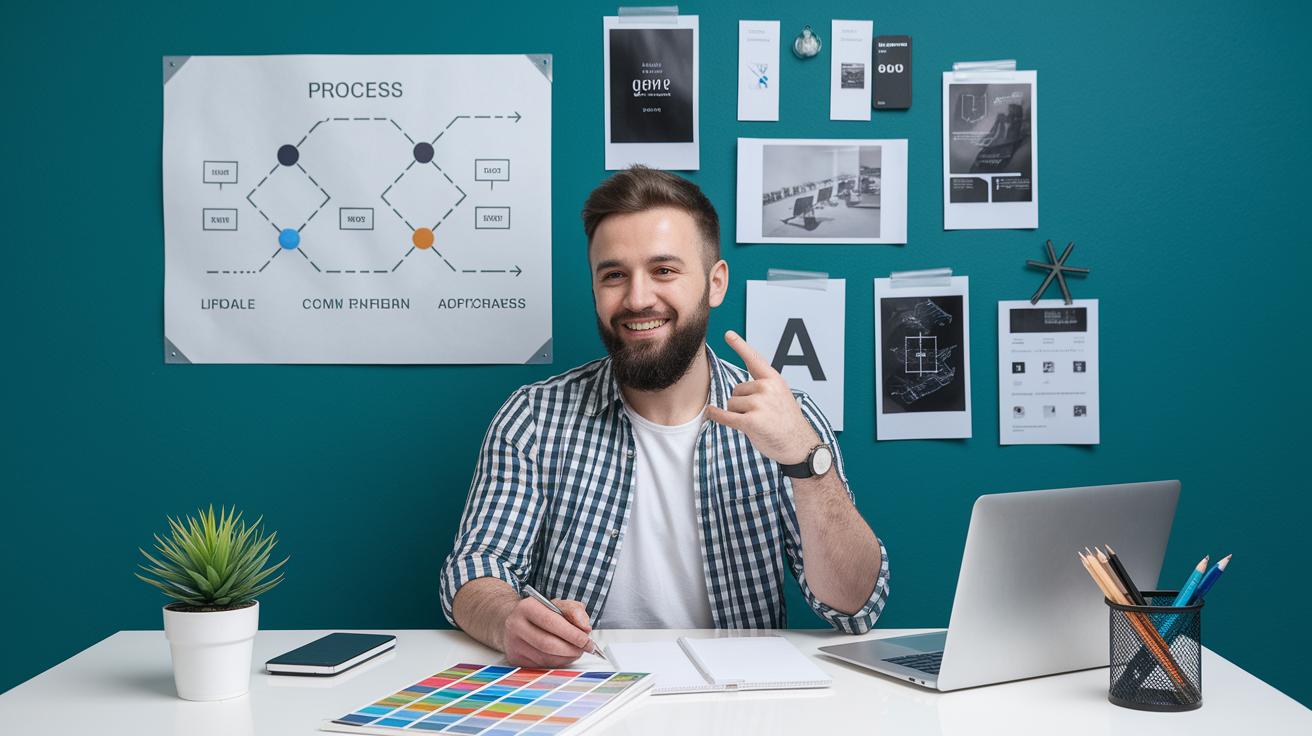
When you put together your portfolio, try to make it pop by choosing 3 to 5 projects that walk through your design steps, challenges you faced, and real results. Pick work that shows off your style and, more importantly, how you turned creative ideas into business wins, so interviewers can really see the story behind each design.
Do these things:
- Highlight a few projects that clearly show your design journey and major milestones.
- Tell the story of each project, linking your design choices to real, tangible outcomes.
- Include visuals that lead the viewer through your creative process step by step.
- Be ready for follow-up questions by using clear examples, like those from common fashion designer interview questions.
- Update your portfolio often, keeping it fresh with your best and most relevant work.
Avoid these pitfalls:
- Don’t squeeze every project into your portfolio, remember, less is more.
- Don’t use fancy or technical words without explaining the design story behind them.
- Don’t skip the background details that show how your designs solved actual problems.
- Don’t use cluttered visuals that take away from the main message of your projects.
- Don’t stick to text-heavy layouts that overwhelm your audience instead of engaging them.
A clean, well-organized portfolio not only highlights your creative talent, but also makes it easy for interviewers to connect with the unique story behind your work.
Communication Skills Do's and Don'ts for Designer Interviews
Ever notice how a clear story can set you apart in a design interview? Telling a simple, real story that ties your design choices to actual results really makes your experience shine. Using methods like the STAR format (that means you explain a challenge, what you did, and the outcome) builds trust and grabs attention. Keep it straight and easy to follow so your point lands right away.
| Do | Don’t |
|---|---|
| Share your ideas in a clear and simple way | Avoid long-winded or confusing explanations |
| Really listen and respond with thought | Don’t interrupt or ignore what the interviewer says |
| Be confident and connect your design choices to clear outcomes | Avoid looking unsure or brushing off important details |
Remember, your body language speaks just as loudly as your words. Keep steady eye contact to show you care and use an open, relaxed stance to signal you’re truly engaged. These simple cues can leave a lasting impression during your interview.
Avoiding Common Creative Interview Pitfalls for Designers

When your questions don't spark a real conversation, you might miss out on uncovering the true magic of your design process. Instead, try asking questions that show how you tackle challenges. For example, you could say, "How did your recent project change the way you work on design?" This helps bring out genuine insights that might otherwise be hidden.
Sometimes, using too many fancy design terms can confuse your interviewer. It’s best to keep your language simple and clear. For instance, rather than saying "practical frameworks," tell them how you solved real design problems. This makes your process feel more tangible and relatable.
It’s also important to pay attention to the interviewer's cues. If they give a slight nod or a curious look, that might be their way of saying, "Tell me more." Let these moments guide you to dive deeper into your creative journey, making your story even more engaging.
Lastly, try to steer away from generic stories. Instead, share a specific project that really showcases your process, from the design challenge to the actions you took and the impact it made. Maybe mention a time when a small change in your design led to a noticeable boost in user engagement. Short, specific examples like this can turn abstract ideas into clear, memorable moments.
Before your interview, it might help to rehearse these clear, relatable case studies. They turn complex ideas into simple, powerful stories that everyone can connect with.
Follow-Up Strategies and Professional Etiquette for Designer Interviews
After your interview, following up is a great way to make a lasting impression. A quick thank-you email sent within 24 hours shows you’re on top of things and value the process. It’s like sharing a warm smile after a fun chat, your tone should be friendly yet professional. Too many follow-ups, though, might seem pushy rather than thoughtful.
Here are some friendly reminders:
And remember, casually highlight how your values and personality align with the company’s vibe. It’s a subtle way to show that you really fit in with their culture.
Remote Interview Do's and Don'ts for Designers

Before your virtual interview, take a moment to check your internet, lighting, and screen sharing setup. A little tech prep goes a long way in making you look polished and professional.
Remote Do's:
- Check your internet connection and video settings before jumping in.
- Adjust your lighting so your face is bright and clear.
- Set up your online portfolio for a smooth screen share.
- Practice using your design tools with a few simple tasks ahead of time.
Remote Don'ts:
- Don’t skip software updates that might slow things down.
- Don’t use busy backgrounds that take attention away from you.
- Don’t forget to mute any notifications or background noise.
A bit of extra practice can give you the confidence to showcase your skills and handle any design challenges that come your way during the interview.
Final Words
In the action, this post broke down smart interview do's and don'ts for designers. It covered how a sharp self-intro and vivid storytelling set the stage, while portfolio tips, clear communication, creative fixes, follow-up rules, and remote prep built a solid case. Each section shares quick tips to help you shine in every design interview. Remember, following these interview do's and don'ts for designers can boost your confidence and leave a memorable mark. Stay positive and rock that next session!
FAQ
What are interview do’s and don’ts for designers, as shared on Reddit and in examples?
The interview do’s and don’ts for designers stress a clear self-introduction and storytelling that links projects to real business impact while avoiding generic, overly detailed answers.
How do you design interview questions for qualitative research?
Designing interview questions for qualitative research means crafting open-ended queries that encourage detailed answers about experiences, challenges, and thought processes in design projects.
What does the design process interview question ask about?
The design process interview question asks candidates to explain their step-by-step approach to projects, highlighting creativity, problem-solving methods, and how outcomes were achieved.
What interview questions might you face if applying for roles like Design Director or Design Assistant?
Interview questions for design roles focus on portfolio review, creative problem-solving and effective communication of design choices while assessing leadership qualities and technical expertise as fits the job.
What are the 5 C’s of interviewing?
The 5 C’s of interviewing refer to clarity, confidence, connection, consistency, and curiosity, all of which help evaluate how well a candidate communicates and fits within a team.
What does the 80/20 rule in interviewing mean?
The 80/20 rule in interviewing means that most of the conversation should focus on demonstrating skills and experience, while the remainder covers cultural fit and role expectations.
How should I prep for a design interview?
Preparing for a design interview involves practicing concise storytelling, refining your portfolio with key case studies, researching the company, and rehearsing responses to common design-related questions.
What are the 3 C’s of interviewing?
The 3 C’s of interviewing emphasize clear communication, confidence in your abilities, and consistency in presenting your work and design philosophy.