
Have you ever looked in your closet and thought, "Does my outfit truly care?" Back in 2013, a big event made people all over the world question how their clothes were made. Today, we’re coming together to create a way of making style that is fair, safe, and kind. Bold ethical fashion is like a fresh breeze in the world of style, it challenges us to look at every piece we wear and ask if it really reflects our values.
Understanding the Fashion Revolution Movement
Fashion Revolution started back in 2013 in the UK after the tragic Rana Plaza collapse, where over 1,100 people lost their lives and thousands were hurt. That sorrowful event sparked a worldwide call for change, turning a deep loss into a movement for a safer, cleaner, and fairer fashion industry.
This movement brings together everyone from the farmers who cultivate raw materials to the people wearing the finished pieces. It challenges fast fashion and pushes brands to share the story of who makes their clothes and in what conditions. Think about it, a simple hashtag like #WhoMadeMyClothes has opened up a global conversation on accountability, making you wonder, haven’t you ever thought about what’s behind your favorite outfit?
At its core, Fashion Revolution is all about honesty and responsibility in making clothes. It lays out clear goals to help make fashion more sustainable (that is, better for our planet and people). By questioning old ways and promoting a fresh outlook on garment production, the movement invites everyone to join a style uprising where our clothes can reflect not just our taste but our values too.
Historic Origins of the Fashion Revolution

Fashion started changing a long time ago, back in 18th and 19th century France. Back then, new ideas in textiles began shaping the clothes we wear today. French designers experimented with fresh fabrics and fun patterns, setting the stage for modern style. Over in America, industrial advances made it possible for clothes to be mass-produced, which meant everyday wardrobes got a major update. But with factories growing fast, workers began asking for basic rights and fair pay. These early shifts in design and labor practices laid the groundwork for today’s calls for transparency, fair wages, and ethical methods in fashion.
In 2013, the tragic collapse of Rana Plaza shocked the world and made us really think about the cost of fast fashion. That heartbreaking event, built on years of little oversight, drove home how much the industry needed to change. Today, much like those early changes, modern advocates are pushing for a safe and accountable fashion world that leads the way in reform.
Fashion Revolution Inspires Bold Ethical Style
Campaigns like Greenpeace Detox in 2011 rocked the fashion world by revealing how harmful chemicals were pouring into our water. That bold move lit up digital activism in fashion and made millions question the nasty substances used in our clothes. Imagine finding out your favorite tee might be connected to polluted water, back in 2011, one investigation uncovered this hidden cost behind fast fashion.
Then came the Clean Clothes Campaign, which stands as a wearable call for justice. This global crew unites voices to push for better wages and safer working conditions for garment workers. It’s like starting a worldwide conversation that sets ethical standards for both buyers and creators.
And then there's the ZDHC Initiative, determined to ban toxic chemicals from textiles, leather, and shoes. This movement is a clear call for designers to adopt cleaner production methods that protect our health and the environment.
Plus, social media is in on the action. With #WhoMadeMyClothes, everyone is encouraged to urge brands to be transparent about their supply chains. And, if that wasn’t enough, the documentary "The True Cost" pulls back the curtain on fast fashion, sharing real stories of the people behind our clothes and the sacrifices they make.
Together, these efforts create a scene where bold style meets ethical action, inviting us all to wear our values with pride.
Fashion Revolution Day and Week: Education and Engagement
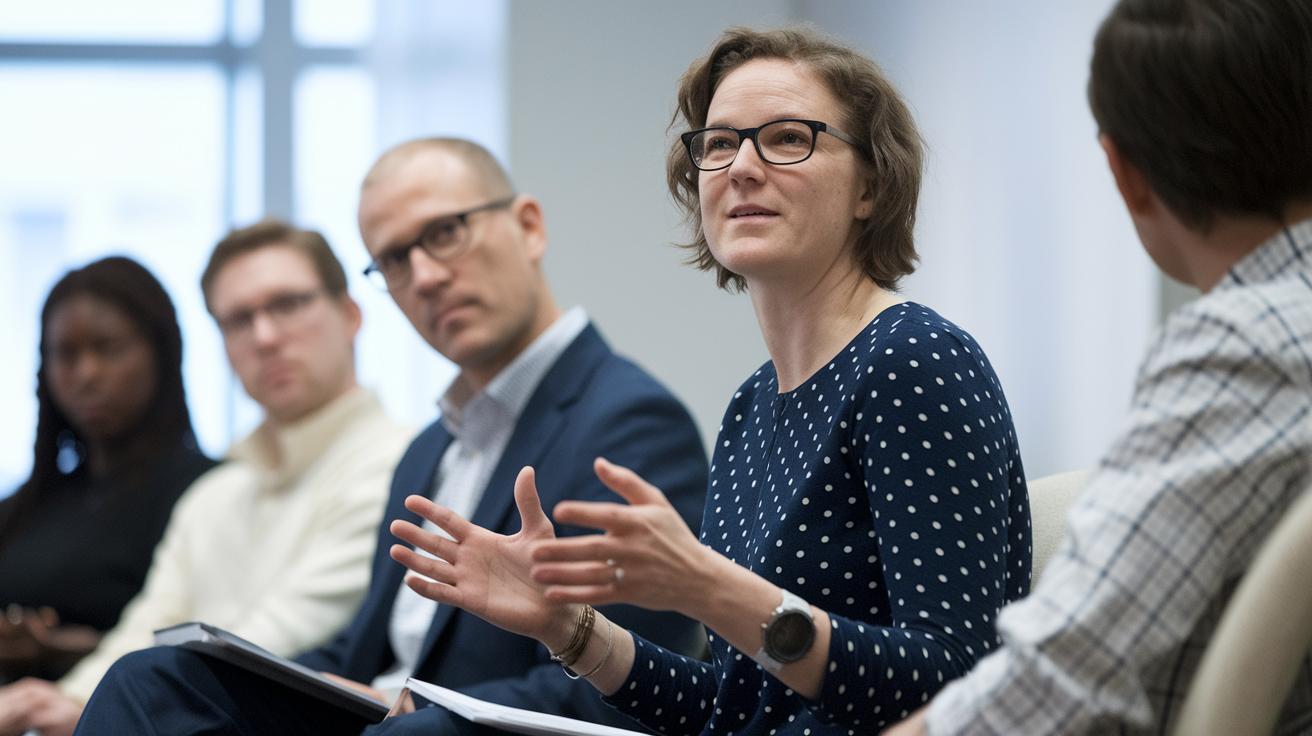
Started back in 2014, Fashion Revolution Day now grows into a week of events that light up the last days of April. You’ll find everything from panel talks and film screenings to hands-on workshops, eco-friendly pop-up runway shows, and local community meetups happening in over 100 countries. These events give everyone the chance to chat about the true story behind their clothes and get inspired by fair, ethical choices.
Imagine a school hosting a mini-panel on how clothes are made. Picture sitting in class as a guest speaker explains how a simple hashtag like #WhoMadeMyClothes can nudge brands to act differently.
Schools, colleges, and local groups are teaming up to share clear details about how clothes are made and to help us think about our buying habits. Community events mix fun and good insights, sparking lively chats about how our choices really affect the world.
Social media plays a big role too. Hashtag campaigns let people share personal experiences and shine a light on real change. Local meetups, film nights, and interactive workshops make it easy for everyone to feel part of a movement towards a more honest, transparent fashion world.
- Panel discussions
- Film screenings
- Workshops
- Community meetups
These efforts spark honest conversations and open the door to style celebrations built on shared responsibility.
Impact and Criticisms of the Fashion Revolution
The Fashion Revolution is shaking things up by asking brands to be more open about their processes. Nowadays, more labels share details about where their clothes come from and what chemicals they use. It’s a bit like getting a backstage pass to see how your favorite outfit was made, and suddenly you feel a deeper connection to it.
But not everyone is on board. Some folks say the movement leans too much on making us change our buying habits instead of forcing big companies to follow strict rules. They argue that a hashtag or a quick switch to sustainable clothing isn’t enough to change a system that has worked the same way for too long. A few even call it elitist because ethical clothes can be pricey, leaving many feeling left out.
Governments have started to step in, too. New laws now require brands to be more honest about their suppliers and practices. This shows that when shoppers and lawmakers join forces, real change can happen. Still, people wonder if these steps will truly overhaul the fashion industry or if we need to push even harder for deep, lasting reform.
- Boosts designer responsibility
- Highlights challenges in sustainable trends
- Raises consumer awareness
Actions for Brands and Consumers in the Fashion Revolution

When you drop a little hashtag like #WhoMadeMyClothes on social media, you're really speaking up for what matters. Every post tells brands, “Hey, we care about how our clothes are made!” It’s like giving them a nudge to share honest details about their supply chains. This simple act pushes the industry toward using real, verified practices, and helps kick off responsible trends.
Brands are getting in on it too. They’re starting to share clear info about their suppliers, wages, and environmental efforts. When a brand shows these details, it builds trust and helps protect the people behind your favorite pieces. Transparency is a way of saying, “We stand by our commitment to fair and ethical practices.” And when companies share trustworthy eco and labor credentials, you get to choose sustainable fashion with confidence.
Groups like the ZDHC and the Clean Clothes Campaign are helping make these changes even bigger. They work closely with brands to boost fair labor and green practices, moving the market away from harmful methods. Embracing a circular approach, think repair, reuse, and recycling, cuts down on waste in a big way. Even local stores and online workshops that share creative ideas and skills are key in inspiring mindful buying and fresh design innovation.
- Use #WhoMadeMyClothes to ask brands for a peek into their production details.
- Request clear reports on supplier lists, wages, and environmental outcomes.
- Support alliances like ZDHC and the Clean Clothes Campaign for fair standards.
- Cheer on repair, reuse, and recycle approaches to minimize textile waste.
- Join local workshops to stay in the loop on the best material sourcing practices.
Every little step you take helps build a stylish movement for ethical fashion.
Final Words
In the action, this article traced a journey from that tragic beginning to a bold push for fair practices. It recapped the historic shifts and innovative campaigns that fuel a true fashion revolution. Both brands and shoppers now have a clear playbook for making smart style moves. With eye-opening initiatives and community events playing their part, choice and accountability go hand in hand. Embrace these fresh insights and let every outfit reflect not just style, but a commitment to a brighter, fairer future.
FAQ
What is the Fashion Revolution and its history?
The Fashion Revolution is a global campaign started in 2013 after a tragic factory collapse, now pushing for safe work and fair practices in over 100 countries.
What are Fashion Revolution jobs and where is the movement located?
Fashion Revolution offers roles in advocacy, communications, and coordination across a global network, with activities and events happening in many countries around the world.
What is Fashion Revolution Week and what can we expect in 2025?
Fashion Revolution Week is an annual series of events featuring discussions, workshops, and public meetups on ethical fashion, with new initiatives lined up for 2025.
What is Fashion for Good?
Fashion for Good is an initiative that supports sustainable innovation, working with designers and tech experts to bring responsible practices to the fashion industry.
How does Fashion Revolution use Instagram?
Fashion Revolution Instagram shares impactful stories and transparent information about clothing production, engaging a wide audience to hold brands accountable.
What does the Fashion Revolution logo represent?
The Fashion Revolution logo stands as a call for accountability, inviting everyone to ask the important question, “Who made my clothes?”
Who owns Fashion Revolution?
Fashion Revolution is managed by a network of independent activists, making it a community-driven movement rather than a business owned by one individual.
What is the 3-3-3 rule in fashion?
The 3-3-3 rule in fashion urges brands to share details about their supply chains, wage practices, and environmental impacts, promoting transparency and responsibility.
Is Fashion Revolution a charity organization?
Fashion Revolution is a campaign focused on creating awareness and change; it is not a charity that accepts public donations or operates like a traditional nonprofit.
What is the Clean Clothes Campaign?
Clean Clothes Campaign is an international alliance that fights for better working conditions and fair wages in the global fashion industry.
How does the Ellen MacArthur Foundation contribute to fashion?
The Ellen MacArthur Foundation promotes circular economy ideas, inspiring brands to turn waste into valuable resources for a greener future.
What is Labour Behind the Label?
Labour Behind the Label is a campaign that highlights worker rights in the fashion industry, advocating for safe work environments and fair treatment for all.
How does the Fair Wear Foundation work within the fashion industry?
Fair Wear Foundation collaborates with brands to improve labor conditions in garment factories, checking that wages are fair and work settings are safe.
What role does Greenpeace have in fashion activism?
Greenpeace runs campaigns that expose harmful production practices in apparel manufacturing, urging brands to adopt cleaner methods to protect our environment.
How is the Sierra Club connected to sustainable fashion?
Sierra Club, one of America’s largest environmental groups, supports sustainable fashion by endorsing policies and practices that protect nature.