
Have you ever thought about the unseen price of your wardrobe? It might surprise you to learn that many workers still aren’t paid fairly.
In this post, we’ll chat about simple steps to switch to a greener wardrobe that cares for both you and the planet. It’s like putting together your own collection that shows off your style while making every choice count.
Start by checking labels for fabrics that are kind to the Earth and gentle on your skin. Then, explore vintage finds that add a touch of history and charm to your look.
Every piece you pick can lead you to a kinder, more mindful fashion life. So why not begin today, one thoughtful choice at a time?
Practical Steps to Build a Sustainable Wardrobe
Building a sustainable wardrobe isn’t just about following trends, it’s about embracing a style that cares for both you and the planet. Imagine choosing each piece with thought, knowing that you’re not only showing off your unique taste but also making a positive impact on the world and its people.
Sustainable fashion means you pick items that are good for the earth and respect those who make them. It’s a mindful way to shop and style up your closet. And here's a striking fact: although 75% of the industry’s workers are women, only 2% earn a fair wage. Every choice you make matters, adding up to a kinder, more thoughtful fashion journey.
Start by getting to know what you love. Keep your wardrobe focused on your true style. Next, take a good look at what you already have. Spot the gaps, maybe your summer shoes need a winter switch soon.
Before you rush to buy something new, explore vintage shops and online swap platforms. They’re full of hidden treasures that add character and reduce waste. Also, get into the habit of checking labels for eco-friendly fabrics. Look out for materials that aren’t polyester or mixed blends, they're kinder to the environment.
Try investing in fewer, quality pieces. For a while, challenge yourself with a no-new purchase rule. And when your favorite outfit needs a little fix, get creative: a simple tailor’s tweak or a quick repair can give it a new lease on life.
Remember, less frequent washing and careful storage can keep your clothes looking fresh longer. Each little step adds up, crafting a wardrobe that’s stylish, sustainable, and totally you.
Mix, match, and enjoy the journey every step of the way.
Selecting Eco-Friendly Fabrics for Your Sustainable Wardrobe
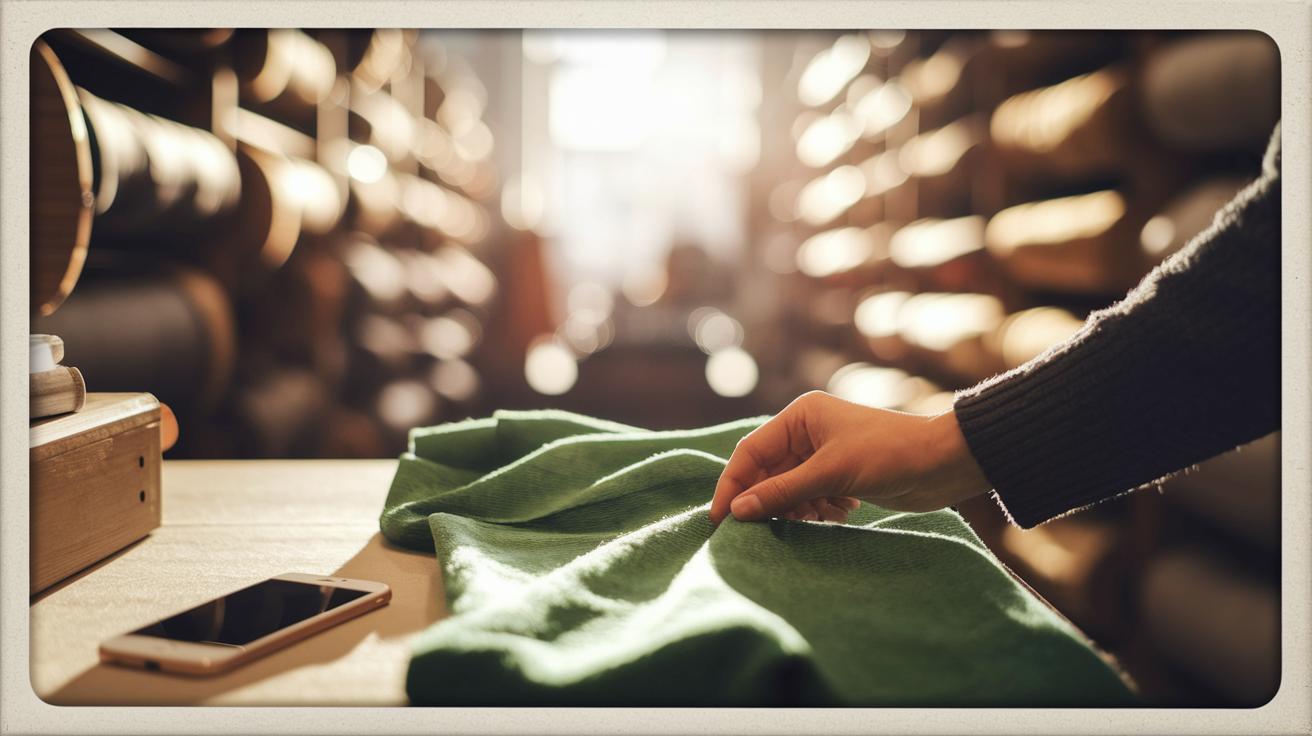
Choosing green fabrics is a smart way to build a wardrobe that cares for our planet. Trendy materials like Recycled WonderTex, Eco Soft Wave, and organic cotton (which first came on the scene in 2020) are changing how we think about dressing sustainably. When you check labels, skip polyester and mixed blends to keep your closet true to renewable trends. Labels show you if a fabric is made with a cleaner process and a healthier impact on the earth.
Every fabric tells its own story. Recycled WonderTex brings new life to old materials and fights waste. Eco Soft Wave gives you a smooth, luxurious feel, perfect for those days when comfort meets style. Organic cotton, grown without any harsh chemicals, offers a gentle touch that benefits both your skin and the environment.
| Fabric | Features | Eco Benefit |
|---|---|---|
| Recycled WonderTex | Durable, repurposed materials | Reduces waste |
| Eco Soft Wave | Smooth texture, renewable | Sustainable manufacturing |
| Organic Cotton | Natural fibers, pesticide-free | Supports eco-friendly farming |
When you shop, take a moment to look at every label. This simple habit leads you to fabrics crafted with renewable practices and cool recycled finds that really protect our world. Each thoughtful choice boosts your style and backs ethical production practices.
Identifying Ethical Brands for a Sustainable Wardrobe
Choosing sustainable fashion isn’t just about picking out beautiful pieces, it’s about caring for the people who make them, too. When you think about it, most clothes are crafted by women (75%, in fact) who often earn far less than they deserve. It’s a real wake-up call that makes you wonder if your favorite brands truly care about fair treatment.
Start by looking for fair trade certifications on the labels. These badges mean the brand has stepped up to strict social and environmental rules. A transparent supply chain, where you can see exactly how and where your clothes are made, is another sign they value every worker. And when a brand proudly shares its commitment to paying a living wage, you know they’re serious about fairness.
It’s a good idea to go a bit deeper too. Check out third-party audits and ask yourself, “Is this brand really committed to doing right by its workers?” Next time you shop, take a quick peek at the product tags or visit the brand’s website to learn about its ethical promises.
| What to Look For | Why It Matters |
|---|---|
| Fair trade certifications | Shows the brand meets strict ethical standards |
| Transparent supply chain info | Helps you see where and how your clothes are made |
| Living-wage commitments | Ensures workers are paid fairly for their efforts |
| Third-party audit results | Offers an unbiased look at the brand’s practices |
Every time you choose a brand after these checks, you’re not just adding a stylish piece to your wardrobe, you’re taking a stand for fair treatment and a better fashion future.
Investing in Durable Pieces for a Sustainable Wardrobe

Pick out pieces that work in lots of ways and can be styled over and over. A well-made blazer is a total game changer. You can wear it with a plain tee for a laid-back feel or throw it over a light dress to add some structure. Ever thought of pairing a sharp blazer with bright, statement sneakers? It turns a classic workwear look into a fun street style vibe.
Don't overlook the magic of repairing your favorites. Imagine your trusty denim jacket looking tired, adding a cool patch or playful embroidery can give it a fresh, unique twist that feels completely you.
Mix textures for an outfit that pops. Try teaming a soft, fine-knit sweater with a rugged leather bag or boots that bring a bit of edge. Picture a cashmere sweater paired with weathered leather boots, it’s a mix that feels as good as it looks.
Choosing items built to last means you get endless ways to express your style while keeping your wardrobe smart and sustainable.
Upcycling, Repair, and Care in a Sustainable Wardrobe
Hey, let’s chat about keeping your wardrobe fresh without breaking the bank, or the planet. Ever thought that a small fix could breathe new life into a worn-out jacket or a favorite top? You know, a quick re-stitch of a loose seam or a neat patch to cover a tiny tear can completely transform your look. It’s like giving your clothes a second chance to shine.
Sometimes, all it takes is a simple tweak, a dart here or a hem adjustment there, to turn an “okay” fit into your new go-to style. And if a repair feels a bit too intimidating, why not think about a quick visit to your local tailor? A little professional touch can turn a near-forgotten piece into one of your pride-and-joy items.
Now, let’s talk about care. Caring for your clothes is like showing them a bit of love. Washing less often helps keep the fabric strong, which means your soft sweaters and crisp jackets stick around longer. Air them out after wearing and store them in a cool, dry spot where they can really breathe. For your fancier items, padded hangers work wonders to keep those shapes flawless.
| Fixing Tips | Description |
|---|---|
| Small tears and loose seams | Sew them up to restore your favorite pieces |
| Fit adjustments | Add darts or take in hems for a custom, chic look |
| Mindful washing and storage | Wash less and air out clothes to help fabrics last |
These little tweaks not only keep your closet stylish but also cut down on waste. It’s a win-win, always feel good knowing your wardrobe is both trendy and kind to the environment.
Embracing Pre-Loved Markets in a Sustainable Wardrobe
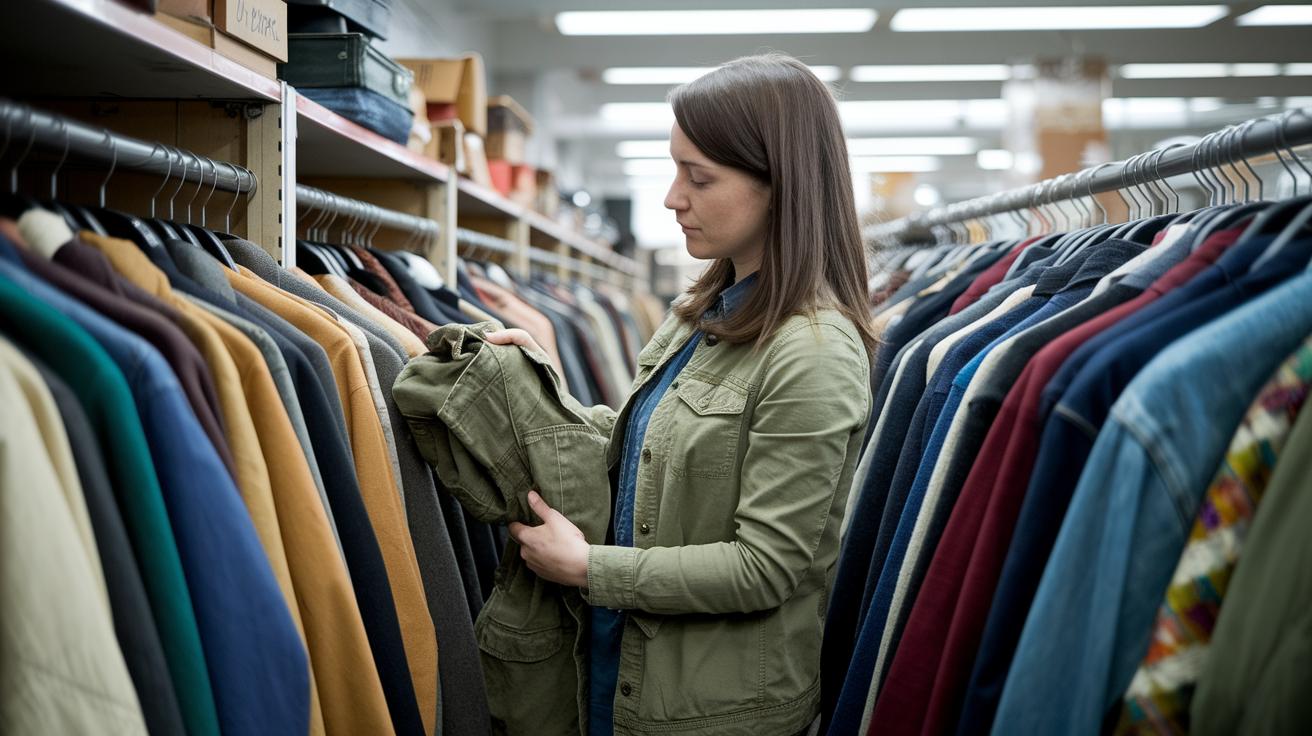
Mixing in pre-loved finds is like stumbling upon hidden treasure while on a style hunt. When you wander through vintage shops, browse pre-loved boutiques, or use swapping apps, you discover unique pieces that add personality to your wardrobe. Plus, keeping clothes in circulation means fewer new garments are made, which helps cut carbon emissions. It’s like giving your closet a stylish nod to Mother Earth.
Here are some down-to-earth tips to boost your eco-friendly wardrobe:
- Check out local vintage markets where quality items have a story to tell.
- Visit pre-loved boutiques or try swapping apps to find pieces with a history and charm.
- Consider selling clothes that no longer fit your vibe on trustworthy platforms, keeping the cycle of reuse going.
By choosing pre-loved style, you’re not just refreshing your look, it’s also a smart, sustainable choice. Each piece tells a unique story, and your wardrobe becomes a mix of chic history and modern flair. Ever notice how a special outfit can make you feel connected to both the past and the future? Give these ideas a try and let your closet become an eco-friendly showcase that’s as kind to the planet as it is trendy.
Planning a Capsule Sustainable Wardrobe
Creating a capsule wardrobe isn't just about looking cool, it’s a mindful way to live. Start by digging into what you already have. Take a moment to jot down every piece, marking the ones you love and the ones that just gather dust. This little check-in helps you see what truly counts and where you might need a few fresh, versatile items.
Then, play around with mix-and-match ideas. Think of your closet like a set of timeless pieces that work for every season and mood. For instance, why not plan to switch out your summer shoes in early spring? That way, you're never rushing to buy something in a hurry. It’s like giving your closet a mini makeover each season, simple but super effective.
Here’s a quick guide to get you started:
| Step | What to Do |
|---|---|
| 1 | Go through your closet and pick out classic, reliable pieces. |
| 2 | List out what you have and spot the missing essentials. |
| 3 | Organize your items by season and style. |
This thoughtful planning makes every item work hard for you. By curating your wardrobe with intention, you end up with a neat, easy-to-use collection that makes picking an outfit a breeze, and it keeps your style totally unique.
Plan smart, live chic.
Final Words
In the action of crafting a thoughtful wardrobe, you’ve seen smart steps like auditing your closet, scouting pre-loved finds, and choosing etch durations for repairs. Each tip works with practical care, from eco-friendly fabrics to the ethics behind brands.
This guide has shown clear ways for fashion lovers to build collections that last. Blend quality and style while knowing how to build a sustainable wardrobe. Here’s to making choices that feel right, on your terms and full of positive energy!
FAQ
How to build a sustainable wardrobe for beginners?
Building a sustainable wardrobe for beginners involves knowing your style, reviewing your current items, shopping pre-loved pieces, checking labels for eco-friendly fabrics, and investing in quality pieces that last.
How can students adapt sustainable fashion practices?
Students can adapt sustainable fashion by exploring pre-loved markets, buying affordable eco-friendly pieces, and refining their style with intentional choices that reduce fast fashion waste.
What are examples of sustainable fashion brands and practices?
Sustainable fashion examples include brands that use natural or recycled fabrics, commit to fair production methods, and support ethical labor standards to lower fashion’s environmental impact.
How do I start a sustainable clothing brand?
Starting a sustainable clothing brand involves sourcing eco-friendly fabrics, working with responsible manufacturers, maintaining transparent production processes, and ensuring fair practices throughout the supply chain.
What is the 3-3-3 rule for wardrobe?
The 3-3-3 rule means having three outfits, three pairs of shoes, and three outer layers; this guideline simplifies your choices and guides you toward a smarter, sustainable wardrobe.
What is the 70/30 wardrobe rule about reducing fast fashion waste?
The 70/30 wardrobe rule designates 70 percent of your items as durable staples and 30 percent as trend pieces, emphasizing quality over quantity and helping you reduce unnecessary waste.
How does the 80/20 rule for wardrobe work?
The 80/20 rule suggests that 80 percent of your clothes are everyday basics and 20 percent are statement pieces, promoting a balanced, mindful approach to sustainable style.
How can I build an eco-friendly wardrobe?
Building an eco-friendly wardrobe means choosing garments made from renewable or recycled materials, caring for them with simple repairs, and incorporating pre-loved items to extend their life.
What distinguishes sustainable, fast, and slow fashion?
Sustainable fashion focuses on ethical production and eco-friendly materials; fast fashion emphasizes low-cost, trendy items; while slow fashion values quality, durability, and thoughtful design.
How do items like a dress, t-shirt, and handbag fit into sustainable fashion?
Items like a dress, t-shirt, or handbag contribute to sustainable fashion when they’re made with eco-friendly materials, designed to last, and cared for properly, making everyday style both chic and responsible.