
Have you ever thought your wardrobe could help tackle climate change? The fashion world is actually behind about 10% of our greenhouse gases and puts plastic fibers into our oceans.
Sustainable fashion offers a fresh solution by using recycled or natural fibers, materials that cut waste and save water. This isn’t just a cool trend; it’s a needed change in how we create and wear our clothes.
Imagine feeling good about your style while helping both the planet and the people who craft each piece. Let’s dive into how eco-friendly fabrics are sparking real change.
Environmental impact of sustainable fashion Inspires Change
Did you know the fashion industry pumps out about 10% of the world's greenhouse gases? That's even more than all the planes and ships combined. It’s a clear call to swap old habits for a more thoughtful approach.
Fast fashion guzzles resources and leaves behind quite a mess, 35% of tiny plastic fibers in our oceans and 20% of polluted water from factories. Switching to materials like recycled polyester or natural fibers such as hemp can really make a difference. Not only does it shrink microplastic pollution, but it also lessens the carbon footprint of production.
Sustainable practices mean smarter energy use and better ways to save resources. For example, low-impact dye methods can cut water use in half per garment and reduce harmful chemicals. Changing up supply chain logistics supports the slow fashion trend, which values quality and responsible consumption over mass production. This way, we cut down waste and favor materials that are easier to recycle or fix.
| Indicator | Conventional Fashion | Sustainable Fashion |
|---|---|---|
| GHG Emissions | High (approx. 10% global emissions) | Lower with natural and recycled fibers |
| Plastic Microfibers | 35% in oceans | Reduced through eco-friendly materials |
| Water Pollution | 20% industrial contribution | Minimized with low-impact processes |
Fast fashion alternatives are leading with waste-cutting strategies and fair labor practices. This fresh approach not only protects our environment but also uplifts the communities behind your favorite threads.
Sustainable Fashion Materials: Reducing Water and Chemical Use
Water Conservation
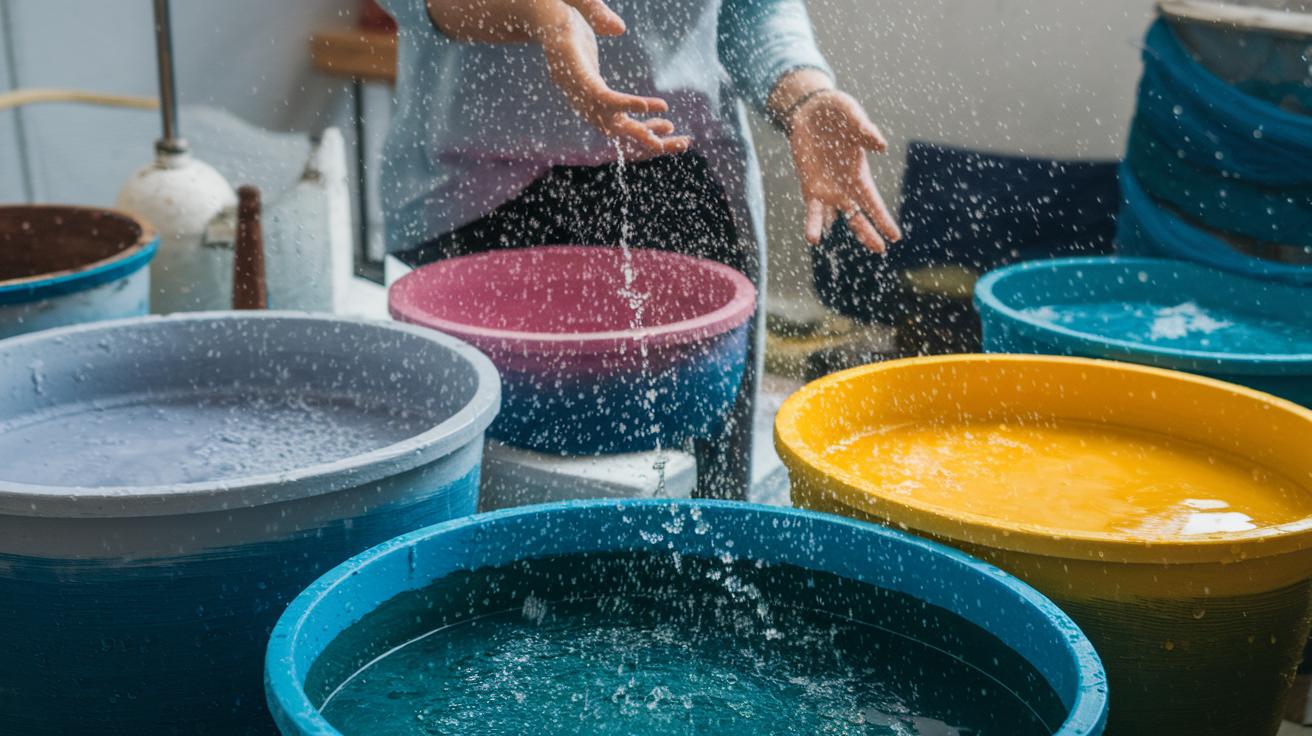
Did you know a normal pair of jeans can use about 10,000 liters of water? Thankfully, eco-friendly fibers like organic cotton, recycled polyester, hemp, and bamboo sip water instead of guzzling it. And with new dye and wash methods, designers can cut water use by half. Engineers even discovered that a redesigned dyeing process slashed water use by 50%, turning wasteful methods into smart, water-saving techniques.
Chemical Reduction
Sustainable materials aren’t just good for saving water, they also reduce chemical waste. With new low-impact methods, fewer chemicals are used during production, making the process cleaner and safer for our planet.
Biodegradable Innovation
Biodegradable textiles break down naturally, which means they help cut long-term pollution while giving old fibers a stylish new life. For example, a recently developed biodegradable fiber met modern style standards while drastically reducing pollution. It’s a win for fashion and the environment.
- Eco-friendly fibers like organic cotton, recycled polyester, hemp, and bamboo save water.
- Low-impact dyeing and washing techniques cut down water and chemical use.
- Biodegradable textiles and regenerated fibers help reduce pollution over time.
Sustainable Fashion Manufacturing: Green Production Processes
Factories switching to renewable energy and using efficient equipment are chopping their carbon output by 20-30%. It’s like putting solar panels on your home, small choices that add up to a greener footprint. Many factories now use closed-loop water systems and smart machines that save water, cutting down both waste and fresh water use.
New technologies like digital printing and enzyme dyes are changing the game. Think of digital printing as a precise tool, a bit like a chef measuring just the right pinch of spice, to lower energy use and reduce chemicals. It’s a modern twist that makes production leaner and cleaner.
Transparent supply chains are also key. Companies are not only getting the best use of resources but are making sure workers get fair wages. This approach supports the slow fashion movement, where quality matters more than quantity, and makes the whole process more ethical.
- Factories using renewable energy can drop emissions by up to 30%.
- Closed-loop water systems help save water by cutting waste.
- Digital printing and enzyme dyes lower both energy use and harmful chemicals.
- Fair labor practices and clear supply chains enhance ethical production.
Advanced manufacturing, eco-friendly materials, and fair supply practices are lighting the way toward a cleaner, stylish future in fashion.
Circular Economy and Zero-Waste in Sustainable Fashion
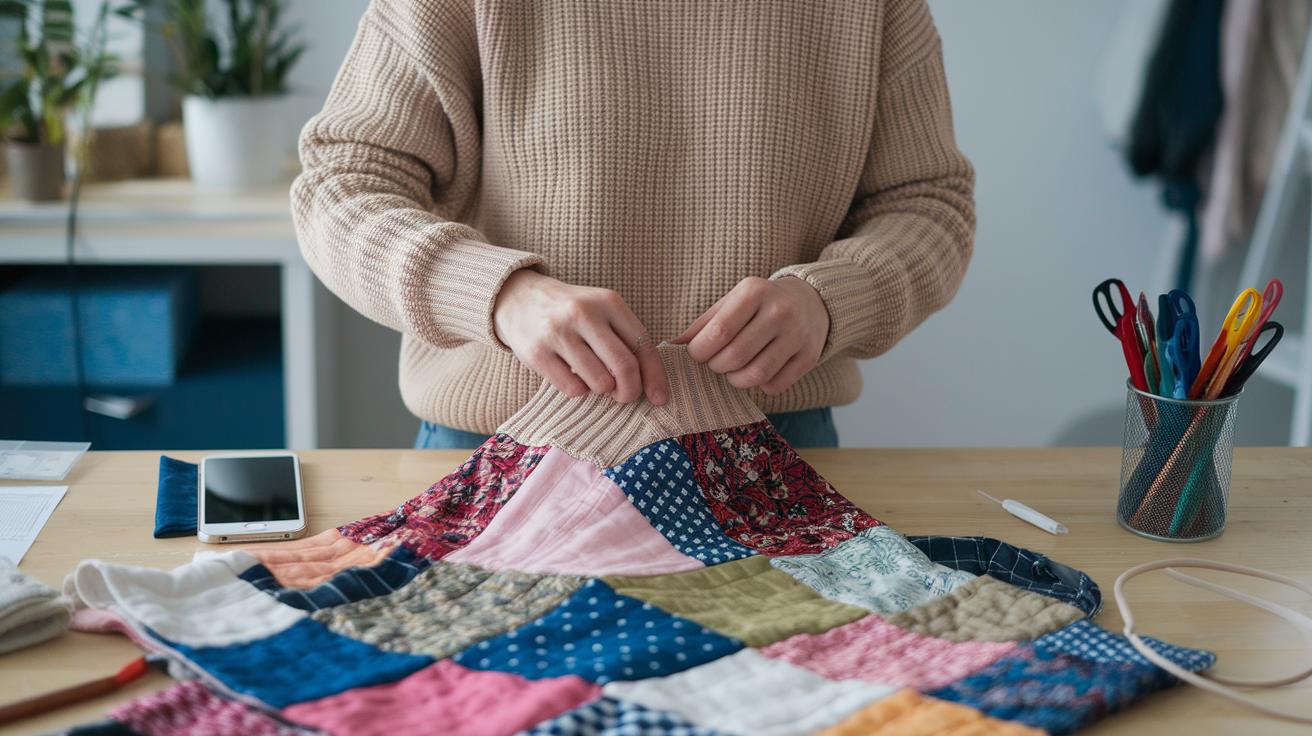
Circular economy practices are totally changing how we handle fabrics and waste. Did you know that only a tiny bit, less than 1%, of textiles gets recycled? So, brands are now designing clothes that can be easily fixed or reused. They even plan every cut like a fun puzzle to make sure no fabric goes to waste.
Upcycling and fiber-to-fiber recycling aren’t just trendy words. Imagine taking an old sweater and transforming it into something fresh and chic. This approach not only keeps trash out of landfills but also supports slow fashion, a space where every piece is made to last.
Then there’s the smart side of circular supply chains. These systems let you return your old clothes so they can be recycled and reborn. It’s all about fixing, reusing, and keeping materials in the loop.
- Less than 1% of textiles are recycled, sparking new ways to recycle fabrics
- Zero-waste pattern cutting slices off waste from the start
- Upcycling turns outdated pieces into modern looks
- Circular supply chains make it easy to send back garments for recycling
Sustainability Metrics, Regulations, and Lifecycle Assessment in Fashion
Measuring sustainable fashion is a lot like trying on a chic outfit to see if it fits just right. The EU’s 2022 Strategy for Sustainable and Circular Textiles has set clear rules that nudge brands toward eco-friendly practices from the very beginning to the final stitch. Lifecycle assessments, which check everything from raw material sourcing to production, washing, and even your garment’s end-of-life, reveal honest details about greenhouse gas emissions, water use, and how often materials get reused. This hands-on process builds the backbone of sustainability in fashion, helping cut down carbon footprints and push for renewable energy choices.
Clear guidelines and certifications, like Fair Trade standards, support these checks and make sure production stays on track. Brands lean on this data to fine-tune their supply chains and craft greener manufacturing methods that vibe with slow fashion and waste reduction trends. Plus, key performance indicators show designers exactly where to improve, ensuring every move, from picking the fabric to finishing the piece, meets strict environmental rules.
- Lifecycle assessments track resource use and emissions.
- KPIs measure water footprints, greenhouse gases, and recycling rates.
- Regulatory policies pressure companies to stick to sustainable practices.
Consumer Trends and Behavioral Shifts in Sustainable Fashion

Have you noticed how people are really waking up to the impact of their clothing? More shoppers are choosing eco-friendly styles made from natural fibers like organic cotton and hemp. They love that these choices cut down on chemicals and help reduce waste.
The slow fashion trend is catching on too. Folks now prefer classic, long-lasting pieces over trendy items that fade away quickly. One customer even said, "Switching to eco-friendly styles made me realize how my clothing choices can actually make a change." This kind of thinking is encouraging brands to be open about their processes, using clear labels and setting up clothing take-back programs so you can see exactly where and how your clothes are made.
Retailers are keeping it simple by showing clear sustainability claims and using minimal packaging. Transparent supply chains let us trust that fair labor practices are in play. And when it comes to our own style, many people are choosing quality over quantity.
All in all, consumers are looking at the true impact of their shopping. This shift is sparking new ideas in sustainable retail, proving that fashion can be stylish and kind to our planet at the same time.
Innovations Shaping the Future Environmental Impact of Sustainable Fashion
Digital-print tech is like a magic tool in a designer’s workshop, it cuts down on fabric waste and saves energy without fuss. With zero-waste methods, every snip matters, meaning barely any scraps are left behind. It’s a fresh way to rethink how clothes are made, with less waste and more style.
Then there’s regenerative farming teamed up with bio-based dyes. Instead of harsh chemicals, natural colors are born right from the earth, helping the soil breathe easier. Imagine swapping the rough stuff for a gentler, earth-friendly process that brings out soft, natural hues.
ClimateSeed is stepping in like a smart guide for brands. It tracks greenhouse gases and sets clear targets so companies know just how much they’re cutting down on carbon. Plus, cutting-edge tools like blockchain and IoT make sure every step, from raw fiber to the finished garment, is monitored and transparent.
- Digital-print tech saves energy and reduces fabric waste.
- Regenerative farming with natural dyes ditches harmful chemicals.
- Blockchain and IoT keep the whole supply chain honest and clear.
Final Words
In the action, we’ve uncovered how sustainable practices are reshaping fashion. We broke down water-saving, low-chemical processes and cleaner production methods. Small tweaks in material choices, smarter label information, and improved recycling methods all point to measurable benefits. The discussion shows the clear environmental impact of sustainable fashion through reduced pollution and smart resource use. These insights inspire us to rethink our style and invest in choices that brighten both our wardrobes and our future.
FAQ
Q: What are the environmental effects of sustainable and fast fashion?
A: The environmental effects of sustainable and fast fashion include high resource use, water pollution, and plastic microfiber waste. Sustainable methods lower these impacts with eco-friendly materials and greener production practices, while fast fashion tends to increase them.
Q: Why is sustainable fashion important and good for the environment?
A: Sustainable fashion is important because it cuts down on waste and pollution while promoting the use of renewable or recycled materials. It supports production practices that help lower harmful emissions and water use.
Q: What social impacts arise from fast fashion and what challenges exist for sustainability?
A: The social impacts of fast fashion include worker exploitation and disposable clothing culture. Sustainability efforts sometimes face issues with cost and scalability, yet improvements in ethical labor practices and green production are making progress.
Q: What are some examples of sustainable fashion and how do they work?
A: Examples of sustainable fashion include collections made from organic cotton, recycled polyester, and upcycled materials. These practices reduce toxic chemicals, minimize water use, and cut down on the volume of discarded textiles.
Q: What are the three R’s of sustainable fashion?
A: The three R’s in sustainable fashion refer to reduce, reuse, and recycle. They point to practices that lower consumption, repurpose existing garments, and recycle materials to cut waste and conserve resources.
Q: How do fast fashion, sustainable fashion, and slow fashion differ?
A: Fast fashion offers quickly made, disposable trends that use high resources. Sustainable fashion reduces environmental harm through better materials and practices, while slow fashion focuses on quality and longevity with mindful design.
Q: How can common items like dresses, jeans, and T-shirts be sustainable?
A: Common items such as dresses, jeans, and T-shirts become sustainable when made with eco-friendly materials and stick to production methods that lower water use, limit chemical waste, and reduce overall environmental impact.
Q: What insights does a Sustainability in Fashion Industry PDF offer?
A: A Sustainability in Fashion Industry PDF explains green production practices, consumer trends, and regulatory measures, highlighting how companies are lowering waste and pollution while improving material and labor practices.