
Ever wonder if fashion could help save our planet? It might sound too good to be true, but eco trends are changing the way we make and wear clothes.
Picture your favorite tee made from recycled fabric, soft to the touch and crafted with care using fair methods. Designers are proving that style doesn’t have to hurt the Earth.
Next, we’ll share how choosing green options can turn the fashion world into a cleaner, brighter place. Cool, right?
Sustainable Integration in the Fashion Industry
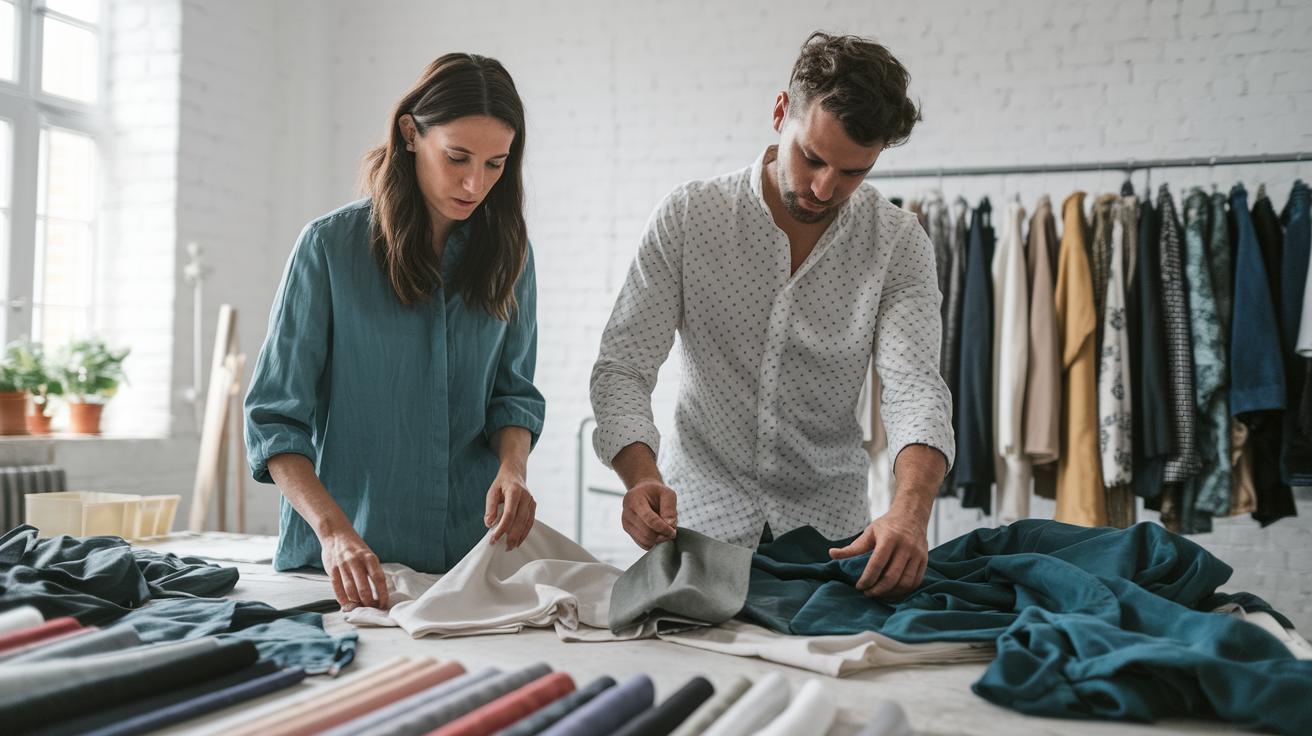
Sustainable integration in fashion is all about weaving eco-awareness into every little detail. It means choosing fabrics that are kind to our planet, using smart production methods, and treating everyone fairly. Ever think about how traditional materials once made a huge environmental impact? That’s why eco-friendly practices changed the game, showing us new ways to source our fabrics.
The fashion world can really affect our Earth, it’s been linked to nearly 10% of global carbon emissions and 20% of industrial water pollution. These numbers remind us why going green is so important. By switching to renewable materials and cleaner production techniques, brands can cut waste, lower costs, and even speed up production, all while taking better care of our environment.
This shift stands on four key ideas: materials, production, labor, and circularity. Materials include organic and recycled fabrics that are easier on nature. Production means using processes that leave a lighter footprint. Labor focuses on keeping work fair and safe. And circularity is all about giving clothes a longer life through upcycling and recycling.
Ethical Labor and Transparent Supply Chains in Fashion

Big fashion brands are stepping up their game by ditching old practices that often ignored worker needs and kept supply chains hidden. For years, many workers in underregulated countries faced long hours and low wages, and it’s a situation that has everyone talking. Many suppliers just haven’t been open about how they track working hours or pay fair wages. So, more companies are now using production transparency reports that check factory audits and social compliance, making sure things are fair every step of the way.
At the heart of these improvements is a commitment to ethical sourcing. This means brands now focus on:
- Third-party factory audits
- Living wage commitments
- Worker health and safety standards
- Traceability systems
- Community engagement initiatives
- Anti-forced labor policies
With these robust measures, companies are making every part of their production process visible and accountable. By tracking each step closely and holding regular audits, they ensure workers operate in safe settings and earn fair wages. Connecting with local communities and sticking to strict ethical protocols, the fashion world is paving the way for supply chains that are both transparent and fair, setting a fresh benchmark for the future of apparel production.
Eco-Friendly Textiles and Material Innovations in the Fashion Industry

Sustainable fashion is all about choosing materials that not only look great but also care for the planet. Designers are now turning to nature-inspired fibers and recycled materials to set exciting new trends in clothing. It’s like giving style a green twist, each piece feels as good to wear as it is for the Earth.
Organic Cotton
Organic cotton is a win for both the skin and the soil. It grows without harsh chemicals, keeping the earth happy and our bodies safe. Imagine a fabric so soft, it feels like a gentle hug from nature itself. And because it meets rigorous standards, you know it’s truly eco-friendly.
Hemp Fabric
Hemp fabric is rugged yet refined. It’s naturally durable and requires very little water or pesticides during growth, making it a smart choice for everyday wear. Think of it as a fabric that’s built to last, with a natural texture that feels fresh no matter how busy your day gets.
Tencel & Bamboo
Tencel and bamboo are like the modern remix of nature’s best. They’re made using a closed-loop process that recycles water and solvents, leaving very little waste behind. These fibers have a silky, smooth drape that’s perfect for designs needing a delicate yet durable touch. They take the best of nature and turn it into chic, responsible fashion.
Recycled Polyester
Recycled polyester takes old plastics and transforms them into stylish fibers, turning waste into wearable art. This material feels comfortable and tough, proving you don’t have to sacrifice style to be kind to the environment. Picture a world where discarded items get a second life as vibrant, long-lasting garments.
In truth, blending these eco-friendly materials into fashion brings a fresh, creative energy to our wardrobes. They combine performance and responsible production in every thread, making our look not just about style, but about caring for the planet at every step.
Green Manufacturing and Low-Waste Production Methods

Zero-waste cutting and pattern design are changing the game in eco-friendly fashion. Manufacturers are now rethinking their methods so every scrap of fabric finds a purpose. Imagine putting together a puzzle where every tiny piece counts. It’s a creative twist that saves materials and sparks fresh design ideas.
Water conservation is making waves in dyeing and finishing, too. Brands are shifting to water-saving dye processes that use much less water than old methods. Picture a dye bath that recycles its water instead of drawing constantly from fresh supplies. This smart change not only protects water resources but also keeps production running smoothly while lowering costs.
Energy-efficient practices and cutting back on chemicals complete the green makeover. Modern machines now sip energy rather than guzzling it, and factories are using fewer harsh chemicals in production. Fewer chemicals mean a smaller environmental impact and a safer workplace. It’s like switching to a cleaner, lighter way to make stylish clothes.
Circular Economy and Upcycling Trends in the Fashion Industry

The circular economy is totally changing the way we view clothes by giving them a fresh start. Instead of tossing out old garments, designers now see the beauty in reusing and repurposing fabrics, turning yesterday's waste into stylish, long-lasting pieces. It's like finding hidden treasures in your closet, old materials are getting a makeover and stepping back onto the runway.
Look at the table below to see how different techniques are making a real difference:
| Technique | Impact | Waste Reduction Potential |
|---|---|---|
| Upcycled Denim Collections | Diverts textile waste | 30–40% |
| Fiber-to-Fiber Recycling | Closes loop on old garments | 50–60% |
| On-Demand Digital Printing | Minimal overproduction | 25–35% |
| Rental & Resale Platforms | Extends garment lifecycles | Varies |
These fresh ideas spotlight how the fashion world is reinventing itself. By turning textile waste into chic fashion statements, closing loops on old garments, and keeping production lean, the industry is proving that style can be sustainable. And with rental and resale platforms giving clothes a new lease on life, it's clear that eco-friendly practices and on-trend design can go hand in hand. Pretty cool, right?
Case Studies of Sustainable Fashion Industry Leaders

Sustainable fashion comes alive when brands put ethics and fresh ideas first. It’s inspiring to see companies changing old habits to cut down on environmental harm, be clear about how things are made, and care for workers. They show off cool projects like ethical designs, fair pricing, and helpful tips for shoppers. It’s like getting a peek behind the scenes of how style can be both trendy and kind to our world.
L’Envers
L’Envers is a standout. They decided to step away from fast-fashion mess and chase a dream of sustainable, fair practices. Their mohair sweaters and classic cardigans are made with care for both people and the planet. Prices range around €300 in Europe and about $360 in Asia, with free shipping on orders over €300. Plus, each piece tells its own story through artisan insights and care guides that let you know how to keep them looking their best. It makes you feel good knowing you’re choosing style that’s both beautiful and responsible. Check out their sustainable fashion at https://fullswag.com?p=420.
Recovo
Recovo takes things in another exciting direction by embracing the circular economy. They turn what would be waste into new, unique pieces. This upcycling method not only cuts down on textile waste but also saves our resources. They keep a sharp eye on waste-reduction and use smart recycling tricks to give materials a longer life. Recovo shows us that a circular approach can remake the whole fashion process and still keep things fresh and stylish.
Both of these brands prove that blending ethical design with smart, circular practices is the future of fashion. Their journeys remind us that caring for the planet and being open about production can push style into a kinder, more inspiring future.
Future Outlook and Challenges in the Sustainable Fashion Industry
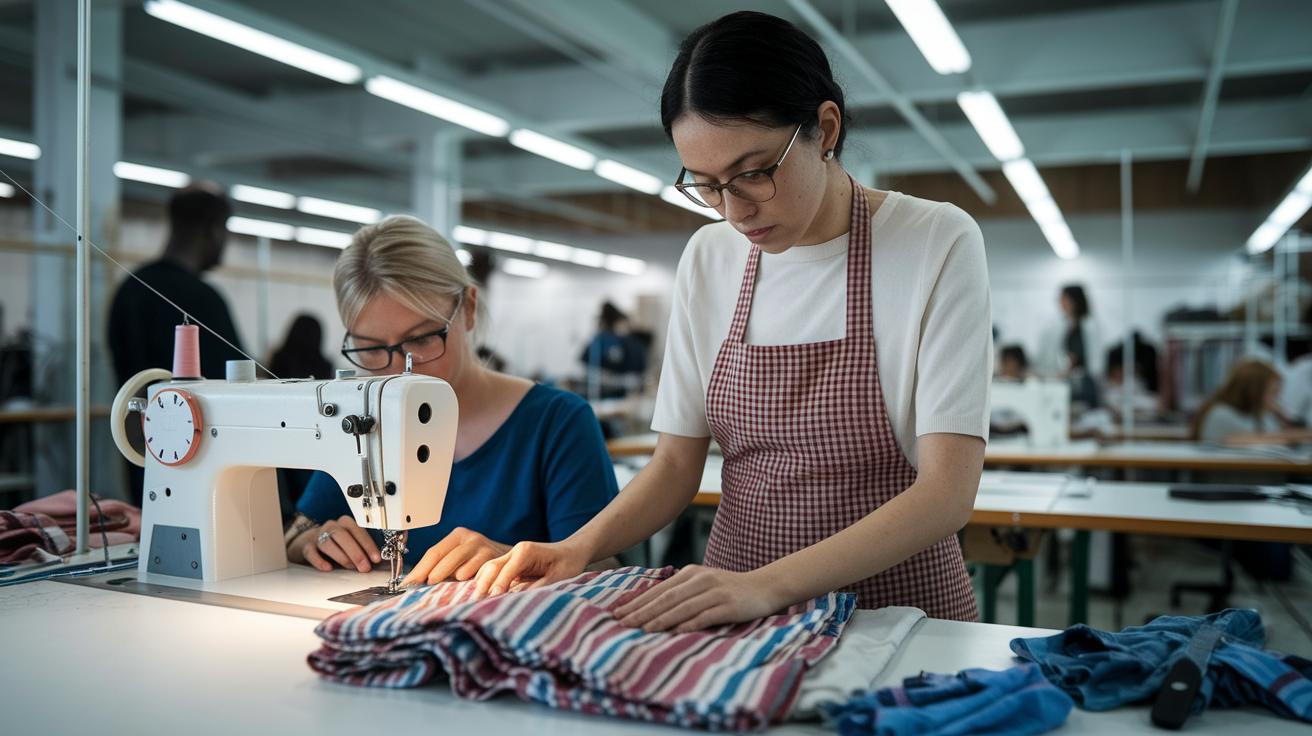
One of the biggest hurdles in pushing for green fashion is the high cost at the start, tricky logistics, and the need to train workers. Many brands feel the pinch when they invest in eco-friendly methods, and switching from tried-and-true techniques can seem really overwhelming. With limited funds and the challenge of retooling old systems, the shift toward sustainability has been slower in some parts of the fashion world. Even though there are promising green advances, many companies are still hesitant to take that bold step.
At the same time, more shoppers are getting eco-aware, which has sparked fresh ideas in design and stronger calls for green practices. Designers and makers are trying out simple ways to cut waste and simplify production. Training programs and educational efforts are also helping teams build the skills they need. As more people ask for clothes that care for the planet, the opportunities for eco-friendly design are growing fast, paving the way for a truly sustainable and forward-thinking fashion industry.
Final Words
In the action, we explored a range of topics, from eco-friendly textiles to green manufacturing methods and circular trends in style. We unpacked key environmental impacts and ethical practices that shape modern production, giving a clear snapshot of today's smart fashion moves.
Our review shows how a fashion industry sustainable approach transforms production and style every day. With fresh insights and practical tips, every step taken toward green practices makes your style choices even more inspiring. Enjoy embracing the positive change!
FAQ
How can I access sustainability in fashion industry PDFs?
The sustainability in fashion industry PDFs provide clear insights into eco-friendly practices and key statistics that explain how clothing is produced responsibly, offering ready-to-use guidance for professionals and fashion enthusiasts.
What are some sustainable fashion examples and brands?
The sustainable fashion examples and brands showcase eco-friendly materials and responsible methods. They highlight garments made with reduced waste and natural fibers, so consumers can choose style that cares for the planet.
What do fashion industry sustainable statistics show?
The fashion industry sustainable statistics show numbers on water pollution and carbon emissions, revealing the environmental challenges and strides being made in eco-friendly design and production methods across the industry.
Why is sustainable fashion important?
The importance of sustainable fashion is rooted in its ability to lower water use, cut carbon emissions, and reduce waste, making it a key factor for consumers who want style that supports a healthier environment.
What are the common fashion industry pollution statistics?
The fashion industry pollution statistics highlight high levels of chemical runoff and greenhouse gas emissions, emphasizing the need for production methods that reduce environmental harm and embrace cleaner, safer practices.
Why is the fashion industry considered unsustainable?
The fashion industry is considered unsustainable because it relies heavily on intensive resource use, creating large amounts of waste and pollution, which stresses natural systems and calls for more eco-friendly alternatives.
What are the R’s of sustainable fashion?
The R’s of sustainable fashion—reduce, reuse, and recycle—serve as quick guidelines that help brands lower waste and minimize environmental impact, with some also including rethink to encourage smarter production choices.
What is the biggest problem in the fashion industry?
The biggest problem in the fashion industry is its environmental impact, marked by high pollution and waste. This challenge drives the need for responsible production methods that lessen harm and improve resource efficiency.
How do fast fashion, sustainable fashion, and slow fashion differ?
The terms fast fashion, sustainable fashion, and slow fashion differ in pace and impact; fast fashion is quick and trend-driven, sustainable fashion focuses on eco-friendly processes, and slow fashion values thoughtful, quality production.