
Ever thought your outfit could speak volumes? Sustainable fashion houses are proof that style and care can go hand in hand.
They mix ethical practices with cool, modern designs. Each piece, made from organic or recycled materials, shouts out a simple truth: mindful creation is seriously chic.
These brands are flipping the script by choosing care over speed and a thoughtful process over waste. This post shows you how everyday outfits can become a bold statement for our planet.
Sustainable Fashion Houses Radiate Mindful Chic
Sustainable fashion houses are totally changing the game by mixing ethical practices with fresh, modern design. They work with organic, recycled, and ethical materials so each piece not only looks stylish but also respects our planet. For instance, once brands moved from focusing only on luxury to embracing eco-friendly methods, it changed everything. They handle the whole process, from picking the fabric to getting the finished garment out, so every step leaves a lighter footprint and treats people fairly.
Today, more and more people are choosing sustainable fashion, even if it means spending a bit more. It’s all about valuing the care put into every stitch rather than just following fast, disposable trends. Slow fashion reminds us that thoughtful, careful production is so much better than quick fixes. Designers are now mixing long-lasting style with a fresh, modern look, making it easier to dress responsibly and look amazing.
Even the big luxury labels are feeling the push to update their methods. They’re rethinking how they make their collections and are starting to embrace greener practices. This shift shows that style doesn’t have to come at the cost of the environment. Shoppers are now savvy, digging deeper into the story behind each garment and supporting brands that care about a better future for everyone. It's a trend that proves mindful creation isn’t just a buzzword, it’s the future of fashion.
Materials and Waste–Conscious Production in Sustainable Fashion Houses
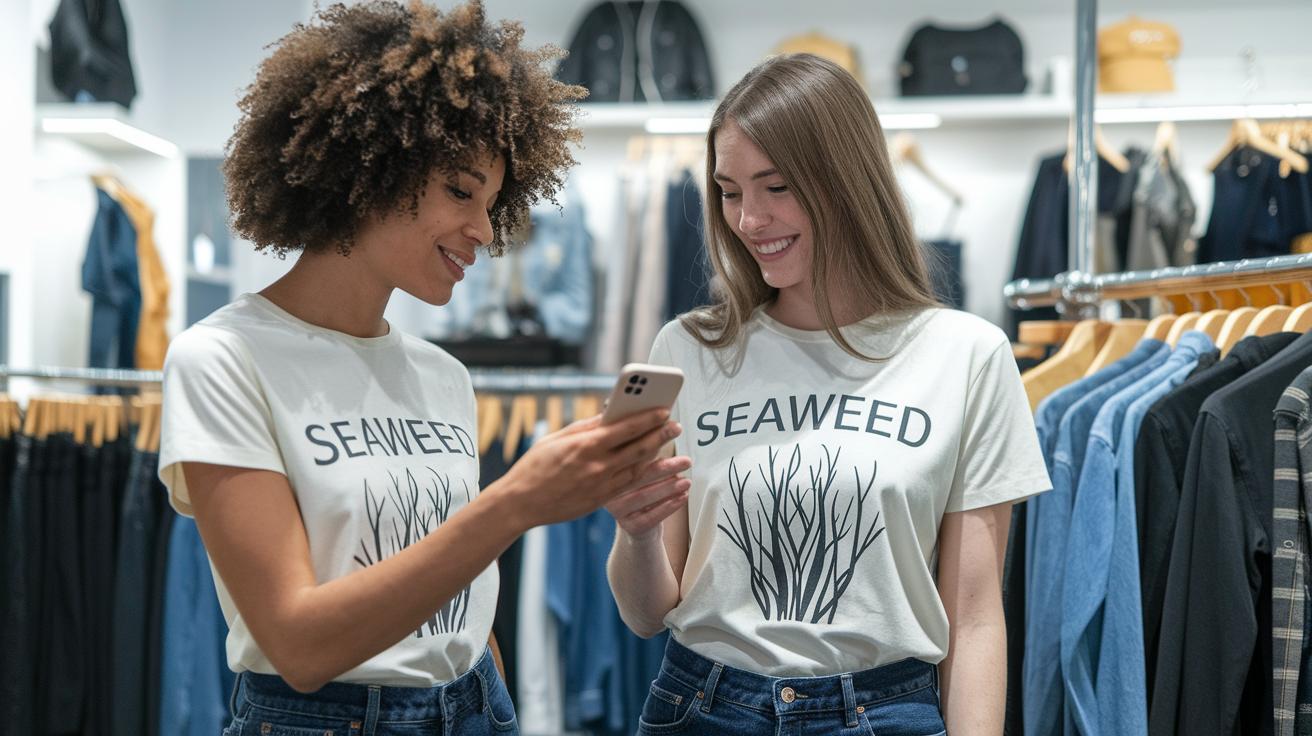
Sustainable brands are stepping into the spotlight with fresh ideas and materials that care for our planet. They’re using organic cotton, plant-based fibers, and even seaweed-based threads, yes, seaweed! Take PANGAIA, for example. They turn seaweed into a soft, breathable fabric that feels just as cool as an ocean breeze on a sunny day. It’s all about low-impact choices that lighten our environmental footprint.
Then there’s the magic of recycled fibers. Imagine giving vintage denim a makeover. Re/Done takes old jeans and transforms them into modern pieces, sometimes even offering free repairs to keep your favorite pair going strong. It’s like your once-loved jeans get a second wind, fresh, stylish, and kind to the planet.
And some brands go all-in with a circular economy. Maggie Marilyn, for instance, uses clear supply chains and methods that loop materials back into production. Nothing is wasted. This approach shows how fashion can be both chic and responsibly made, turning everyday wardrobe choices into a smart style statement.
Ethical Labor Standards and Transparent Supply Chains in Sustainable Fashion Houses
In sustainable fashion, doing things right, like treating workers fairly and paying good wages, is a serious promise, not just a trendy phrase. Take Dai, for example. This B Corp-certified brand (which means they meet strict social and environmental standards) makes sure living wages are a top focus and checks every step of their process. And then there’s Eileen Fisher, well-known for keeping their supply chain open. They use non-toxic dyes to protect both the workers and our planet, proving that style can be kind and responsible.
Acne Studios joins this movement too, openly sharing details about factory conditions and setting clear sustainability goals. Their transparent approach, backed by regular audits and independent reviews, shows a real dedication to ethical work practices. Every garment’s journey is carefully tracked with fairness in mind. When you pick a piece from these brands, you know that workers' rights, fair pay, and proper production methods are always part of the picture. It’s like choosing a fabric that feels just right, simple, honest, and full of care for people and the planet.
Profiles of Top Sustainable Fashion Houses and Their Eco–Luxury Values
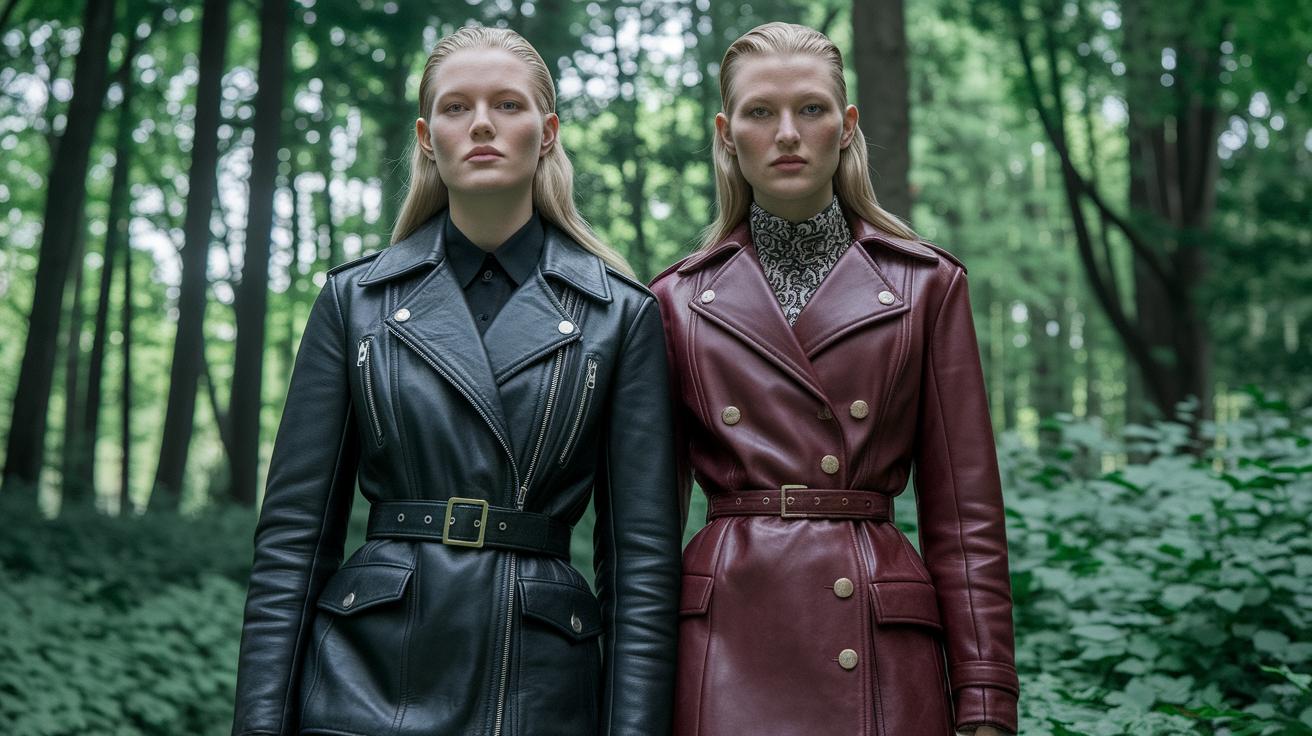
Stella McCartney mixes bold style with a loving nod to nature. Her line features vegan leather and smart eco-friendly techniques that protect our environment while looking effortlessly chic. Wearing her pieces feels like stepping into a story of care and creativity, where every design reassures you that style can be kind to the planet.
Vivienne Westwood brings a daring touch to the scene with ideas that consider every part of a garment's life. She weaves in environmental stories that make you think about the impact of your clothes from day one to last wear. Her work sparks real conversation, reminding us that fashion can be as adventurous as it is thoughtful.
The Social Outfit works side by side with local artisans to craft designs that pop. This creative collab not only gives you eye-catching pieces but also strengthens communities by sharing unique skills and keeping traditional crafts alive. Each outfit acts like a little ambassador for ethical design and community spirit.
Rare & Fair gets noted for its hand-woven silk that’s backed by fair trade standards. Their transparent production methods let you feel great knowing that every luxurious piece is steeped in fair practices and sustainable sourcing. Every fabric turns into a true symbol of ethical commitment.
Reformation has made a name for itself by tracking the carbon footprint of every garment. They mix clever tech with innovative design, ensuring that every piece you wear mirrors a mindful approach to fashion and the environment. Collectively, these brands show us that eco–luxury can be just as runway-ready as it is kind to the earth.
| Brand | Eco–Luxury Focus |
|---|---|
| Stella McCartney | Ecosystem protection & vegan materials |
| Vivienne Westwood | Environmental campaigns |
| The Social Outfit | Local artisan collaboration |
| Rare & Fair | Fair trade certified silk |
| Reformation | Carbon footprint tracking |
Emerging Trends Driving Sustainable Fashion Houses Forward
Luxury brands are embracing fresh, eco-friendly ideas that are totally changing how they make clothes. They’re trying new methods to source, use, and even renew materials. Imagine a soft, cozy wool that not only keeps you stylish but also helps our planet by restoring nature, cool, right?
Next up, creative teamwork and smart tech are taking center stage in eco production. Digital platforms now help check each garment’s history, making sure it’s truly one-of-a-kind and sustainable. And then there are breakthroughs in creating tough, earth-friendly fabrics. Ever heard of Re/Done’s repair model? It’s all about giving clothes a second life, which means less waste and loads of style.
Circular economy ideas are at the heart of these cool changes too. By reusing and reimagining materials, brands are proving that being green can be super chic. Technology and eco trends are teaming up to produce fabrics that not only look great but also work hard for our planet.
And there’s more, regenerative fabric tech is shaking up traditional production methods. This mix of high-tech innovation and a collaborative spirit gives us a glimpse of a future where every piece of clothing tells a story of care, resilience, and smart style.
How Consumers Can Support and Engage with Sustainable Fashion Houses

Take a closer look at each brand’s backstory. When you shop, check if the brand shares details about its fabrics and how their pieces are made. Ask yourself, "Who made this?" or "How was it crafted?" This helps you see if the price truly reflects both top-notch style and ethical practices.
Next, lean towards brands that are clear about their practices. Look for labels that share honest policies, certifications, and details like non-toxic dyes or renewable materials. And if you can, try repair or rental programs to extend the life of your favorite pieces.
Remember, spending more doesn’t always mean you’re backing true ethical fashion. Sometimes, simply choosing high-quality items over flashy trends is the smart way to reduce your carbon footprint while keeping your look on point. For a dose of eco-friendly fashion tips, check out sustainable fashion clothing and discover guides that help boost your eco-chic style.
Final Words
In the action of our discussion, we explored sustainable fashion houses, delving into their core mission, eco–friendly materials, and fair labor practices. We walked through standout brand profiles, zero-waste processes, and emerging style trends that honor both the craft and the earth. Each segment gave you the tools to see how smart fashion decisions can match your personal flair with ethical production. Keep embracing these insights as you refine your style and support a future where fashion meets responsibility.
FAQ
What are the top sustainable fashion brands known for being famous and trendy?
The top sustainable fashion brands—mixing fame with trendiness—combine ethical production with modern style. They use eco-friendly materials and fair labor practices to create collections that cater to the conscious shopper.
What are affordable sustainable fashion houses in the USA and Europe?
Affordable sustainable fashion houses in the USA and Europe offer stylish, eco–friendly options that prioritize ethical production. They balance accessible price points with high standards for recycled and organic materials.
What is the most eco-friendly clothing company?
The most eco-friendly clothing company centers its business on recycled, organic, and plant-based materials while maintaining complete transparency. This approach minimizes environmental impact and champions ethical manufacturing practices.
What are the 7 R’s of sustainable fashion?
The 7 R’s of sustainable fashion include reduce, reuse, repair, recycle, repurpose, rethink, and refuse. These key principles help guide designers and consumers toward more ethical and responsible choices.
Is Zara ethical now?
Zara’s current practices have moved toward improved ethics with a focus on sustainable production and greater transparency, though some industry critics believe more progress is needed to meet full ethical standards.
Which luxury brand is the most sustainable?
The most sustainable luxury brand integrates high fashion with eco–friendly practices, using ethical materials and clear supply chains. Some leaders in this area have advanced initiatives that protect ecosystems while delivering upscale style.