
Ever noticed how the perfect fabric can totally transform a design? It’s kind of like finding that one accessory that just pulls your whole look together. When you choose the right material, your piece gets a real vibe, it feels unique and pops in a way nothing else can. Next, we’ll dive into how matching up themes, customer needs, budgets, and even the local weather plays a huge role. So, get ready to see how clever fabric choices can boost your design’s style instantly, making it as unforgettable as your favorite runway moment.
Fabric Selection Fundamentals for Fashion Design
Choosing the right fabric sets the vibe for your entire collection, almost like picking the perfect accessory that ties everything together. When the fabric matches the theme, every design instantly feels more clear and purposeful. It’s a mix of creativity and smart thinking that ensures each piece carries its own energy. For example, a soft, flowy material might give off a dreamy, romantic feel, while a crisp, structured fabric shouts modern sophistication.
It’s not just about looking good, though. When picking fabrics, designers also think about who will wear the clothes and on what occasion. They mix luxe, high-quality options with cost-friendly picks to keep things balanced, both in style and spending. Plus, they consider local weather and practical details so that every piece is as functional as it is chic.
Think about these key points:
- Theme alignment
- Target market needs
- Budget constraints
- Climate suitability
- Brand values
By keeping these in mind, the process flows smoothly. Every choice, from the texture of a fabric to how it handles different climates, adds a special touch to your designs. In the end, every fabric selection helps turn raw materials into a true style statement.
Evaluating Key Fabric Properties in Fashion Design

Knowing what makes a fabric special is key to creating outfits that flow beautifully and feel comfy when you wear them. Designers check details like drape, weight, and texture to see how each material will behave on the body. A softly flowing fabric can really emphasize a graceful shape, while a heavier piece might give you a neat, defined look. In truth, this kind of insight helps ensure that every piece not only turns heads but also feels delightful to wear.
| Property | Description | Design Impact |
|---|---|---|
| Drape | How the fabric falls and moves, shaping the garment’s flow | Creates lively silhouettes and smooth motion |
| Weight | The heaviness of the fabric, which affects its fall and comfort | Helps build structure and ease for wear |
| Texture | The surface feel and look of the fabric | Adds interest, depth, and a tactile vibe |
| Breathability | The fabric’s ability to allow air through (for example, silk is moderate while wool, cotton, and linen are high) | Keeps you comfy in different climates |
| Stretch | How well the fabric bounces back after being pulled | Boosts fit and freedom of movement |
Designers use these clues like little style hints. They’ll ask, “Will this fabric’s drape highlight the shape we’re aiming for?” or “Does the weight and stretch fit what we need in this design?” By checking these factors, they mix visual charm with practical ease, making every final piece look smart and feel effortlessly chic.
Comparing Natural and Synthetic Materials for Fashion Design
When designers choose fabrics, they look at both natural and synthetic options for different reasons. Natural fibers like cotton, linen, silk, and wool feel light, fresh, and comfy. They give a cool, organic vibe to any outfit and work great if you’re trying to keep things green. But when you need something tough, manage moisture, or save a few bucks, synthetic fabrics like polyester, nylon, and rayon do the trick. Sometimes designers even mix these fabrics, like using brocade, which can come from either group, to add an unexpected flair.
Natural Fibers
Natural fibers are loved for their softness and breathable feel. Cotton and linen are especially great for warm days with their crisp, refreshing touch. And silk? It drapes beautifully, feeling smooth and luxurious on your skin. Wool is perfect when it’s chilly, offering warmth and versatility. Plus, these fibers often support eco-friendly choices. A designer might say, “Using natural cotton gives a relaxed yet stylish look,” and that shows how these fabrics bring both comfort and style.
Synthetic Materials
Synthetics shine when durability and performance are key. Polyester and nylon are known for their toughness and moisture-wicking abilities, keeping you comfortable during active moments. Rayon, with its soft feel and smooth finish, even mimics natural fibers while being budget-friendly. More and more, synthetic fabrics come loaded with features like water repellency or compression, making them ideal for sporty or special designs. With these materials, designers can create modern, reliable outfits that keep up with yourself and your busy day.
Sustainable Textile Options in Fashion Design

Designers are rethinking their fabric choices, turning to eco-friendly options that feel as good as they look. They’re embracing materials like organic cotton (grown without harmful chemicals), recycled polyester, Tencel (a gentle, wood-based fabric), and hemp, all known for their natural origins and lighter footprint on our planet. These fabrics often come with trusted labels like GOTS, which gives buyers confidence in their eco-friendly picks.
Take organic cotton, for example. Designers love to use it because it’s soft, breathable, and ethically sourced. This choice not only appeals to shoppers who care about the earth, but it also fits right in with trends that value openness and sustainable practices.
When brands share the story of where and how their fabrics are made, it builds trust and loyalty. Buyers today appreciate knowing every step of a fabric’s journey, and using materials that meet high environmental standards makes a powerful statement of style and responsibility.
Performance and Specialty Fabrics in Fashion Design
Performance fabrics do more than just look stylish, they work hard, too. They give you perks like compression support, water resistance, UV protection, and even a bit of a reflective edge when light hits them. Imagine a fabric that keeps you dry during a heavy workout; that's thanks to its moisture-wicking power. Designers use these materials when they need something tough and comfortable, so fit and function walk hand in hand.
Specialty fabrics, on the other hand, add that extra pop of personality to any outfit. Think about lace for a moment, it's all about delicate details that soften your look while still catching the eye. Leather brings a bold, smooth finish that can make any piece stand out, and faux fur offers a cozy, luxurious feel without compromising on ethics. When designers mix these fabrics into their creations, they create pieces that are both functional and full of flair.
Balancing Budget and Luxury Textile Choices in Fashion Design
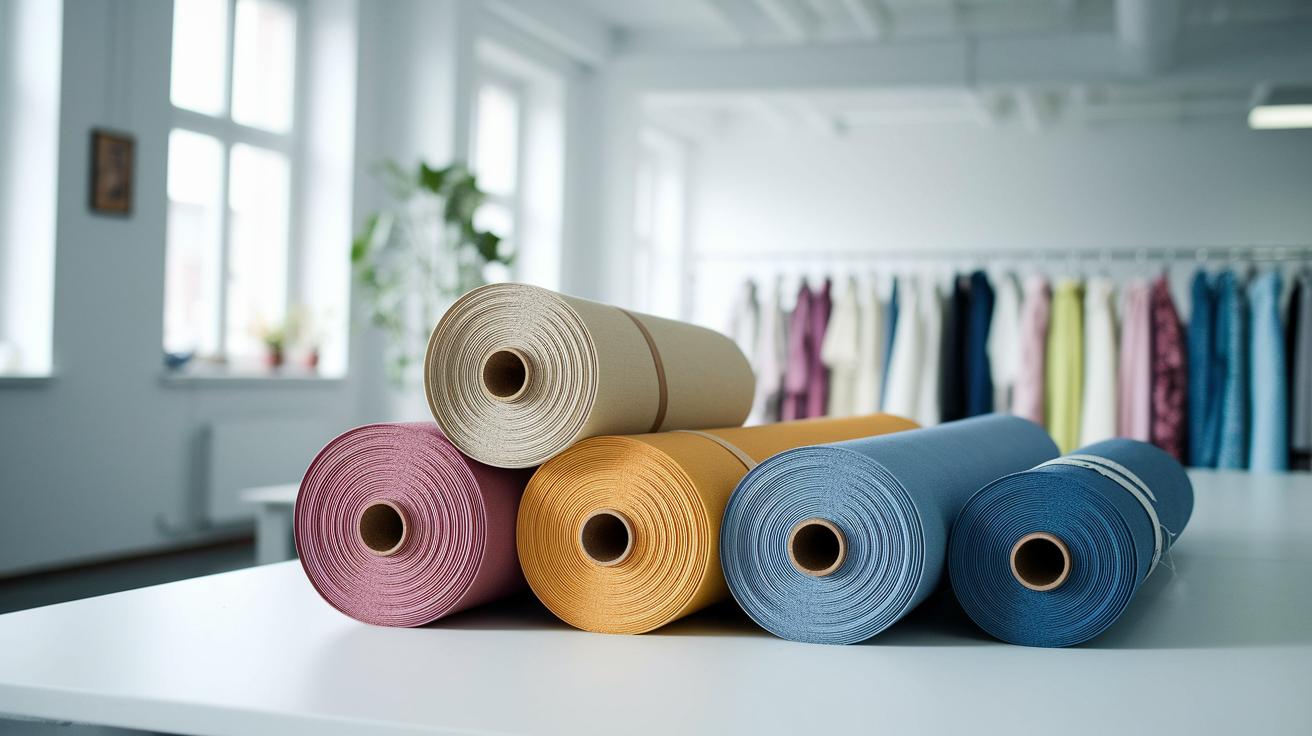
Designers often kick things off with budget-friendly fabrics that let their creativity shine without emptying their wallets. They might choose easy-to-use blends like rayon or polyester because these materials work well for small projects and help keep production costs in check. For instance, in 2016, some designers started with a stock of 8,000 meters of fabric, giving them plenty of room to experiment. But remember, while these fabrics are kind to your wallet, they can sometimes fall short in texture and lifespan compared to pricier alternatives.
When you're going for a premium look, though, nothing beats high-end fibers like silk or cashmere. Sure, these materials cost more, but they bring a soft feel and a graceful drape that really make a collection stand out. Designers who plan their production wisely can mix a little luxury into their line without overspending. Balancing cost-effective textiles with a few luxurious touches is the secret to blending creativity with smart budgeting in fashion design.
Strategic Sourcing and Vendor Selection for Fashion Design Fabrics
Reliable sourcing is the heart of a smooth design process. Designers count on trusted partners to bring in quality fabrics that fit both their creative ideas and practical needs. When a supplier really knows their stuff and speaks clearly, it stops production delays and keeps the design looking sharp. Often, a solid vendor becomes as crucial as the fabric itself, setting up a strong base for a collection that truly vibes with its spirit.
When you're checking out vendors, take a close look at a few key things. Look for places that are open about where their fabrics come from and that have a good track record in the industry. Clear and steady communication means issues are sorted out fast. It also helps if the supplier has plenty in stock and can adjust quickly to any changes. Add in flexible order sizes, fair payment terms, and return policies that don’t make things complicated. For instance, a vendor who easily handles both big and small orders and offers simple returns can make unexpected project shifts much easier to manage.
Mapping out your production timeline is a game changer. Start by setting clear checkpoints, from fabric making and shipping to garment production and final sales. Planning ahead and fitting in the vendor’s schedule means you can dodge last-minute rushes and use your budget wisely. This way, every step flows perfectly into the overall creative process.
Testing, Sample Evaluation, and Care Instructions for Fashion Design Fabrics

Before jumping straight into full production, it's smart to give your fabric a test run. Designers usually kick things off with a small swatch test to see how the fabric drapes, if its color holds up, and whether it might shrink. Picture hanging a tiny piece of fabric and watching how gracefully it falls, like a soft, natural wave. Then, give it a gentle rinse to check if the color stays vibrant, and try a quick wash to see if it keeps its shape and size. These hands-on tests help you feel how the fabric will perform, making sure the final design is both on-trend and reliable.
Once you’ve nailed the testing, the next step is drafting clear care instructions. This means creating care labels that tell folks exactly how to treat the garment, like whether it’s safe to toss in the washing machine or if it needs a delicate dry clean. A simple tag might say, "Machine wash cold, tumble dry low" or "Dry clean only," which makes it easy to keep the piece looking fresh. By prototyping garments with these tested fabrics, designers get real insight into wear and care, ensuring that every stylish piece remains as impressive in day-to-day life as it does on the runway.
Final Words
In the action, we explored the core steps behind selecting the perfect materials, from understanding quality, balancing budgets, and comparing fibers to sourcing trusted vendors and testing samples. Each section offered a clear look at how design choices impact the final look of a garment.
Thoughtful fabric choices empower creative expression and smart decisions in style creativity. Embrace the process of choosing fabrics for fashion design and enjoy the spark it brings to every collection.
FAQ
How do I choose fabric for clothing and what are the key factors?
The process of selecting fabric for clothing requires weighing factors like design theme, functionality, price, climate, and care instructions, which helps ensure your garment reflects style and meets practical needs.
What types of fabrics are commonly used, including visuals?
The list of common fabrics includes cotton, silk, linen, wool, polyester, and others, often presented with pictures to aid selection. Designers use these types to achieve diverse textures and looks.
What fabric do fashion designers typically use?
Fashion designers use a mix of natural fibers like cotton and silk along with synthetic options such as polyester and rayon, selecting based on project needs, style, and customer expectations.
What are the four primary factors to consider when choosing fabric?
The four primary factors are quality, functionality for climate and use, cost relative to production, and alignment with your design vision and audience expectations.
Where do fashion designers source their fabrics?
Designers source fabrics from various vendors, including local suppliers and international markets, selecting those offering quality materials and flexible order options to suit their creative projects.
Are there community resources or quizzes to help choose the right fabrics?
Community platforms like Reddit provide discussions and tips on fabric selection, while online quizzes help sharpen your skills, making it easier to pick materials that best fit your design projects.