
Ever wonder if a dress can be pure art? It really is. Couture isn’t just sewing; it’s a mix of custom design and high fashion flair explained in a creative way. Imagine a designer, late at night, stitching dreams into life with each careful move. The fabric flows, turning simple wear into an expression of style.
Today, let’s dive into what couture really means. We’ll explore its strong craft and bold style that makes each piece unique. Isn’t it wild how a few stitches can create a personal masterpiece you can wear? It's all about turning everyday fabric into something that tells your own style story.
Couture Meaning: Iconic High Fashion Flair
Couture comes from the French word for dressmaking or sewing and is said as coo-toor. It’s all about crafting custom clothes where every stitch counts. Imagine hearing how a famous designer spent sleepless nights in a tiny workshop, perfecting gowns that completely changed personal fashion.
In everyday talk, couture isn’t just about sewing. It’s a whole vibe of high fashion made with care and fine skills. Each piece is built by expert hands using top-quality fabrics, setting them miles apart from ordinary, store-bought outfits.
Haute couture is the ultimate form of this art. It follows strict rules and means that every design is made just for the individual, often costing over $20,000 per piece. It’s like having a wearable masterpiece that stands out from the rest.
Every couture creation shows off refined technique and personal style. Its rich history in fashion means that every garment has its own unique tale, blending timeless tradition with modern innovation.
Historical Origins and Evolution of Couture
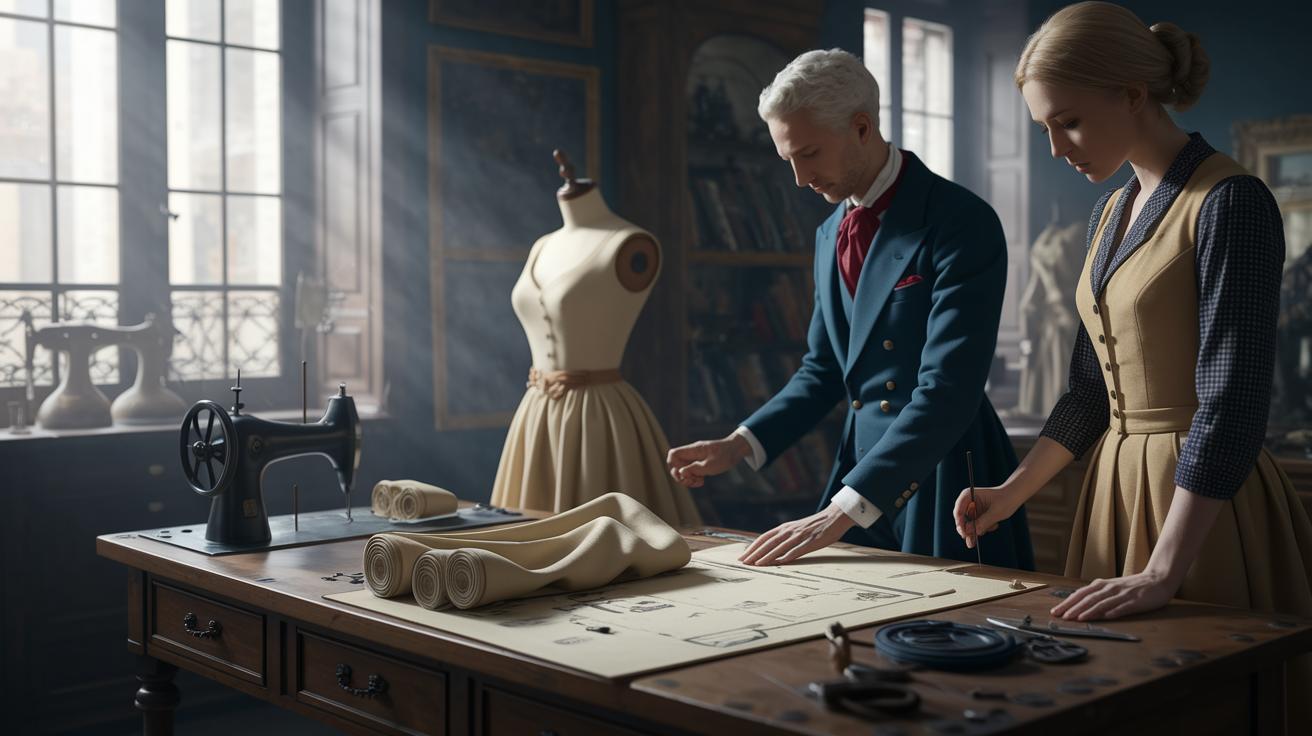
Couture began its journey in the bustling Paris salons of the 1800s, where talented dressmakers turned ordinary fabric into art you could wear. Back then, every custom pattern and carefully chosen fabric brought a personal touch that celebrated the beauty of handmade style.
Soon enough, couture houses set up their very own workshops. These creative spaces were dedicated to making patterns, stitching samples, and cutting fabric just right. Imagine a tiny Parisian workshop in the 1800s, where each piece was stitched by hand and designed to leave a lasting impression on future generations.
Before long, fashion schools joined the scene by offering special courses, like The Art of Haute Couture Embroidery (haute couture here means ready-to-wear but with extra style). These classes taught traditional techniques that helped keep the art of couture alive and paved the way for modern designers.
Over time, couture has stayed true to its dressmaking roots while welcoming fresh ideas and modern techniques. Curious for more details? Check out the fashion design history timeline on Fullswag to see all the cool milestones that have shaped this elegant art form.
Distinguishing Couture, Haute Couture, and Ready-to-Wear
Couture is all about the special, custom work done by skilled hands. It lets designers craft clothes that feel like a personal work of art. Each piece gets several fittings and lots of careful attention in the atelier, so every stitch tells a little story. You can almost hear a designer say, "Every seam is a brushstroke on my canvas – I create a garment that speaks to your soul."
Haute couture takes this creativity even further. It has to follow strict rules set by the Chambre Syndicale de la Haute Couture (that’s the group that oversees the highest standards). Designers put countless hours into each piece, choosing top-notch fabrics and adding unique, hand-finished details that make every garment one of a kind. Imagine a gown that fits so perfectly it seems to whisper its secrets – exclusive, refined, and full of flair.
Ready-to-wear, on the other hand, is made in large quantities. These pieces use more budget-friendly fabrics and don’t include the personal fittings or handmade details you’d find in couture. Simply put, while couture and haute couture are all about a personalized, artistic approach, ready-to-wear is designed to be accessible for everyone.
- Custom sewing craftsmanship
- Strict haute couture standards
- Mass production for everyday style
The Craftsmanship and Atelier Artistry Behind Couture
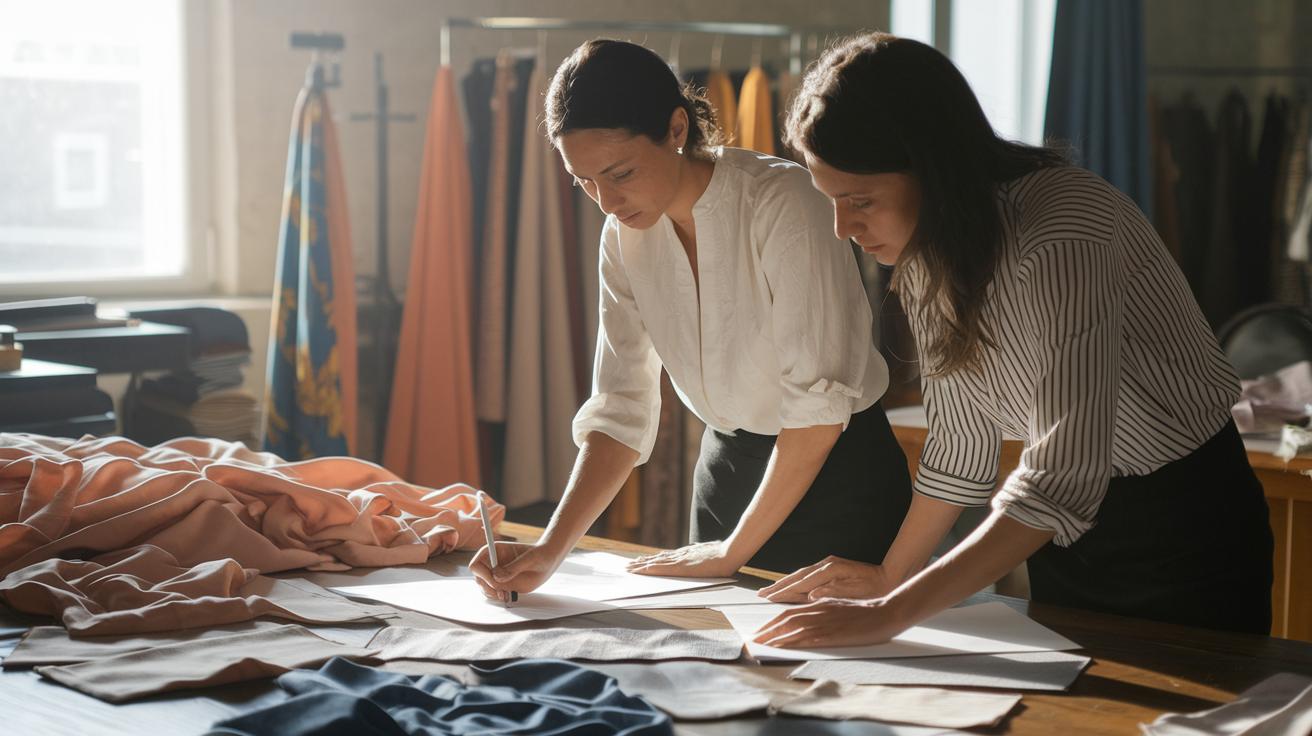
Couture begins in a quiet atelier where expert designers hunt for fabrics like hidden treasures. They choose materials that feel special, almost like you can sense the story woven into each thread. Then, with careful hands, they draw patterns piece by piece, making sure every curve and stitch is just right. Fun fact: in one workshop, an artisan spent countless hours perfecting every detail by hand, turning simple fabric into a flowing masterpiece.
Next up are the sample creations that really bring those ideas to life. Designers try several versions until they find the perfect shape, much like sketching until the picture becomes real. Think of each sample as a trial run, a rough idea that transforms into wearable art. And when it comes to cutting and sewing, every piece is put together with a balance of structure and creative freedom.
Hand embroidery adds even more magic to these creations. Artisans may spend hundreds of hours on one dress, adding tiny needlework details that catch the eye. Some ateliers even open their doors to special workshops, where guest artists share their own tricks and fresh ideas. In couture, it’s all about making each piece unique, produced in small, special batches rather than mass production.
Every step in this process, from selecting the fabric to the final stitch, celebrates the beauty of handcrafting and creative flair. The atelier is a cozy space where tradition meets a modern twist, and where designers pour their hearts into each detail.
There’s genuine joy in every precise cut and delicate stitch. The passion of these artisans transforms fabric into pieces of art that inspire dreams, day after day.
Cultural Impact and Enduring Influence of Couture Meaning
Couture has a lively pulse that runs through every runway, making high fashion feel like a heartbeat. It lights up fashion weeks in Paris, New York, and around the world, where each collection feels personal and tempting. Designers show creations that spark both chatter and admiration, proving that a single couture piece in Paris can set trends that travel far beyond the city.
The red carpet is another favorite stage for couture. Celebs like Pooja BATRA at the Emmys, Paris Hilton, and Tracey Bregman step out in custom-made looks bursting with art and soul. Picture a gorgeous gown that seems to say, "Every outfit tells its own story", a moment that stays with you and inspires others to follow suit.
Couture isn’t just about dresses; it’s about the whole look. Accessories like handbags and jewelry step up to the luxury game (luxury fashion), turning each piece into a little treasure that carries the couture spirit.
Events like "Nuit Divine" on Rodeo Drive capture this creative magic perfectly. They blend bold vision with daring style, reminding us that couture isn’t just a trend, it’s a lasting cultural muse.
- Runway innovation
- Red carpet revelations
- Luxury market expansions
Final Words
In the action of understanding couture meaning, we journeyed through its rich French origins and transformation into custom, high fashion. We explored how exclusive ateliers craft each piece, blending traditional techniques with modern style. The breakdown of couture, haute couture, and ready-to-wear shows how every design choice connects to intricate workmanship and creative flair. This stylish exploration leaves a warm invite to embrace your personal style with renewed passion and savvy. Enjoy every moment of your fashionable adventure.
FAQ
What does couture mean in fashion?
The term couture means custom dressmaking originating from French. It represents handcrafted garments, where each piece is uniquely made, and in haute couture, strict standards set by fashion organizations guarantee an unmatched level of exclusivity.
How is couture pronounced?
Couture is pronounced “koo-toor,” reflecting its French roots and the art of bespoke fashion craftsmanship known worldwide.
What qualifies as couture in high fashion?
Couture in high fashion involves custom sewing, intricate handwork, and premium materials. Haute couture meets even stricter criteria by offering one-of-a-kind designs that emphasize personalized fit and artisanal skill.
What is the difference between haute couture and regular couture?
Haute couture is a special category that meets strict guidelines and represents the pinnacle of custom design, while couture generally refers to any high-quality, custom-made garment produced with exceptional craftsmanship.
What are alternative terms for couture?
Alternative words for couture include bespoke and custom-made fashion, highlighting the unique and handcrafted nature of these exclusive garments.