
Have you ever thought about how a digital file can become a bright, stylish piece of clothing in just moments? Digital fabric printing, which is a modern way to print sharp details and lively colors directly onto fabric, is changing the game in fashion.
This cool technique speeds up the whole process and even helps reduce waste, letting designers play around with their ideas without the old, expensive barriers. In this chat, we’ll look at how this method sparks bold style choices by mixing creative energy with smart efficiency, turning every design into a wearable work of art.
Digital Fabric Printing: Essential Overview for Fashion Design
Digital fabric printing came on the scene back in the 1980s using cool inkjet and laser technology. It completely changed how designers bring their ideas to life. Now, you can take a digital file and print it straight onto fabric with brilliant detail and true-to-life colors. Plus, with the ability to print in CMYK, and even extend to 8 to 12 colors, you get a vibrant palette that makes bold designs pop.
Its low setup costs and minimal waste make it a win for small runs and one-off pieces. Designers love that they can see their ideas printed on fabric in no time, speeding up the process of creating custom garments. It’s a technique that offers both perfect precision and flexible creativity, letting you experiment without those old, costly methods holding you back.
- Precise high-definition prints that mirror your digital files.
- An expanded color range with CMYK plus up to 12 additional hues.
- Low setup costs and very little material waste.
- Super fast production that cuts down garment development time.
- Ideal for small production runs and unique, custom designs.
Designers choose digital fabric printing because it mixes efficiency with creative freedom. It lets you print detailed designs on a range of fabrics with both accuracy and speed. Whether you’re crafting a personal collection or a limited-edition piece, this method gives you a perfect toolset to play with colors, patterns, and textures. In short, it streamlines production without sacrificing quality, inspiring fresh ways to bring your fashion vision to life.
Techniques and Technologies Behind Digital Fabric Printing

Direct-to-Fabric Inkjet Printing
This method uses water-based and pigment inks that are printed directly onto the fabric. It creates designs that are sharp and full of life, capturing every color detail from the digital file. Imagine a printed blouse where every tiny petal and leaf in a floral pattern is so clear you can almost feel its texture. The printer turns each pixel into a burst of color on fabrics like cotton or polyester, using CMYK plus extra colors, up to 12, to bring photorealistic images to life. And with built-in calibration tools and easy-to-use color management systems, consistency remains key throughout production.
Dye Sublimation Transfer Printing
Here, the process starts with printing special sublimation inks on transfer paper. Then, the design gets heat-pressed onto synthetic fabrics such as polyester and spandex. The heat transforms the dye into a gas that seeps right into the fabric fibers, producing prints that are vibrant, durable, and resistant to fading. Think of a sports jersey where the colors pop, even under bright lights. Although this technique shines on synthetic materials, its higher temperature needs make it less ideal for natural fibers. Plus, advanced software carefully controls the heat and timing to ensure every imprint is spot on.
Reactive Inkjet Printing for Natural Fibers
This method is made just for natural materials like cotton and linen. The reactive inks chemically bond with the fibers, so the designs stay vivid and strong even after many washes. Picture a breezy summer dress that keeps its bright colors season after season. The chemical reaction locks in detailed, almost photographic reproductions of the design, while smart calibration systems help each print match the designer’s original vision perfectly.
Material Selection and Print Performance in Digital Fabric Printing
Choosing the right fabric is key to nailing a print that pops. Designers love using 100% organic cotton, linen, polyester, and stretch lycra blends because these materials let water-based or pigment-based inks show off their true colors. Natural fibers soak up ink evenly, creating sharp, bright designs that look just like the digital original. On the flip side, mixed fibers can absorb ink unevenly, which makes details fade away.
The weight of the fabric, how it’s woven, and any pre-treatment work all matter. A tighter weave or a fabric that’s been treated just right helps the ink sink in properly, giving you richer and truer colors. Some providers even use eco-friendly, chemical-free processes that perfectly match these textiles. In truth, blending art and smart fabric choices lets designers keep their prints looking vibrant wash after wash. The way the fabric feels and how it works with the ink not only brings out bold colors but also keeps the design fresh over time.
After printing, finishing touches like heat-setting or steam finishing lock in durability and boost the fabric’s hand feel. It’s these extra steps that turn every piece into a true work of art.
Digital Fabric Printing vs. Traditional Fashion Printing Methods
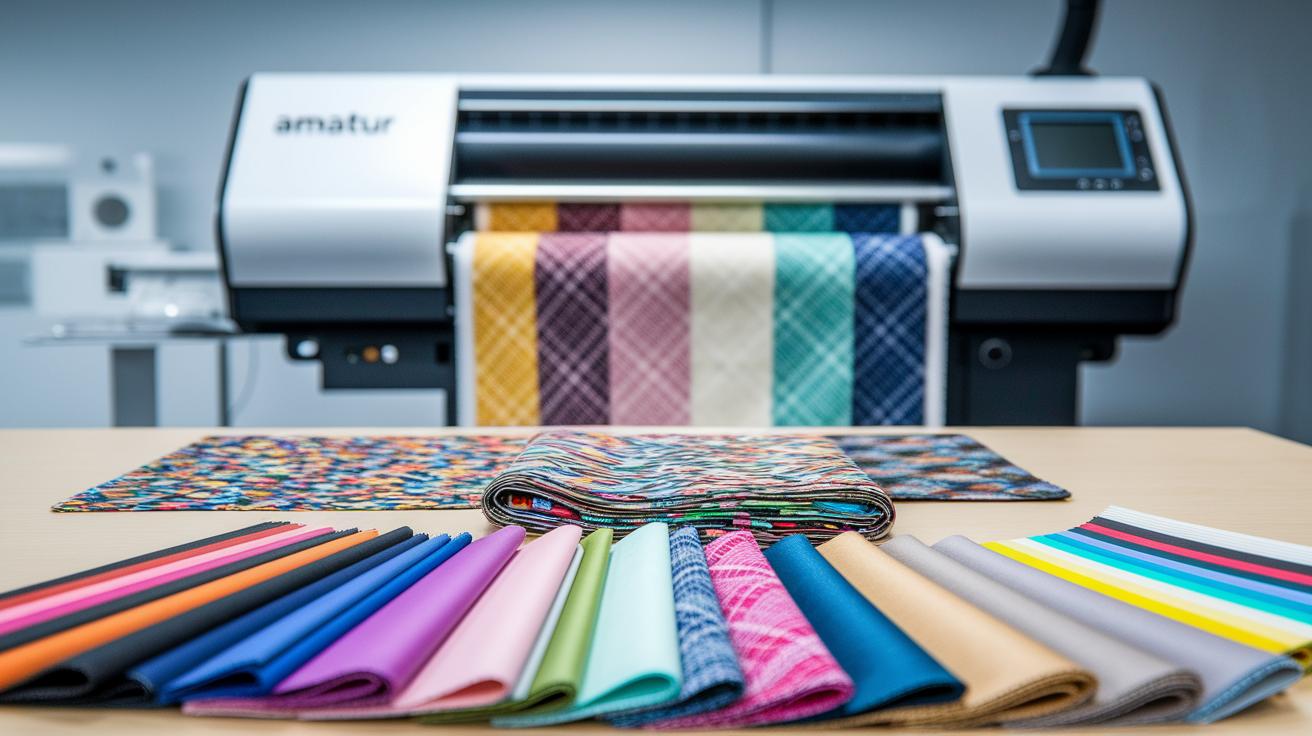
Digital fabric printing brings a cool, modern vibe by printing detailed, full-color images straight from digital files. Unlike old-school methods where you need a separate stencil for each color in screen printing or press ink from paper in heat transfer, digital printing is quick to set up and packs vibrant colors without the fuss of extra plates or screens.
It works wonders when time is tight and you really need every color to pop perfectly, ideal for small runs or custom pieces that demand accuracy. It’s like having the freshness of a runway debut ready at a moment’s notice.
| Method | Process | Best Use | Setup Cost | Color Range |
|---|---|---|---|---|
| Digital | Direct-to-fabric printing from digital files | Custom designs and short-run projects | Low | Full, extended gamut (CMYK + up to 12 colors) |
| Screen | Stencils for each color | High-volume, simple designs | High | Limited to basic colors |
| Dye Sublimation | Heat bonds dyes into synthetic fibers | Synthetic fabrics and sportswear | Moderate | Vibrant, rich hues |
| Heat Transfer | Print on paper then press onto fabric | Custom apparel and low-volume runs | Moderate | Good, but dependent on transfer quality |
This method really shines by giving designers the freedom to express every tiny detail they imagined. It saves time and cuts costs while keeping designs true to the vision. It’s perfect for anyone who craves quick results without skipping on style or quality.
Sustainable Practices and Eco-friendly Coloration in Digital Fabric Printing
Over in the UK, digital fabric printing is going green with water-based inks that are totally free of harmful chemicals. These inks not only bring out bright, beautiful prints but also keep things safe for you and the planet. Designers love that every design shows off a promise to use cleaner, more thoughtful production methods.
Then there’s the cool on-demand printing option, which means you only print what you need. This smart method cuts down on waste and stops a pile-up of extra fabric, fitting perfectly into the sustainable fashion scene. It’s pretty amazing how reducing surplus can lower the overall impact on the environment without skimping on quality or creativity.
There are over 50 eco-friendly fabric choices out there, along with innovative ideas like upcycling plain fabric bags. These zero-waste techniques use advanced pigment formulas to deliver deep, consistent colors while keeping our natural resources in check. It’s a refreshing way to meet modern eco standards and gives designers the nudge to try out even bolder sustainable approaches.
Plus, handy tools like a 140×100 cm Colour Atlas and detailed sample books help guide designers in making greener choices, ensuring every step in the creative process is a step towards a cleaner future.
Software Tools and Workflow Integration for Digital Fabric Printing in Fashion
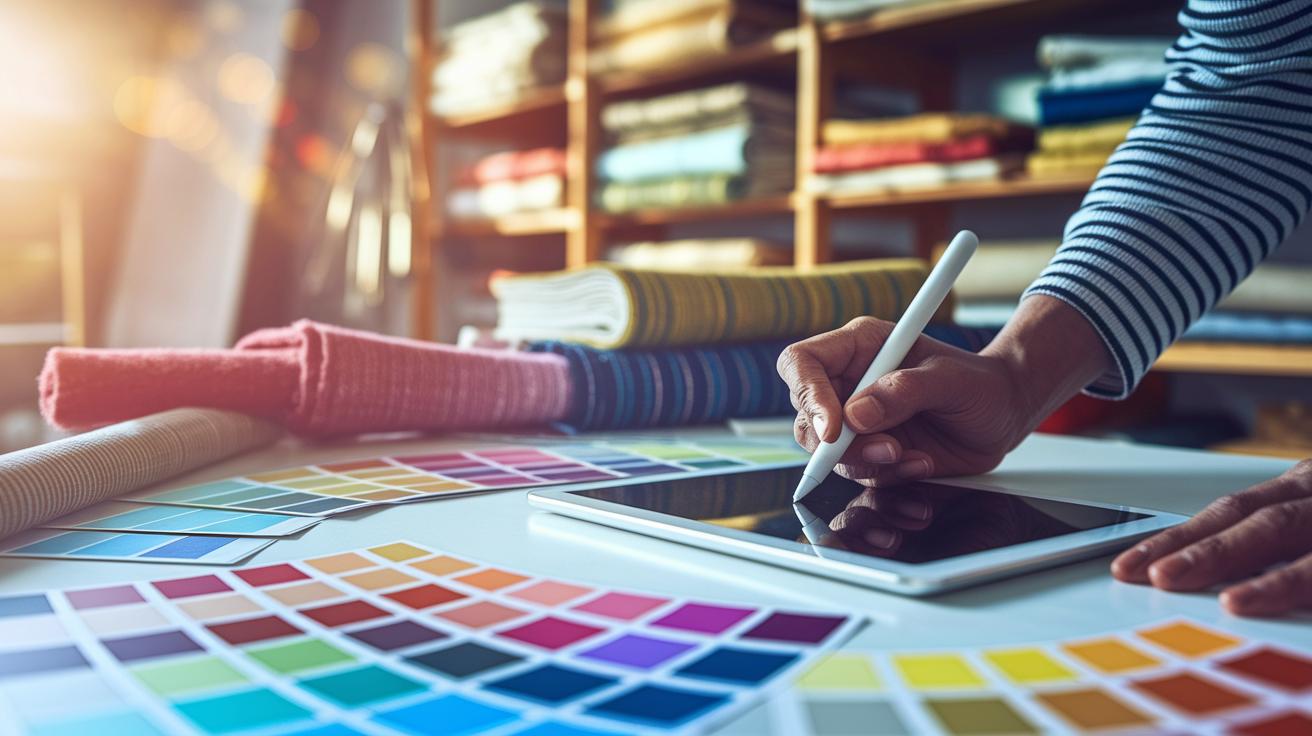
When you sketch an idea, design software turns it into a ready-to-print masterpiece. Picture taking a quick doodle and watching your vision come alive, with every color shining just as you imagined. It’s like turning a rough idea into a digital work of art where every shade is perfectly captured. These handy tools make designing for fabric a breeze, keeping your screen and your fabric in perfect sync.
Cloud-based platforms make teamwork a real pleasure. They let you share your design drafts with your team, get quick feedback, and make changes right on the spot. Working together has never been easier, so everyone stays in the loop and on the same page.
Production integration brings everything together. Automated scheduling and smart links with production controllers move your files from digital design to printed fabric with ease. This smooth connection means your designs are precise and production-ready fast, so your ideas quickly turn into finished products without skipping a beat.
Industry Case Studies and Practical Applications of Digital Fabric Printing
A UK print service has stepped up its game by offering same-day or next-day delivery, usually within 1 to 4 days, and even accepts international currencies. This speedy service keeps designers on schedule and in tune with fast-changing trends, letting them turn fresh ideas into reality super quickly.
One freelance designer turned a love for custom prints into a booming business, earning over $100K a year while working just 35 hours a week. They create printed cotton lines, slick swimwear prints, and branded aprons, all approved through detailed sample books. It’s like turning a creative vision into a fun, collaborative art project. Plus, using a Colour Atlas helps nail the perfect shade before going into full production.
-
A boutique dropped a limited-edition printed cotton collection that wowed clients with fast production and spot-on color accuracy, like watching a design leap off the screen.
-
A startup focusing on high-quality swimwear used digital printing to rapidly craft prototypes, tweaking designs based on real feedback from fabric sample books.
-
A well-known brand rolled out a line of branded aprons with custom touch-ups, relying on digital printing's crisp detail and a Colour Atlas to get every hue just right.
These examples show how digital fabric printing opens new doors for creative expression while keeping production flexible and cost-effective. Designers get the freedom to experiment with custom styles, quickly develop prototypes, and meet market needs without sacrificing quality, a perfect recipe for standing out in the world of print couture.
Emerging Trends and Next-Generation Innovations in Digital Fabric Printing
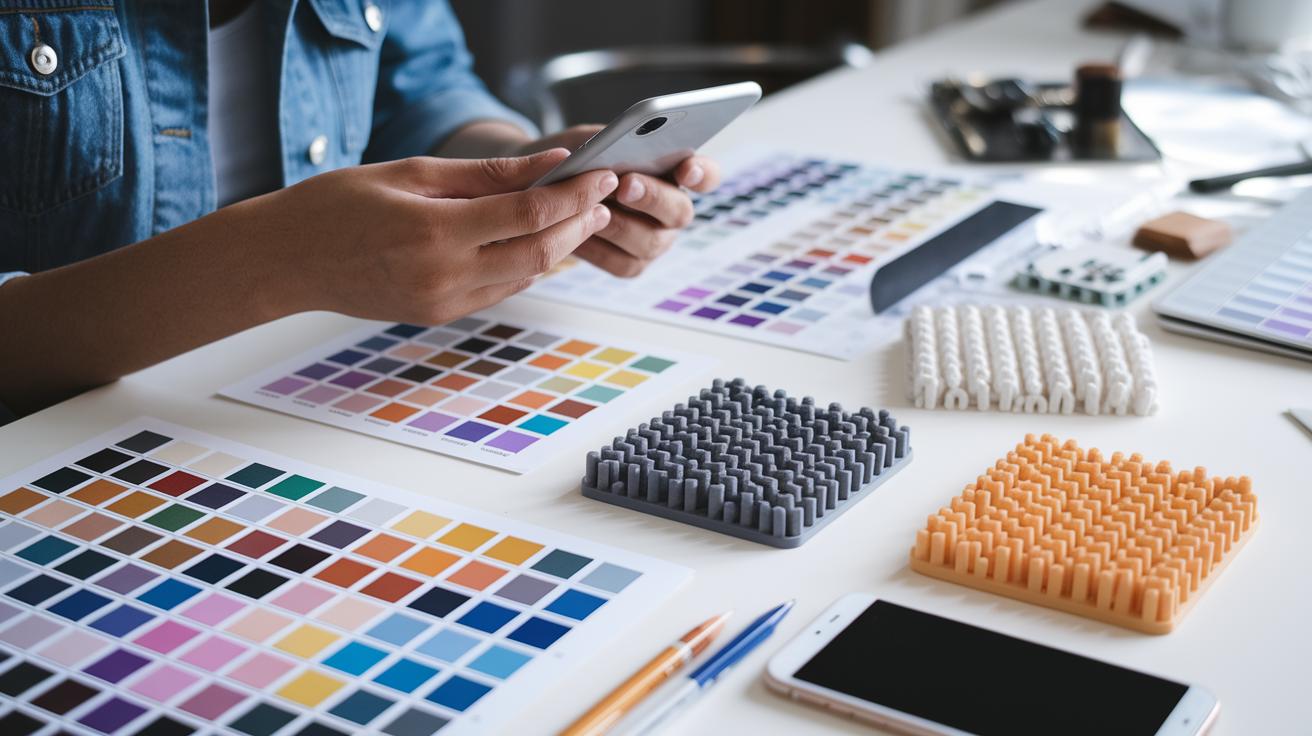
AI design tools are totally transforming how we create patterns. Designers now mix smart algorithms with neat automated workflows, making prints as unique as your personal style. Imagine your creative spark instantly tweaked by clever software that perfects every little detail, so your design stays exactly as you dreamt it. Plus, cool tech like functional inks, think conductive or UV-responsive, which light up in the sun, and 3D texture printing add a tangible, wow factor to fabrics while boosting performance for daily wear.
High-speed production tools are making non-stop fabric printing a breeze, allowing round-the-clock runs with pinpoint precision. And if you’re into being part of the action, interactive web design modules let you watch live previews and even pitch in with tweaks as your design comes to life. It’s like having a backstage pass to the creative process, where both designers and customers mingle to make awesome ideas happen fast.
We’re looking at a future where creative flair and tech automation mesh seamlessly. This shift is nudging us toward a more connected, smart workflow that keeps that spontaneous, stylish vibe intact while ensuring top-notch production every step of the way.
Final Words
In the action, we explored how digital fabric printing in fashion design transforms style. We touched on innovative print techniques, fabric choices, production workflows, and even greener practices, all in a clear, down-to-earth way.
Every section showcased methods that cut setup costs and boost creative speed. A smart mix of techniques and tools gives designers fast, flawless results. It’s a bright new step forward for creators hungry for fresh, insider inspiration.
FAQ
What are some examples of digital fabric printing in fashion design?
The digital fabric printing in fashion design examples include printed cotton pieces, swimwear fabrics, and custom branded textiles that offer intricate patterns and a modern twist to apparel.
What are the types of digital printing on fabric?
The types of digital printing on fabric involve direct-to-fabric, dye sublimation, and reactive inkjet techniques, each offering crisp details and vivid colors for various textile applications.
What does “digital printing on fabric near me” mean?
The query “digital printing on fabric near me” points to local studios or print shops that specialize in digital textile printing, allowing easy access to custom printing services in your area.
What is a digital textile printing PDF?
The digital textile printing PDF typically serves as a guide outlining technical specifications, process details, and helpful tips that support both beginners and experienced printers in the fashion industry.
How can you digitally print on fabric at home?
The digital printing on fabric at home process can be achieved with DIY kits and home printers designed for textiles, offering convenience while producing quality prints, though results may differ from professional setups.
What is a digital textile printing machine?
The digital textile printing machine is a specialized printer that transforms digital designs directly onto fabric with high precision and vibrant colors, making it ideal for producing small, custom runs.
What are the disadvantages of digital printing on fabric?
The disadvantages of digital printing on fabric include challenges with certain fabric types, higher costs for extensive runs, and sometimes a variation in durability when compared to more traditional printing methods.
How is the digital textile printing machine priced?
The digital textile printing machine price varies based on features, resolution, and production capacity, offering a range from entry-level models to advanced machines with higher costs for enhanced performance.
What is digital printing in fashion?
The digital printing in fashion method converts digital imagery directly onto textiles, allowing for precise color matching and high-definition prints that bring unique, detailed designs to garments.
Can fabric be digitally printed?
The digital printing on fabric process makes it possible to print detailed designs directly onto textiles using specialized equipment, producing vibrant and accurate color reproductions for fashion pieces.
How does DTG compare to screen printing?
The DTG method offers fine detail and vibrant colors suited for smaller runs, while screen printing can be more cost-effective for large-scale production, making each method suitable for different production needs.
What are the pros and cons of digital fabric printing?
The pros of digital fabric printing include rapid production, high-definition designs, and reduced waste, while the cons may involve fabric limitations and higher costs on large orders.