
Ever wonder how a small spark turns into a runway collection that grabs your attention? It all starts with a burst of inspiration that moves into real, practical steps. Designers begin by checking out trends and sketching out bold ideas, then they choose eco-friendly fabrics that feel just right. Each step is a part of a clear roadmap that guides the whole team. This plan brings dreams to life, showing how every little detail adds a fresh touch of stylish creativity that really stirs the soul.
Key Phases in Apparel Creation
Getting a clear view of the fashion design journey makes all the difference. It shows how a spark of inspiration slowly becomes a stunning collection ready for the world. This whole process smooths out communication and helps everyone, from designers to makers, see how ideas turn into reality.
- Research and inspiration gathering
- Sketching ideas and shaping concepts
- Hunting for materials and choosing eco-friendly fabrics
- Crafting tech packs (detailed design instructions) and building prototypes
- Fitting samples, mixing in feedback, and giving designs the green light
- Planning production, keeping quality in check, and making the final products
- Distributing products, checking retail insights, and launching in the market
Every step has its own charm and importance in creating amazing apparel. Next, we take a closer look at each stage, uncovering the secrets and techniques that spark that stylish creativity.
Research and Inspiration Gathering in the Fashion Design Process
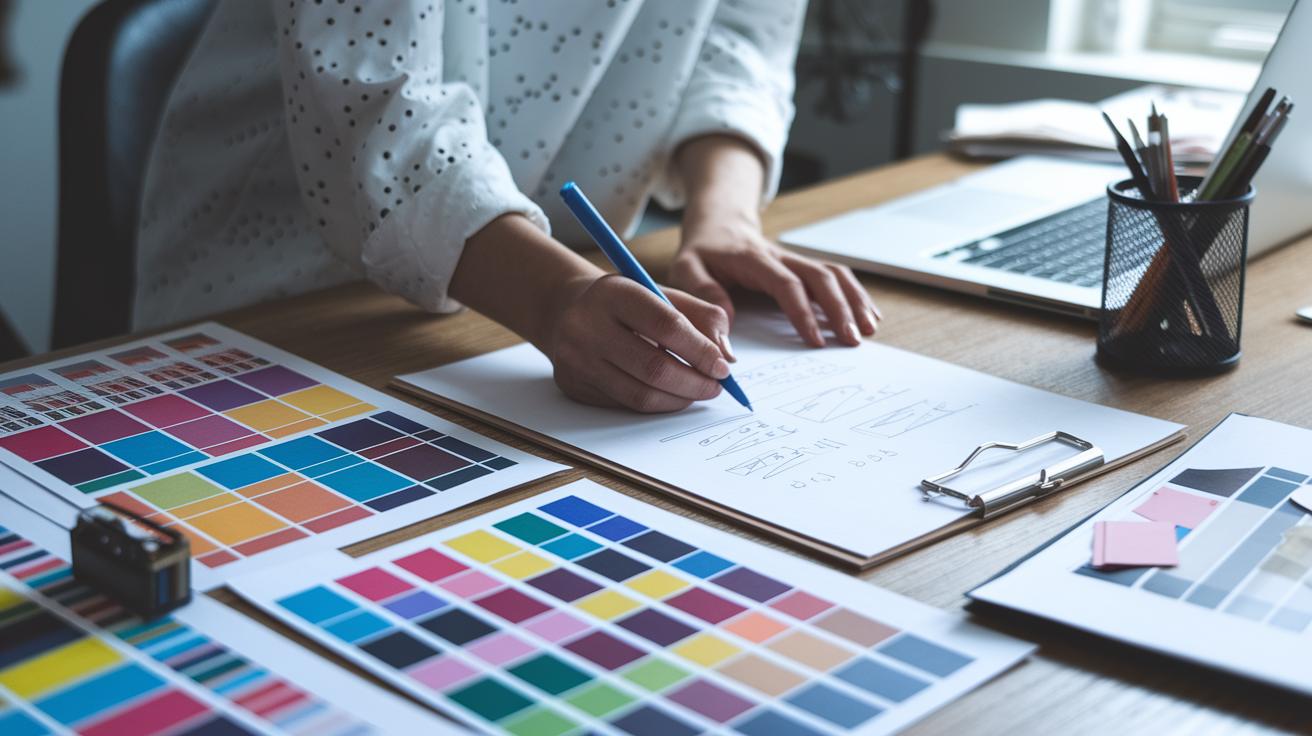
First things first, designers kick off their creative journey by writing a design brief. In this step, they set clear goals for the look and function they want. It’s like a guide that helps with choosing fabrics and putting pieces together, a blueprint that keeps everything on track and avoids later mix-ups.
Next, they explore five key research areas. They check out runway shows to catch the latest trends, dig into archives to see past influences, and study trend reports to guess what’s next. They also survey streetwear for a peek at urban style and look at competitors to fine-tune their own unique touch.
Finally, all this research comes together in visual form. Designers create mood boards, gather fabric samples, and experiment with color choices. This blend of ideas helps shape a clear vision and guides every sketch and fabric pick, sparking that creative flair that drives every design forward.
Sketching and Concept Development in the Fashion Design Process
When designers work with traditional croquis, they sketch out their ideas freehand. They use pencils and markers along with quick, fluid strokes that capture the soft drape of fabric and the gentle flutter of a sleeve. It feels personal and warm, like the clothes are almost speaking to you, something digital methods sometimes just can't do.
Digital drawing, meanwhile, brings precision and a lot of flexibility. Designers use special software to draw clean lines and add cool layers. This lets them play with scale, texture, and even the smallest details without fear of messing up. Ever find yourself adjusting a curve until it looks just right? That’s the magic of digital design, turning each change into a perfect balance in the overall silhouette. Check out tools like Sketching for fashion design for a closer look.
Next, designers put together mood boards by mixing images, fabric swatches, and digital sketches. It’s a creative mash-up that blends visual inspiration with practical ideas. With this fresh palette and a range of shapes to choose from, rough sketches turn into a strong, stylish plan for wearable creations.
Material Sourcing and Sustainable Fabric Selection within the Fashion Design Process
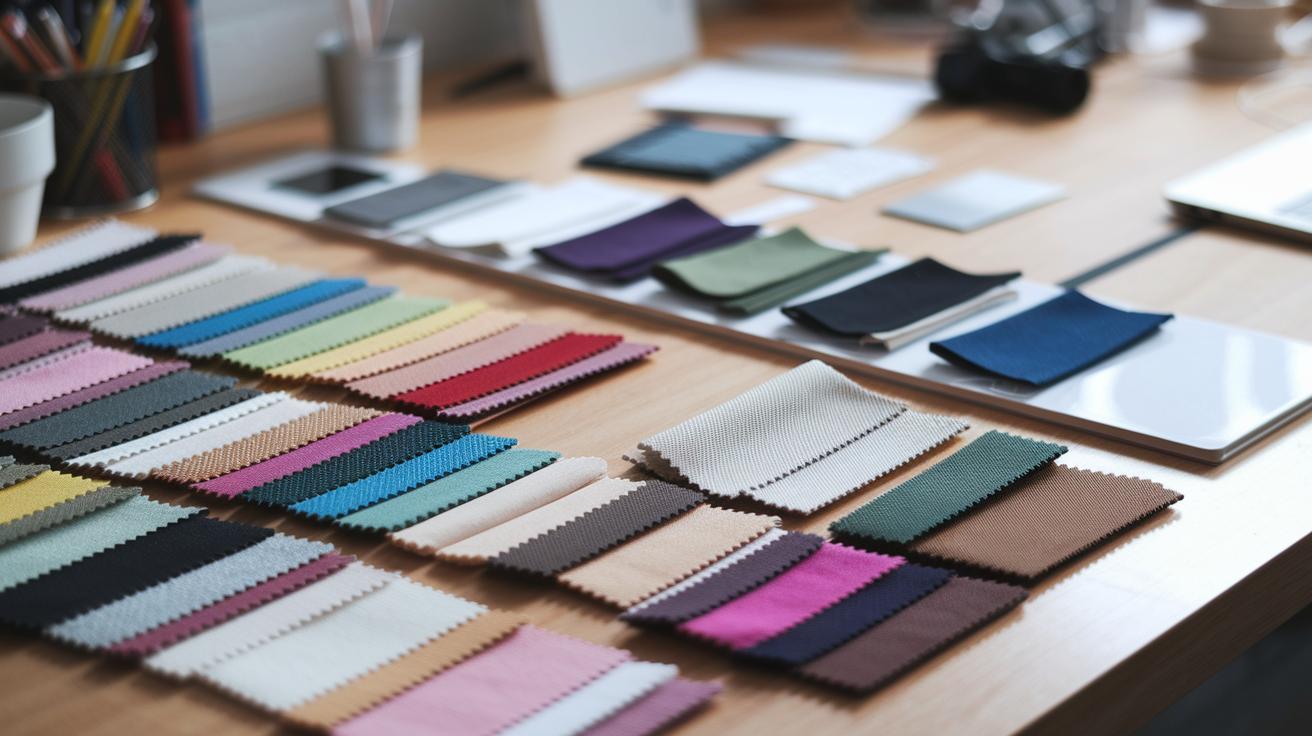
In this phase, designers kick things off by setting clear criteria for sourcing, think reliable suppliers, consistent quality, and prices that make sense. They’re on the lookout for fabrics that not only perform well but also look stylish. Often, they order swatches to feel the texture and check durability because that gentle drape of the material is key. And yes, they also factor in any new fabric technologies that offer extra functionality.
Next, designers jump into talks with suppliers, sorting out details like bulk pricing, delivery schedules, and payment terms. They test sample shipments carefully to ensure the colors pop right and the material holds up as expected. These chats help build a real connection with suppliers and confirm that every sample matches what the design demands for mass production.
Finally, the focus shifts to picking eco-friendly and recycled textiles. Here, designers explore options like recycled polyester, organic cotton, and upcycled blends by weighing their environmental impact, cost, and performance. They even try these fabrics out under everyday conditions to check for comfort and durability. Every choice they make drives home a strong commitment to sustainable style while keeping quality and creativity at the forefront.
Tech Pack Creation and Garment Prototype Development in the Fashion Design Process
Tech packs are like maps for making a garment. They come with clear sketches and straightforward instructions so everyone, from pattern makers to factory hands, knows exactly what to do. They list every measurement, fabric, trim, and piece of hardware you need. Plus, they include simple notes on stitching and seams, as well as tips on grading sizes and packaging. With a solid tech pack, you cut down on errors and set the stage for creating a great prototype using smart design software.
| Component | Details |
|---|---|
| Technical Sketch | Simple line drawings with notes |
| Measurements | Clear size details |
| BOM | List of fabric, trims, and hardware |
| Construction | Stitch and seam instructions |
| Grading | Size increments information |
| Packaging | How to label and fold |
Prototype development is a key step that turns ideas into something real. It’s when designers play with fabric drapes, check how stitches hold up, and make sure the sizes are just right. This hands-on phase lets you feel the garment’s fit and comfort in a way that digital plans alone simply can’t show.
Next, prototype orders follow the tech pack to bring designs to life. These samples give you a real, touchable version of the clothing so you can test the fit, construction, and overall feel. Feedback from fittings helps make small tweaks and improvements. This review and adjustment process ensures that the final piece not only meets technical standards but also looks awesome. It’s a mix of creative vision and clear details that brings stylish ideas into reality. Every tweak and sample makes the garment even closer to perfection.
Sample Fittings, Feedback Incorporation, and Design Approval in the Fashion Design Process

During sample fittings, designers get hands-on, checking how a garment fits and is built. They might meet in person or chat over a video call, keeping an eye on things like seam alignment and proper proportions. Designers often use a checklist to note where the fit or construction isn’t quite right, maybe the sleeves need a little trim, the fabric isn’t draping as expected, or there’s a minor stitching problem. Jotting down these details on the spot helps catch even the small issues, ensuring every part looks just right.
Next, the journey from sample review to the final design is like a creative back-and-forth. After each fitting, feedback from the team and real wearers is gathered, guiding careful tweaks to the pattern and overall design. This ongoing cycle of feedback and revision makes sure every detail is refined and meets the mark. When all adjustments are tested and the garment checks all the boxes, the final design gets the approved sign-off, ready to hit mass production.
Production Planning, Quality Assurance, and Final Manufacturing in the Fashion Design Process
Planning production is at the heart of turning creative designs into real, wearable styles. Designers lock in bulk fabric and trim orders and set clear schedules for every style in the collection. This way, each order follows a set timeline, keeping production on track and true to the creative vision and seasonal release goals.
Quality checks are woven into every step. Garments go through tests to make sure colors stay bright, fabrics resist tears, and they hold up under sunlight and everyday wear. These simple evaluations ensure each piece not only looks trendy but also feels durable, just like that favorite jacket you treasure for its lasting appeal.
Smart production isn’t complete without careful cost and resource planning. Teams track manufacturing expenses and coordinate resources to meet deadlines while staying within budget. Regular budget reviews and smart planning help every stage work smoothly and economically, so customers get stylish, well-crafted pieces every time.
Distribution, Retail Analytics, and Market Launch in the Fashion Design Process

Shipping and channel strategies are super important for launching a new line. In this part, products travel from the factory to places like fulfillment centers or even straight to your door. Designers come up with clear packaging and transport plans so each piece gets there fast and intact. Good management of these routes not only helps reach many buyers but also sets the stage for checking how the launch is doing.
Retail data tools, like simple margin calculators and product forecasting software, work like a style GPS. They help teams watch sell-through rates and listen to what buyers say about the collection. With all the info in one place, everyone can see what’s working and make quick choices. This lets them fine-tune which pieces shine the most and decide what to reorder. By keeping an eye on customer responses, brands can adjust their plans in real time and keep the collection fresh for future seasons.
Final Words
In the action, we explored every step of the fashion design process, from gathering inspiration and sketching ideas to sourcing materials, creating tech packs, refining prototypes, and planning production. We broke down each phase into clear segments, covering sample fittings, quality checks, and distribution insights. This overview guides you through each important stage while helping you make smart choices and boost your unique style. The creative workflow moves naturally, fueling a positive and fresh approach to fashion design that leaves you ready for the runway.
FAQ
What are the key steps in the fashion design process?
The fashion design process follows seven core phases: gathering research and inspiration, sketching and concept development, selecting sustainable materials, creating tech packs and prototypes, sample fittings, planning production, and managing distribution.
What is the design process in fashion?
The design process in fashion is a structured creative cycle that starts with inspiration and research, moves through sketching, material selection, and prototype development, and finishes with production and market launch.
What does the design process for students include?
The design process for students usually includes simplified steps like gathering inspiration, sketching ideas, choosing materials, creating prototypes, and refining designs through sample fittings for improved project results.
What are the five simplified steps or stages in the fashion design process?
The five simplified steps cover research and inspiration, concept sketching, material sourcing, prototype development, and production planning to turn creative ideas into wearable pieces.
What are the seven steps in the fashion design process, and what do they mean?
The seven steps mean starting with idea research, refining sketches, sourcing sustainable fabrics, building detailed tech packs, testing samples, planning manufacturing, and finally launching the product to market.