Ever wondered if one thank-you note could change everything after a designer interview?
A thoughtful follow-up is your chance to show off your creative flair and keep the connection alive. You might share a favorite moment from your chat or mention a project you’re proud of.
In this post, we break down simple, friendly steps to help your message stand out. It’s all about sharing genuine care and confidence, just like catching up with a friend about the latest style trends.
Key follow-up strategies after a designer interview

Following up quickly shows you really care about the opportunity. Sending a friendly thank-you email within 24 to 48 hours makes you memorable and shows you’re totally on board. For example, you could mention a specific moment from your chat, maybe how you discussed your fresh take on user-focused designs, to show that you were fully engaged.
A swift follow-up also gives you a chance to underline your top skills without being pushy. It opens the door for you to ask for feedback or to share any new projects that tie back to your interview chat. This keeps the conversation alive and reminds the hiring team that you’re ready to jump in.
- Thank-you email: Write a short, sweet note that thanks the interviewer and highlights one or two memorable moments from your conversation.
- Feedback request: Ask nicely for any thoughts on your interview or portfolio, showing you’re serious about growing.
- Portfolio update: Share any recent work or testimonials that spotlight your achievements.
- Check-in message: Touch base again about a week later with a quick note to keep things moving.
- Next-stage preparation: Let them know you’re ready for what comes next by confirming your availability and asking about future steps.
Taking these steps can really help you build a genuine connection with the interviewer. By keeping your messages clear and focused, you remind the team of your skills and passion, which boosts your chances of landing the design role.
Timing strategies for sending post-interview follow-up messages
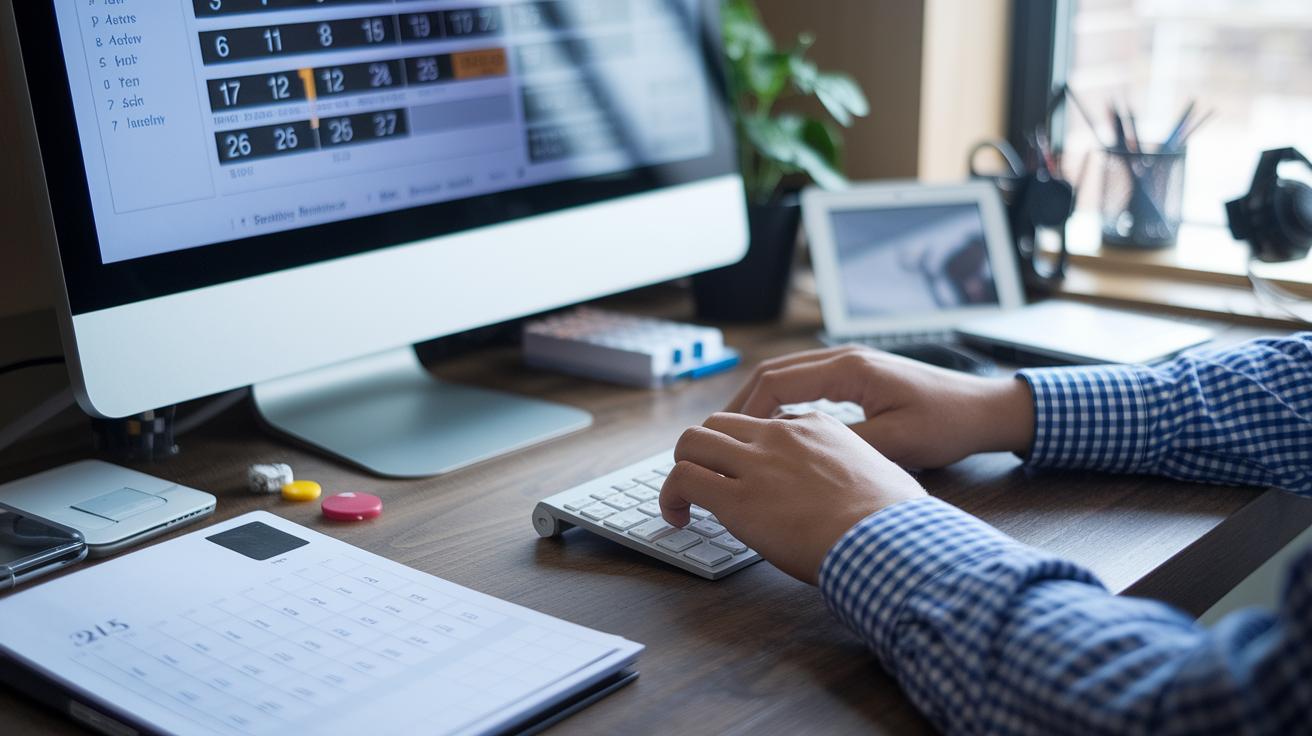
Getting your timing right after a designer interview is super important. Sending a thank-you note within 24 hours shows that you care and keeps the conversation fresh. Then, shooting off a more detailed email between 24 and 48 hours, with extra info or even a friendly ask for feedback, lets your creative side shine.
This smart timing helps you stay connected without coming off as pushy. It builds a bridge of trust, shows your attention to detail, and lets your professionalism and passion stand out in a crowded field.
| Follow-Up Action | Recommended Timeframe |
|---|---|
| Immediate thank-you | Within 24h |
| Detailed email | 24–48h |
| First check-in | 1 week |
| Portfolio update | 2 weeks |
Sticking to these timeframes shows respect for the interviewer’s busy schedule while keeping your creative spark in the spotlight. It’s a chill yet thoughtful way to nurture professional connections and remind them that you’re ready to take the next step.
Crafting personalized thank-you email templates for creative designers
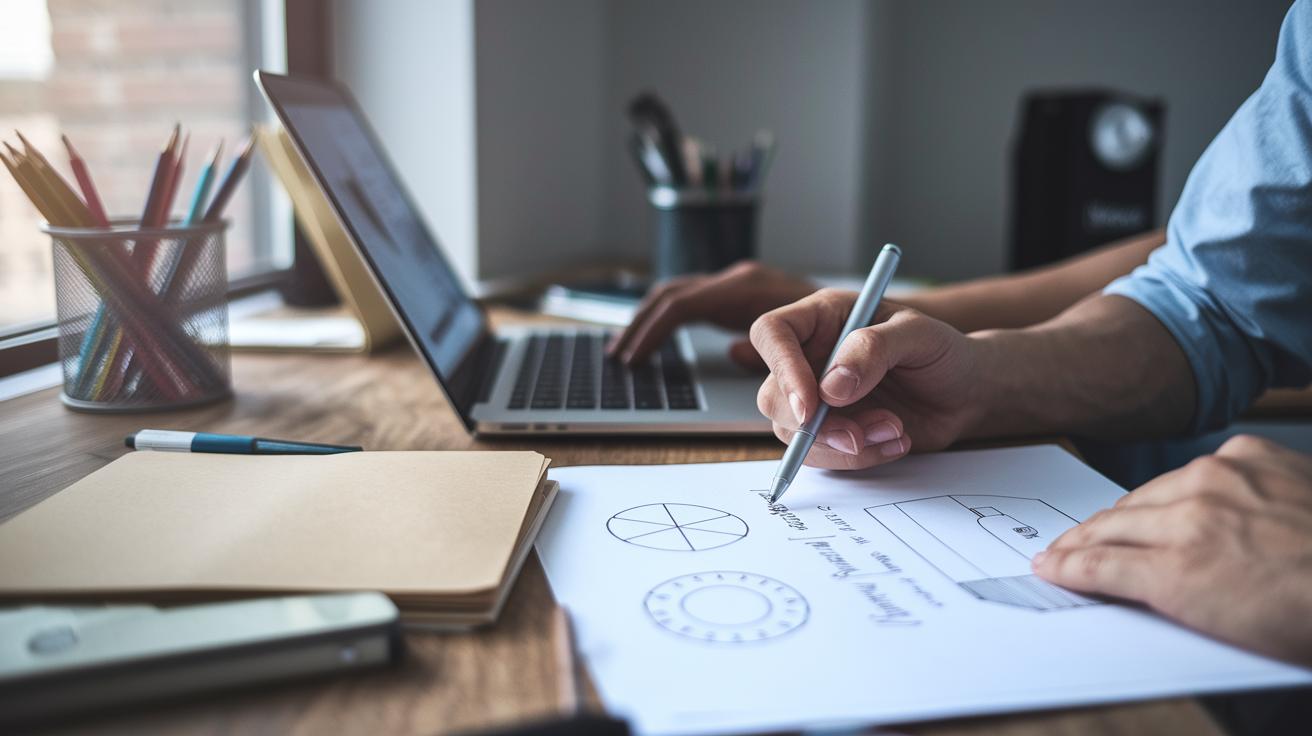
When you send a thank-you email, it gives you a chance to let your true style shine and remind your interviewer of the fun moments during your chat. It shows you were really into the conversation, not just sending a generic note. A thoughtful email that touches on specific parts of your talk helps build a lasting connection.
Standard Thank-You Email
Subject: Thank You – [Your Name], [Role] Interview
Hi [Interviewer Name],
Thanks for meeting with me yesterday. I loved chatting about your design ideas and the cool projects at [Company Name]. I’m excited about the role and feel my visual storytelling and creative strategy could be a great fit. I appreciate the chance to share how my skills can add to your next initiatives.
Best,
[Your Name]
Portfolio Update Email
Subject: Thank You – [Your Name], [Role] Interview
Hi [Interviewer Name],
Thank you so much for our engaging conversation during the interview. Our talk about innovative design really resonated with me. Since we spoke, I updated my portfolio with a new project that shows off my approach to creative problem-solving. I think these examples highlight my ability to think outside the box and add fresh value to the team at [Company Name]. I'd be happy to share more details if you’d like.
Cheers,
[Your Name]
Feedback Request Email
Subject: Thank You – [Your Name], [Role] Interview
Hi [Interviewer Name],
I really appreciate you taking the time to chat about the designer role at [Company Name]. Thinking back to our conversation, I’d love to hear any feedback you have about my interview or portfolio. Your insights mean a lot as I keep refining my work and dive deeper into creative projects. Thanks again for your support.
Sincerely,
[Your Name]
Each template shows how a short, personalized note can make you stand out. They thank the interviewer, mention memorable moments from your conversation, and highlight your skills, all while keeping the tone friendly and professional.
Updating your portfolio and integrating design feedback post interview
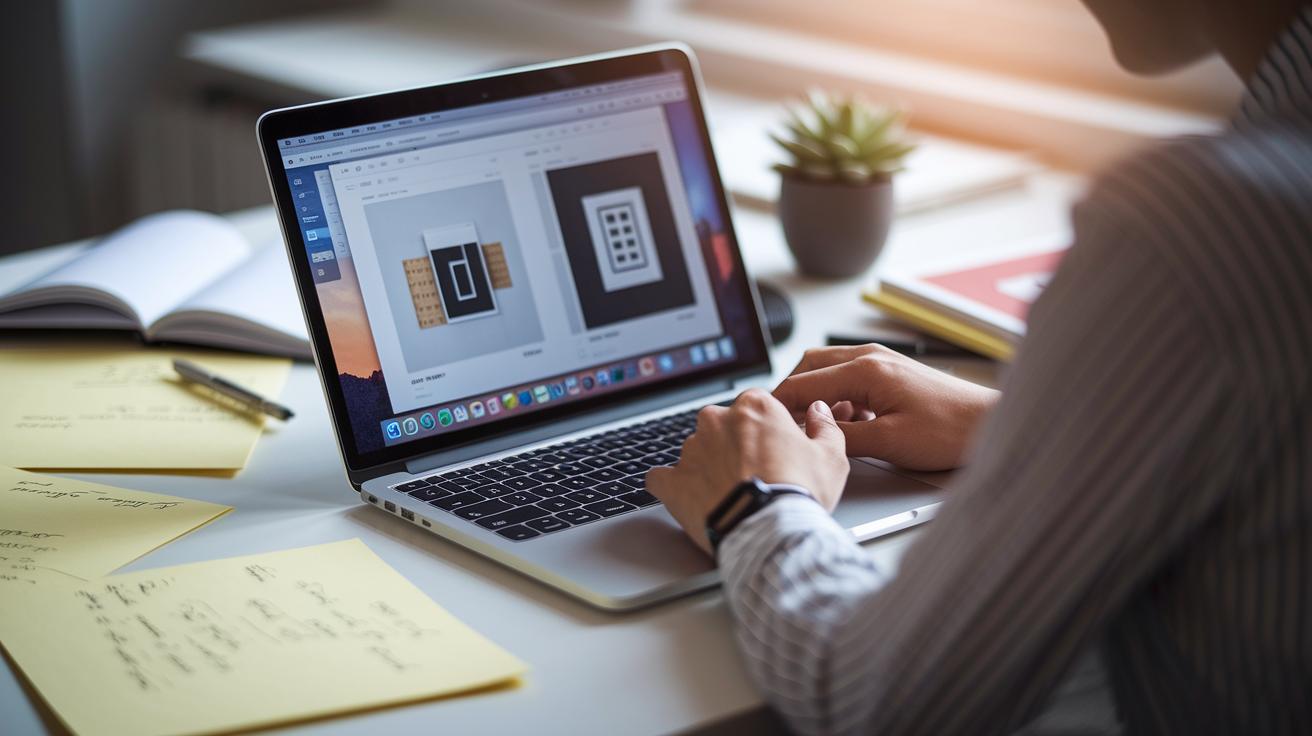
When you follow up with an updated portfolio, it shows you truly care about growing your skills. It’s like telling your interviewer, “Hey, I'm always working on being better.” Mentioning improvements based on feedback not only shows off your progress but also adds a creative sparkle to your work.
Try giving an old project a fresh twist by using the suggestions you got from your chat. Here are some ideas to make your update pop:
- Update a past project with new ideas you discussed.
- Add a few client testimonials that really highlight your style.
- Share a case study that walks through your creative process and problem-solving.
- Include sketches or design tweaks that show your evolving look.
Using these ideas in your follow-up lets the hiring team see how much you value their feedback. It’s a friendly, genuine way to show that you’re always refining your craft. When you share a few fresh examples after the interview, you set yourself apart in a way that feels both creative and sincere.
This kind of update not only shows your progress, but it also paints a clear picture of your creative journey. It's a stylish way to say you’re on top of your game and ready for the next big step in your career.
Building lasting professional connections after a designer interview

Staying in touch shows you care about the role and your career. It’s like saying, “I’m here, and I’m excited.” A quick call or short message keeps your connection warm and puts you on the interviewer’s mind. Plus, it gives you a chance to update them on your latest projects and show real enthusiasm.
- Brief check-in email – Send a short note every week or two asking if there are any updates or if you can answer any more questions.
- Resource sharing – Pass along an article, a design tip, or a creative idea that might catch the interviewer's eye.
- Follow-up call – Set up a quick 10-minute call to touch base and chat about next steps without overwhelming them.
- Progress report – Share a brief update about any new projects or insights that highlight your skills and creative growth.
Keeping in touch is all about balance. While these actions show you’re truly invested, it’s important to give them space to respond. This thoughtful approach builds a strong professional bond and shows that you're ready to jump in and collaborate creatively.
Advanced creative follow-up tactics and multi-stage interview planning

If you want your follow-up game to really shine, try adding a personal, creative twist. A quick video thank-you or a cool digital sketch note can show you’re both detail-focused and totally excited about the role. It’s like a mini performance that speaks to your passion.
When you’re facing multi-stage interviews, plan out each follow-up with care. Think of it as preparing for a runway show where every moment counts. Adjust your message as you move through different stages, and be ready for unexpected design exercises.
Consider these real-life examples:
| Example | Outcome |
|---|---|
| A thoughtful video note | A candidate sent a sincere, quick video right after their interview, and it impressed the team so much that they got invited to the next round. |
| A personal LinkedIn message | One candidate referenced a key moment from their chat in a LinkedIn note, sparking further conversation and landing a cool design task to showcase their skills. |
Pick strategies that match your unique style and let your creative side shine. Experiment with these ideas to craft follow-up messages that feel lively and memorable, just like a perfectly curated outfit that turns heads wherever you go.
Final Words
in the action, this article served up a clear guide on smart follow-up strategies after a designer interview. It breaks down how to send thank-you emails, ask for feedback, update your portfolio, check in, and plan ahead, all in a friendly and simple style.
These tactics help boost your style and confidence. By using these follow-up strategies after a designer interview, you’re setting yourself up for creative wins ahead. Enjoy your next move!
FAQ
What are some follow-up strategies after a designer interview, including Reddit examples, samples, PDFs, and similar ones?
Follow-up strategies after a designer interview include sending a thank-you email that references key discussion points, asking for feedback, and attaching work samples. These approaches are often showcased in Reddit tips and sample documents.
How do follow-up emails and strategies change after one or two weeks, including short and sweet messages?
Follow-up emails sent after one or two weeks should warmly remind the interviewer of your skills by briefly referencing the interview highlights. A short, friendly message reinforces your interest without being pushy.
How do you professionally follow up after an interview?
Professionally following up means sending a clear, concise note within 24–48 hours that thanks the interviewer, highlights your fit for the role, and asks for any available feedback to show your commitment.
What does the 80/20 rule in interviewing mean?
The 80/20 rule in interviewing suggests you spend 80% of your time listening and 20% speaking. This balance helps you understand the role better and lets your thoughtful responses shine.
What is the biggest red flag to hear during an interview?
The biggest red flag during an interview is hearing vague or evasive answers about job responsibilities or company culture. Such responses might signal internal issues that could impact your work experience.
What are the 5 C’s of interviewing?
The 5 C’s of interviewing are clarity, confidence, connection, conciseness, and curiosity. These elements guide you to express yourself effectively, build rapport, and leave a memorable impression.