
Have you ever noticed how the right-fitting shirt can change your whole mood? A great garment feels like it was made just for you, it moves, it holds its shape, and it even has little details that catch your eye. When design meets smart, practical construction, everyday clothes turn into something fresh and stylish. In this piece, we take a closer look at how thoughtful building and creative flair come together to make standout designs that feel both bold and inviting.
Integrating Garment Construction into Fashion Design
Quality garment construction is the backbone of a killer fashion line. It makes sure that pieces not only last but also fit perfectly and catch your eye with their unique style. Plus, when a garment is well made, customers are happier, and the brand shines brighter. The process breaks down into three parts: functional, structural, and decorative. Functional design means the clothes feel comfy and let you move easily, thanks to fabrics chosen for everyday wear. Structural design is all about clean seams and the smart pairing of inner and outer fabrics to create a great shape. And decorative design? It's those stylish finishing touches, embellishments, fun trims, and playful pops of color that make a statement.
The creative journey relies on basic art ideas like line, color, space, and texture. These ideas help designers sketch out clear blueprints that turn their visions into real garments. Think of these blueprints as roadmaps that guide every stitch. Designers also build prototypes, or early models, to test and refine their ideas, making sure the finished piece stays true to its original spark.
When the way a garment is built feeds back into the design, it can steer the whole creative vibe. Smart construction choices can even light up fresh inspiration, much like exploring new fashion design ideas (https://fullswag.com?p=156) that blend creativity with the practical needs of fabric. In the end, mixing technical know-how with artistic flair helps create outfits that not only look amazing but feel just right too.
Blueprint Drafting Fundamentals for Garment Construction

Pattern making is the first step in constructing a garment. It starts by taking a flat design and turning it into pieces like sleeves, bodice fronts, and collars. Designers begin with hand-drawn blueprints that capture rough ideas with simple lines and basic measurements. This approach lets creative ideas flow naturally on paper.
Then comes digital blueprinting using CAD for apparel design. CAD stands for computer-aided design, which helps designers refine their ideas with exact measurements. With these digital tools, adjustments are made quickly and evenly across sizes. Imagine fixing a bodice detail on-screen instead of endlessly erasing and redrawing. It’s a smooth process that keeps the creativity alive while ensuring accuracy.
By combining hand-drawn sketches with modern digital techniques, designers can enjoy the best of both worlds. This mix preserves the charm of initial sketches and boosts efficiency with digital precision. In truth, this blend sets a solid foundation for smart garment construction decisions.
Fabric Selection Criteria in Garment Construction
When you’re picking the perfect fabric, you first need to feel out how it behaves. Start by checking its weight, drape, and stretch. Imagine a silk blouse that flows like water on a calm day, compared to a cotton shirt that holds its shape firmly. Think of it like this: a lightweight fabric moves gently, just like a soft silk scarf caught in a light breeze.
Next, don’t forget that color, texture, and performance really matter. Designers look at each fabric to see if it can bring their vision to life. Does it keep its shape when you move? How does it sparkle in the light? Picture a fabric with a quiet shine, perfect for a dress that needs to be both comfy and eye-catching.
Then there’s the important bit about sustainability. Using eco-friendly materials, like organic cotton or recycled polyester, means you’re not only picking a high-quality textile, but you’re also helping the planet. It’s all about making smart choices that are kind to nature while still looking amazing.
Finally, performance is key. Designers test fabrics in different ways to see how soft and tough they really are. This step is like giving the fabric a little workout to make sure it can stand up to everyday wear – turning a great idea into a stylish, wearable piece you can rely on.
Precision Cutting and Size Grading in Garment Construction
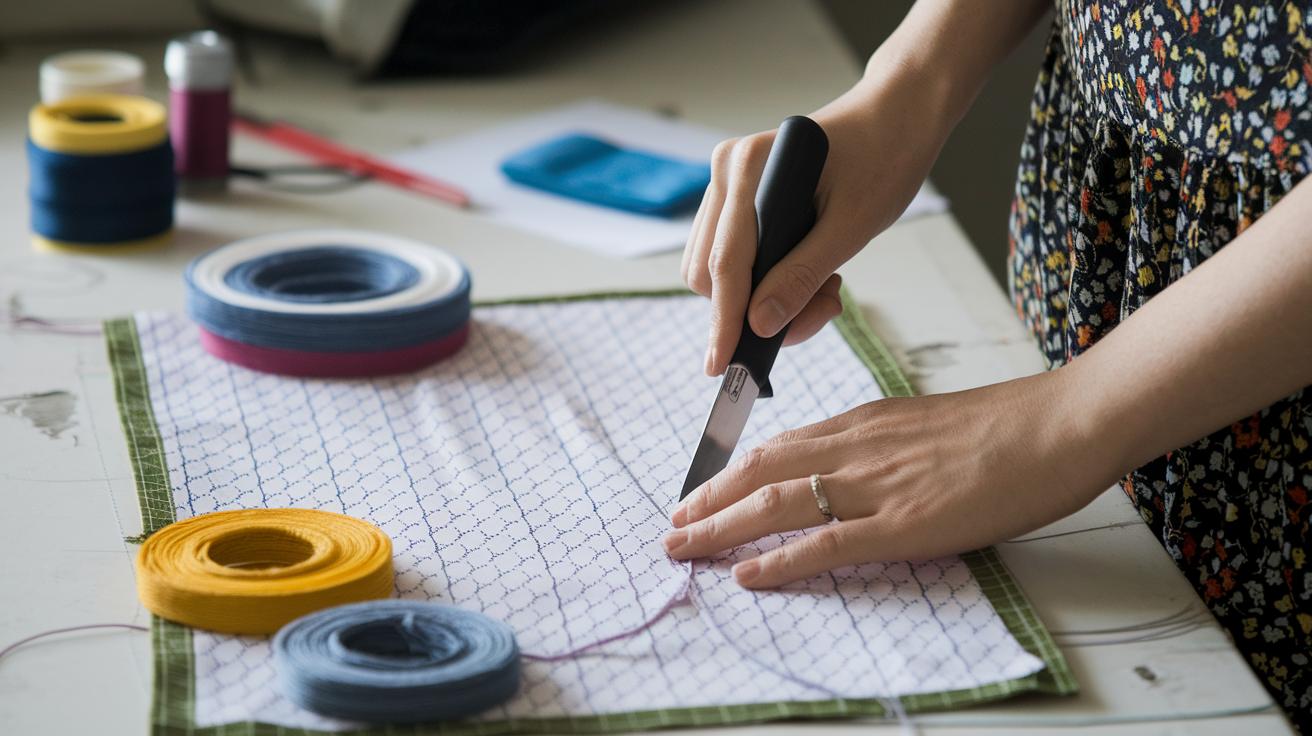
Precision cutting is the heart of making a garment look and feel just right. Designers use sharp scissors or rotary cutters to carefully trace pattern outlines. Think of cutting fabric like slicing through a soft, fresh loaf of bread, clean cuts mean the pieces line up perfectly and look great overall. Plus, being so precise means less wasted fabric, which is always a win.
Size grading is just as important. It takes one pattern and adjusts it smoothly to create different sizes while keeping the same look and feel. Here are a few easy tips:
- Follow clear grading rules so every pattern piece changes nicely.
- Keep the shape ratios similar no matter the size.
- Double-check measurements to make sure every graded piece feels custom-fit.
When done right, size grading makes the whole process smoother and helps avoid mistakes. For example, when a designer scales a sleeve from a medium to a large, these careful techniques make sure the style stays true. The combination of precise cutting and smart size grading means you get a stylish, high-quality garment every time, with less waste and fewer errors.
Sewing Methods and Seam Assembly in Garment Construction
When you're putting together a garment, solid sewing techniques are the secret to a polished look. Designers often start with simple methods like straight stitches, zigzag, and overlock. A straight stitch creates a clean, crisp line, while a zigzag offers extra looseness for fabrics that have a bit of stretch. And overlock? It wraps up raw edges quickly, keeping fraying at bay, just like sealing a secret note with a swift flick of the wrist.
Seam assembly is more than just stitching; it's about adding finishing touches that make your garment strong and stylish. Think of serging as a fast hug for your fabric edges, French seams that tuck away those raw edges in a neat bundle, and flat-felled seams that deliver a tough, long-lasting finish. Each of these techniques play a part in transforming your creation into a piece that stands up to everyday wear.
Pressing is the unsung hero in this process. A well-timed press can turn an ordinary seam into a structured feature that elevates the whole look of the garment. Imagine a stack of smooth, well-pressed fabric panels coming together into a design that feels as organized as it looks.
Here are a few handy tips for stitch assembly:
| Tip | Description |
|---|---|
| Mix Techniques | Use both basic and advanced stitches to suit different fabrics. |
| Press Often | Incorporate pressing between stitches for sharp, clean details. |
| Choose Finishing Methods | Select a seam finishing style that works for your design and saves time. |
Every step you take not only makes your garment look smart but also gives it lasting strength and style.
Clothing Assembly Strategies and Finishing Techniques in Garment Construction
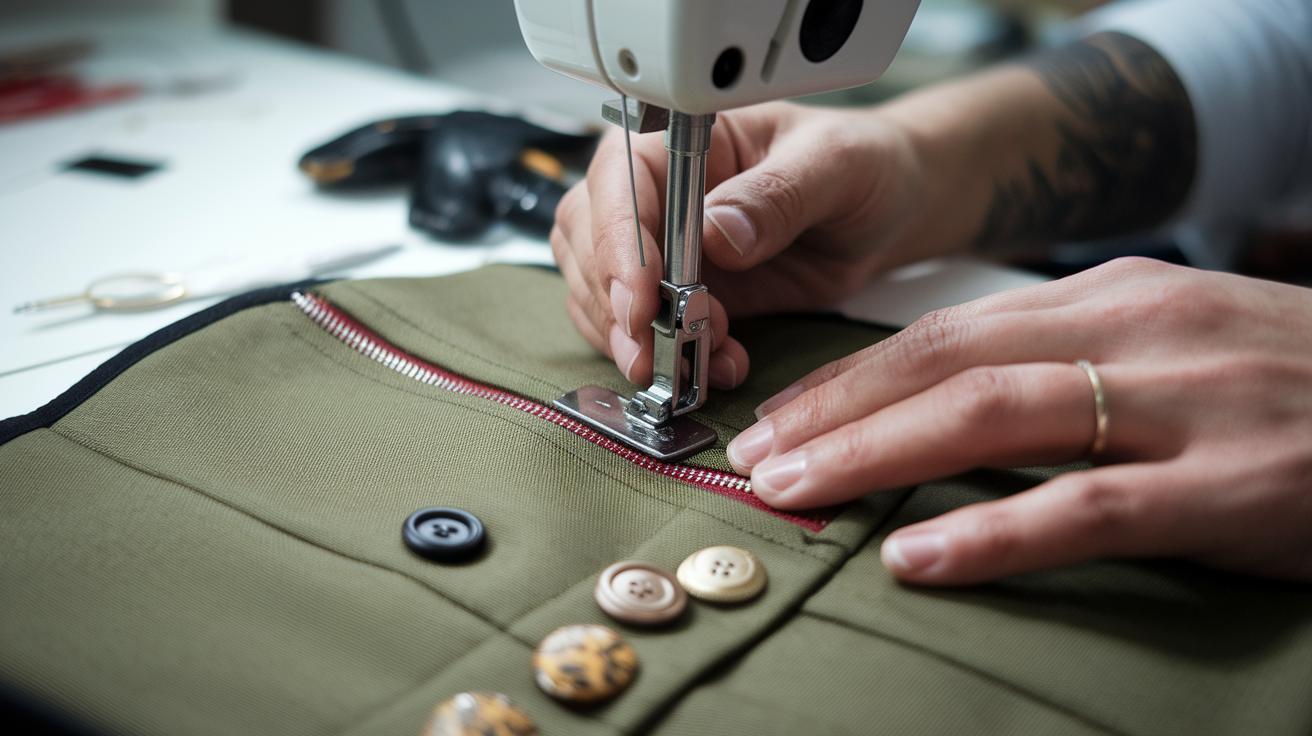
Building a great garment starts with smart assembly. By adding zippers, buttons, and a supporting fabric layer called interfacing (it helps keep things firm), designers create a look that's both strong and sleek. Every element matters, secure fasteners and smooth fabric joins add a solid foundation to the overall style.
Next, refining the seams is key. Using double stitching or flat-felled seams (a way to flatten and secure the join) not only makes the garment look cool but also lasts longer. One designer even mentioned, "A precise press can turn an average seam into a show-stopping detail." That’s why tools like pressing irons and heat setting methods are so important in the finishing process.
Here are some practical steps to keep in mind:
- Carefully plan how you mix components like zippers and buttons.
- Reinforce seams with techniques that prevent the fabric from coming apart.
- Use pressing tools and heat to neatly set the edges and seams.
- Do quality checks to ensure every stitch is even and every fastener is secure.
| Method | Function |
|---|---|
| Edge Stitching | Stops fraying and defines the garment’s shape |
| Heat Setting | Stabilizes seams for a smooth, finished look |
| Pressing Press | Makes sure fabric joins are neat and consistent |
Finally, thorough quality checks help ensure that every stitch is consistent and every fastener is firm. This careful process means the finished garment stands up to everyday wear while still looking effortlessly chic.
Fit Analysis and Quality Assurance in Garment Construction
When we talk about making clothes, nailing the perfect fit is where it all begins. Designers start by checking key measurements and running simple try-ons to see how each piece moves and feels. You know what they say – "Measure twice, sew once." This little saying reminds us that a good check now can save a lot of hassle later. These fit tests help spot spots that might need a tweak for a more natural, comfy feel.
Next, even stitch lines and strong seams are a must for keeping every piece up to quality. Makers use smart cutting, careful sewing, and align the fabric just right to avoid mistakes. They constantly check that seams hold strong, stitches look neat, and that every assembly step matches the design plan. For example, here are a few key steps:
| Step | Description |
|---|---|
| Measure Check | Confirm sizes match the original design |
| Fit Testing | Try on garments to see how they move and feel |
| Ergonomic Review | Evaluate every part for a comfortable, natural fit |
Keeping these checks in mind during production means fewer returns and a stronger brand reputation. With careful fit tests and smart quality checks from the sketch to the final press, every piece can become a reliable favorite. It’s all about the details, one stitch at a time.
Sustainable and Efficient Garment Construction Practices

When you think about eco-friendly garment making, it’s all about creating clothes that last and use less material and energy. Designers now use strong sewing techniques and quality fabrics so that every piece looks cool and stays in shape for longer. This way, you can wear your favorite outfit over and over again without having to replace it all the time.
Next, imagine using a zero-waste blueprint where fabric pieces fit together like the perfect puzzle. It’s like planning a killer outfit where every bit of fabric is used just right, saving both material and cash.
There are also nifty ways to cut down on energy use in production. By choosing smart machines and lowering the heat during manufacturing, makers keep energy use low while still producing top-notch garments.
- Use durable construction methods.
- Optimize fabric layouts to reduce waste.
- Adopt energy-saving production processes.
Every step not only makes garment production more efficient but also pushes fashion towards a greener future.
Garment Construction in Fashion Design: Bold & Smart
These days, prototyping is totally changing the game in fashion design. Designers lean on digital prototyping to walk through 25 key steps that start with perfecting their sketches and lead up to cranking out that very first sample. With cool tools like virtual sampling and 3D drape forming, you can see how fabrics flow on a body without cutting a single piece. Here’s a fun fact: before digital tools, designers would spend weeks reworking patterns by hand, often losing that spark along the way. Now, with quick, iterative fittings and digital tweaks, the process is smoother, cuts waste, and saves tons of time.
Fast prototyping lets designers adjust details on the fly. Each little change is checked out in virtual fitting sessions that feel just like trying on the real thing. This means they can play around with different fabric weights and draping styles, making sure the final sample looks amazing and works just right. This nimble approach not only reduces waste but also keeps production costs in check. Embracing these digital techniques sparks fresh creativity and smart decision-making in every stage of garment construction.
Modern prototyping makes the creative process a breeze and gives designers the freedom to experiment. It strikes that perfect balance between technical precision and artistic flair, turning every design bold and inspiring. Ever notice how a touch of digital magic can transform an idea into a stylish reality?
Final Words
In the action, this article walked through the process of blending creative sketches with practical steps to shape great outfits. We touched on blueprint drafting, fabric selection, cutting techniques, secure seam assembly, and smart quality checks. Each bit contributes to a complete approach in garment construction in fashion design, making designs comfortable, stylish, and sustainable. Experiment with these methods, and enjoy watching your ideas take shape in every stitch. Keep embracing the art of fashion with confidence.
FAQ
What is garment construction in fashion designing?
The garment construction in fashion designing refers to the process of transforming design sketches into wearable clothing by mixing pattern drafting, cutting, sewing, and finishing techniques to achieve proper fit and durability.
What are some examples and the importance of garment construction in fashion design?
The garment construction in fashion design involves precision cutting, varied sewing methods, and finishing touches. This process is key for creating pieces that last, fit well, and attract customers.
What are the construction details in fashion?
The garment construction details in fashion focus on pattern draping, accurate measurements, seam assembly, and finishing techniques like facing, all of which shape a clean, long-lasting design.
Why is facing important in garment construction?
The garment construction facing is important because it covers raw edges, improves fit, and boosts garment longevity by keeping seams neat and reducing wear.
What are the two main methods of constructing a garment?
The garment construction main methods involve using hand-drawn pattern drafting and modern digital pattern making with CAD tools, both techniques that achieve precision in fit and design.
Where can I find garment construction classes near me?
The garment construction classes near you are available at local fashion schools, community colleges, and specialized workshops offering hands-on training in pattern drafting, sewing methods, and construction techniques.