Ever wondered why some designer interviews succeed while others don't? Your creative spark is key, but a little preparation goes a long way. This guide is like chatting with a friend about the latest style secrets. Learn the vibe of the company, build a confident pitch, and highlight your best project.
With a bit of smart research and everyday practice, you can turn even the trickiest questions into your moment to shine. Ready to swap those nerves for a burst of confidence? Let's tackle your designer interview with clear steps and a dash of bold creativity.
Key Strategies to Prepare for a Designer Interview

Start by doing your homework. Find out about the job and the company culture by checking out their design work and reading their statements. This helps you craft answers that feel personal, especially when they ask, "Why do you want to work here?" For example, linking your favorite creative inspirations to the company's style can really set you apart.
Next, polish up your elevator pitch. When you’re asked, "Tell us about yourself," try mixing your hobbies and design background. Think of it like, "I’ve always loved blending classic art with modern tech, which pushed me to dive into digital design that honors both tradition and innovation." This brief snapshot builds a confident vibe right from the start.
Pick one portfolio project that really shines. Choose a piece where you can clearly walk through the brief, your process, the tools you used, your choices, and the final result. A simple checklist might include:
| What to Include | Description |
|---|---|
| Your Goal | What you aimed to achieve |
| Process | Step-by-step walkthrough of your design process |
| Tools | Why you chose certain tools |
| Creative Choices | Your reasoning behind each decision |
| Results | Results, client feedback, or impact of the project |
Also, run through some sample questions. Practice answers about your design inspirations or how you tackle tight deadlines, you know, like a quick dress rehearsal before the big show. And don’t forget to jot down a checklist covering your research, pitch, portfolio pick, and rehearsed answers so you’re ready for anything. For more tips, check out how to ace a designer interview at https://fullswag.com?p=
Researching the Role and Company Culture Before a Designer Interview
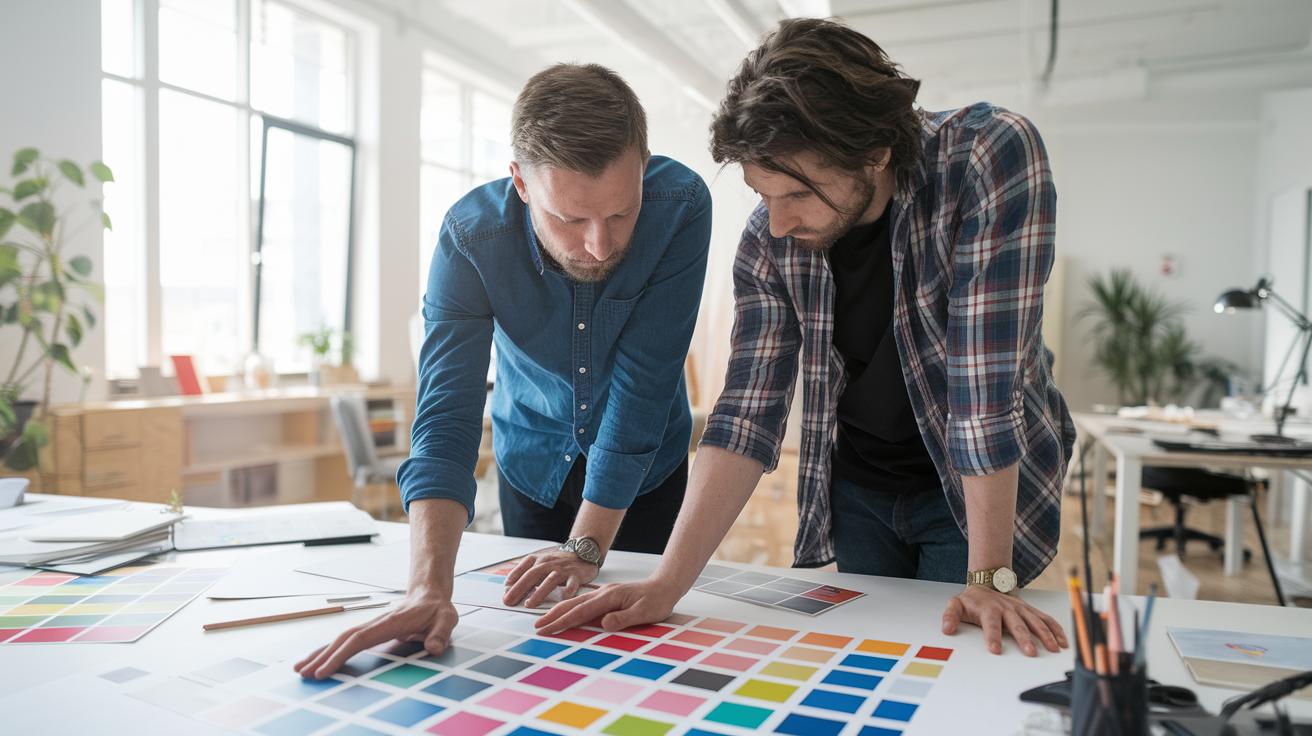
Kick things off by diving into the job details and getting a feel for the company’s style. Look into what the role actually involves and how the design team works together. For example, if someone asks, "Why are you interested in working for our company?" try linking your favorite design trend to a recent campaign they launched. I remember spending one summer exploring modern architecture, talk about reshaping your whole design approach!
Next, check out the company’s mission statement and recent projects. Browse their website, peek at social media, or even read press releases. It’s like getting a behind-the-scenes look at why their creative work stands out and seeing how your own skills could be the perfect match.
Here are some key points to keep in mind:
| What to Look For | Why It Matters |
|---|---|
| The design principles the company values | It shows what they care about and how you can fit in. |
| Recent collaborations or partnerships | It hints at their creative network and fresh ideas. |
| Details about their creative process and client base | It helps you understand how they work and who they serve. |
| Mentions of design innovation or sustainability trends | This tells you where the industry is heading and what they’re excited about. |
| Your own design experience and values | It’s all about showing how you naturally align with their culture. |
This solid research helps you answer culture-fit questions confidently, proving you’re not just passionate but also prepared to bring your unique style and skills to the table.
Crafting and Refining Your Portfolio for a Designer Interview
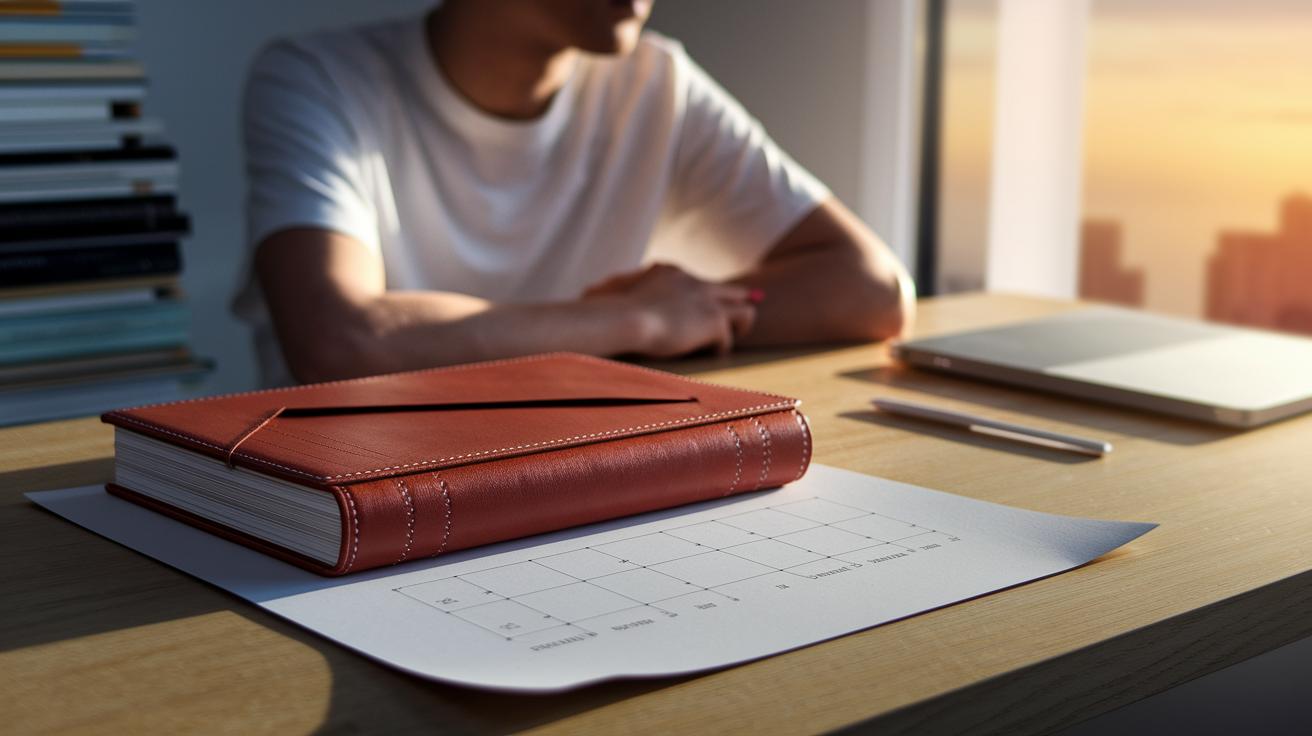
Take a good look at your portfolio like you’re flipping through a photo album of your creative journey. Choose one project that really shows how you took a simple brief and turned it into something amazing. Explain your process in a clear and relaxed way that fits what the job is looking for.
Try organizing your work in order of time, highlighting those big milestones. It’s like telling your personal style story, one step at a time.
- Show off projects with clear goals and solid results
- Mix in a variety of design tools and software skills, so your technical side shines
- Share a bit about working with others and what clients had to say
- Include crisp visuals with short, easy-to-read captions
- Arrange your projects so the ones that match the role come first
Keep your work updated year by year to keep your story fresh and perfectly tuned to what future employers want to see.
Optimizing Your Visual Resume for a Designer Interview
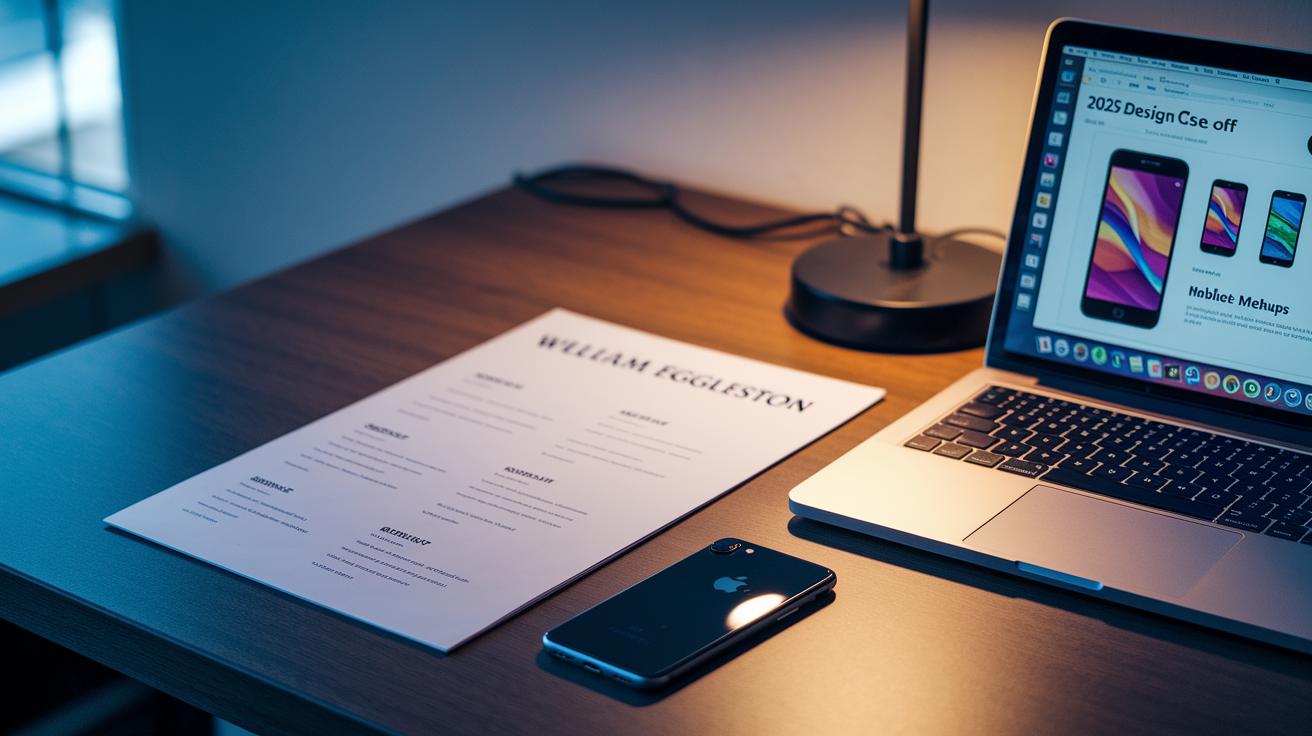
When you're getting ready to showcase your visual resume, make it a treat for both the eyes and the brain. Think of it as your first chance to flaunt your design flair. You might choose a PDF for that tight, controlled look, or an online portfolio link to let interactive designs shine and deliver modern vibes.
It’s smart to include mobile-friendly mockups that show your style adapts on any screen, whether you’re checking it out on your phone or desktop. Keep your file names simple and neat, like “2025_design_case_project.pdf.” A clear title tells its own little story.
Next, toss in a few brief design case highlights. Mention key software skills and spotlight notable projects with short, punchy captions that reveal your creative process. For example, you could share, “Refined digital artwork using industry-standard software, boosting production speed by 30%.” This clear snapshot can help your resume truly stand out.
Practicing Sample Questions and Challenges for a Designer Interview

Getting ready for a designer interview can feel a bit like stepping onto the runway, you’re set to show off your creative spirit and practical skills. You know, they often mix up questions into fun groups like personal stories, talk-about-your-work, quick design challenges, and even chats about pay and next steps. This helps them get a real sense of your style and how you handle surprises.
For those personal or behavioral questions, you might kick things off with an elevator pitch when they ask, “Tell us about yourself.” This is your moment to blend your hobbies with your work story. You could share something like, "I turned a tough brief into an amazing piece using my quick problem-solving skills, proving that a bit of pressure can really spark my creativity." And, if they ask about your strengths or even weaknesses, back your answers up with a clear, real-life example. It shows you’re honest and ready to learn.
When you move to discuss your portfolio and campaign projects, be prepared to walk them through your work step by step. Talk about what the brief was, how you got into the creative flow, and which design tools you used, like explaining why you picked a calming color palette that boosted audience engagement. This part helps them see your take on design details and your knack for handling creative challenges.
Then come the design thinking or quick challenge tasks. Sometimes you might need to sketch out or talk through a solution on the spot. You can keep it simple by saying, "First, I pick up the key details, then I toss around a few ideas, and finally, I choose the one that pops the most." This way, you show your clear and steady process even when the pressure is on.
Don’t forget to get ready for salary talks and any post-interview questions. Share a little about what you learned from your market research and mention that your expectations match your skills. Having a couple of smart questions ready shows you’re really interested in growing into the role.
Mastering Interview-Day Etiquette and Presentation for Designer Interviews

Kick off your morning by choosing an outfit that feels both creative and professional, one that really shows your unique style and fits the role you're aiming for. Think of it as your personal statement that blends flair with business smarts.
Next, get there a few minutes early. This isn’t just about being punctual, it gives you a chance to settle in and vibe with the atmosphere. A relaxed start helps you feel ready for whatever comes next.
Here are some friendly tips for the day:
- Wear clothes that mix innovative style with a neat, put-together look.
- Pack your essential gadgets and any printed work neatly in a bag so you can grab them easily.
- Plan to be on time or a little early to dodge any last-minute hiccups.
- Welcome your interviewers with a warm smile, a confident handshake, and steady eye contact.
- Keep a good posture whether you’re standing or sitting, it shows you’re calm and ready.
- Speak clearly with a relaxed tone that invites conversation.
All of these little details help set the scene for an engaging chat that shows your creative side. It’s all about letting your personality and design skills shine, both through your work and how you present yourself.
Following Up and Reflecting After a Designer Interview
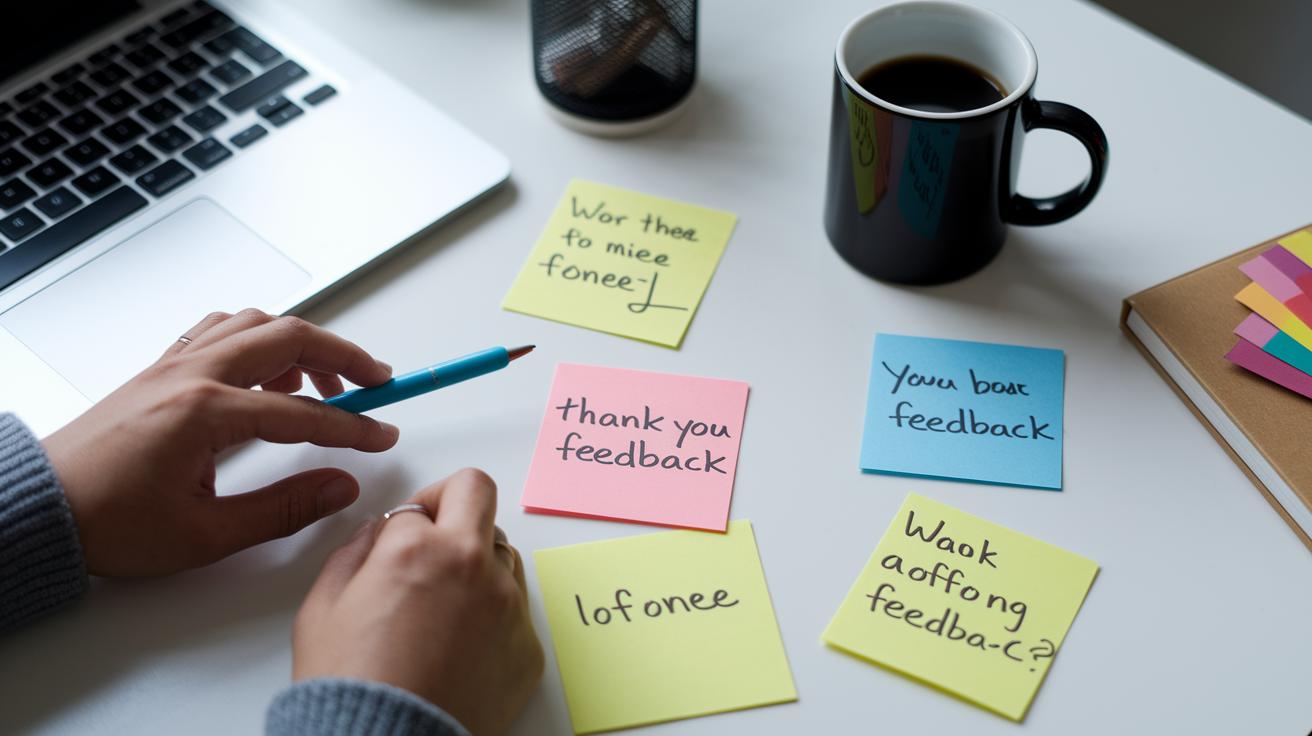
Right after your designer chat, send a warm, personal thank-you email. Mention a few details from your conversation like, "Talking about creative strategies really lifted my spirits and got me excited about your team." This simple note shows you value their time and that your style vision is clear.
Take a little time to gather feedback too. Write down the parts where you shined and note the areas that could use a bit of work. Think back to the questions that made you pause, and remind yourself of your strongest qualities.
Consider these steps:
- Write a thank-you note that highlights a few memorable moments from your conversation.
- Ask for feedback to help you prepare for your next opportunity.
- Update your portfolio and resume with fresh ideas from the interview.
- Reach out and stay connected with your new contacts for future opportunities.
Final Words
In the action, you’ve seen the essentials: researching company culture, refining your portfolio, organizing your visual resume, and practicing sample questions. Each step builds your confidence and presents your creative best on the interview day.
The guide gives smart tips on how to prepare for a designer interview, from tailored presentations to polished etiquette. Every part adds up to a standout impression.
Keep practicing and stay excited about leveling up your style.
FAQ
How do I prepare for a designer interview?
The ways to prepare for a designer interview include researching the role, refining your portfolio, practicing your elevator pitch, and rehearsing sample questions. Sources like Reddit discussions and PDF guides offer varied insights.
What type of questions should I expect in a design interview, including technical and qualitative research perspectives?
The design interview typically includes portfolio reviews, technical queries, and qualitative research questions that explore your creative process, tool expertise, and decision-making methods.
How can I design interview questions for qualitative research?
The approach to qualitative research interview questions focuses on open-ended queries that encourage detailed responses, offering insights into personal experiences and creative problem-solving techniques.
What resources are useful for preparing for system design interviews?
The resources for system design interviews include guides like System Design Interview by Alex Yu, insider volumes, PDFs such as Cracking the System Design Interview, Reddit threads, and generative AI system design practices.
What are the 5 C’s and 3 C’s of interviewing, and how do they apply?
The 5 C’s and 3 C’s involve qualities like clarity, confidence, and communication. They help assess candidate responses by emphasizing concise, compelling answers that reflect true capabilities.
How does the 80/20 rule apply in interviewing?
The 80/20 rule in interviewing emphasizes focusing on the major experiences and skills that deliver the most impact, allowing you to concentrate on key achievements that represent your design expertise.
What key books are recommended for system design and scalable applications?
The key texts include Designing Data-Intensive Applications and Domain-Driven Design, which offer practical perspectives on building scalable, maintainable systems and addressing complex software challenges.