
Ever notice how the right fabric can make a design really stand out? It's like finding the secret that turns a basic idea into something special. A clear plan helps you avoid mistakes and shows you exactly how to mix, test, and negotiate with fabric suppliers. Think of it like picking the best ingredients for your favorite recipe. Stick with me as we explore a simple four-step plan to choose quality fabrics that capture the true spirit of your brand.
Key Strategies for Material Sourcing in Fashion Design
When you set up a clear plan for sourcing materials, you steer clear of mistakes and keep your costs in check. It gives you a solid structure for your creative process and helps you choose fabrics that truly fit your vision. Ever noticed how knowing exactly what fabric you need – whether it's for a gentle drape or just the right amount of stretch – makes planning so much easier?
A smart, step-by-step approach also builds a strong base for your future projects. It lets you mix and match different supplier offers, check out sample quality, and even negotiate prices smoothly. Plus, it supports eco-friendly practices that matter to your brand. In truth, a plan like this keeps your collection on trend and true to what you stand for.
- Understand fabric construction. Learn all about how fabrics are made, from the type of fibers and weave techniques to the natural qualities that affect a garment’s feel and performance.
- Identify supplier options. Explore global networks and online markets to find reliable, quality providers who can bring your ideas to life.
- Evaluate samples. Test the fabrics for things like color accuracy, texture, and weight to be sure they match your design needs.
- Negotiate terms. Talk over details like minimum order quantities and costs so that every deal supports your production goals without cutting corners.
Strategic sourcing is more than just saving money, it fuels design innovation and shapes your brand’s place in the market. With this simple four-step plan, you’re ready to build collections that not only show off your creative spirit but also meet high quality standards, winning over style-savvy consumers along the way.
Defining Fabric Requirements for Fashion Design Collections
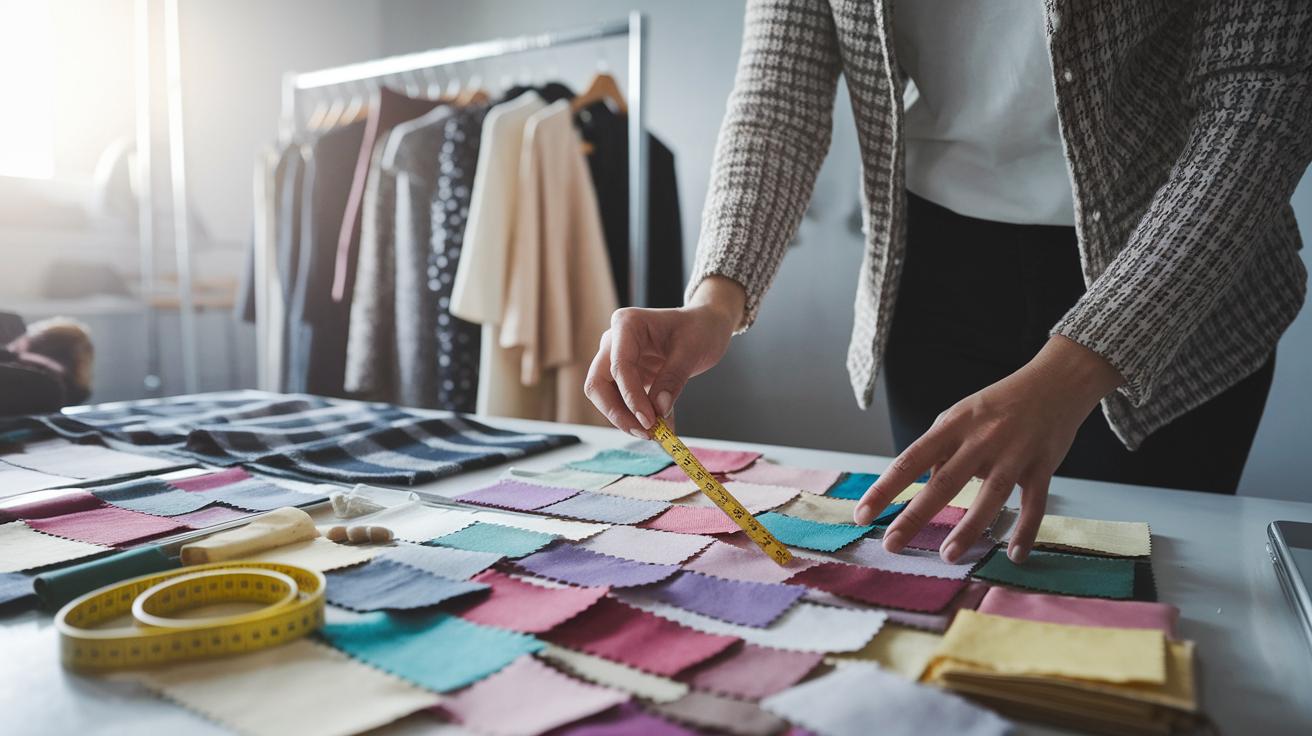
When planning your collection, start by grouping your garments into simple categories like t-shirts, activewear, or formal wear. Think about what each piece is meant to do. For example, a t-shirt should use fabric that stands up to everyday wear and keeps you cool, while formal wear might need a material that flows elegantly and feels smooth to the touch. Choosing the right fabric means balancing everyday comfort with that special, standout feel, all without making things overly complicated.
Next, match each fabric’s qualities to your brand’s style. Consider key elements like weight, stretch, breathability, and drape. A light, breathable fabric is ideal for activewear that moves with you, and a luxurious drape can transform a formal piece into something truly special. By testing each fabric for performance and opting for sustainable options, you ensure your collection meets high-quality standards while staying true to modern, eco-friendly values.
Identifying and Accessing Supplier Channels for Material Sourcing
Trade shows and industry events are great for meeting fabric experts and potential suppliers face-to-face. At these gatherings, you can chat with professionals, ask questions right away, and even feel the textures of the materials. For example, a local fabric expo lets you see the bright colors and soft fabrics up close, helping you decide if they're right for your designs. Plus, talking with other designers can give you handy tips on finding the most innovative fabrics.
Online marketplaces are changing the game for sourcing quality supplies. Websites like Alibaba let you filter your search by location and type of fabric, making it a breeze to compare vendors. When you explore detailed listings, keep an eye on the fabric’s features and ratings, and don’t hesitate to request samples. This way, you can test for stretch, drape, and breathability. It’s like having a global fabric fair right at your fingertips.
Local distributors and boutique suppliers offer a more personal touch. They can quickly provide stock fabrics and share their local expertise, which is especially helpful when you’re on a tight schedule. Scheduling in-person meetings or store visits allows you to inspect the fabric’s texture and color consistency first-hand. This personalized approach may uncover unique fabric options that add a fresh twist to your designs.
Evaluating Fabric Samples for Fashion Material Quality
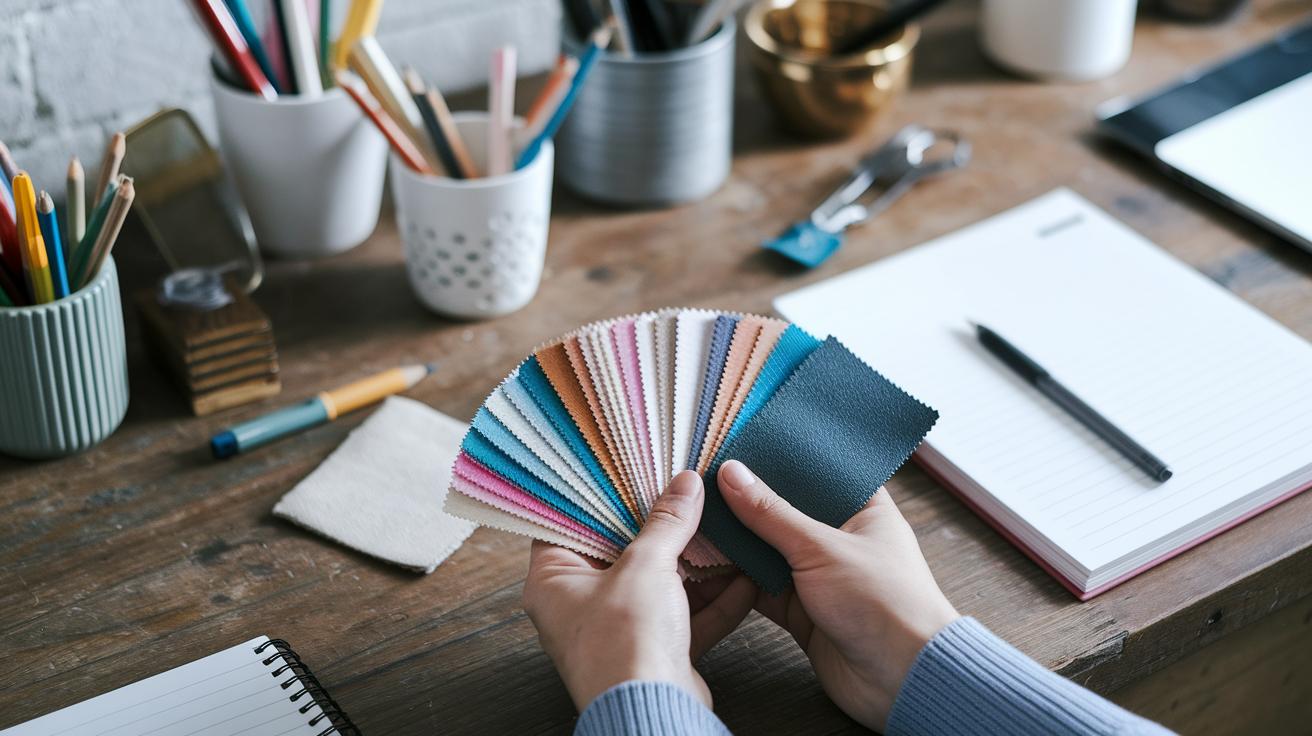
When you order fabric samples, you're taking a smart step to make sure your designs feel just right. Sampling lets you see and feel the material up close before you decide on a big order. You get to check its texture, brightness, durability, shrinkage, pilling, and fading. Think of it like trying on a sneak peek outfit, you see if it's perfect without any surprises later. Ever notice how the feel of a fabric in your hand can tell you so much about its quality?
| Test Type | Purpose | Acceptance Criteria |
|---|---|---|
| Texture | Feel for softness and smoothness | Even, comfy feel without harshness |
| Color Vibrancy | Look at the clarity and brightness of the hue | Bright, uniform color |
| Durability | Check how the fabric holds up with wear | Resistant to fraying and tearing |
| Shrinkage | Test how the fabric behaves after washing | Little to no size loss |
| Pilling | See if the fabric forms tiny balls after rubbing | Stays smooth without pilling |
| Fading | Make sure the color stays rich over time | Color remains vivid with use |
For large orders, keeping things consistent is key. Run a marker test with your patterns to figure out your yardage needs and see that every fabric lot matches in both texture and color. This little step ensures your production stays high quality and true to your design vision.
Negotiating Costs and Terms in Fashion Material Sourcing
When you're sourcing fabric, handling minimum order quantities (MOQs) is a big deal. Many suppliers only sell in bulk, which can put a strain on your budget. But here’s a neat trick: mix different colors or team up with local partners to combine orders. Imagine pooling orders from similar designs, it eases the pressure of large orders while keeping things flexible.
Next, always look past the sticker price by breaking down the total landed cost. It’s not just about the fabric price; you also need to count in shipping, customs, and duties. It’s like buying a cool accessory, the price tag might change once you add care and handling fees. By keeping track of every extra cost, you can negotiate layered pricing that truly fits your budget.
Lastly, nail down clear supply agreements to protect both fabric quality and delivery schedules. Be upfront about pricing, delivery dates, and payment details. Write down every important point, even who pays for extra fees. This way, you build trust and set the stage for a smooth, ongoing business partnership that supports your creative ideas and steady production.
Integrating Sustainability into Fashion Material Sourcing
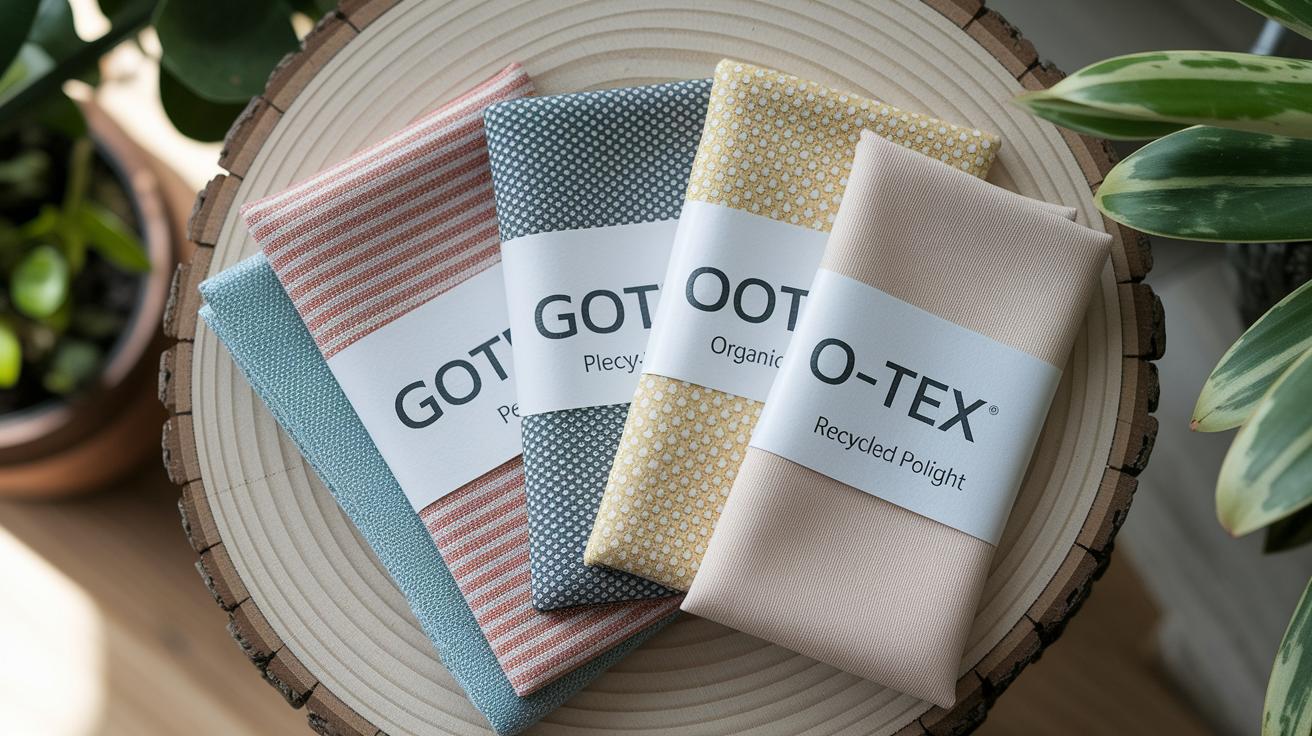
When it comes to selecting fabrics that care for both style and our planet, the journey starts with certified materials. Look for organic, recycled, or sustainably made textiles that come with trusted labels like GOTS or Oeko-Tex Standard 100. These badges, which confirm safe and eco-friendly practices, let you know that your organic cotton, recycled polyester, or responsibly sourced linens meet strict standards. This careful choice helps you build a collection that looks fabulous and stays true to ethical values.
It’s a smart move to pick materials that feel as good as they perform. Whether you love the breezy feel of a natural linen blend or the sturdy modern vibe of recycled fibers, quality fabrics make a real difference. When you run your fingers over a fabric that feels smooth and cared-for, you can tell it was made with attention. This method not only boosts comfort and fit in your designs but also shows a real commitment to eco-friendly practices that your customers will love.
Don’t forget to check up on your suppliers, too. Ask for details about how they produce their fabrics, their environmental standards, and their traceability records. This transparency builds trust with partners who share your ethical values, ensuring that every fabric batch you receive is as sustainable and high-quality as you need it to be.
Digital Tools and Trends in Fashion Material Sourcing
Virtual showrooms and smart discovery platforms totally change how you search for fabrics. With just a few clicks, you can browse many textiles in crystal-clear detail, spotting the textures, bright colors, and gentle drape as if you were feeling them in person. Real-time inventory tracking shows what’s in stock, and easy-to-use filters help you narrow your search based on your design needs. Imagine logging into a platform that instantly displays fabrics matching your criteria, it’s almost like feeling every material without even touching it.
Staying on top of design means keeping up with new trends and cool fabric launches. Modern platforms not only show you today’s materials but also highlight upcoming fiber technologies that add a fresh twist to your vision. These tools deliver the latest market trends and future forecasts, guiding your design choices. Picture a system that flags new fabric textures, helping you plan a collection that feels fresh and one-of-a-kind. By blending a virtual experience with trend insights, you gain the winning edge to create collections that really stand out.
Final Words
In the action of streamlining design practices, this article laid out a clear framework for material sourcing for fashion design. It covered understanding fabric construction, carefully choosing suppliers, testing samples with a keen eye, and negotiating wise terms, all while considering sustainability and tech-savvy tools. Each step builds a solid foundation for smart decisions and exclusive opportunities. With these insights, fashion enthusiasts can confidently elevate their style choices and watch their ideas flourish in the ever-changing world of fashion.
FAQ
What does fabric sourcing in fashion design mean and what are some examples?
Fabric sourcing in fashion design means picking out suppliers, ordering samples, and negotiating terms to meet your design needs. Examples include trade shows, online platforms, and local fabric outlets where designers find quality materials.
How can fashion designers source fabric online?
Sourcing fabric online gives designers access to many suppliers and digital catalogs. It allows easy comparison of prices, quality, and sample availability from both local and international vendors.
How do trade shows assist in fabric sourcing?
Trade shows help designers meet vendors face-to-face, inspect fabric samples closely, and discuss details. They provide hands-on experience and direct contact with suppliers that can boost sourcing confidence.
How can I source fabric for my clothing line?
Sourcing fabric for a clothing line involves researching suppliers, testing samples, and negotiating order details. It means finding materials that fit your style and production standards while keeping costs in check.
What role do fabric swatches play for fashion designers?
Fabric swatches let designers feel and see the fabric’s texture, color, and weight before making larger purchases. They are key tools for comparing options and making informed material choices.
What do fabric sourcing jobs involve?
Fabric sourcing jobs cover finding vendors, checking fabric quality, managing sample orders, and negotiating with suppliers. Professionals in these roles help brands secure reliable textiles for creative collections.
How do fabric sourcing companies support designers?
Fabric sourcing companies assist designers by connecting them with verified suppliers, handling quality checks, and negotiating fair prices. They streamline the search for materials that match a brand’s design and budget needs.
Where do fashion designers usually source their fabrics?
Designers source their fabrics from trade shows, online marketplaces, and local distributors. They mix digital and in-person methods to find the best materials for their creative and practical needs.
Where do luxury brands like Dior and Ralph Lauren get their fabrics?
Luxury brands rely on established textile producers from around the globe. They work closely with trusted suppliers and use detailed sampling and testing to secure exclusive, top-quality fabrics.