
Ever thought that a few simple lines could completely change your design process? Patternmaking is where your ideas come alive, turning into something you can actually wear. It starts with basic tools, a bit of hand-drawing, and some digital tweaks that bring your vision to life. Imagine a quick sketch slowly morphing into a perfectly fitting piece; every line you draw is a spark of your creativity. This approach not only inspires fresh style, but also reminds us that every great design begins with one careful, thoughtful pattern.
Patternmaking Foundations for Fashion Design
Patternmaking is the backbone of turning your creative ideas into wearable art. It all starts with a basic Missy size 10 pattern set, crafted using hands-on techniques inspired by Armstrong's 5th edition approach. Imagine jotting down a quick sketch that captures the gentle flow of a garment, this simple doodle sparks a detailed configuration that becomes the blueprint for your design. (Check out sketching for fashion design – https://fullswag.com?p=286)
For those who love getting hands-on, traditional tools like rulers, curve templates, and quality paper guide you step by step. You measure, draw, and mark key points to shape a pattern that hugs the body just right. There's something wonderfully satisfying about feeling the precision in every line you draft.
At the same time, digital methods bring a refreshing burst of speed and accuracy. With the TUKAdesign module in TUKAcad, you import your measurements to create a five-piece basic block on-screen. It lets you adjust ease, play with seam allowances, and quickly refine your design using intuitive grading tools. Narrated video screen recordings walk you through every step, making the mix of manual craft and digital magic easy to follow.
This approach, blending traditional drafting with modern digital tweaks, sets the stage for designing custom-fit garments that truly resonate. It’s a blueprint that not only supports your creative process but also brings each stitch and curve to life.
Manual Patternmaking Methods in Fashion Design
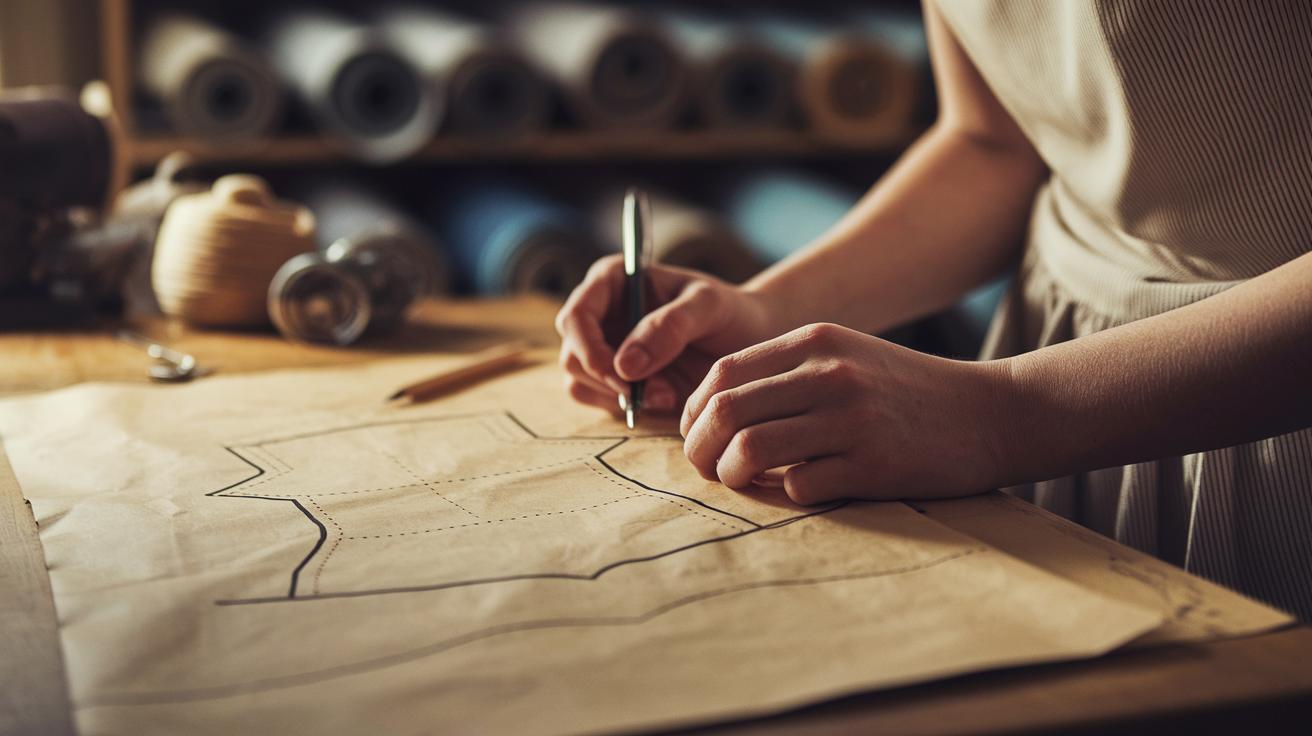
Start by gathering your basic tools, you'll need a sturdy ruler, a curve ruler to help draw smooth curves, a measuring tape for your body dimensions, and some good quality pattern paper. For a size 10 form, begin with a centerline that splits your paper just right. This is the foundation of your bodice block.
Next, mark your shoulder, waist, and hip lines on the paper. Think of it like sketching a simple portrait of your design. Start with a clean centerline that divides your paper into two equal parts, then add lines outward with careful pencil strokes to shape your bodice.
After you’ve set your lines, use a ruler to draw horizontal marks for key measurements, and don’t forget to leave seam allowances so you have room to move. A quick tip: measure twice, mark once. The curve ruler is really handy here, helping you make smooth curves in the armhole and neckline that let the design flow naturally.
Tools you’ll need:
| Tool | Description |
|---|---|
| Ruler | For drawing straight lines |
| Curve ruler | For smooth, graceful curves |
| Measuring tape | To check and record body measurements |
| Pattern paper | Paper like tracing paper or muslin, ideal for patterns |
Finally, look closely at where your lines meet and adjust any curves as needed. Imagine drafting a graceful swoosh, much like the soft, flowing stroke of a brush, it captures the true shape of your bodice.
Taking your time with these simple steps builds a strong base for your design, and each careful line means your final pattern will be as unique and stylish as you are.
Digital Patternmaking Techniques for Fashion Design
Begin by launching TUKAdesign in TUKAcad to load your exact measurements and build a five-piece block. This block acts like your blank canvas, ready for tweaks in ease and seam allowances, a smart blend of digital precision and classic style.
Next, play around with digital grading tools to adjust details such as the armhole, neckline, and side seams. Ever feel like your neckline could use a little extra room? A few quick clicks let you modify it effortlessly, almost like brushing gentle strokes on a fine piece of fabric.
The interface is super friendly, letting you export files or craft digital markers that update your measurements instantly. Picture working on a wrap dress: a small tweak here for a graceful flow, and your digital guide makes sure every fold sits just right.
When you compare these digital costume design tools with traditional hand-drawing, you see a perfect mix of creative art and clear precision coming together to elevate your design process.
Draping Methods and Advanced Draft Techniques in Patternmaking

Draping on a dress form is a fun, hands-on way to see how fabric moves and hugs a body. Armstrong’s textbook shows us the basics of draping that bring designs to life. Start by pinning your fabric on a form so it gently curves along the bodice, creating a custom feel. Think of the fabric as a living canvas that adapts to every curve as you work.
Next, try some advanced cutting techniques to add stylish details. Bias-cut drafting means cutting the fabric on the diagonal, which gives a softer and more natural flow to the piece. It makes the garment both flexible and flattering. Another cool trick is princess seam manipulation, which shapes the garment without needing traditional darts. Tweak those seams, and you'll see how they enhance the curves around the bust, waist, and hips.
Mixing these methods not only boosts your creative flair but also gives you the professional tools top designers adore. Every little change, from the first fabric placement to adjusting a seam, can transform a design into a unique, tailored masterpiece. Enjoy the process and let your style shine through with each creative touch.
Size Grading, Fit Alterations, and Measurement Conversion in Patternmaking
Imagine starting with a trusty Missy size 10 block, your blank canvas for creative size grading. With digital tools like the TUKAcad bundle, you can easily stretch this foundation into a full range by tweaking ease and seam allowances. It’s a bit like curating your favorite playlist, each click fine-tunes the vibe, turning one pattern into several sizes while keeping that perfect fit.
At the same time, good old manual methods, like Armstrong’s grade-rule system, still play a key role. You mark important points and work out small changes by hand, making sure every adjustment keeps the balance between comfort and style. Ever thought of it as gently shifting the side seam on a bodice? Each precise mark sets the stage for a garment that hugs just right.
Getting your measurements right is also super important. Whether you’re using metric or imperial, conversion tables help you keep everything consistent. For example:
| Metric (cm) | Imperial (inches) |
|---|---|
| 100 | 39.37 |
| 50 | 19.69 |
| 25 | 9.84 |
In truth, it’s all about merging digital precision with timeless, hands-on craftsmanship. Every measurement and grade rule you apply turns a simple pattern into a design that feels personal and fits a wide range of body shapes.
Resources and Templates for Patternmaking in Fashion Design

Finding the right resources can really boost your creativity and help you hone your patternmaking skills. One cool option is the TUKAcad Course Bundle. It mixes lessons on pattern making, grading, and marker making. The video guides have a friendly vibe, explaining every step as if you were chatting with a mentor over coffee.
You can also grab free block charts designed for flat drafting basics. These charts give you a jumpstart on creating a solid, measured pattern that you can tweak as your design grows. Ever notice how just a few printed lines can turn your rough sketches into something real?
Then there are the wrap-dress and skirt blocks that make visualizing your design super clear. They offer a neat little guide for experimenting with new looks, like using a wrap-dress template to help drape a breezy top or a skirt block to nail the right balance of volume and shape.
- TUKAcad Course Bundle for complete video lessons
- Free downloadable basic block charts for an easy start
- Templated wrap-dress and skirt blocks for focused design experiments
Each resource is here to make learning fun and help you turn a simple idea into a show-stopping garment.
Helen Joseph Armstrong's Legacy in Patternmaking for Fashion Design
Helen Joseph Armstrong left a lasting mark on fashion that still sparks creativity in patternmaking today. Her textbook quickly became the go-to guide for students and pros, mixing clear, step-by-step instructions with a dose of artistry. She changed the way dress blueprints were drawn by blending precision with a creative flair, encouraging countless new designers to try out hands-on techniques and sharpen their drafting skills. Many schools even weave her methods into their courses now.
Every time you see carefully measured tracing paper or hear a passionate classroom chat, Armstrong’s influence shines through. The journey from old-school drafting texts to today’s slick, modern techniques bears her signature style, proving her ideas work just as well today as they did back then. Her easy-to-follow instructions and knack for breaking complex concepts into bite-sized steps have opened doors for creative pattern adaptations. In turn, a new generation of designers continues to honor tradition while boldly exploring new horizons in fashion.
Final Words
In the action of breaking down the patternmaking process, we explored both hands-on techniques and digital strategies. Each section highlighted basic apparel drafting fundamentals, garment design blueprint principles, and even draping methods for a perfect fit. Helen Joseph Armstrong’s methods remind us that time-tested practices can mix with modern flair in patternmaking for fashion design. Every step guides you toward smarter style choices and deeper industry insights. Keep experimenting and let your creativity shape a fearless, refreshed look.
FAQ
Where can I find PDF copies or editions of Patternmaking for Fashion Design by Helen Joseph Armstrong?
Looking for Armstrong’s guide means many sites offer PDF versions and diverse editions, including free and current releases. Check reliable academic libraries and authorized platforms for your design toolkit.
How do fashion designers make patterns?
Fashion designers make patterns by manually drafting shapes with tools and using digital software to refine and grade sizes. These steps help translate initial sketches into wearable pieces that fit well.
What are the 5 pattern making techniques?
The five techniques include flat drafting, draping, manual block making, digital drafting, and size grading. Each method helps create patterns that bring your design ideas to life with precision.
What is pattern making in the fashion industry?
Pattern making defines the process of creating templates for garments. Designers draft these templates by blending traditional paper methods and digital tools, setting the blueprint for each unique piece.
How can I become a clothing pattern maker?
Becoming a pattern maker means learning drafting basics, studying guides like Armstrong’s, and practicing with both manual sketches and digital software. Courses and hands-on tutorials add to your skill set.
What resources are available for patternmaking in fashion design?
Numerous resources exist, including downloadable templates, video lessons, and online courses. These tools teach block drafting, grading, and other crafting methods to boost your practical skills.
How do draping and pattern cutting work together?
Draping on a dress form helps create a three-dimensional fit, which you then transfer to paper for pattern cutting. This pairing refines a garment’s style and ensures a harmonious fit.
What is metric pattern cutting for women’s wear?
Metric pattern cutting relies on measurements in centimeters to draft patterns for women’s clothing. It uses clear measurement charts and conversion guides to achieve a more accurate fit.
What does professional pattern grading involve?
Professional pattern grading adjusts a base design to different sizes for women, men, and children. It uses both manual methods and digital tools, ensuring each pattern works well for various body shapes.
What does a pattern cutting primer cover?
A pattern cutting primer explains key steps to design, modify, and customize sewing patterns. It provides clear instructions on drafting and adapting layouts, helping you achieve a flawless finish.