
Did you ever think fashion was just about following trends? Well, think again. Fashion is all about mixing wild creativity with real, practical skills. Designers work with fabrics, shapes, and colors, all while learning hands-on techniques like sewing and digital design.
Imagine the soft touch of a silk scarf or the crisp sound of a well-made stitch. In this chat, we'll explore the key skills that help turn creative dreams into wearable art. Stick around to see how blending creativity with expertise can spark fresh new ideas.
Core Competencies for Aspiring Fashion Designers
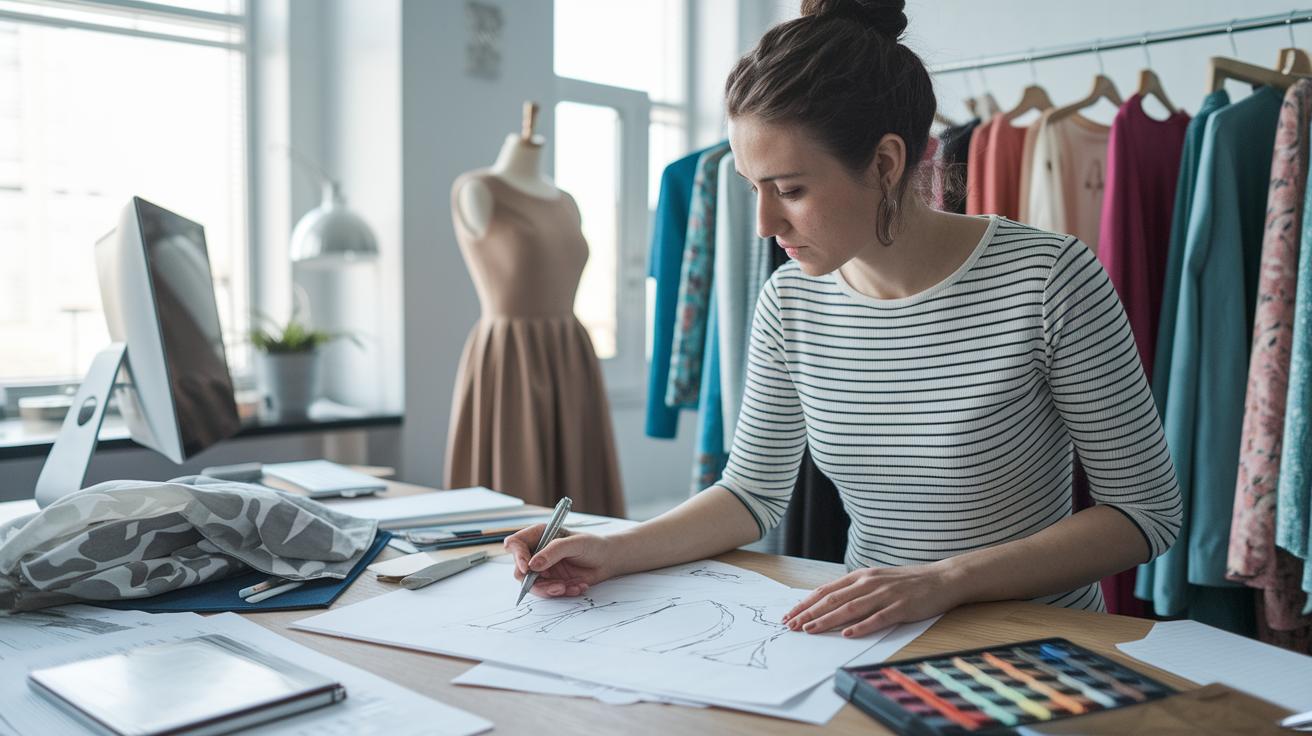
If you're dreaming of making a mark in the fashion world, you know it's all about mixing fresh ideas with practical skills. Designers need an artistic spark paired with real know-how to turn their visions into eye-catching outfits.
Here are some must-have skills:
- Creativity & Vision – Build a style that's all your own and lets your ideas shine.
- Technical Expertise in CAD & Garment Construction – Whether you're using digital design tools (that help bring your sketches to life) or getting hands-on with sewing, be ready to experiment with both.
- Fabric & Textile Knowledge – Get to know different materials by feel and look, so you can pick the perfect fabric for every piece.
- Patternmaking & Sewing Mastery – Learn how to draft patterns and sew with precision to ensure every outfit fits just right.
- Color Theory – Use color to set the mood and create a palette that makes your designs pop.
- Trend Forecasting – Keep an eye on the latest runway styles and street looks to stay ahead of the curve.
- Business Acumen – Understand basic budgeting and costing so you can turn your creative ideas into a market-ready reality.
- Communication & Collaboration – Share your vision clearly with clients and team members, making teamwork as stylish as the design.
- Attention to Detail – Fine-tune every stitch and seam to ensure your pieces are polished and perfect.
- Sustainability & Ethical Practices – Embrace eco-friendly methods and materials to keep fashion both trendy and responsible.
Each skill is a step on the journey to creating designs that truly stand out. So, get out there, experiment, and let your passion for fashion drive every stitch you make.
Developing Creative Abilities in Fashion Design
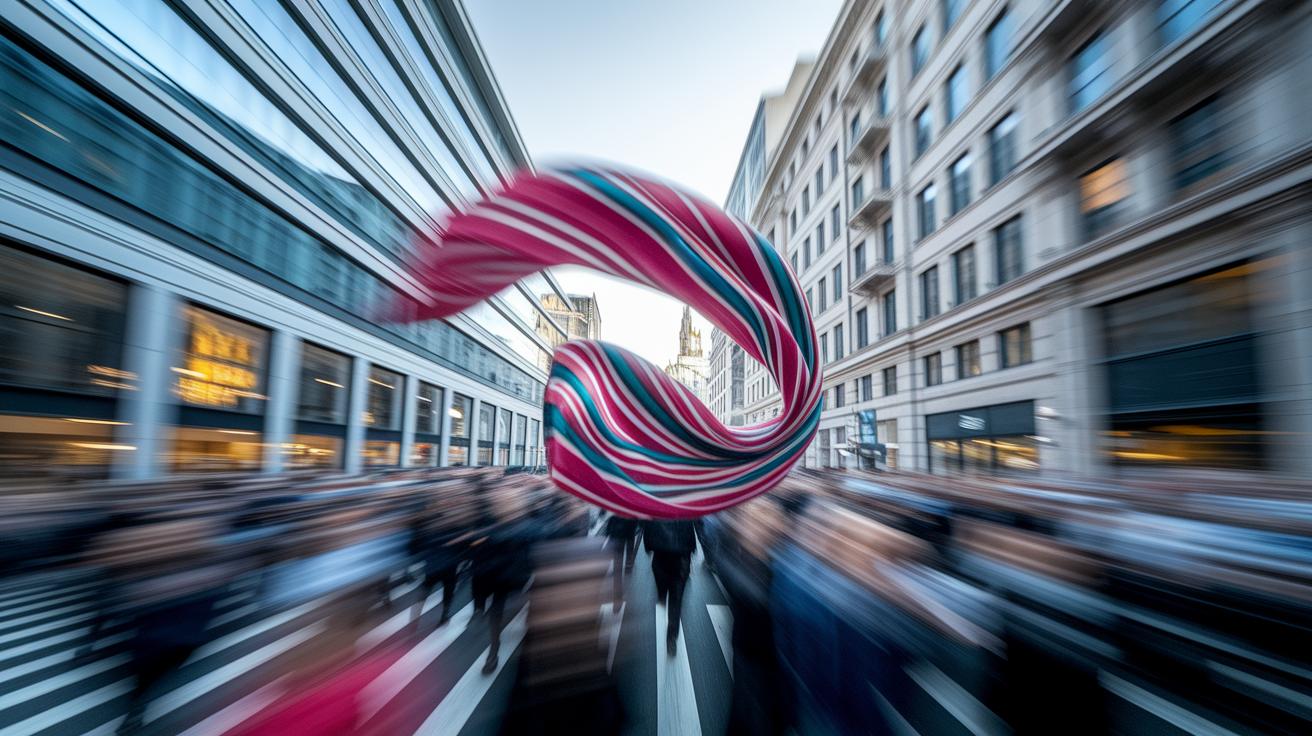
Every great design starts with a spark of inspiration. Designers often spend hours watching runway shows around the world or simply soaking up the lively energy of street style. Picture this: you see a silk scarf swirling in the breeze on a busy city street, and suddenly, your mind is buzzing with fresh ideas. It's this kind of real-life vibe that helps you build a personal style that really stands out.
Putting your ideas on paper is the fun first step toward turning thoughts into wearable art. When you grab a pencil and start sketching, you’re not just drawing, you're breathing life into your creativity. And when you mix in a dash of color theory, you create a bold, signature look that tells your story. Imagine using rich, daring colors to set the mood for your entire collection. These sketches become the blueprint for every little detail.
Then there’s the art of visual storytelling. Think of each outfit as its own little story, a chapter in your overall design tale. Simple tricks like creating mood boards, spreading out fabric swatches next to your sketches, or trying out different textures can help tie everything together. Try laying out your designs as if you were putting together a storyboard, you’ll see how each piece connects, inviting others to step into your creative world.
Technical Acumen for Precise Garment Creation
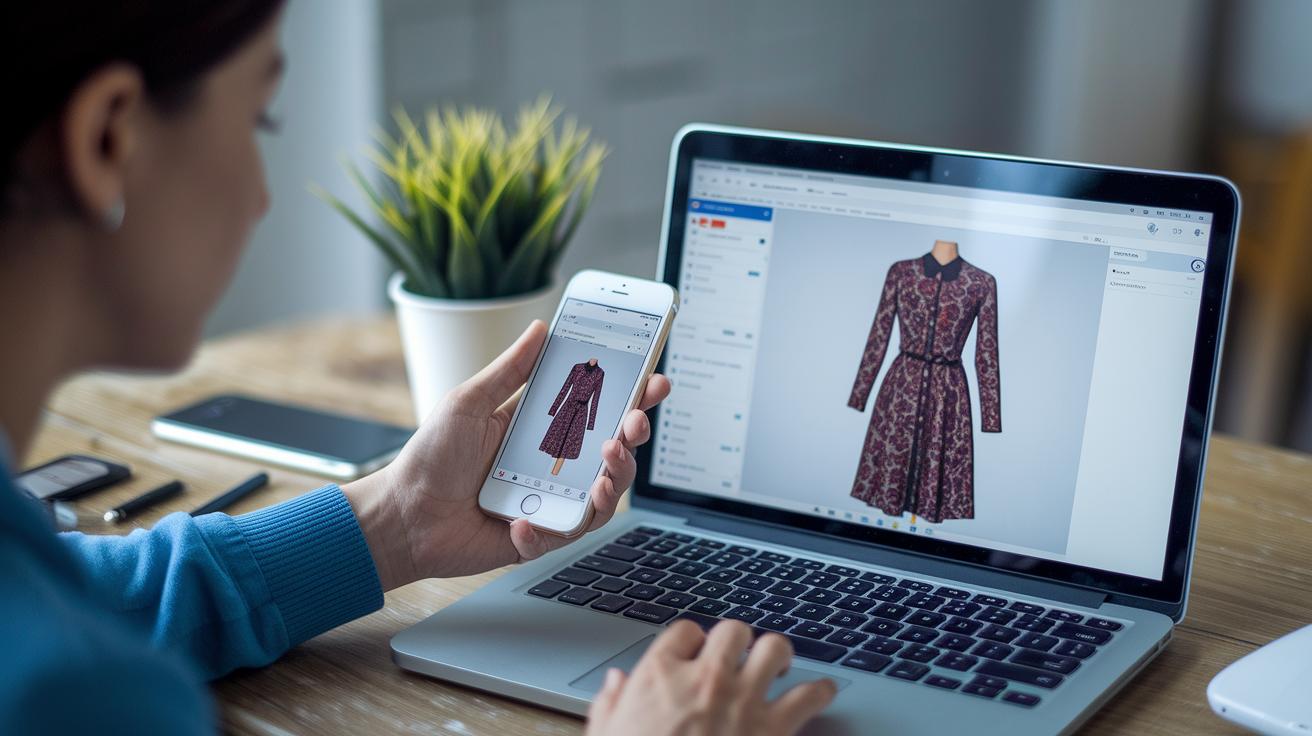
When it comes to creating amazing outfits, technical know-how is the secret sauce. Designers mix digital tricks and hands-on skills to bring their ideas to life, chatting with team members and makers to ensure every detail fits perfectly.
CAD and Digital Illustration
Getting the hang of digital tools like CLO3D or Lectra (fashion software that helps you design clothes) really changes the game. Designers build virtual samples, kind of like drawing on a digital canvas, so they can try out ideas without wasting any fabric. This not only speeds things up but also makes it easy for everyone to share and improve ideas. It’s as fun as tweaking your favorite design until it feels just right.
Patternmaking and Sewing
A great fit starts with perfect patternmaking. Designers spend hours drafting blueprints for each piece, then use careful sewing tricks to put everything together. By focusing on every cut and stitch, they turn a rough idea into a piece that fits and feels fantastic from the first pin to the final hanger.
Draping Techniques for Innovation
There’s something special about feeling fabric drape over a mannequin. This hands-on method lets designers explore new shapes and see just how different materials flow and move. It’s like sculpting with cloth, each fold and line can spark a fresh, innovative look that pushes the limits of style.
| Skill/Tool | Primary Use |
|---|---|
| CAD Software | Creating digital designs and sharing ideas easily |
| Pattern Drafting Tools | Drawing blueprints that guide stitching and assembly |
| Draping Mannequins | Experimenting with fabric shapes and textures |
Mastering Textiles and Sustainable Material Selection
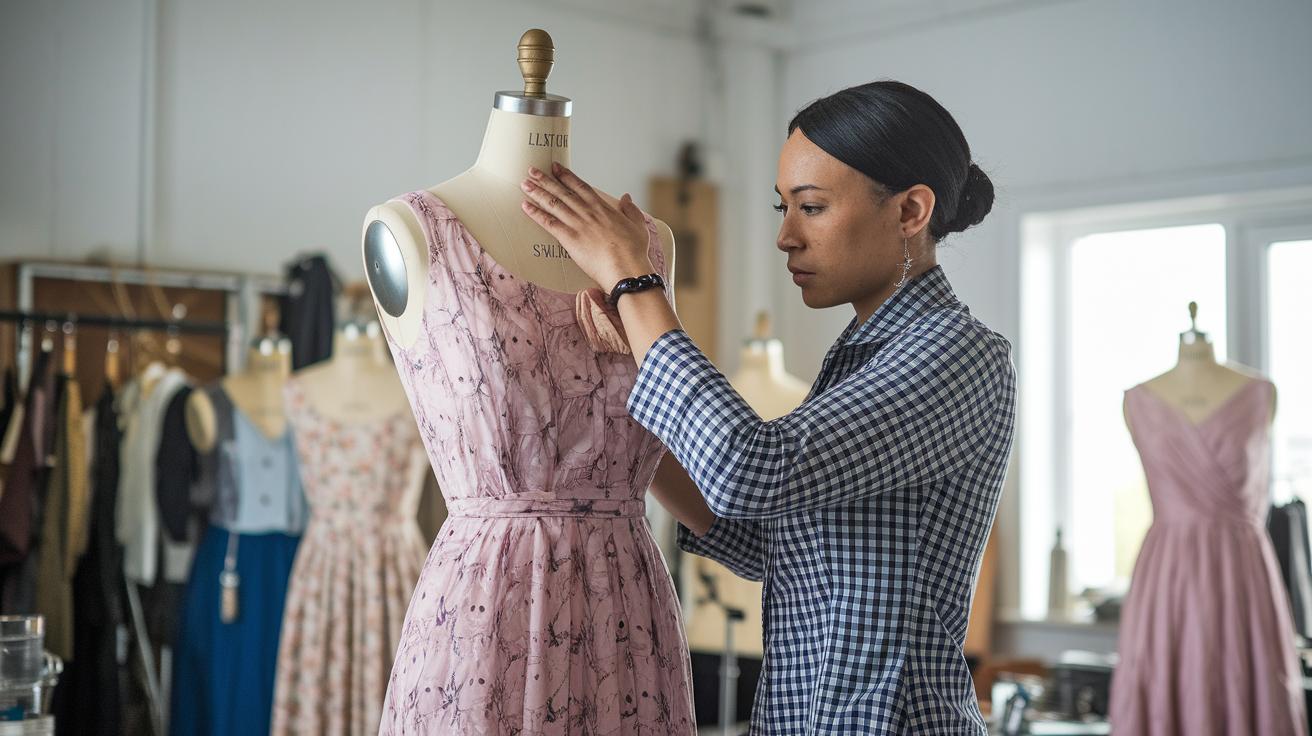
Designers mix and match fabrics every day, imagine the cozy feel of cotton, the graceful shine of silk, and the modern vibe of synthetics. Each type offers its own texture, flow, and strength, which are key to bringing a creative vision to life.
When it comes to picking out the perfect fabric, it’s about more than touch. Designers look at how a material hangs, its comfort, and its lasting power. They check the weight, weave, and stretch to make sure every piece is not only trendy but also practical for daily wear. This attention to detail makes sure that sketches turn into outfits that keep the original spark alive.
Today, many designers are choosing eco-friendly materials. By using organic cotton or recycled polyester, the industry is taking a step toward greener style. Curious to learn more? Check out sustainable fashion to discover how to cut down on textile waste while still rocking great looks.
Business and Interpersonal Skills for Fashion Designers
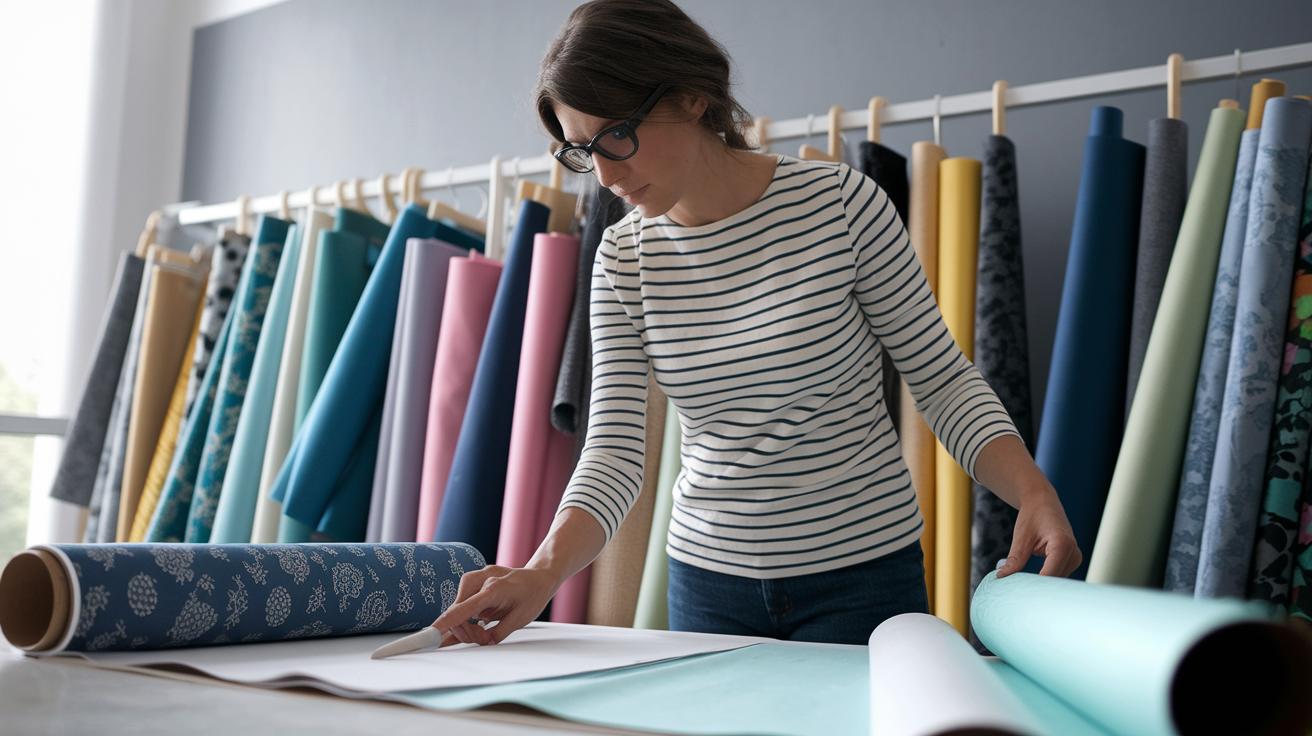
Budgeting, costing, and sourcing materials set the stage for a show-stopping season. Think of it like a chef carefully balancing ingredients for the perfect dish. Imagine drafting a simple sample budget where every cost, from luxurious fabrics to production details, is neatly planned. It keeps those creative dreams real and achievable.
Building a strong brand is all about letting your unique flair shine through. It’s like crafting your signature dish that everyone craves. Designers pick materials and labels that speak to their crowd, positioning themselves in a busy scene. It’s that little extra touch that makes your collection unforgettable.
Clear communication is the thread that turns ideas into reality. Whether you’re chatting with clients, coordinating with your team, or meeting with manufacturers, every word counts. Picture a designer sketching out a vision in clean, simple lines, making sure everyone’s on the same page. It’s this open talk that brings ideas to life.
Working together and building your network is the secret sauce behind every great collection. Swapping ideas in studio sessions or bumping into new industry friends at events can spark unexpected inspiration. These exchanges help you learn new tricks and build partnerships that boost both creativity and business savvy.
Trend Analysis and Portfolio Development Techniques

Designers in our fast-paced world keep things fresh by watching trends. They check out global fashion shows, catch cool street style looks, and see what competitors are up to every day. It’s like feeling the pulse of style by noticing how fabrics, shapes, and colors change ever so slightly. Sometimes, a quick social media scan or a consumer survey adds that extra spark, almost as if it’s whispering what’s next.
Market research brings a practical twist to trend forecasting. Designers lean on surveys and data to see which trends might click with their audience. Many even browse digital platforms like fashion trends 2024 to catch the latest buzz, always ready to adjust their ideas on the fly. It’s a cool mix of gut feelings and solid facts that helps them create pieces that are both fresh and in tune with what people want.
A designer’s portfolio is like their personal runway show. Hand-picked projects that tell a clear creative story can really grab attention. When you share everything from your first sketch to the final piece, you let everyone in on your unique style journey.
To keep your portfolio on point, try organizing your projects by theme or in a clear order. Add short captions to share little details about your creative process, and make sure the overall layout is clean and eye-catching. This not only grabs attention but shows you really know how to present your designs with style.
Educational Pathways and Ongoing Professional Development
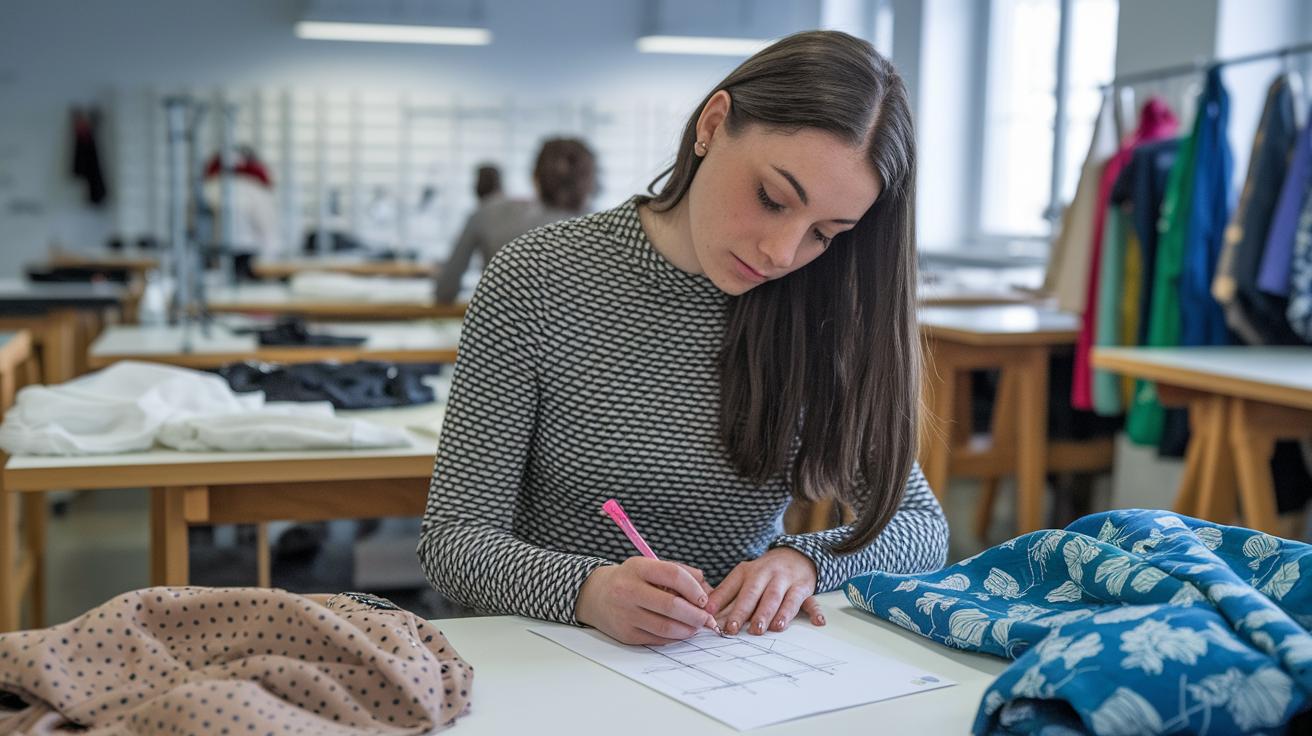
For anyone dreaming of a career in design, school programs are like the kickstart you need to master both art and technique. Many choose a Bachelor of Fine Arts, earn a diploma, or take short courses at places like IFA Paris (which offers classes in French and English). These programs give you a solid start, from brainstorming ideas to crafting detailed garments, and they open doors around the world. If you're curious, check out fashion designer career resources to find options that suit your style and plans.
Internships add a real-world twist to what you learn in class. Working with experienced pros lets you turn theory into practice, picking up hands-on skills like using CAD software (a tool that helps design clothes digitally) or learning sustainable design methods. Projects and team work in a real setting boost your confidence and sharpen your knack for turning creative ideas into pieces ready for the market.
Keeping your skills fresh is a must. Attending workshops, exploring online courses, and joining professional networks can introduce you to new techniques and better production methods. Whether you're trying out cool new digital tools or perfecting your classic skills, every bit of learning adds to your portfolio. This ongoing effort not only keeps you competitive but also brings a burst of fresh ideas to each project you work on.
Final Words
In the action, this article broke down the skills needed to be a fashion designer by exploring key areas from creative vision to technical mastery. It highlighted everything from sketching ideas and mastering digital tools to fabric selection and smart business strategies.
The post also discussed trend spotting, portfolio tips, and educational pathways so you can make smarter style choices. With this guide, you’re set to build on solid fashion foundations and keep growing with every new style insight.
FAQ
Q: Fashion Designer skills CV
A: The fashion designer skills CV highlights technical abilities like CAD proficiency and patternmaking alongside creativity, attention to detail, communication, and business sense that truly showcase a well-rounded design profile.
Q: Fashion Designer salary
A: The fashion designer salary is influenced by factors such as experience, location, and specialized skills, with designers proficient in both creative and technical areas often commanding higher earnings.
Q: Technical skills for fashion designer
A: The technical skills for a fashion designer include expertise in CAD software, accurate patternmaking, garment construction, and draping methods, ensuring designs are both innovative and precise.
Q: Fashion designer qualifications
A: The fashion designer qualifications often consist of a formal degree or diploma, internships, technical software skills, and a portfolio demonstrating proficiency in textiles, design trends, and creative innovation.
Q: What subjects are needed to become a fashion designer?
A: The subjects needed to become a fashion designer include art, design, textiles, and business basics, creating a foundation that combines artistic flair with practical technical knowledge.
Q: Hard skills for fashion designer
A: The hard skills for a fashion designer cover drafting, sewing techniques, patternmaking, and CAD use, all crucial for transforming design ideas into well-constructed garments.
Q: Soft skills for fashion designer
A: The soft skills for a fashion designer involve communication, collaboration, adaptability, and attention to detail, all of which help foster teamwork and creativity within design teams.
Q: Fashion designer responsibilities
A: The fashion designer responsibilities include creating new designs, researching trends, selecting materials, coordinating production teams, and curating a portfolio that reflects a unique creative vision.
Q: What skills do you need to be a fashion designer?
A: The skills needed to be a fashion designer combine creative talent with technical ability, including drawing, patternmaking, textile knowledge, trend spotting, and effective communication practices.
Q: What are the 5 basic principles of fashion design?
A: The five basic principles of fashion design involve balance, contrast, emphasis, rhythm, and proportion, which together guide designers in producing visually engaging and harmonious pieces.
Q: What qualities make a good fashion designer?
A: The qualities that make a good fashion designer include creativity, a strong sense of detail, effective communication, problem-solving abilities, and the blend of both technical proficiency and artistic vision.
Q: Is fashion design a technical skill?
A: The fashion design is a technical skill as it requires mastery over specific techniques like CAD, sewing, patternmaking, and fabric selection, all of which complement the creative side of the discipline.