
Ever wondered how designers seem to predict what’s next? Trend forecasting is all about catching shifts in our everyday style and cultural vibes while peeking at past runway moments. It’s kind of like mixing a creative artist's spark with a scientist’s knack for data, using smart digital tools to spot what’s coming.
Imagine this: a designer feels the subtle change in the air, much like noticing how a shimmering scarf changes the mood of an outfit. Ever felt that thrill when a tiny detail makes all the difference? In this chat, we explore how tuning into these hints can fire up success in fashion design, keeping brands just one step ahead.
Essential Overview of Trend Forecasting for Fashion Design
Trend forecasting in fashion design is both an art and science. It helps predict what colors, fabrics, textures, and styles will be in vogue by looking at current trends, consumer choices, cultural shifts, and past patterns. Think of a designer noticing, "I spotted a shift towards softer hues and fluid silhouettes during last season's runway shows." This insight gives brands the boost they need to step confidently into the next season while keeping risks in check.
Staying tuned to consumer trends through data alerts keeps brands one step ahead. By using smart tools like predictive style analysis and consumer preference checks, creative teams can fine-tune their collections before anyone else does. This approach is super important for trends coming up in 2024, ensuring that every collection feels fresh, relevant, and totally on point.
- Data analysis
- Consumer insights
- Cultural tracking
- Historical pattern review
- Supply-chain timing
In practice, trend forecasting serves as a stylish roadmap for designers. It guides brands toward creative brilliance and a secure spot in the market, all while making it easier to make smart, forward-thinking decisions.
Core Techniques in Trend Forecasting for Fashion Design

Using different techniques is super important because it lets designers mix their gut feelings with solid data. By blending style predictions with cool digital tools, teams can catch both quick shifts and longer trends. It puts them a step ahead in a competitive world. Apps like fashion design software break down info so it’s easy to switch direction when consumer tastes change.
Micro vs. Macro Forecasting
Micro forecasting focuses on short-term trends over about six months, which is perfect for fast-fashion. Macro forecasting, on the other hand, watches trends develop over several years. This mix helps brands decide which ideas to try out immediately and which ones to save for future collections.
Qualitative Research Methods
Talking to groups, getting insights from experts, and looking at visual displays give designers the kind of feedback that numbers sometimes miss. It’s like noticing the gentle sway of a silk scarf that tells you how a look really feels.
Quantitative Data Analysis
Then there is the power of numbers. Surveys, sales charts, and basic statistical models turn historical and current data into smart predictions. This approach ensures every design decision is backed by clear, measurable trends.
Social Listening and Runway Metrics
Watching what’s buzzing on social media and paying attention at runway shows gives a quick look at what’s hot right now. By following influencers and reading the online chatter, designers can spot emerging styles almost instantly.
Algorithmic Models and Machine Learning
Next up, tech tools like algorithmic models and machine learning dive into huge piles of data to find patterns that might take longer for humans to see. These smart systems help speed up the forecasting process, making it easier to spot trends before they become mainstream.
By mixing all these methods, designers get a complete view of the market. Combining personal insights with solid data means they can make fast, smart decisions. With a blend of creative intuition and digital precision, fashion brands can stay ahead of trends and launch collections that truly hit the mark.
trend forecasting for fashion design: Sparks Success
Forecasted trends give designers a clear, visual way to express their ideas. They take raw data and spin it into mood boards and digital sketches that make a whole collection come alive. This process turns abstract forecasts into easy-to-see guides, so creative teams can quickly spot the next big thing and design pieces that really resonate. And really, designers love using visual tools, like mapping outfit ideas and modeling images on a computer, to turn emerging trends into smart, stylish blueprints for their collections. For instance, imagine a mood board bursting with soft pastels and rich textures that instantly sets the mood for a season.
| Visualization Tool | Description | Application |
|---|---|---|
| Mood Boards | A collage of images, fabrics, and colors | Inspires silhouettes and color palettes |
| Color Swatch Libraries | Well-organized sample palettes | Helps in choosing textiles and dyes |
| 3D Drape Simulations | Virtual tests of how garments drape | Improves fit and shows how materials move |
| Virtual Fitting Sessions | Digital try-on prototypes | Checks silhouettes and sizing |
Mixing these visuals into the design process not only makes creativity flow more easily but also gives a brand a sharper, more distinct look. Designers often turn to digital sketching, if you’re curious, check out Sketching for fashion design for some top tips, to create images that bridge the gap between forecasting and actual pieces. They also use graphic merchandising techniques to fine-tune every detail, from textures to cuts, ensuring every collection tells a neat, cohesive story. And with cool tools like virtual fittings and 3D simulations, teams can experiment without fear, turning rough ideas into solid design cues. It’s all about keeping that portfolio vibrant and true to your vision, blending market needs with daring creativity.
Industry Case Studies: Trend Forecasting for Fashion Design in Action

Case studies show how trend forecasting can change the way designers work and help shape smarter business strategies. Real examples prove that brands use forecast data to fine-tune their plans, cut down on waste, and respond fast when customers’ tastes shift.
WGSN’s Data-Driven Approach
WGSN offers a subscription service that digs into fabrics, colors, and changes in what consumers want. Designers using this service often spot trends like a big turn to sustainable textiles or a move toward bright, bold contrasts. One designer even said, "After checking out WGSN’s latest report, I completely reimagined my collection with bold hues that scream modern optimism." This smart use of data makes sure every design decision is backed by real market insight.
Meltwater’s Social Listening for Forecasting
Meltwater gathers insights by listening to billions of social media posts, keeping track of influencers and fresh trends as they emerge. This approach lets brands see which styles spark conversations, whether it’s a standout accessory or an unexpected choice on the runway. For example, a fashion house might tweak its collection mid-season after noticing a surge in online chatter about minimalist jackets, showing just how closely social buzz can guide design decisions.
Fast-Fashion Brand Implementation
Fast-fashion brands like Zara put micro forecasting to work by speeding up their design-to-shelf cycles. By watching how consumers behave over a six-month period, they can quickly adjust production based on the latest silhouettes or fabric breakthroughs. In one recent cycle, Zara launched a limited line of fluid, oversized pieces that not only caught the market’s eye but also helped limit production waste by reacting fast to buyer demand.
By blending these case studies, we see clear impacts on sales, market positioning, and even environmental efficiency. With detailed research and real-time analytics, brands make smart choices that boost revenue and help cut down the massive waste that ends up in landfills every year.
Building Effective Trend Forecasting Skills for Fashion Design
A strong grasp of fashion history and design basics is key to nailing trend forecasting. Keeping up with the latest runway shows, trade events, and fashion magazines gives you real-time looks at evolving styles. And don’t forget social media, it’s like a live feed of cool new trends and creative fabric ideas. Sometimes, you’ll see vintage styles making a comeback alongside new innovations. For example, one designer spotted an old fabric trend rising online and used it to reimagine retro styles. This mix of old and new keeps your perspective balanced and in tune with today’s market.
Using data and research across different industries makes your forecasts even sharper. Looking at sales patterns, economic shifts, and tech advances helps you see how trends might change. When you blend solid data with creative flair, you start to notice small shifts in what people want. For instance, a sales report might show that loose, comfy lines are on the rise, nudging designers toward more relaxed collections. This smart, numbers-driven approach helps keep your style ideas a step ahead.
Growing your forecasting skills means building a varied portfolio. Put together mood boards, trend reports, and design projects that show off your unique ideas. Real-world experience from internships, workshops, and chats with industry insiders is worth its weight in gold. And hey, if you can, jump into trade shows and forecasting classes to pick up quick, hands-on tips. Studying fashion tech and communications can also sharpen your research tools. Embrace every chance to learn, and you’ll be ready to create fresh, forward-thinking designs.
Technological Innovations Shaping Future Trend Forecasting for Fashion Design
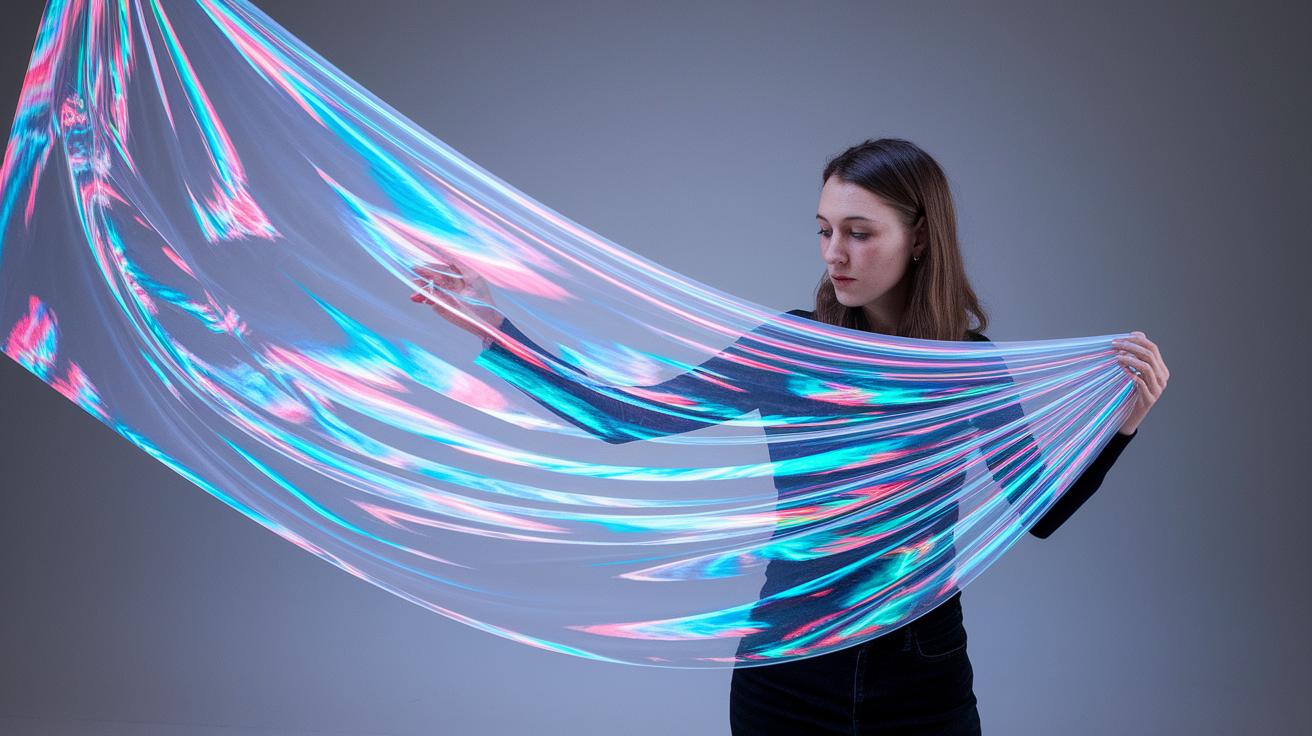
AI tools are totally changing the game for designers. They use smart pattern detection and prediction models that dig through huge amounts of data to spot trends even before you see them on the street. It’s kind of like having a secret edge, where every fabric detail and design nuance is noted with precision.
And then there’s augmented reality and virtual fitting sessions that feel almost magical. Designers get to play around with their ideas in immersive digital spaces, testing how a garment might flow or move, imagine watching a silk scarf sway in slow motion with the crisp snap of a perfect cut! It’s a bit like having a digital tailor who knows exactly how every seam should work.
Sustainability is also making a big splash in trend forecasting. Designers are leaning into eco-friendly fibers and recycled materials because consumers today really care about going green. They’re even thinking about how long a fabric lasts and how easily it can be recycled, which makes the whole production process more efficient and earth-friendly. It’s a cool blend of tech savvy and environmental care that’s setting a new standard in fashion.
All of these innovations are paving the way for a brighter future in design. By mixing smart tech with sustainable choices, trend forecasting becomes a lively, creative force that helps brands step into cleaner, more innovative style.
Implementing a Trend Forecasting Framework in Fashion Design Practice
A clear trend forecasting system helps a design team stay focused and work faster. It lays out simple steps that guide every part of the process, so your team can easily keep up with changing styles without a lot of guesswork.
First, set clear goals and realistic timelines. This tells everyone what to aim for and shows which resources are available. It even helps keep production deadlines in view right from the start.
Next, gather information from many places like consumer surveys, trade reports, and social media buzz. This mix of data gives the team a rich pool of ideas, ensuring the insights are strong and helpful.
Now, look over all the collected info. Spot the trends by noticing repeating patterns and early hints of new styles. This careful review of what people like, combined with past trends, helps avoid mistakes and opens up fresh design ideas.
Then, merge the hard facts with creative flair by turning those insights into mood boards. Imagine fabrics dancing with color and clean lines that show off upcoming season styles. It’s like laying out a sneak peek of what’s next in a visual story.
After that, transform those mood boards into early prototypes. Experiment and fine-tune your designs until they feel just right. Testing these ideas, even in small focus groups or local markets, gives you quick feedback to adjust along the way.
Finally, use the proven insights to shape your production plans. This means your seasonal collections are not only on point but also ready to wow on the runway, all while keeping an eye on budget and timing.
By following this friendly, step-by-step approach, design teams can turn raw trend ideas into smart, ready-to-wear collections with less stress and more style.
Final Words
In the action, this guide spotlighted the magic behind trend forecasting for fashion design. We dug into smart methods that turn raw data into bold style statements, spanning from swift micro insights to real-world case studies.
Every step offered a fresh view on visualizing trends with mood boards, digital tools, and practical frameworks. Keep these insights close as you experiment with your own style choices and enjoy a creative boost in every project. Let these ideas inspire smart fashion decisions and add a dash of flair to daily design moments.
FAQ
Are there free PDF resources available for trend forecasting in fashion design?
The free PDF guides for trend forecasting offer insights into methods for predicting style shifts. They explain using consumer data, cultural cues, and market analysis to help designers plan upcoming collections.
What is fashion trend forecasting?
Fashion trend forecasting involves evaluating consumer behavior, market signals, and cultural shifts to predict upcoming styles, colors, and design elements, helping brands prepare for future collections.
How do fashion forecasts vary for 2025 and 2026?
Fashion forecasts for 2025 and 2026 give insights into future style directions by examining current consumer trends, sustainable practices, and global influences, which assist designers in planning seasonal collections.
What are some good fashion forecasting websites?
Fashion forecasting websites provide trend reports, market data, and analysis tools that help designers stay ahead of emerging styles and make informed decisions for upcoming collections.
What companies lead in fashion trend forecasting?
Fashion trend forecasting companies like WGSN use detailed research, real-time data, and expert insight to guide brands in predicting style trends and market shifts effectively.
How do you do trend forecasting in fashion?
To do trend forecasting, research consumer behavior, analyze market data, study cultural movements, and use digital tools. This process helps predict key style features for upcoming fashion seasons.
How does the fashion industry predict trends?
The fashion industry predicts trends by examining sales reports, consumer data, and global cultural shifts, along with monitoring digital signals and major events that influence style directions.
What are the 5 stages of a fashion trend?
The five stages of a fashion trend are introduction, rise, peak, decline, and disappearance, which mark a trend’s progression from initial launch to widespread adoption and eventual phase-out.
What is a notable website that predicts fashion trends?
A notable website for predicting fashion trends is WGSN, offering comprehensive reports and data insights that support designers and retailers in making strategic creative decisions.