
Ever thought about how your style might help our planet? In our world, where fashion adds up to 10% of global carbon emissions, every little choice matters.
Sustainable fashion lets brands step up with eco-friendly practices that truly make a difference. Imagine fabrics like soft organic cotton or recycled polyester that look great and help keep our Earth happy.
This guide shows you 7 winning ways to rock eco style. It proves that smart branding and gentle practices can kick-start powerful change. Stay with us and see how little thoughtful choices can lead to a greener, cleaner future for fashion.
Aligning Brand Identity with Sustainable Fashion Branding Goals
Sustainable fashion is all about creating clothes that show our love for the planet. It turns everyday outfits into cool statements of eco-responsibility by using ethical manufacturing, low-impact materials, and smart business practices. Think about it, fashion makes up about 10% of the world’s carbon emissions, so every choice really counts.
When you start a green fashion brand, setting clear, simple goals is key. A clever brand will work hard to shrink its carbon footprint by using renewable energy and smarter, more efficient methods. They believe in fair work for everyone, making sure every person in the supply chain is treated right. Plus, being open about where materials like organic cotton, recycled polyester, or hemp come from is a big deal. Many brands are even designing their products so they can be reused, fixed, or recycled easily later on. And by staying honest about how they operate, these brands build strong, lasting trust with their customers.
- Cut down carbon footprints with cleaner, energy-saving steps.
- Stand up for fair work at every stage of making clothes.
- Keep it real by showing where eco-friendly materials come from.
- Design products that can be reused, fixed, or recycled.
- Build lasting trust by backing up all their eco-friendly promises.
Integrating Eco-friendly Materials into Sustainable Fashion Branding
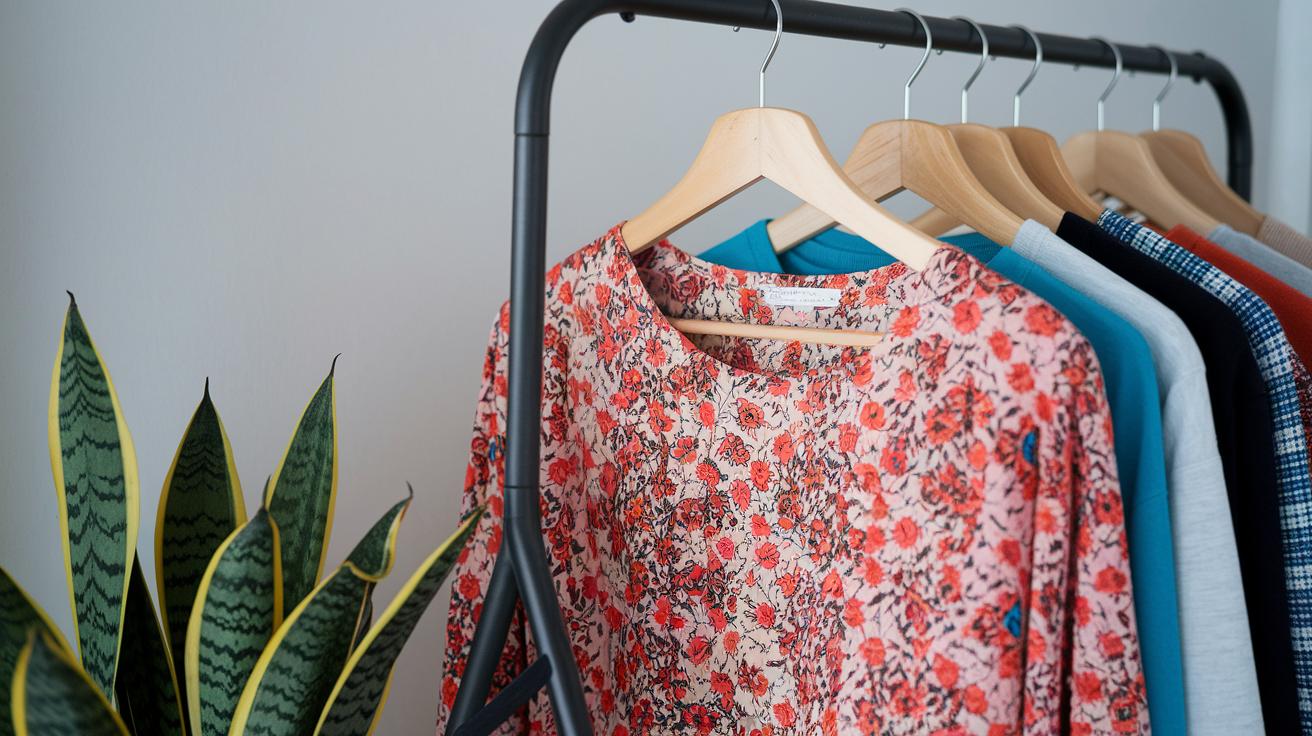
Organic cotton and recycled polyester are true game changers in the world of eco style. Organic cotton uses up to 91% less water than regular cotton, and recycled polyester cuts energy use by 30-50%. These materials help keep production clean and give your brand a fresh, green vibe. If you want to learn more about sourcing these eco-friendly materials, check out this link to sustainable fashion clothing.
Zero waste methods and upcycling are perfect partners for a sustainable look. Zero-waste cutting can lower textile waste by 30%, while upcycled fabrics turn old materials into stylish, new pieces. Together, these techniques boost your brand's credibility and show that you’re serious about reducing environmental impact.
| Material | Environmental Benefit | Brand Example |
|---|---|---|
| Organic Cotton | Uses up to 91% less water | EcoBasics |
| Recycled Polyester | Saves 30–50% energy | Green Threads |
| Hemp | Low soil impact | NatureWear |
| Upcycled Fabrics | Repurposes deadstock | Renew Style |
Crafting Ethical Clothing Narratives for Sustainable Fashion Branding
Storytelling really sets a sustainable label apart. When you share genuine stories about your team, how you make your products, and the heritage behind each stitch, it creates a connection that goes far beyond just fashion. It’s like giving your audience a peek behind the curtain, talking about fair pay and safe workspaces shows you care about the people who make your clothes. And honestly, customers love hearing real stories that back up a commitment to quality and sustainability.
A consistent story keeps your message clear and friendly. By regularly sharing details about ethical practices and offering behind-the-scenes glances at production, you build trust that lasts. Readers appreciate when a bold claim is supported by a real example or a little personal anecdote. It makes buying a product feel like joining a movement, a confident step backed by genuine principles.
Key Elements of Ethical Narratives
- Fair labor advocacy
- Origin stories
- Slow-made processes
- Supplier spotlights
- Mission clarity
- Transparency badges
Leveraging Circular Economy Principles in Sustainable Fashion Branding

Circular economy in fashion is all about making garments that look fab and do good for our planet. Imagine a jacket that’s not only stylish but built to last, can be easily fixed, and even taken apart to be recycled. Every piece becomes part of a cool cycle, used, refreshed, and loved all over again.
Brands put this idea into action in several ways:
- Design for disassembly: Craft clothes that are easy to break down.
- Product take-back: Set up simple ways for customers to return worn items.
- Rental services: Offer short-term wear options to give garments a longer life.
- Remanufacturing loops: Turn well-loved pieces into chic, updated versions.
- Recycling partnerships: Team up with recyclers to transform aged materials into something new.
When brands show off these clever practices, they’re telling us they care about the earth. I mean, who wouldn’t appreciate a brand that stretches a garment’s life with care and creativity? Take-back programs, for instance, can bring up to 80% material reuse, and smart recycling cuts down landfill waste by around 15%. This kind of transparency builds trust with shoppers who value both style and sustainability.
In truth, when a brand highlights how its pieces are designed for easy disassembly or boasts strong recycling partnerships, it sends a clear, stylish message: We can look great and still be kind to the planet. It’s a fresh, smart way forward that’s as inspiring as it is responsible.
Implementing Transparent Sourcing in Sustainable Fashion Branding
Today, shoppers want to know the real story behind their clothes. In fact, 70% of buyers ask for honest details on where products come from, so being open isn’t just nice, it’s essential. Fair trade certifications show that workers get fair pay and respect, and when a brand shares its process, it builds a trustworthy image that stands out in the world of eco-friendly style. It’s like giving a clear window into the journey from the fabric to the finished piece.
Cool new tools, like blockchain, QR-code traceability (a quick scan that reveals the product’s backstory), and easy-to-navigate supplier portals, help brands deliver this kind of honesty. By using these modern solutions, companies can prove their commitment to sustainable practices, no guesswork involved. Digital maps and open supplier lists build trust and make buyers feel genuinely connected to the values behind each item. This way of telling a fair trade story shows a real dedication to ethical production that speaks to today’s smart shoppers.
- Audit suppliers
- Secure certifications
- Publish material origin
- Update impact reports
Employing Digital Planetary Marketing in Sustainable Fashion Branding

When eco-friendly labels want to shine, a clear digital game plan makes all the difference. With purpose-driven storytelling and honest eco-partners, your marketing transforms into a movement that wins loyal fans. It boosts natural discovery while smart ads catch shoppers’ eyes, even in a busy market. Think about brands like Tentree and Patagonia; they mix activism with style and capture millions online.
- Share user photos and stories
- Create special eco hashtags
- Listen to online chatter
- Time posts with important green days
- Run smart, targeted ads
- Team up with eco influencers
- Use eye-catching visuals
- Link your shop to your profiles
- Write blog posts about sustainability
- Offer quick, real-time support
With these simple steps, a brand can build a tight online community and spark real engagement. Picture a post showing someone rocking a recycled outfit, or a quick video that walks you through a sustainable design process. These moves work together to build a story that inspires trust and shows a true care for the planet.
Next, keep an eye on your numbers. Checking how people engage and convert lets you fine-tune every move. When each tweak connects with shoppers who value style and eco-responsibility, you know your digital plan is on point. In the end, this approach proves that a purpose-driven, thoughtful digital strategy wins big for sustainable fashion.
7 sustainable fashion branding Wins for Eco Style
These eco-friendly brands prove that having a clear goal combined with smart practices really pays off. They blend ethical production with creative storytelling, showing that sustainability isn’t just a buzzword, it’s a real commitment to our planet and the people who wear their clothes.
Tentree
- Every purchase helps plant 10 new trees, making each sale a step toward a greener world.
- The brand stays true to a nature-first mission that clicks with anyone who cares about the environment.
TOMS
- TOMS follows a one-for-one plan that supports local U.S. production, building strong trust along the way.
- They show genuine care for community and ethical work, making every item count.
Patagonia
- Patagonia mixes bold activism with engaging stories that have captured over 5 million social media fans.
- Their daring environmental campaigns match their high-quality apparel, inspiring real change.
Alternative Apparel
- This brand champions everyday eco basics and openly shares its production process.
- It connects with its audience through honest, clear communication that feels like a chat with a friend.
Amour Vert
- Amour Vert is all about carbon-neutral production, turning eco responsibility into a chic style statement.
- They transform sustainable efforts into trendy, wearable outfits for the mindful shopper.
Reformation
- Reformation uses clever design techniques that lower its environmental impact without skimping on style.
- Their fresh approach draws a wide following, with 1.9 million Instagram fans tuning in for the latest trends.
| Brand | Signature Initiative | Audience Reach |
|---|---|---|
| Tentree | Planting 10 trees per item sold | Over 2M followers |
| TOMS | One-for-one model supporting U.S. jobs | Strong local support |
| Patagonia | Bold environmental campaigns | 5M Instagram followers |
| Alternative Apparel | Transparent eco basics | 200K Facebook fans |
| Amour Vert | Carbon-neutral production | Growing eco community |
| Reformation | Low-impact design innovation | 1.9M Instagram followers |
Measuring Impact in Sustainable Fashion Branding with Verdant Metrics

Measuring impact is key because the numbers in sustainability really tell a story of change. When brands keep track of things like greenhouse gas emissions, water use, and how they divert waste, they show real proof that they’re making a positive mark. Take tools like the Higg Index, a trusted tool used to measure progress, for example. Some brands can now boast up to 80% material traceability. This kind of clear reporting builds trust and inspires thoughtful design and eco-friendly storytelling.
- Carbon footprint calculation
- Water-footprint tracking
- Traceability audits
- Waste-reduction targets
Staying up-to-date on results is super important. Regular sustainability reports, whether they come out monthly, quarterly, or yearly, help turn raw numbers into engaging stories that hit home with eco-conscious consumers. When brands share these progress updates, it shows they’re committed not only to cutting their impact but also to being open about how they’re doing it. By offering clear insights over time, companies invite us into a friendly, honest conversation about making a difference.
Final Words
In the action, we reviewed key strategies, from integrating eco-friendly materials and crafting ethical narratives to applying circular economy principles, transparent sourcing, and digital marketing insights. These pillars form a solid base for sustainable fashion branding and inspire smart fashion decisions.
By putting these ideas into practice, brands can boost credibility and let their messages shine. Fashion becomes a rich blend of responsibility and creativity, a move that not only elevates style but also sparks positive change for a cleaner, kinder industry.
FAQ
What are some sustainable fashion branding ideas?
Sustainable fashion branding ideas mix eco-friendly imagery with clear sourcing, fair labor, and recycled materials. They help brands build a clear identity while raising consumer trust and cutting down environmental impact.
What were the key sustainable fashion trends in 2022?
Sustainable fashion branding in 2022 leaned on eco-friendly practices like transparent sourcing and zero-waste manufacturing. These trends pushed brands to combine modern design with responsible production methods.
How can I find top sustainable fashion brands and ethically rate them?
Top sustainable fashion brands use recycled materials and ethical labor practices. Clothing brand ethical rating reviews check if brands clearly share their sourcing, production, and social responsibility practices.
Who are the sustainable fashion designers creating a buzz?
Sustainable fashion designers make a buzz by merging eco-friendly materials with honest stories of fair work and traditional craft. Their creativity and dedication encourage a smarter, greener wardrobe.
What sustainable fashion trends are popular now?
The latest sustainable fashion trends emphasize recycled fabrics, organic fibers, and minimal waste. Brands are now shining through transparent practices and design strategies that balance style with a greener footprint.