
Have you ever wondered if numbers could hint at your next must-have look? Digital fashion trend forecasting does just that. It looks at social media buzz, live snaps from fashion weeks, and even store sales to figure out what’s about to hit big.
It’s like having a savvy friend who spots emerging trends before your closet gets a hint. With smart AI catching the tiniest shifts, designers can update their collections in no time.
This tech mix of art and science keeps our style fresh and in tune with our everyday moods. Cool, right?
Data-Driven Foundations of Digital Fashion Trend Forecasting
Digital fashion trend forecasting is where creativity meets smart data. It mixes cultural insights with clear, number-driven analysis, all while keeping the vibe friendly and fresh. Fashion weeks and influencer posts drop live clues, and street style or social media buzz adds a real-time twist that sharpens AI-powered trend predictions.
This cool process pulls huge amounts of info from global events, social media, and store sales. Designers use these big data cues like hints for the next favorite shapes, fabrics, and color vibes. Using tech-driven style guesses and digital design samples, brands can quickly tweak their collections to match fast-changing tastes.
Here’s how it all comes together:
- Social media analytics – Think of spotting a sudden flood of pastel posts that kick off a new color trend.
- Runway image scanning – Imagine noticing a unique cut in runway photos that signals an upcoming silhouette craze.
- Retail sales and e-commerce data mining – Picture data showing a rise in linen purchases during a heatwave.
- AI-based pattern recognition – Consider an algorithm that picks up recurring designs in digital lookbooks.
- Virtual garment modeling – Visualize a digital sample dress coming to life under simulated lights, showcasing its flow.
- Consumer sentiment analysis – Hear a customer say, "This style gives me a fresh, modern vibe," with that feedback shaping future designs.
By using these data-driven insights, designers and merchandisers can fine-tune their collections and align their retail strategies with what people really love. It's a smart way to blend creative design with real-world trends, making sure every piece truly fits the moment.
AI and Machine Learning Tools in Digital Fashion Trend Forecasting
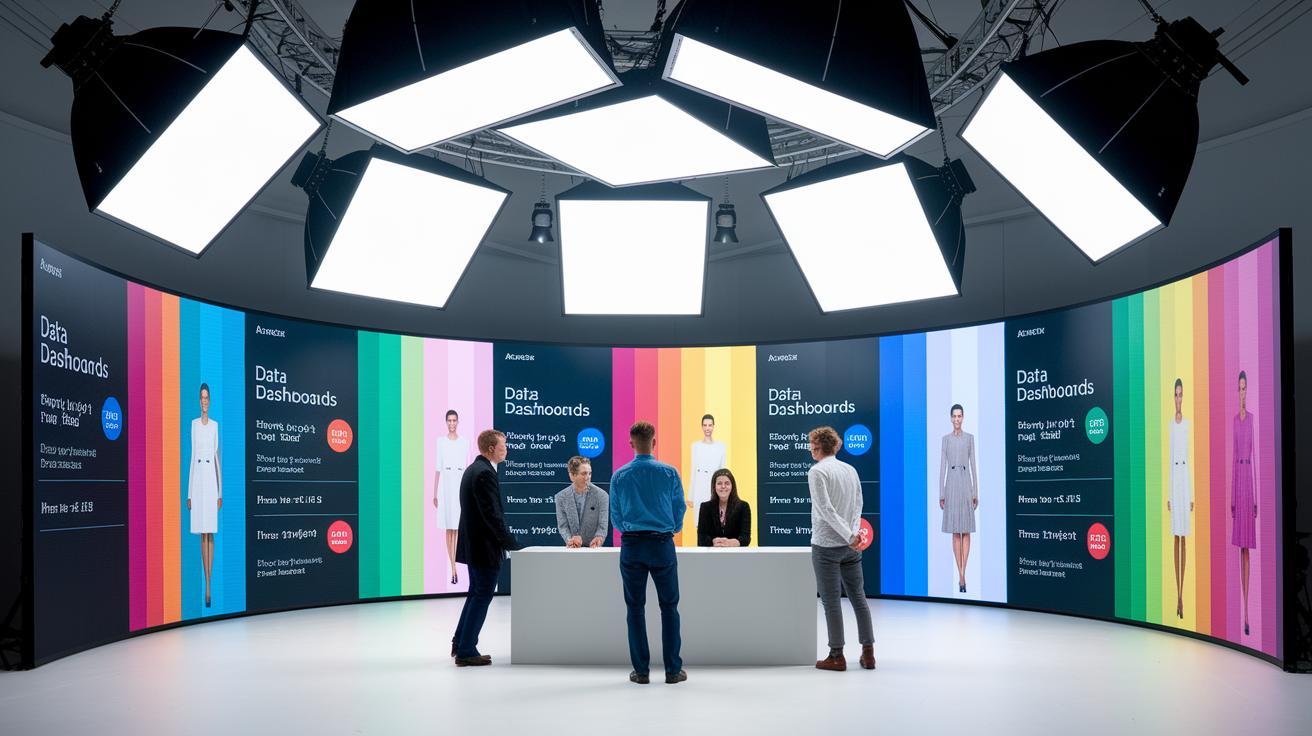
AI and machine learning are shaking up the fashion world by quickly sorting through tons of data. These smart tools look at loads of runway photos to spot popular patterns, cuts, and colors you see on the catwalk. They also keep an eye on social media, think Instagram and TikTok, to catch new styles as they pop up. It’s like having a friend who’s always on top of the latest trends.
They even offer cool reports on style trends and simulate how clothes might look on models, helping brands react in a snap. By reading reviews, surveys, and chat messages, these systems figure out what people really think about products in real time. This way, brands have a better idea of what customers want, sometimes almost as fast as it happens.
| Tool | What It Does |
|---|---|
| Runway image analysis | Scans fashion show pictures to show trending outfits and colors. |
| Social media trend detection | Checks posts and hashtags to grab fresh style ideas from influencers. |
| NLP-based feedback analysis | Reads customer reviews and surveys, turning words into handy insights. |
| Demand sensing | Predicts short-term changes, so brands can better manage stock and promos. |
| Search volume analysis | Follows online searches to spot new interests and shifts in taste. |
| Clickstream behavioral analysis | Watches how users navigate online to hint at upcoming trends. |
By mixing these AI-powered tricks into their planning, brands can adjust everything from collections to inventory almost on the fly. It’s like having a real-time style advisor! Some AI even suggests new design ideas that match what customers want. By pairing clear data insights with creative flair, companies can polish their collections and stay on trend. This smart blend of tech and creativity makes sure every piece hits the mark with today’s fashion lovers.
Data Sources Powering Digital Fashion Trend Forecasting
Mixing different digital signals lets designers explore new paths in creating styles. Today, brands go beyond simple numbers. They look at smart insights that inspire experiments with silhouettes and fresh color ideas. For example, one designer used forecast data to try eco-friendly fabrics, cutting waste by 15%.
Sales data now helps shape smarter production choices that cut down on waste. Retailers don’t just track what sells; they study shopping habits to adjust production amounts and even experiment with up-cycled materials. Imagine a brand spotting a rise in recycled fabric requests and changing orders to meet that demand, like when a hot summer led to a limited eco-line release.
Live social buzz and runway moments spark creative ideas, even if it can be tricky to filter out the noise. Designers sift through lots of posts to find that one standout idea that can change their collection. Think of a designer saying, "Out of all the everyday posts, one unique image of an off-balance cut sparked my next design."
Customer comments and search trends add a personal touch, pushing brands to try new shapes. When a buyer exclaims, "This jacket redefines comfort," designers mix in unexpected textures that refresh classic styles.
When all these data streams blend together, they spark fresh design experiments and smarter production plans. Combining these insights not only fuels creative risks but also strengthens eco-friendly practices by cutting down on overproduction.
Digital fashion trend forecasting sparks style evolution
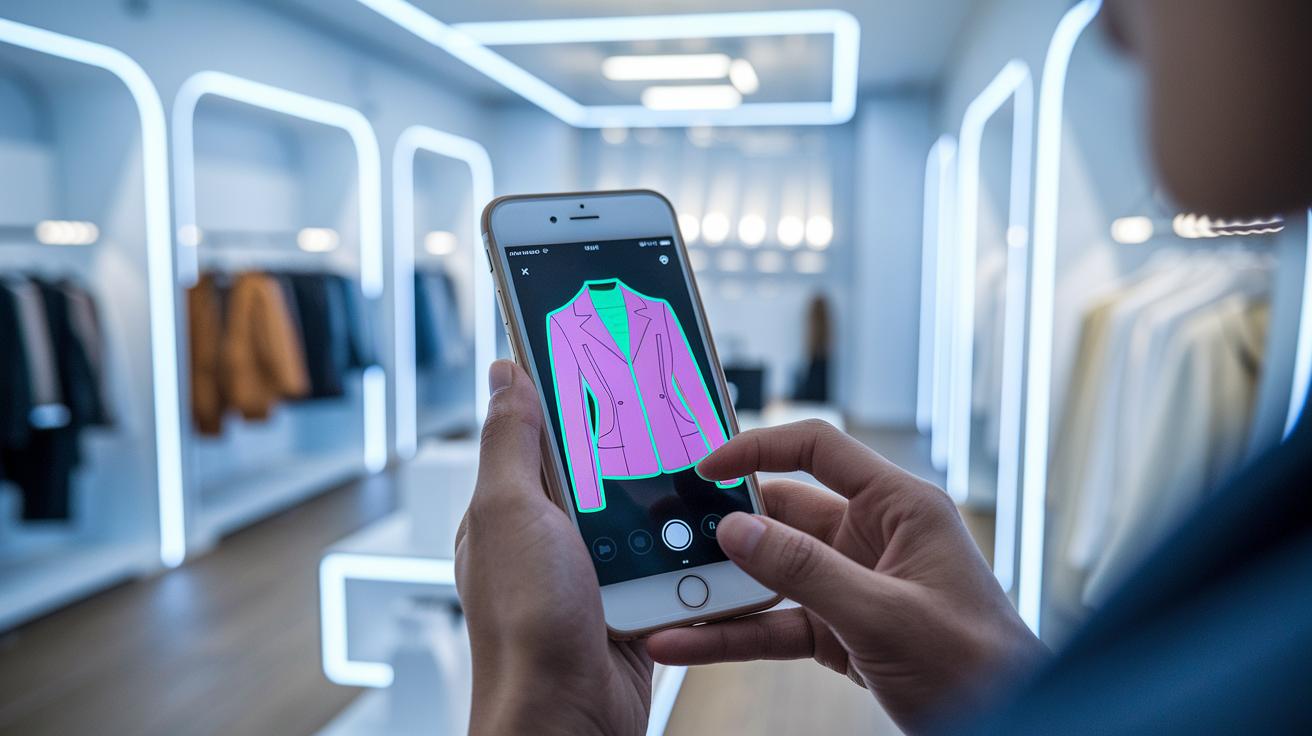
Virtual try-on tools are totally changing the way we explore fashion. Nowadays, you can use your smartphone or computer to see how a piece of clothing fits and flows without ever stepping into a store. Brands are also getting creative by designing digital outfits for avatars in online worlds, which not only reaches more people but offers fresh insights for future trends. Imagine using your phone to try on a bright jacket in real time or watching a digital model spin in a 3D dress that moves just like real fabric. It’s practical and fun, a cool twist on how we experience fashion.
AI-powered simulation tools add even more flair to this creative shift by showing how fabrics drape and move with smart 3D design software. Virtual showrooms and digital runways let designers test out new ideas with style lovers from all over, gathering live feedback to perfect upcoming trends. Plus, AI-enhanced shopping assistants study your virtual interactions to suggest styles in real time. These immersive digital experiences are reshaping trend forecasting, making fashion more interactive and in tune with today’s fast-paced world.
Case Studies of Automated Garment Estimation and AI Agents
Back in Q3 2025, a key industry review checked out nine top commerce search and product discovery platforms. The study revealed how smart tools in garment estimation and couture analysis are changing the game. These platforms use clever algorithms that refine product displays based on market predictions. One cool trick? A hyper-personalized e-commerce search that adjusts immediately to what shoppers are doing. Customized category pages also tailor layouts to individual tastes, while dynamic collection pages keep things fresh by updating in real time as trends and user actions evolve. This insight from "business of fashion" shows how AI is reshaping the shopping experience.
AI Shopping and Insights Agents
Meet the AI Shopping Agent and AI Product Insights Agent, your new digital style buddies. They sift through loads of digital signals to suggest items that match your vibe perfectly. They also help with merchandising by offering quick, detailed product info, making shopping feel effortless and personal. With these smart tools, every customer experience feels uniquely crafted, and it seriously boosts conversion rates.
Dynamic Collection and Category Pages
Dynamic collection and category pages are all about real-time style. They react to live user engagement and the latest trends, automatically rearranging layouts to highlight the must-have items. This approach not only increases engagement but also keeps product displays looking fresh and on point. By instantly updating based on user feedback and market shifts, retailers gain a real edge in today's fast-moving fashion world.
These case studies show just how much AI can lift retail operations, driving smarter inventory choices and powering revenue growth.
Strategic Advantages of Digital Fashion Trend Forecasting

Digital fashion trend forecasting is like having a savvy buddy who mixes smart creativity with solid numbers to boost your business. Brands get clear insights by turning market signals and customer behavior into easy-to-follow advice that helps hit important goals.
Take inventory management, for example. Cool AI tools can cut extra stock by nearly half by predicting which styles will really catch on. Picture a retailer spotting that a unique fabric or cut is about to blow up, then quickly scaling production to match demand while keeping waste low. It’s as smooth as that perfect outfit fit.
Then there’s pricing, think of it as dynamic pricing with a tech twist. By watching demand, seasonal shifts, and competitors in real-time, smart systems adjust prices similar to a thermostat keeping a room just right. When a trend starts to heat up, these smart moves help lift profit margins and keep things fresh.
And let’s not forget the shopping experience. Brands use insights from past buys and browsing habits to offer style picks that feel like they were made just for you. These personalized recommendations create a friendly, engaging shopping vibe that really resonates.
Altogether, using these digital techniques makes the supply chain super agile. By constantly checking social media and global happenings, businesses can quickly shift inventories and marketing plans to stay on-trend, ensuring every step feels effortless and in tune with the moment.
Future Directions in Tech-Enabled Style Prediction
Generative AI is seriously shaking up trend forecasting, almost like a creative buddy who’s equally into numbers and art. It suggests designs that mix solid performance numbers with personal flair, like when a designer gets a little nudge: "Picture a jacket that blends classic tailoring with cool, unexpected digital textures." That spark of inspiration blends creative flair with clear, data-driven hints, setting the stage for truly fresh ideas. And guess what? Retailers are also teaming up with AI experts to build custom forecasting tools that fit their unique collections perfectly. These smart systems mix hands-on trend checking with digital insights about garments, turning real-time data into stories that make style feel innovative and alive.
Sustainability is also steering the conversation in a big way. Many brands are now embracing eco-friendly designs by using biodegradable fabrics or even creating digital-only garments to hit those green goals head-on. Plus, AI is making it possible to customize outfits for avatars in the metaverse, opening up whole new worlds of fun, interactive fashion. This fusion of eco-conscious practices with digital creativity is not just a trend, it’s a fresh outlook on how we can meet both market needs and environmental challenges. The upcoming 2025 trend forecast shows that when sustainable practices meet tech innovation, fashion gets a whole lot smarter and greener.
Final Words
In the action, this piece showed how smart tech meets creative flair through tools like social platforms, pattern recognition, and virtual models. It offered insights on ways to read style movements and adjust collections quickly.
By blending cultural cues and data, the ideas shared help make smart fashion decisions and refresh personal style. Digital fashion trend forecasting remains a powerful way to keep style both fun and current, leaving you energized and ready for what’s next.
FAQ
What is digital fashion trend forecasting pdf?
The digital fashion trend forecasting pdf explains how data and cultural cues guide predictions about upcoming styles. It serves as an easy-to-understand guide for anticipating fashion changes.
What does fashion trend forecasting 2026 refer to?
Fashion trend forecasting 2026 refers to predictions about future styles, color schemes, and designs expected to gain traction by 2026. It combines market data and runway insights to guide planning.
Where can I find fashion trend forecasting websites?
Fashion trend forecasting websites are online platforms that offer trend reports and interactive visuals. They compile data from social media, sales metrics, and fashion shows to help users plan collections.
What does fashion trend forecasting 2025 entail?
Fashion trend forecasting 2025 entails analyzing current sales, social signals, and runway developments to predict next year’s popular styles. It gives brands a roadmap for adjusting designs and merchandising strategies.
How does AI trend forecasting fashion work?
AI trend forecasting fashion works by using machine learning to analyze vast data sets, including digital media and runway images. It identifies emerging styles quickly and accurately, allowing for better planning.
What is a fashion forecasting pdf?
A fashion forecasting pdf is a document that outlines methods for predicting upcoming trends through data analysis. It presents insights from techniques like social media evaluation and historical trend reviews.
What are some fashion trend forecasting courses?
Fashion trend forecasting courses are educational programs that teach data analysis and trend observation. They offer practical training, case studies, and expert insights to help learners spot emerging styles faster.
What is the WGSN trend forecast 2025 PDF?
The WGSN trend forecast 2025 PDF presents visual insights and detailed predictions for upcoming trends. It combines market research and cultural signals to support strategic planning for future collections.