
Have you ever noticed how some brands always seem to get the style just right? Imagine sales figures, online chatter, and dazzling runway moments piecing together like your favorite puzzle. Every little detail hints at what might soon be in your closet.
In this guide, we share five clever tricks to spot upcoming fashion trends. It’s like having a chat with a friend about the next big thing in style. Ready to turn these insights into your own style forecast?
Core Strategies to Predict Fashion Trends Accurately
Data-driven forecasting kicks off by blending info from sales, inventory, social media chatter, and influencer updates, letting you spot clear trend cues. For instance, a brand might notice a spike in love for light, breezy summer outfits when extra online questions and engagement start rolling in.
Watching runways and street styles is super helpful for catching new silhouettes. At fashion weeks, designers show off fresh textures and cool fits that feel right off the runway. And then, everyday street shots reveal how these chic ideas turn into wearable looks. Imagine a designer rethinking a classic blazer on stage, soon enough, local boutiques are all over that vibe.
Modern AI tools like language processing and image recognition boost forecasting skills by scanning tons of posts and runway snaps to pick up subtle shifts. For example, if a new set of seasonal colors keeps popping up online, it's a strong hint that a trend is coming. This mix of human insight and smart algorithms really makes a difference.
Short-term predictions, or micro-trends, usually focus on seasonal colors and silhouettes that change over about 6 to 12 months. Meanwhile, long-term trends, like eco-friendly designs and materials with a tech twist, are eyed up 18 to 24 months ahead. Blending these approaches gives brands a smart edge to anticipate style shifts and stay one step ahead in fashion’s ever-changing scene.
Analyzing Consumer Behavior in Fashion Trend Prediction

Understanding what people love to wear is like unlocking tomorrow’s runway hits today. Think about this: data from 70 million real shoppers and insights on 20 million products give us a sneak peek into which colors, cuts, and fabrics are suddenly stealing the spotlight.
Social media is our best friend here. A quick scroll through Instagram or TikTok can show us early buzz on cutting-edge looks. Ever noticed a TikTok trend spiking over a cool textured jacket? That kind of rapid love tells us it might just be the next big hit. And when shoppers leave reviews, they’re not just sharing opinions, they’re hinting at which small details, like fabric or subtle embellishments, are winning hearts before the trend explodes.
Past seasons also whisper secrets to us. When we look back at which silhouettes captured shoppers’ hearts, we can kinda predict what will come back around. Checking inventory trends and catching influencer posts also gives brands a real-time pulse on what’s hot right now.
Key tactics include:
- Tracking hashtag performance on social media to catch trends as they happen.
- Reading customer feedback to see which fabrics and cuts are nabbing attention.
- Blending sales data with influencer buzz to pinpoint promising early signals.
By keeping an eye on social media vibes and listening closely to shoppers’ tastes, brands can ride the wave into the next fashion trend with confidence and style.
Leveraging Runway Insights to Predict Fashion Trends
Runway shows give us a sneak peek into tomorrow's styles. Designers play with techy textures and fluid, gender-free cuts that break away from what we've seen before. Imagine a jacket that lights up with shifting LED panels, softly glowing as if it’s telling a futuristic story right there on the stage.
Fashion weeks look ahead 18 to 24 months, using hints from our culture and nature to pick the right colors and fabrics. Observers see quirky mixes, like soft tech-infused materials paired with sharp, structured pieces, that make urban looks feel both bold and easy to wear. Ever thought about a design that blends smooth, futuristic fabrics with a touch of classic structure?
Now, experts are mixing runway trends with smart material studies to uncover even deeper insights. And as street style transforms these high-fashion ideas into everyday outfits, we get a clever mix of creative predictions and practical style, making fashion both accessible and exciting.
Applying AI and Data Analytics to Predict Fashion Trends

Artificial intelligence is changing how we spot future fashion trends. By using simple tools like natural language processing (a way for computers to understand everyday talk) and image recognition (computers identifying designs in photos), smart systems can scan millions of social posts and runway snaps. Ever notice a fabric suddenly becoming a hot topic online? That buzz often hints at new designs coming soon. This approach turns a jumble of data into clear style signals.
Next, some platforms gather info from 70 million shoppers and look at 20 million fashion items. Think of it as getting a snapshot of what everyone is loving right now. They even check how people feel about the trends with sentiment analysis, a fancy way to measure emotion. It’s like taking the pulse of the fashion crowd, helping brands stay quick and ready for the next big hit.
Then, mixing these AI tools with data studies gives a sharper picture of fashion cycles. Retailers now rely on these smart studies to spot rising trends, while big data makes it easier to see what might be popular next season. These systems blend solid numbers with real feelings, sorting out tiny hints from bigger style shifts.
| Tool Name | Purpose | Key Feature |
|---|---|---|
| TrendScan | Data integration | Natural Language Processing |
| ImageInsight | Pattern detection | Image Recognition |
| SentimentPro | Consumer sentiment | Real-time Analysis |
By using these cool tools, brands can nail their edge and spot design trends with real precision.
Using Historical Data to Predict Fashion Trend Cycles
Fashion is like a rolling wave. Small trends groove for about 6 to 12 months, while bigger trends stick around for 3 to 5 years. Looking back at old seasons feels like reading a style diary, where hidden details pop up again with a cool twist.
Archive research shows that looks from the past are always making a comeback. Think about the clean, smooth vibes of 90s minimalism or the relaxed feel of 70s boho. Ever notice how those simple, understated silhouettes reappear, almost like a quiet nod from the past?
Sales numbers also tell a fun story. When you dig into old records, you see that color palettes tend to repeat every 20 years, like soft neutrals making a gentle return in today’s collections. And as heritage fabrics get a sustainable upgrade, you see a natural link between vintage charm and modern green styles.
Flipping through old catalogs, runway shows, and vintage records is like hearing a familiar tune in a surprising remix. By learning from past trends, brands can predict future styles, keeping the spirit of what once was alive in today's fashion world.
Monitoring Social Media to Predict Fashion Trend Movements
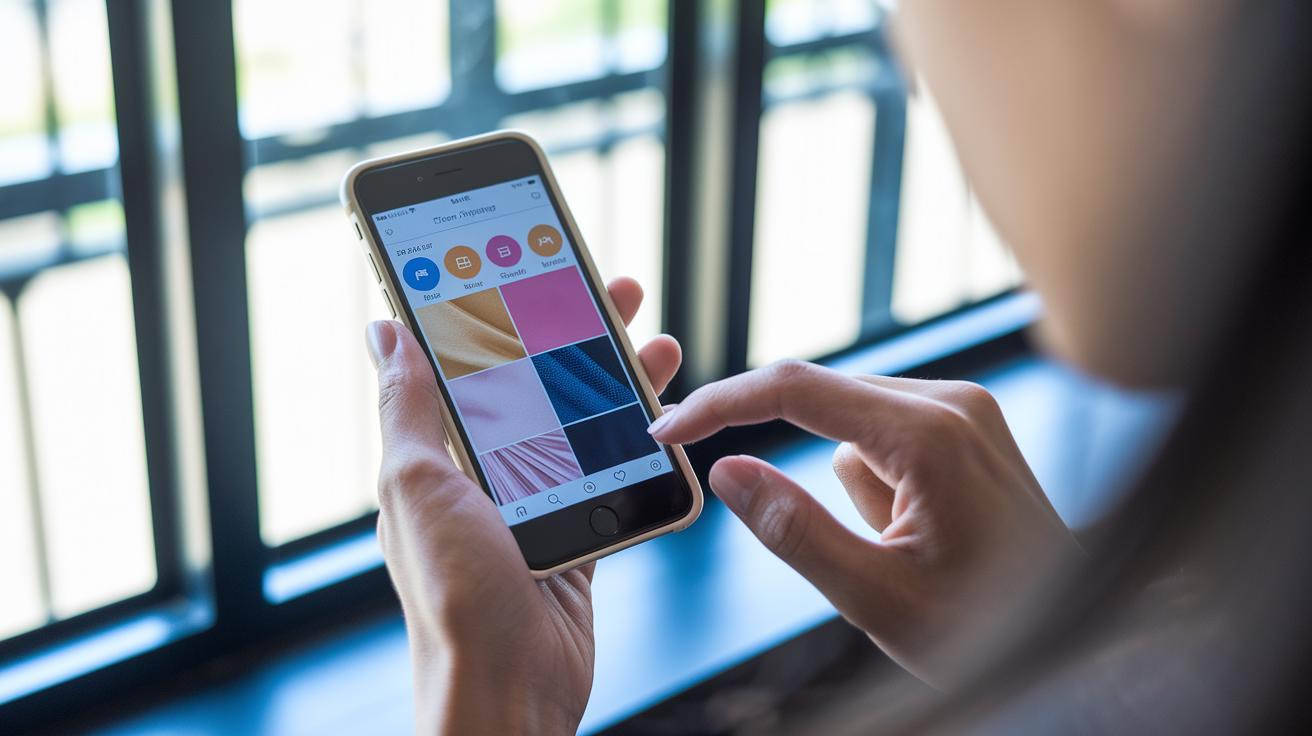
Watching Instagram and TikTok in real-time really shows us how styles evolve. You know when a unique fabric detail or an unexpected cut hits a trending hashtag? That’s a clear hint that people are starting to lean towards something fresh. Sometimes, even before a big label launches a look, micro-influencers might casually drop a subtle design twist that gives us a sneak peek into what’s next.
Then there’s the cool side of advanced sentiment scoring. This tool goes beyond just counting likes or shares by ranking emerging color themes and textures. It even catches those genuine reactions from audiences that show which styles really hit home.
Some key tactics here are:
- Tracking Instagram hashtags and TikTok trends
- Checking out influencer posts for those subtle engagement signals
- Using advanced sentiment metrics to tap into social chatter
Together, these methods help us pick up on the best cues from social platforms, connecting high-fashion ideas with everyday style in a simple, clear way.
Proven Methodologies to Predict Next Fashion Trends for Success
A smart five-step method can help fashion brands spot new looks for tomorrow. It all starts by gathering numbers from sales, social posts, and runway shows. Imagine a shop that sees a rush of crisp white shirts after a wave of Instagram posts makes them pop.
Then, you look at the signals. Using simple AI tools alongside a hands-on review can catch early hints in the data. For example, an AI might notice that more people are loving jackets with detailed embroidery. This little clue can be a sign that a trend is just beginning.
Next, mix all those findings together. Trend synthesis sorts what you see into quick, short-lived hits and styles that might stick around longer. By blending small signals with big-picture ideas, you can get a clearer view of what could soon be a wardrobe must-have.
After that comes forecast reporting, which helps brands plan for seasonal shifts. Writing brief reports and sharing trend snapshots makes it easier to prepare for what’s coming next. Think of it as planning a special edition drop when summer wear demand suddenly surges.
Finally, validation checks how trends perform once they hit the market. By comparing sales and customer feedback after a release, brands can tell if their predictions hit the mark. One study even showed that many brands reduced mistakes by about 30% using this method.
Using these five simple steps, fashion brands can fine-tune their creative moves and make smart decisions that truly connect with shoppers.
Final Words
In the action, this article combined data snapshots from sales, runway trends, and social signals to explain how to predict fashion trends. It mixed smart forecasting tips, from consumer insights and AI analysis to historical style cycles, that reveal both short and longer wear shifts. Each method shows clear markers for what’s next, putting everyday style choices in perspective. The findings offer a fresh look at your next style update, keeping your wardrobe exciting and true to emerging cues.
FAQ
Fashion trend forecasting 2025
The process of fashion trend forecasting in 2025 relies on combining runway analysis, sales data, and social media insights. This method helps brands spot emerging styles ahead of the season.
Fashion trend forecasting 2026
The approach for fashion trend forecasting in 2026 builds on advanced data analytics and influencer trends. It assists designers and brands in anticipating new aesthetics well before collections hit the market.
Fashion forecasting pdf
The fashion forecasting PDF typically includes key strategies, case studies, and data-driven techniques used by industry experts. It serves as a quick guide to understanding how trends are identified and predicted.
Fashion trend forecasters
Fashion trend forecasters blend market data, runway reviews, and social media signals to predict upcoming styles. Their expertise guides brands in planning collections that resonate with evolving consumer tastes.
Trend Forecaster salary
The trend forecaster salary reflects a mix of market analysis skills and industry expertise. Compensation varies by location and experience, highlighting the value of precise fashion predictions in today’s market.
What is a trend forecast aviation?
A trend forecast in aviation focuses on emerging design preferences within the sector. It covers how airlines update uniforms, cabin styles, and branding to attract modern travelers.
AI trend forecasting fashion
AI trend forecasting in fashion uses machine learning to analyze social media posts, sales data, and runway imagery. This approach reveals patterns and helps predict upcoming trends with notable accuracy.
Fashion trend forecasting jobs
Fashion trend forecasting jobs involve studying sales trends, runway styles, and consumer behavior. Professionals in these roles advise brands on style directions and help them prepare for market shifts.
What is the 3-3-3 rule for fashion?
The 3-3-3 rule for fashion means using three main colors, three key clothing pieces, and three accessories to create a balanced look. This simple guideline aids in crafting cohesive, eye-catching outfits.
What is the 20 year rule in fashion?
The 20-year rule in fashion suggests that styles often reappear every two decades. It explains how influences from past eras can inspire modern designs and revive nostalgic trends.
How to know fashion trends before they happen?
Knowing fashion trends before they occur involves tracking runway shows, social media buzz, and sales data. Technologies like sentiment analysis and AI can provide early signals of upcoming style shifts.
How to use AI to predict trends?
Using AI to predict trends means processing vast amounts of data from images and social posts to spot emerging patterns. This tech-driven insight refines forecasts, making them more aligned with customer interests.