
Have you ever thought a designer might predict the future? Fashion forecasting does just that by blending what shoppers loved in the past with what they’re after now.
Recent changes in how we shop have turned style predictions into something more than a gamble. It’s a clever mix of solid data and creative flair.
Brands are using these insights to craft new collections that feel just right, combining cool street style with trusted market cues.
In this article, we’ll chat about how handy tech tools and expert advice are lighting up the next big trends in fashion.
Key methodologies in fashion forecasting techniques
Fashion forecasting techniques use past consumer behavior and today’s market trends to guess what’s coming in the next six to twelve months. It’s like blending old favorites with new vibes to plan collections that really click with shoppers. This approach watches current market signals and looks back at past sales, helping every new line meet expected demand.
After Covid-19, people started shopping with extra care and meaning. Forecasting now connects creative ideas with clear market clues. It shapes collections that follow seasonal cycles while capturing deeper lifestyle values.
- Qualitative street-style and social-media scanning
- Historical sales and POS data analysis
- Expert panel trend reviews
- AI-generated trend discovery (using smart computer tools to spot trends early)
- Media Impact Value® tracking
- Seasonal pattern mapping
- Consumer sentiment and survey analytics
Each method here brings a unique insight to planning designs and merchandizing. For instance, qualitative scanning picks up real street style vibes, while historical data shows how trends have shifted over time. Expert reviews add a creative touch, and AI tools catch early signals in emerging topics. Media Impact Value® tracking checks how well media tells our story, seasonal mapping spots recurring patterns, and buyer surveys wrap it all up by confirming what customers really care about.
Data-driven style projection methods for fashion forecasting techniques

Statistical forecasting has totally changed how fashion pros guess what’s coming next. By mixing old sales numbers with what’s buzzing right now, teams can spot new trends with real precision. This method leans on trusted data to score a trend’s potential, giving designers a solid base for creative choices. It even picks up on the smallest shifts in style, showing future demand in a way that creative hunches sometimes miss.
Forecasting models work hand in hand with interactive dashboards that turn tricky data into clear, everyday insights. These panels highlight key trend signals that let you see repeat patterns in what shoppers love. Big industry tools, like those you might check out on Business of Fashion, come with powerful setups for visualizing market clues. Their live-look interfaces let users compare seasonal changes with past trends and tweak guesses in real time, giving everyone a smart edge.
Keeping forecasts sharp means checking the data consistently and testing ideas over and over. Regular reviews and fresh market updates help smooth out any rough spots in the models. This ongoing cycle deepens our understanding of what buyers really want and backs up smart decisions in design and merchandising. By blending time-tested numbers with current vibes, fashion forecasting turns into a mighty tool for predicting the next big style wave.
Integrating digital tools and AI in trend prediction analysis
Digital tools and AI are changing the game in fashion forecasting. By using methods like digital attire analytics (which check online style trends) and algorithmic anomaly detection (that spots unusual patterns), machine learning scans huge amounts of data to catch early hints and hidden themes. It all comes together by mixing live market chatter with data from the past, giving designers a clear peek into what’s coming next.
AI-generated trend identification
These AI models dig through loads of data to spot new trends before they blow up. They catch little shifts and early cues that might otherwise be overlooked. For instance, if there’s a sudden buzz about a unique accessory, the system might flag it, giving teams a heads-up on a trend before it goes mainstream.
Algorithmic sentiment tracking
Then there’s AI-powered sentiment tracking, which dives into social media to see how people really feel about a brand or style. By crunching up numbers on mentions and talk around a look, these tools turn the buzz into clear insights. Imagine a dashboard that shows a rising positive vibe around a new silhouette, that’s what happens with non-stop monitoring of digital conversations and data streams.
By blending these digital and AI tools, fashion forecasters get a smart, dynamic toolkit that sharpens predictions over time. This means designers can make smarter tweaks and merchandising moves, staying ahead as trends evolve.
Seasonal insights review and consumer cycle appraisal in fashion forecasting techniques
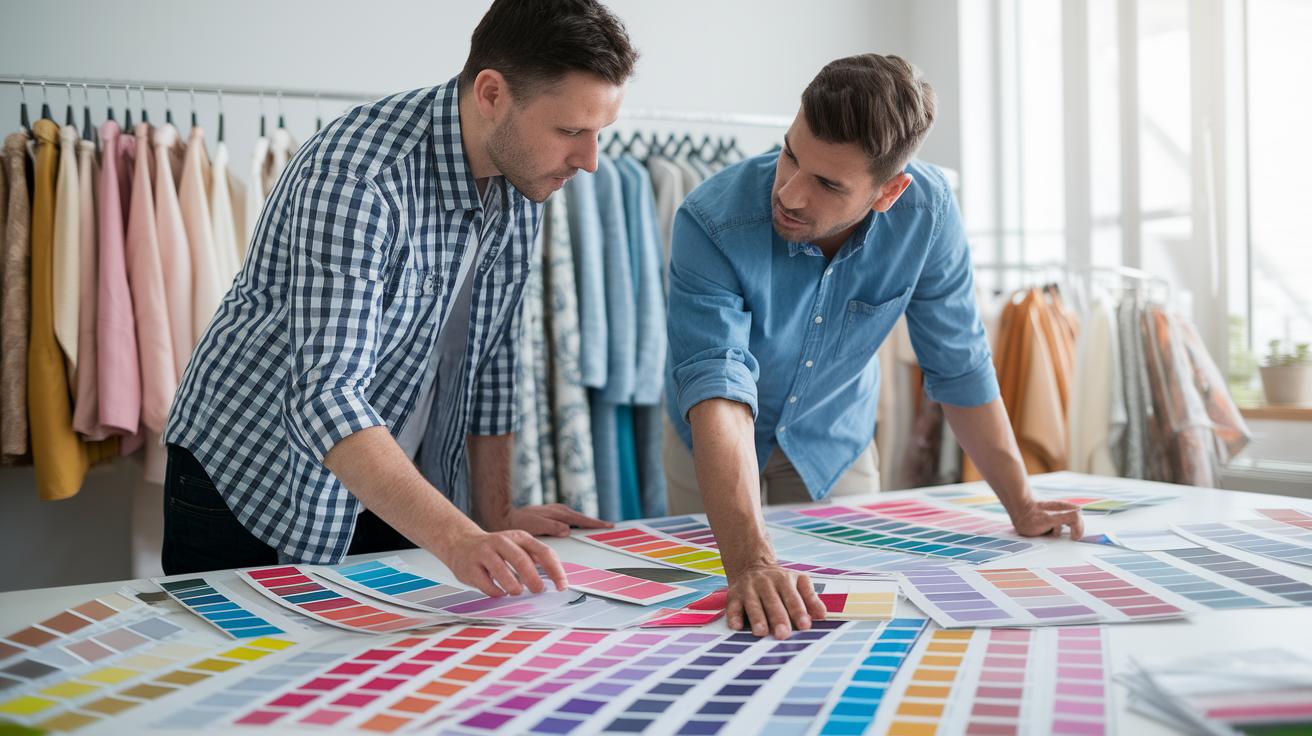
Designers look at each season, spring, summer, fall, and winter, to uncover trends in color, fabric, and shape. They start by checking past sales and tuning in to current market vibes. This helps them spot fresh color palettes, feel the fabric trends, and see how silhouettes are shifting. It can take six to twelve months to turn these bits of data into clear patterns, guiding them to adjust upcoming collections to match what buyers loved before.
On the flip side, consumer cycle appraisal groups shoppers by how often they buy and what lifestyle events inspire them. Some customers shop all the time, while others reserve their purchases for special occasions. By understanding these habits, designers can see which groups get excited about new styles. In truth, matching these buying cycles with fresh trends helps everyone fine-tune designs and merchandising to meet the pulse of consumer demand.
Runway outlook study: leveraging catwalk visuals for forecasting techniques
Runway outlook study uses live catwalk visuals as hands-on style labs. Designers and merchandisers keep a close eye on these dynamic shows, noticing shifts in color, texture, silhouette, pattern, and accessories. These details give an early peek at what’s about to hit the scene. By tuning into runway presentations, fashion pros pick up insights that help shape fabric choices and silhouette trends for upcoming collections. For an inside look at these forward-thinking methods, check out the trend report.
| Visual Element | Forecast Indicator |
|---|---|
| Color Palette | Hue evolution metrics |
| Silhouette | Data-driven silhouette anticipation |
| Texture | Fabric foresight perspectives |
| Pattern | Pattern innovation audit |
| Accessories | Novelty indicator study |
Blending these visual cues with up-to-date market data gives fashion forecasting a serious boost. Vibrant catwalk moments let creatives quickly tweak their styles and merchandising plans. Insights from evolving colors and soft textures help designers pick materials that really capture the market’s mood. Meanwhile, shifts in silhouette and smart pattern tracking lay a solid foundation for shaping fresh collections.
By merging real-time runway observations with solid data, brands can keep up with emerging trends and truly connect with consumers. This thoughtful runway outlook study turns every catwalk moment into a strategic planning tool. It’s all about mixing creative inspiration with market smarts while bridging the gap between bold design ideas and business sense.
Case study and actionable strategies in fashion forecasting techniques

A well-known fashion label recently tried a cutting-edge forecasting tool that follows product samples as they move through social media and influencer channels. It collects live data from different partners, giving the team a clear idea of regional demand. At one point, they noticed a sudden burst of interest from a new market, showing just how useful it is to track every step of a sample's journey.
These insights allowed designers to quickly adjust styles and update merchandising displays. By focusing on genuine feedback, the label was able to plan production more thoughtfully, reducing excess stock and cutting waste. This smart move not only improved sales but also aligned the brand with modern sustainability goals.
Sample tracking and Media Impact Value®
Using end-to-end tracking systems with the Media Impact Value® metric helps brands turn everyday media mentions into real, measurable outcomes. For example, when a popular influencer highlights a new accessory, MIV® calculates its promotional impact with clear numbers. This detailed view lets them predict which styles might be a hit, guiding smart adjustments to collections and sample restocking strategies.
Sustainable forecasting strategies
Real-time insights are key to slashing waste and promoting eco-friendly production. By keeping an eye on sample requests and media trends, brands can tweak production amounts and timing to avoid overstock situations. One designer shared, "Real-time tracking helped us cut unnecessary stock, making production leaner and greener." This method not only meets customer demand but also turns forecasting into a powerful tool for resource efficiency.
Blending advanced data tools with smart planning provides a winning formula. When sample tracking pairs with sustainability measures, brands gain clear, actionable insights that shape collections, set production timelines, and boost performance in a market that’s always evolving.
Final Words
In the action, our post unpacked the art behind fashion forecasting techniques, from tactile street-style checks and data crunching to AI scans that spot trends early. We broke down how seasonal cues, consumer cycles, and live runway cues mix with statistical tools for smart design planning. The insights make it easier to shape a watchful eye on upcoming styles and craft savvy choices. Keep the passion alive and enjoy shaping your own path with these fresh forecasting tips.
FAQ
Q: What are some examples of fashion forecasting techniques?
A: The fashion forecasting techniques examples include scanning social media trends, analyzing historical sales data, consulting expert panels, using AI to detect emerging styles, and tracking consumer sentiment—all essential for strategic design planning.
Q: What is the fashion forecasting process and how do you do a fashion forecast?
A: The fashion forecasting process blends data analysis with expert reviews; you start by gathering market data, identifying trends, validating findings with qualitative insights, and then aligning forecasts with design and merchandising strategies.
Q: What are the two types of fashion forecasting?
A: The two types of fashion forecasting are traditional seasonal research, which focuses on recurring trends, and value-driven consumer analysis that examines changing buying behaviors and lifestyle values.
Q: What is the importance of fashion forecasting?
A: Fashion forecasting is key because it guides design and merchandising decisions, helps predict consumer demand, and minimizes waste by aligning production with emerging trends and market signals.
Q: What is the 20-year rule in fashion?
A: The 20-year rule in fashion suggests that designers often reference style cycles and historical trends from two decades ago, influencing current collections through repeat inspirations and renewed interpretations.
Q: What are the 7 steps of forecasting?
A: The 7 steps of forecasting include street-style scanning, analyzing sales and POS data, expert panel reviews, AI trend discovery, tracking media influence, mapping seasonal patterns, and reviewing consumer sentiment through surveys.
Q: Where can I find fashion forecasting PDFs and notes?
A: Fashion forecasting PDF resources and notes can be found on educational sites and industry platforms, offering structured outlines that explain methods, case studies, and actionable strategies for style projection planning.
Q: What does long-term fashion forecasting involve, including forecasting for 2026?
A: Long-term fashion forecasting involves combining historical data with emerging trends to predict style shifts over time, while forecasts like those for 2026 estimate upcoming consumer preferences and design influences for the near future.