
Ever thought about how daring moments in fashion started the modern style we love today? Fashion history is all about bold moves and gutsy risks that changed how we dress.
Back in the 1600s, outfits were full of intricate details, and today we rock clean, modern looks. Each era broke the old rules by embracing fresh ideas and clever techniques.
Isn't it amazing how every twist in style weaves together art, innovation, and everyday culture? It feels like every fabric has a story to tell.
Comprehensive Fashion Design History Timeline Overview

Fashion has always told a story about our world, from new technology to everyday culture. Over time, what we wear has changed from wildly detailed designs to simple, practical looks. Each new style is a blend of creative ideas and smart techniques that show just how our values shift.
At its heart, style captures our journey as a society. Every era has brought its own shapes and clever methods that break the rules of their time. Moving from lavish adornments to clean, modern minimalism, these changes remind us of the creativity and strength we all share. This rich story inspires what we wear now and sparks even more fresh ideas for the future.
| Era | Timeframe | Key Trend | Notable Designer |
|---|---|---|---|
| Baroque | 1600s | Ornate shapes & detailed embroidery | Anonymous |
| Rococo | 1700s | Soft pastel colors & pretty details | Anonymous |
| Regency/Victorian | 1800s | Fitted corsets & flowing empire dresses | Anonymous |
| Edwardian | 1900s | S-curve designs & refined details | Anonymous |
| Flapper | 1920s | Easy, relaxed cuts with modern flair | Coco Chanel |
| Hollywood Glamour | 1930s | Smooth bias-cut styles & gentle draping | Film Icons |
| New Look | 1940s | Embraced femininity with full skirts | Christian Dior |
| Power Dressing | 1980s | Bold suits with standout shoulders | Rei Kawakubo |
| Digital Era | 2020s | Comfort-first styles mixed with tech | Emerging Designers |
This timeline is a doorway to understanding how each time period has shaped our modern trends. Every era brings its own story, blending timeless classics with bold, new ideas. By looking back at these defining moments, we see how the past continuously influences today’s wardrobe. Each signature look mirrors the pulse of its time, paving the way for ongoing style innovation. It's truly impressive.
1600s-1700s Fashion Design History Timeline: Baroque to Rococo
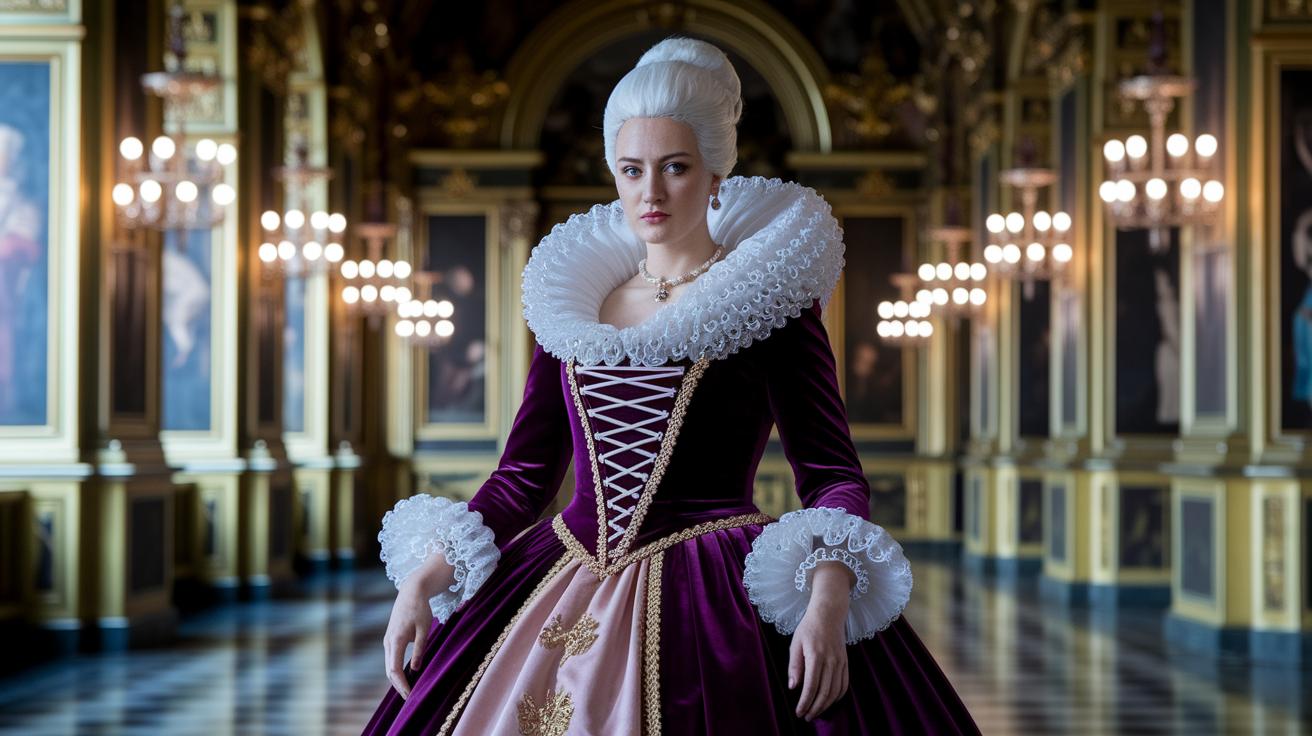
Back in the 1600s, Baroque style ruled the fashion scene. Rich fabrics like silk and velvet, big skirts, and bold ruffled collars were the talk of the town. Corsets were key to shaping a sleek look that said you belonged to the higher class. Picture walking into a grand palace where every shimmering detail and structured garment whispered luxury and prestige.
Then, in the 1700s, Rococo brought a fresh vibe with its soft pastels and pretty floral touches. Embroidered waistcoats and delicate accents became popular, giving off a playful yet stylish feel. Of course, as new ideas and political changes began stirring, these extravagant designs gradually made room for simpler, more comfortable styles that led to the more practical dress of the 1800s.
19th Century Fashion Design History Timeline: Regency to Victorian
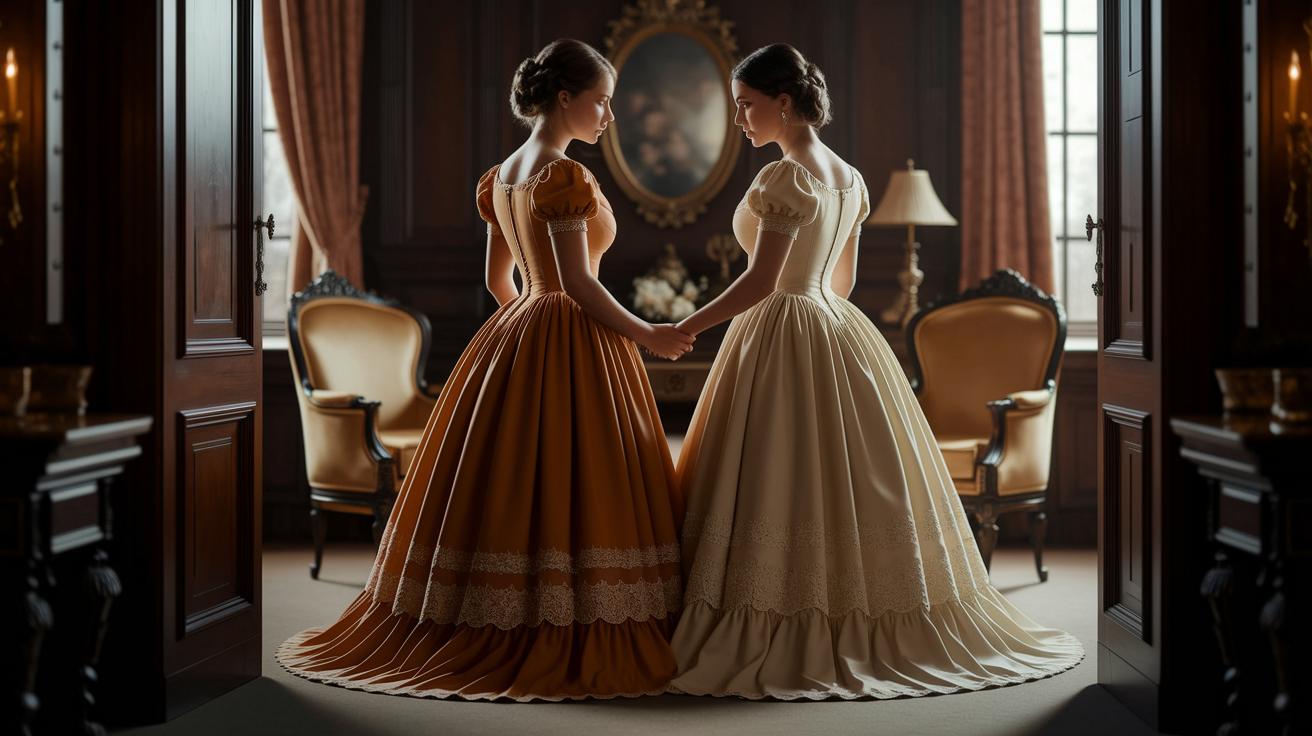
Back in the early 1800s, the Regency era brought us a fresh, airy look with dresses that featured an empire-line silhouette. These high-waisted styles gently lifted the bust and flowed with a light, breezy feel. It was a new way to celebrate the human form, a look that would pave the way for even more creative designs later on.
Then, during the mid- to late-1800s, the Victorian era stepped in, turning fashion into a much more structured art. Tight corsets (those snug bands that shape the waist) and sweeping crinolines (big, puffy petticoats) became key parts of a woman’s wardrobe. This era’s style also meant that every outfit was a sign of proper etiquette and status. Men weren’t left out either, sharp, tailored tailcoats and waistcoats became a symbol of precision, especially as industrial textile production made fabrics more widely available.
Here’s a quick look at the big trends:
| Trend | Highlight |
|---|---|
| Empire-line & High Waist | Flowing, elegant silhouettes |
| Tailcoats & Waistcoats | Sharp, well-fitted men’s style |
| Corsets & Crinolines | Structured, dramatic women’s attire |
| Industrial Textile Production | Broader access to fabrics that changed fashion |
These groundbreaking trends still influence modern tailoring, blending classic shapes with fresh fabric ideas to inspire today’s style. Imagine how each detail, from the gentle lift of a high waist to the snug embrace of a corset, continues to add a touch of sophistication to our current looks.
Early 20th Century Fashion Design History Timeline: Edwardian Elegance and WWI

Back in the 1900s, the S-curve corset ruled the scene. It gave wearers a look that mixed grace with strength, kind of like watching a vintage motor race where every twist spoke of both luxury and playful calm. The Gibson Girl style became the go-to for a fresh, youthful vibe that turned everyday dressing into a stylish adventure.
Then, in the 1910s, things took a new turn. Visionaries like Paul Poiret decided enough was enough with those tight corsets. His designs flowed naturally, almost like a soft evening breeze, and his empire-line gowns added a gentle, relaxed elegance that felt totally different from the old strict styles. And with a touch of exotic flair, his work opened up a whole new way of dressing that was all about ease and expression.
World War I pushed fashion to get real practical. The detailed, sculpted looks of the Edwardian era made way for simpler cuts that were built for tough times. With cloth in short supply and everyday wear needing to be both fashionable and functional, style shifted from pure luxury to a blend of survival and elegance, a true turning point in design history.
1920s-1930s Fashion Design History Timeline: Flapper Era to Hollywood Glamour

The 1920s shook things up big time. People were buzzing with the energy of the Jazz Age, and fashion was no exception. Flapper style ditched old-fashioned looks with a cool, boyish cut, low waistlines, and skirts that ended at the knee. Imagine a group of women stepping out in short, daring dresses – a real celebration of freedom.
Coco Chanel changed the game by turning everyday clothes into practical, ready-to-wear art. Her designs mixed comfort with style, letting women look chic without any fuss. Celebrities on the big screen loved her simple yet elegant approach, blending street style with that touch of red-carpet magic. It all came together to give everyone a taste of modern, refined glamour.
By the 1930s, Hollywood was all about glamour. Designers brought in the bias-cut technique, a way to let fabric drape softly around the curves. Early materials like rayon added a hint of luxury, even when times were tough. Creative minds made clever choices with fabrics, balancing beauty and practicality. It’s a look that still inspires what we wear today.
1940s-1950s Fashion Design History Timeline: Utility Fashion to the New Look
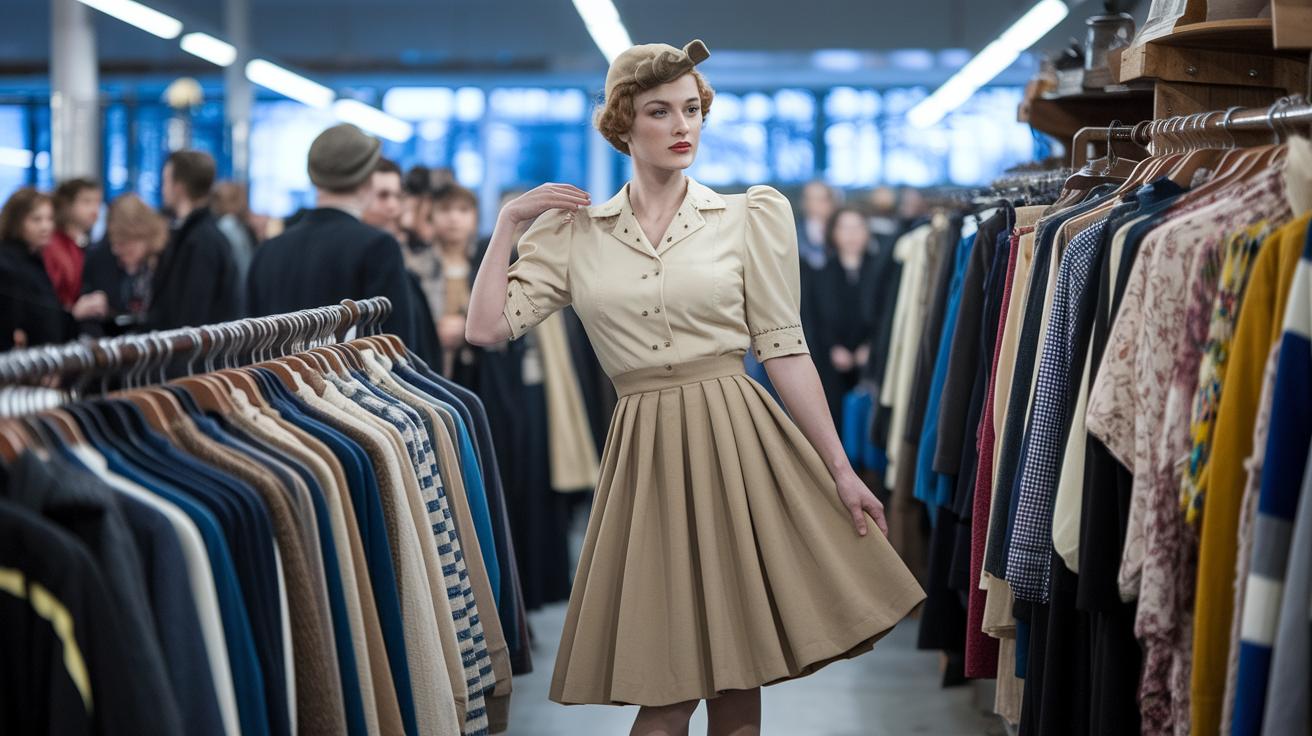
In the 1940s, fashion meant putting practicality first. With resources tight, every stitch had to count. Designers kept things simple yet smart, with padded shoulders, snug waists, and knee-length skirts that did the job while looking cool. And hey, in 1946, the bikini first hit the scene, thanks to Louis Réard, offering a playful twist in a serious time.
Then in 1947, Christian Dior shook everything up. His New Look tossed aside the plain, utilitarian styles and brought back elegance with full skirts and tight waists that celebrated the feminine shape. This fresh vibe not only changed the way clothes fit and flowed but also gave the fashion world a much-needed burst of optimism.
By the 1950s, style was all about new shapes and a lively spirit. The classic hourglass figure made a huge comeback, and designers like Balenciaga, with his Sack dress, and Chanel, with her sleek slim suits, carved out their own unique style. Even the younger crowd started mixing refined touches with a hint of playful rebellion, keeping fashion exciting and ever-changing.
1960s-1970s Fashion Design History Timeline: Youth Rebellion and Disco Trends

In the 1960s, fashion was all about breaking free from the old rules. Designers like Mary Quant introduced the fun, flirty miniskirt, a short skirt that quickly became a symbol of personal freedom. At the same time, creative minds experimented with clothing that mixed both men’s and women’s styles, and they even played with space-age prints (think futuristic designs inspired by André Courrèges). Imagine walking into a room and letting your outfit speak louder than words.
Then the 1970s rolled in with its own unique twist. This era blended a chill, laid-back vibe with the dazzling energy of disco. Hippie influences reappeared in the form of prairie dresses, quirky patchwork, and handmade crochet details, all mixed with the sparkle of disco through wrap dresses, platform shoes, and those unmistakable bell bottoms. Every outfit felt like it was part of a live music playlist, full of rhythm and personal flair.
Across these two unforgettable decades, designers weren’t afraid to get creative with fabrics and cuts. They turned everyday clothes into art by playing with fluid silhouettes, bold combinations, and unexpected forms. It was a time when fashion truly became a fun, lively expression of rebellion and celebration.
1980s-1990s Fashion Design History Timeline: Power Dressing to Minimalism

Back in the 1980s, power dressing was all the rage. Bold, structured suits with dramatic shoulders and unconventional cuts spoke to a desire for personal strength and fresh ideas. Designers like Rei Kawakubo and Yohji Yamamoto were pushing the limits with shapes that broke all the rules, inviting everyone to embrace their unique edge. Imagine sporting a look that boldly shouts your ambition and celebrates individuality.
Then came a cool twist: athletic wear started to mix with everyday styles. Spandex, leg warmers, and sporty details jumped from the gym right into city life. Runners’ sneakers began pairing with tailored blazers, blending comfort with a dash of boardroom flair. It was like taking the energy of a workout and turning it into street-smart style.
By the 1990s, fashion took a quieter turn with minimalism and grunge setting the scene. Baggy denim, flannel shirts, and simple streetwear offered a laid-back counterbalance to the 1980s’ bold excess. Top models such as Linda Evangelista, Cindy Crawford, Naomi Campbell, and Christy Turlington turned these trends into everyday art, marking a shift that still influences today’s style moves.
2000s-2010s Fashion Design History Timeline: Fast Fashion, Athleisure, and Social Media

Back in the 2000s, fast fashion changed everything. Lookbooks turned into quick digital hits, and stores showcased celebrity-inspired styles like boho, hip-hop, and athleisure that you could grab in a flash. Imagine scrolling through a virtual catalog where every outfit seems handpicked by your favorite star, clothes appear and vanish almost as fast as you tap "buy." It was a real game-changer, shifting shopping from brick-and-mortar stores to the swift pace of online trends.
Then, in the 2010s, Instagram and TikTok took center stage, speeding up the trend cycle and sparking fresh design twists. Influencers started sharing quick outfit ideas and behind-the-scenes peeks, kind of like a backstage pass to fashion. One minute, you’re staring at a bold print on your feed; the next, it's all over your social circle. Designers like Alessandro Michele brought playful maximalism to major brands, mixing daring ideas with a nostalgic vibe. Picture a burst of color that lifts your mood with every scroll.
Around that time, sustainable and inclusive collections also began to shine. More designers turned to eco-friendly fabrics and gender-neutral designs, inviting everyone to be part of the style revolution. It made you wonder, "What exactly is sustainable fashion?" This shift nudged the industry toward a kinder, more mindful approach, blending trendiness with a thoughtful touch for the planet.
2020s Fashion Design History Timeline: Comfort, Revival, and Digital Innovation
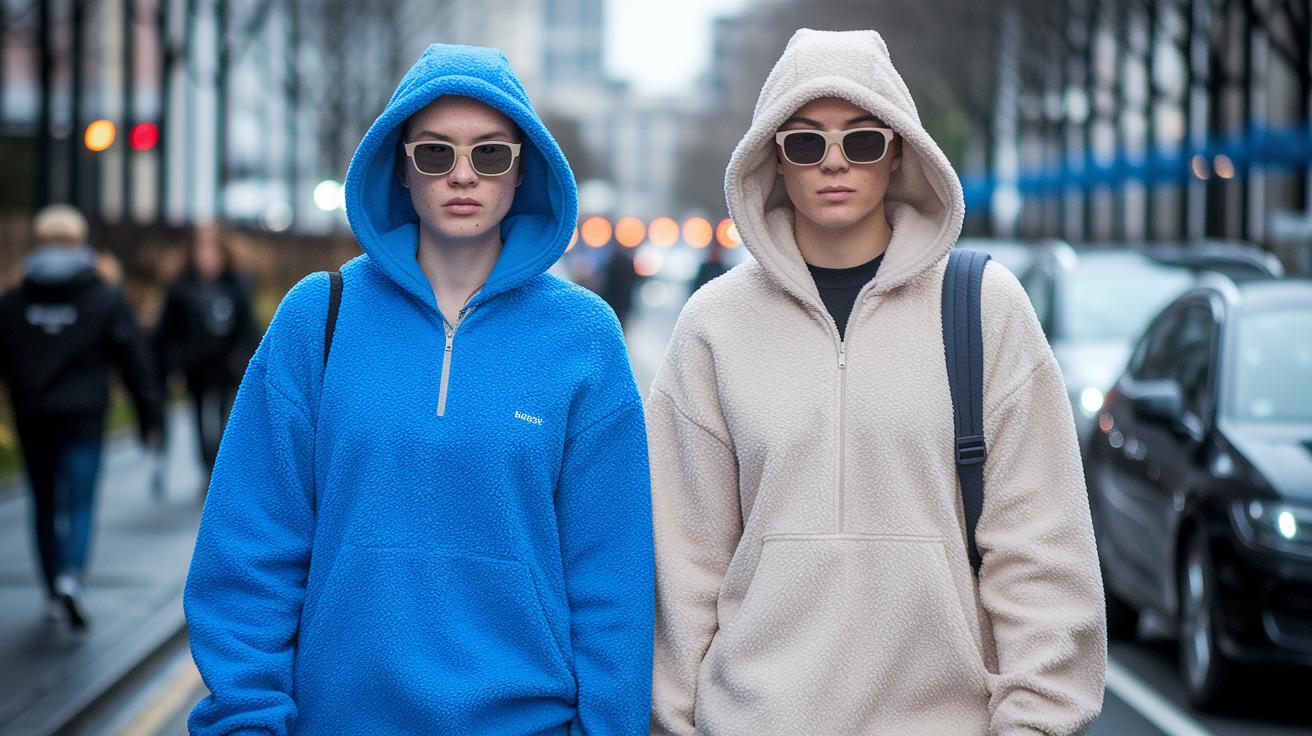
The 2020s turned the fashion world on its head by putting comfort first. With the pandemic changing our daily lives, cozy looks and activewear moved from gym floors to street styles. Designers are blending relaxed fits with fun hints of early-2000s flair, imagine slipping into a soft, sporty top with a playful, nostalgic twist.
Next, sustainability and digital trends are making a big splash. Eco-friendly fabrics and recycled materials are now the go-to for many collections, while virtual runway shows and online try-ons bring fashion right to your screen. It feels like watching a digital magic show where every piece is both comfy and cutting-edge.
- Everyday activewear becomes a key part of our wardrobe
- Y2K-inspired looks mix relaxed cuts with nostalgic accessories (what is y2k fashion)
- Designs highlight eco-friendly and recycled fabric choices
- Digital runway shows and VR presentations bring the collection to life
- Virtual fitting rooms and AR try-ons make trying on outfits fun and easy
Final Words
In the action, our review sprinted through eras of style. We covered centuries from ornate Baroque to sharp digital looks, all linked in a clear fashion design history timeline.
Every period showed its own flavor, from spirited silhouette changes to bold new trends. This overview sets the scene for future deep dives celebrating smart fashion decisions and self-style elevation.
The fusion of heritage and modern flair brings a fresh spark. Every chapter inspires us to keep pushing style boundaries with a smile. Bright times lie ahead.
FAQ
What does a fashion design history timeline PDF include?
A fashion design history timeline PDF includes a chronological account of style developments from early eras through the 20th century, highlighting key trends in clothing, textiles, and design that reflect cultural shifts.
What does a fashion history book offer?
A fashion history book offers an in-depth look at style evolution with clear visuals and narratives. It explains changes in design, techniques in sewing, and the impact of cultural milestones.
What is the history of fashion design?
The history of fashion design shows how clothing styles and textiles have transformed over time. It reflects shifts in society, technology, and art—from early handcrafted garments to modern ready-to-wear looks.
What is the 3-3-3 rule in fashion?
The 3-3-3 rule in fashion means choosing three staple pieces, three prominent colors, and three distinct accessories to form a balanced and stylish outfit that achieves visual harmony.
What is the 20 year rule in fashion?
The 20 year rule in fashion suggests that styles from two decades ago may resurface. This rule highlights how trends can be cyclic, often revisiting past aesthetics and ideas.
What are the 5 stages of the fashion cycle?
The 5 stages of the fashion cycle include introduction, rise, peak, decline, and obsolescence. These stages explain how trends gain popularity and eventually fade from the spotlight.
What links fashion design, sewing, and textiles?
Fashion design, sewing, and textiles are closely connected as each plays a vital role in creating garments. Together, they reflect cultural changes and technological innovations while expressing creative vision.