
Have you ever felt like your design process might be a bit too tangled for someone to easily follow? Imagine chatting about your work as you would tell a fun story, from that first burst of inspiration right down to turning rough sketches into something real. This post breaks things down into clear steps, making it simple to show how you think, plan, and tweak your ideas along the way. Ready to share your creative adventure in a fresh, breezy style?
Interview Preparation: Showcasing Your Design Process from Start to Finish

Ever thought about how to share your design journey in a way that's both clear and engaging? It all starts with a simple step-by-step story. Begin by detailing your process, from diving into research to understand user needs, sparking ideas in your brainstorming sessions, then building prototypes, testing them out, and tweaking your work. For example, you might share, "I kick things off by gathering insights about what users really need, then jump into creative brainstorming that leads to unique solutions." Little anecdotes, like mentioning a time you repurposed everyday objects into design tools, really make the story yours.
Break down your projects into clear, bite-sized phases. Try using a method like STAR, meaning Situation, Task, Action, Result, to explain each part of your journey. Maybe you'll describe how your initial sketches evolve during prototyping, or how feedback from user testing guides your next steps. This clear outline not only shows how you work but also highlights your knack for improving with every iteration.
Don’t forget to practice sharing your story. Run through your talking points out loud until your flow feels natural, just like chatting with a friend about your latest creative wins. And if you need a little extra guidance, check out helpful resources, sometimes a quick look at a designer interview tip can boost your confidence. Ultimately, being relaxed and genuine when you discuss your process leaves a lasting impression during your interview.
Portfolio Layout to Showcase Your Design Process Journey
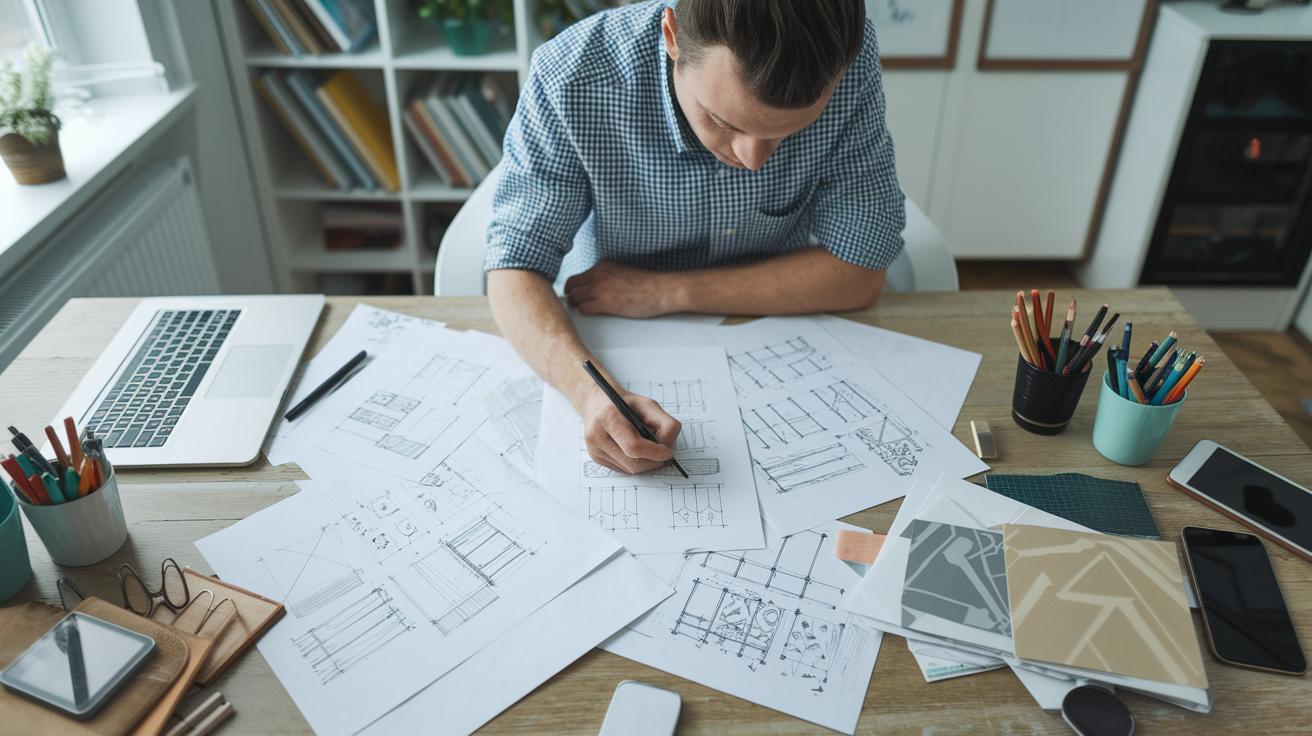
A neat portfolio is like a storybook that takes interviewers on a journey through your creative work. It all starts with clear snapshots of your projects, inviting the viewer to see how your ideas come alive, from sketch to final piece. Think of each image as a small window into your process, where early doodles slowly turn into polished designs.
When you put your work together, keep it simple. Use images and little notes that explain your creative choices in plain language. Every piece should flow naturally, showing step by step how your ideas grew. This clear way of presenting makes your project easy and fun to follow. Here are five key elements your portfolio should have:
| Element | Description |
|---|---|
| Project Overview | Sets the stage and gives the context |
| Initial Sketches | Captures your raw ideas |
| Detailed Wireframes | Shows how the layout evolved |
| Functional Prototypes | Demonstrates your testing and iteration |
| Final Deliverables | Highlights your polished vision |
Arrange your projects in order, starting with your first idea and moving toward the final product. This sequence not only highlights your growth as a designer but also shows how you solve problems and polish your work over time. It’s like watching a fashion show from the first sketch to the final catwalk look, each step matters.
Visual Case Studies: Demonstrating Your Design Process Workflow

When putting together your portfolio, pick images that show every stage of your design journey. Label each picture clearly, so people know, for example, which ones are early ideas and which ones are more developed drafts. This method, inspired by the Portfolio Layout, gives each image a clear role and makes your creative process easy to follow.
When you talk about your work, keep it natural. Link each picture to a specific decision or a user need. For example, you might say, "This image, marked 'Concept Sketch', shows the very first idea sparked by user feedback." Clear labels and simple narration let anyone see how your design evolved.
| Visual Type | Purpose |
|---|---|
| Concept Sketch | Show the initial idea |
| Development Draft | Illustrate process evolution |
| Testing Snapshot | Highlight feedback and adjustments |
| Final Design | Display the completed project |
Storytelling Methods to Showcase Your Design Process in Conversation

Imagine your design journey as a three-part movie. Start with a clear challenge, maybe a sudden client twist that made you think fast. Then share your creative steps, like sketching ideas, testing plans, and refining every detail. End with your results and lessons learned, such as a boost in user feedback. This approach grabs your listeners right away.
Add concrete details to your story by including facts like better efficiency and positive user reviews. Explain how your design decisions led to more engagement or smoother functionality. Using clear numbers helps everyone see the real impact of your ideas and shows that your process really works.
Keep it casual with a few quick, vivid stories. Share a moment when a fresh idea turned a challenge into success. Practice your storytelling out loud so your timing feels natural. These little examples let interviewers feel the genuine passion behind your design choices, making your narrative fun and easy to remember.
Practice and Delivery: How to Present Your Design Process Confidently

Imagine rehearsing your design journey like you’re chatting with a friend over coffee. Try setting up a mock interview where you answer a question like, "Walk me through a project." Record yourself so you can really hear your flow and tone. It’s pretty cool to notice any stumbles in your story; then you can practice shifting smoothly between your steps and highlighting those big design decisions.
Keep things simple and real. Explain your process by saying something like, "I began with some user research, then I brainstormed ideas, built my prototypes, and finally tested them." Use everyday words to share why you made your choices and how you solved common challenges. This not only makes your story clear but also feels genuine.
Don’t ignore the power of body language. Stand with an open posture, make eye contact, and use small hand gestures to underline your key points. These little moves can really draw in your listener without stealing the show. Practice this until it feels like second nature, so when you’re in the spotlight, every word you say resonates confidently.
Handling Iterations and Problem-Solving When Showcasing Your Design Process

Walk us through your journey by sharing how you fine-tune your designs step by step. Each round of work dives deep into real data, like tracking how users interact or how quick the response times are. One project even saw click-through rates jump by 20% after just three rounds of changes.
Next, break your work into clear steps. Kick off by naming a challenge you faced, maybe a drop in engagement. Then, chat about how you played around with the design, maybe shifting the layout or speeding up load times, and saw usage surge by 25%. It’s all about sharing your process in a way that feels both honest and clear.
Finally, tie these stories directly to the job you’re aiming for. Show that your knack for detailed, data-driven tweaks is exactly what the role needs. Here are the key details to highlight:
| Cycle Duration | User Satisfaction Scores | Conversion Percentages |
|---|
These numbers are more than just figures, they prove you know how to turn feedback into real results. Pretty neat, huh?
Final Words
In the action, our post broke down the creative journey from initial research to final testing, guiding you with step-by-step planning and visual case studies. We unraveled methods to construct a full narrative of your project, including the power of key portfolio elements and smart talking points for a live interview.
This clear walk-through shows how to showcase your design process in an interview, ensuring you communicate both your creative choices and the impact of your work. Enjoy stepping into your next conversation with renewed confidence.