
Ever wonder if your sketches can jumpstart tomorrow's trends? A career in fashion design is more than just art. It mixes creativity with smart planning to shape a bold future.
Imagine turning a simple sketch into an outfit that lights up the room. Designers today blend brave ideas with solid skills to bring their vision to life. They even use eco-friendly methods to stay ahead.
This guide shows you how to build a future where your art takes center stage and every stitch tells a story.
Comprehensive Guide to a Fashion Designer Career Path

Fashion designers are like creative wizards who turn simple ideas into the stylish outfits we love. They start with a quick sketch or a burst of inspiration, then choose the perfect fabrics and patterns to bring that vision to life. It’s a neat mix of art and smart, step-by-step planning, kind of like doodling with a plan in mind.
In a typical day, a fashion designer plays with shapes, colors, and textures, always keeping an eye on what’s trending and what works well. Imagine saying, “I felt the cool crispness of an autumn morning, and each fabric choice became like painting a tiny masterpiece.” That’s how a little spark grows into something unique and wearable.
Key job responsibilities include:
- Coming up with fresh ideas and drawing the first sketches that capture the vision
- Carefully picking out quality materials and patterns
- Working closely with teams to turn those ideas into real, finished products
This career is not just about creative flair; it also demands the technical know-how to bring a concept to life. Success in fashion design means balancing a big, bold vision with the real skills needed to make it happen. Today’s designers even think about using eco-friendly methods and innovative techniques to shape a bright future for fashion.
Educational Requirements for a Fashion Designer Career
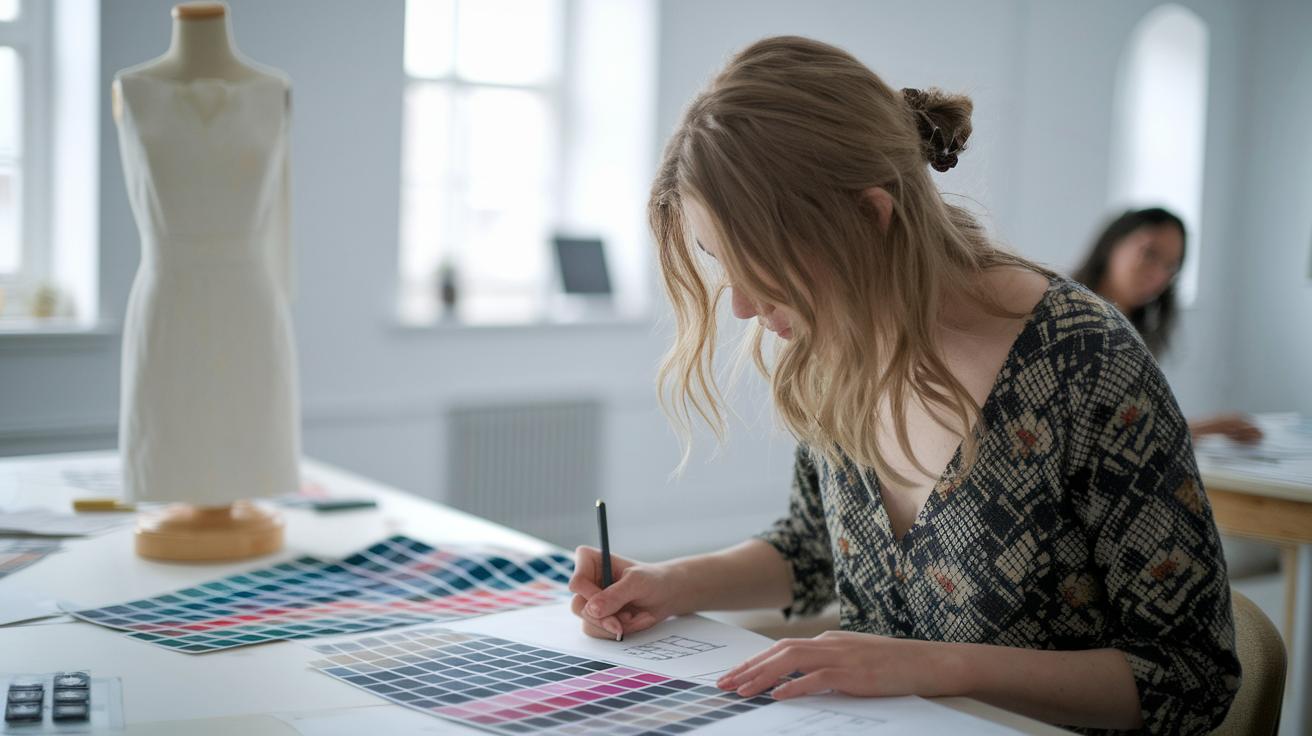
Top fashion houses spot fresh talent from well-known design schools, and many grads land jobs through cool projects and energetic final-run shows. Many fashion bachelor programs start you off with the basics, like sketching for design. Fun fact: before mastering fabric draping and pattern making (the art of cutting and assembling clothes), many top designers honed their skills on paper during college projects.
Along with bachelor’s degrees, some schools also offer masters programs where you can sharpen both creative ideas and technical skills. Certificate programs are a hot pick too, giving focused training in areas like illustration, sewing techniques, and computer-aided design (using a computer to help create designs). Coursework modules, like the sketching for fashion design course available here: https://fullswag.com?p=, provide hands-on practice and help build the kind of portfolio that recruiters love.
Internships count big time. Even a short stint as an intern blends classroom lessons with real-world work, often leading to unexpected mentor connections. Some experts believe that training should not only prepare you for big runway shows but also get you ready to lead in small, artisanal studios. Boosting your design qualifications now sets you up for a thriving future in the competitive world of fashion.
2. fashion designer career: Thriving Future

A great portfolio paired with a solid skill set is your ticket to success in fashion design. You need both hands-on techniques and spark-of-creative ideas to really stand out. Let’s break down eight key skills that can help build your winning toolkit.
- Pattern making: Learn to create clear garment templates that tell your design story.
- Sewing skills: Get comfy with stitching prototypes so you see how your ideas take shape in real life.
- Illustration techniques: Work on your drawing skills to quickly put your creative thoughts on paper.
- Software proficiency: Try out design programs that turn your digital ideas into visual art.
- Digital fashion design: Use new tech to explore virtual collections and imaginative creations.
- Color theory: Experiment with pairing colors that set the perfect mood and style.
- Communication skills: Practice working with others so you can clearly share your creative vision.
- Creative portfolio development: Put together your work like a stylish look book that shows off your best pieces and unique taste.
While you’re building your portfolio, mix things up. Include everything from rough sketches to polished designs, and add a few notes on what inspired you. Organize your projects in neat sections so anyone can follow your creative journey. For more ideas, check out skills needed to be a fashion designer – https://fullswag.com?p=
Navigating Entry-Level to Senior Roles in a Fashion Designer Career

Fashion design careers often start with entry-level roles like assistant designer positions. In these jobs, you help senior designers by sketching ideas, choosing materials, and getting samples ready. You work on hands-on tasks and even try out freelance gigs. This builds a solid base and helps you make important connections with colleagues.
At the mid-level, as a junior designer, you get more responsibility. You begin handling small projects, work on technical skills such as drafting and fabric cutting, and team up with production partners. It’s a great time to learn from challenges and develop your own style. Plus, you can boost your network and try out short freelance projects to add sparkle to your portfolio.
As you move up to a senior designer role, leadership takes center stage. Here, you lead bigger projects, guide less experienced team members, and pitch creative ideas that help the brand grow. This role often includes chances to work on exciting freelance projects, further enhancing both your portfolio and your industry connections.
Finally, some designers reach the creative director level where they set the overall artistic tone and guide the brand's look. This top role blends smart planning, strong leadership, and dynamic networking, marking a truly influential milestone in a fashion design career.
Salary Insights and Job Outlook for a Fashion Designer Career

Data as of June 9, 2025 shows that fashion design roles pay very differently depending on experience and location. For someone just starting out, you might see a salary of around $40,000 a year, but as you gain experience, it’s not unusual to earn over $100,000. This info comes from a study of 15 fashion degree jobs that clearly lays out pay details across various roles.
Where you work plays a big part too. In bustling cities where major brands are based, wages tend to be higher to match the rising cost of living. On the other hand, if you’re working in a smaller town, the pay might be lower even if the responsibilities are similar. These regional differences can really influence which areas attract more designers.
With so many graduates flooding the design scene, starting salaries can be a bit modest. That’s why many new designers turn to freelance gigs or contract work. Trends show that while entry-level pay may be lower, building up experience and a strong network can open up better future opportunities. It all comes down to combining creative style with solid technical skill.
And sometimes, you might see extra bonuses or performance incentives added to your salary. Overall, market trends, local pay scales, and the blend of traditional jobs with innovative roles all shape the outlook for a career in fashion design.
Alternative Paths and Entrepreneurship in a Fashion Designer Career
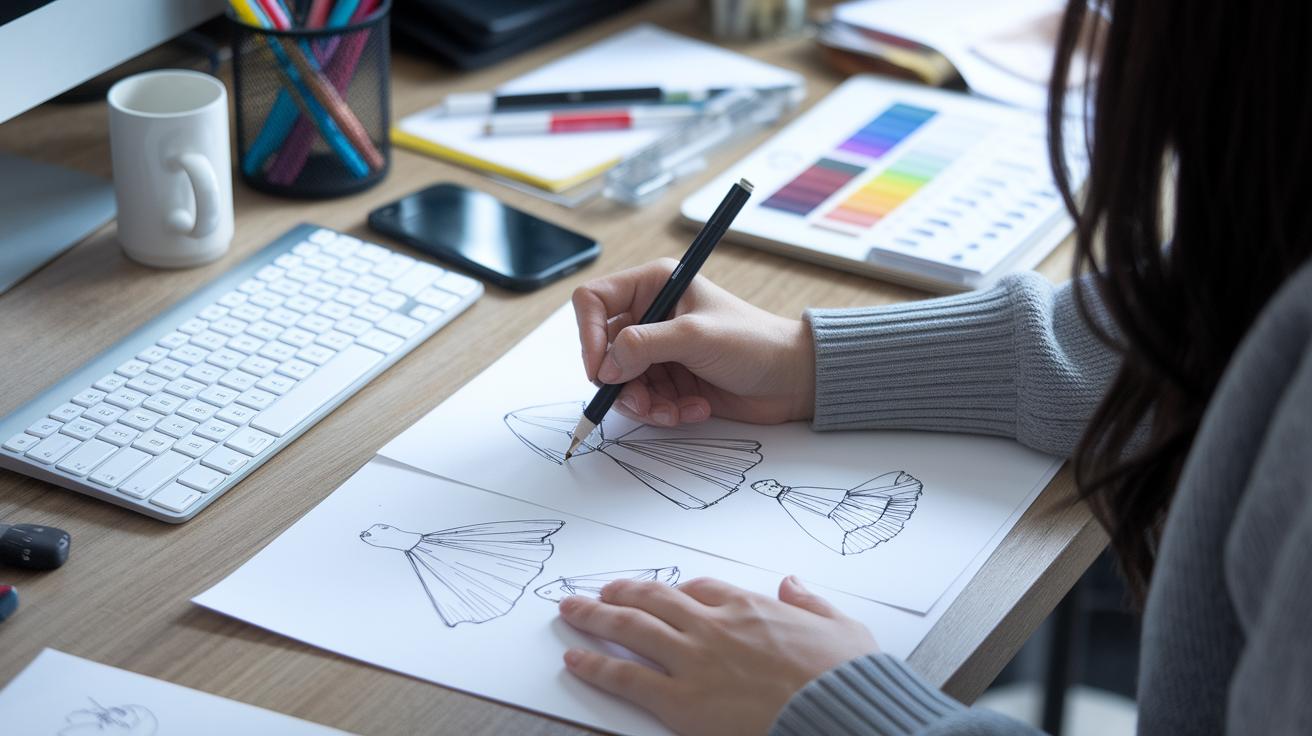
There are more and more design grads these days, and this is pushing the industry in a new direction. Instead of sticking to the usual studio job, many up-and-coming designers are diving into freelance gigs. Imagine taking your first sketches and turning them into a mini collection, it shows that creativity doesn’t have to follow a set plan.
Freelance work isn’t the only option. Some are exploring behind-the-scenes roles or technical jobs that mix art with a bit of management. It’s like finding a secret door where art meets business.
Recent surveys reveal a big trend: over half of design grads (51%) are excited to start their own brands. And get this, 60% of those under 35 and 72% of entry-level designers are all for launching independent labels. This buzz is pushing many to try out brand collaborations or freelance projects to create their unique style.
Internships also play a key role. They help you polish your skills and give you a taste of real-world challenges. Whether it’s jumping into a freelance project, teaming up on a brand collab, or learning on the job through internships, the industry now celebrates those who combine creative flair with smart business moves.
Industry Standards and Trends Shaping a Fashion Designer Career

Fashion is changing fast, blending creative passion with cool tech skills. Designers today are not just drawing by hand, they’re exploring digital tools that bring their ideas to life on screen. I heard one designer mention, "I added digital sketches to my work and saw my ideas come alive," and it really shows how tech can fuel creativity. Now, it's not just about looking good but also understanding market trends and predicting what comes next.
Sustainability and ethical fashion are more than buzzwords; they’re the new must-haves in every studio. Designers are switching to eco-friendly fabrics and rethinking production methods, creating collections that feel fresh and responsible. Imagine a designer saying, "I switched to organic materials, and the entire vibe of my collection changed." It’s clear that mixing innovation with a love for the planet sets new trends. Experts even suggest that future courses for designers include both modern tech skills and traditional artisanal techniques, making sure they are ready for tomorrow.
This exciting shift means that modern designers are in a unique position to shape trends and lead the industry. By blending innovative design, smart tech, and ethical choices, they get to influence the market and create a future that looks stylish and responsible.
Final Words
In the action, this guide paints a clear picture of what a fashion designer career truly involves. We touched on educational paths, essential skills, and various job phases, from entry-level opportunities to taking on leadership roles. Breakdowns of job responsibilities and salary insights helped map a real-world timeline, while entrepreneurial and alternative paths opened new routes for creativity. This article reminds us that with passion and dedication, your fashion designer career can blossom in exciting, unexpected ways. Embrace the next step with confidence and style.
FAQ
Fashion designer career salary
The fashion designer career salary varies based on experience and location. Entry-level roles offer modest pay, while senior positions earn more as professionals combine creative vision with technical skill.
Fashion designer career requirements
The fashion designer career requirements include formal study in design, hands-on experience, and a portfolio that clearly shows your creative ideas paired with practical techniques.
Fashion designer career path
The fashion designer career path usually starts at entry-level, then moves on to junior and senior roles, with possibilities like creative director or starting your own label down the line.
Fashion designer career reddit
Conversations on Reddit about a fashion designer career share useful experiences, practical advice on schooling and internships, and tips on breaking into the competitive world of design.
Fashion designer career qualifications
The fashion designer career qualifications combine creative talent, technical knowledge, and relevant education, plus hands-on practice to build a robust portfolio that stands out.
Fashion designer career Sims 4
In Sims 4, the fashion designer career offers fun design challenges, letting players manage design tasks, build a creative portfolio, and get a playful peek into real-world fashion work.
Fashion designer skills
Fashion designer skills mean having a mix of artistic talent and technical know-how. This includes drawing, pattern making, choosing fabrics, and a clear grasp on current market trends.
What is fashion designer
The role of a fashion designer is to create original clothing, accessories, and footwear. This job blends artistic flair with technical execution to bring new styles to life.
How do you become a fashion designer?
To become a fashion designer, study design through courses or degree programs, gain hands-on experience through internships, and build a portfolio that showcases your creative and technical work.
Do fashion designers get paid well?
Fashion designers can get paid well, especially as they gain experience and take on advanced roles. Earnings vary greatly depending on skill level, location, and specific job duties.
Who is the highest paid fashion designer?
The highest paid fashion designer changes with market trends. Top industry names often earn significant sums, and insights from famous fashion designers can offer inspiration. For more details, visit famous fashion designers.
How long does it take to become a fashion designer?
Building a career as a fashion designer typically takes several years. This includes the time spent in formal education, practical internships, and developing a portfolio that truly reflects your ability.