Ever wondered if a great interview could really set you apart? Think of prepping as sketching a new fashion piece, a mix of smart study, solid practice, and your own unique flair. Top designers remind us that success comes from a clear plan and deep confidence, not just fancy credentials. Next, this guide shows you how to wow any design panel with genuine style and authenticity. Ready to turn your passion into your key asset and nail that interview?
Defining Your Path to Ace a Designer Interview

Imagine your interview prep as a solid blueprint for a cool design project, a mix of good research, plenty of practice, and a dash of your own style. Drawing on almost ten years of tips from designers at Meta, Airbnb, and Mixpanel, you’ll see that success comes from planning smart, not just fancy degrees. Start by setting a confident mindset and getting clear on what each company really needs. For instance, one designer landed a big role at Airbnb after months of fine-tuning his portfolio on his own, showing that grit really trumps pedigree.
Here's a simple plan to get you ready:
• Company research: Dive into what the company faces and how they design. Get a feel for their work vibe and what they value. Check out insights on How to Prepare for a Designer Interview for extra tips.
• Portfolio review: Look at your work with fresh eyes. Ask yourself if it tells a clear story from the problem all the way to the solution.
• Mock interviews: Chat about your design choices like you're sharing a fun story. Practice with a friend to make your points clear and natural.
• Mindset drills: Boost your confidence by practicing your introduction out loud or picturing yourself nailing it. This little trick can make a big difference.
• Personal branding: Let your unique style shine while matching what the company stands for. Think of your brand as your personal signature on every project.
Remember, rocking a designer interview is all about making a strong first impression, preparing well, and keeping your talk real and genuine.
Crafting a Case Study Portfolio for Your Designer Interview
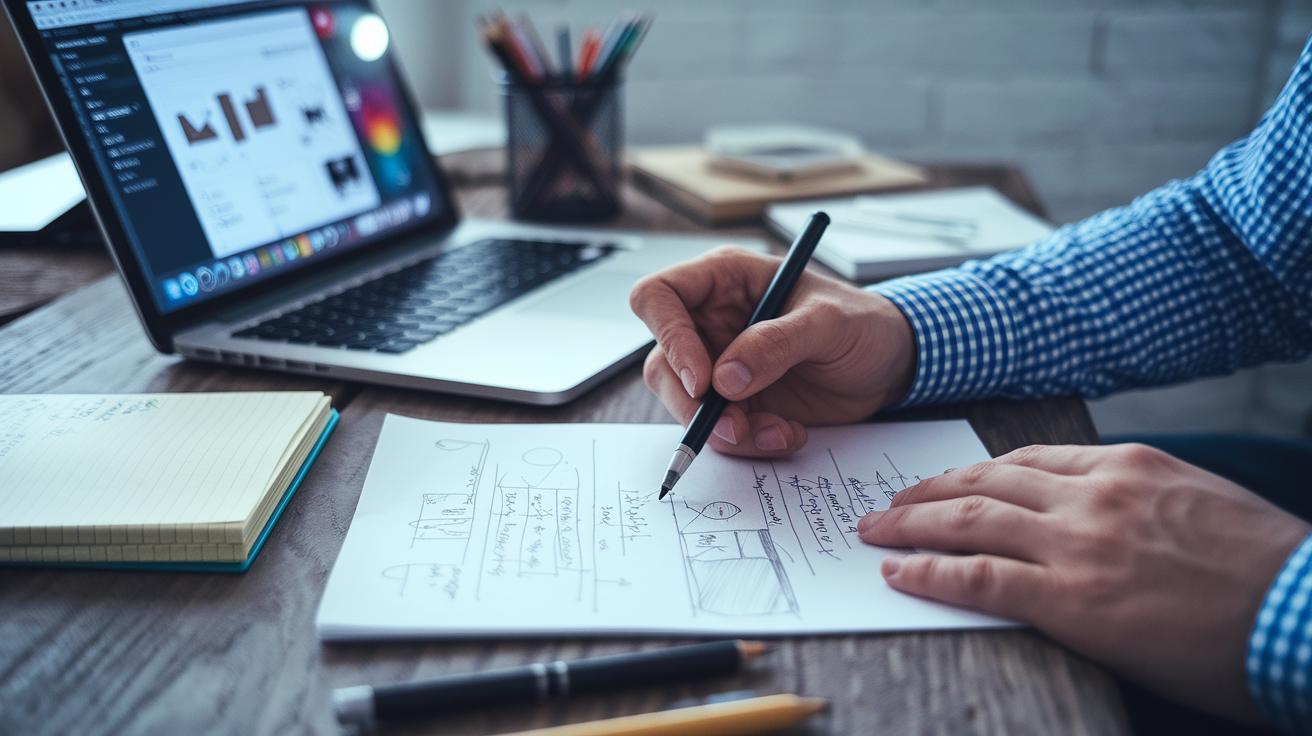
Your portfolio is like a visual story that shows how you tackled a tough design problem and came up with an amazing solution. It’s not just a collection of pretty images, it’s a journey that connects real user needs with smart business goals. Think of it like sharing a cool moment when a sketch you started with transformed into an interface that cut user drop-off by 20%. It’s about merging creative flair with down-to-earth practicality.
Each case study should give a clear peek into your design adventure. To keep it real and relatable, consider these six must-have elements:
| Key Element |
|---|
| Problem statement |
| Research insights |
| Wireframes |
| Prototypes |
| Usability results |
| Final deliverables |
Each piece is a snapshot of your process. When you talk about research, explain how chatting with users helped shape your decisions. For example, you might say, “I adjusted my wireframes after listening to real user feedback, which made the layout much more intuitive.” It’s like piecing together a story where every part leads naturally to the next.
Remember, your portfolio should feel like a lively conversation about your creative journey. It’s all about linking your understanding of the problem to a solution that really fits. Keep it honest, engaging, and let your personality shine through every step of the way.
Communicating Confident Design Decisions in Your Designer Interview

Share your design choices in a clear, straightforward way that ties every decision to real user needs or business wins. When you chat about your process, walk through each step, from that first bit of research to the final design output, in a friendly, engaging tone. For instance, you might say, "I adjusted my user interface after gathering feedback, which improved task completion by 15%." This approach shows how your ideas make a real, tangible impact.
Think of your explanation like telling a story. Start with a clear challenge, share your thought process, and wrap up by highlighting the effect of your solution. Use simple language to describe even the technical stuff. If you mention a wireframe, just add that it’s basically a rough sketch of the page layout. And when they ask, "Why did you choose this approach?" let your answer feel natural, like a confident chat over coffee rather than a pre-canned script.
Here are some quick tips:
| Step | Tip |
|---|---|
| Research | Begin with clear insights |
| Decisions | Link every choice to a real outcome |
| User Feedback | Show how insights shaped your design |
Keep these strategies in mind to bring clarity and purpose to your interview dialogue. It’s all about sharing your journey in a relatable, genuine way.
Demonstrating Collaboration and Soft Skills in a Designer Interview

In a design interview, showing how well you work with others can be the ultimate game-changer. Employers love hearing real stories where creativity mixes with teamwork. Maybe you can share something like, "After brainstorming with the developers, I tweaked my design with their suggestions, and our final product achieved the perfect blend of style and function." That kind of story really speaks volumes.
Next, here are a few ways to highlight your soft skills:
- Active listening: Talk about how you truly pay attention and take feedback to heart. For example, you might say, "I listened closely to critiques and shaped my approach based on that input."
- Team collaboration: Mention projects where you teamed up with folks from marketing, development, or management to tackle design challenges. It shows you know how to work with a range of talent.
- Handling conflict: Briefly share when different opinions sparked creative solutions. This little tidbit can display how you calmly navigate disagreements.
- Iterative mindset: Explain how you used feedback to evolve a project. For instance, "By refining the design with insights from my team, it became more user-friendly and dynamic."
Researching Companies to Tailor Your Designer Interview Strategy

Before any interview, get a feel for the company by checking out their online presence. Look at their digital portfolio, product timeline, and any design challenges they've shared. It’s a bit like peeking behind the scenes of a runway show. You might say to yourself, “I love the crisp, clean layout in your recent update, it shows you really value clarity and ease.”
Next, explore what the company cares about by reading customer reviews, industry updates, and case studies highlighting their best projects. Even a quick scroll through social media can give you clues about their design vibe and priorities.
Then, give your portfolio a little twist to mirror what you find. If the company is all about interactive design, swap in some interactive prototypes or user flows that pop. List projects that match their style so it looks like your past work was practically made for them. Consider these points:
| Focus Area | What to Look For |
|---|---|
| Company Portfolio | Design challenges and signature projects |
| Product Roadmap | Latest trends and updates |
| Social Media | Insights into their design style |
| Case Studies | Stories of impactful design work |
Each update you make to your presentation shows that you're tuned into their style and ready to meet their challenges. It’s like wearing the perfect accessory that pulls an entire outfit together.
Preparing for Common Questions in a Designer Interview

Imagine you're sitting down with a friend over coffee, chatting about what makes your creative process tick. When you're gearing up for a designer interview, it's smart to get ready for a handful of question styles: behavioral, technical, case study, design exercise, and culture fit.
For behavioral questions, try sharing real stories that show off your teamwork and problem-solving skills. For instance, you could say, "When my project scope suddenly changed, I quickly reshaped my approach, and our results turned out even better than I expected."
For technical questions, be ready to explain your work in everyday language. Talk about things like visual hierarchies (which help one part stand out) or user flows (the steps a user takes). You might explain, "I used quick mockups to explore different ideas, which helped me shape the design even under tight deadlines."
When it comes to case study questions, a simple structure can work wonders. Think about it like this:
| Step | What to Cover |
|---|---|
| Challenge | What was the problem? |
| Process | How did you go from idea to final design? |
| Impact | What difference did your solution make? |
This helps you tell a clear story that links your creative process to tangible results.
For design exercises, practice thinking on your feet with whiteboard sketches or quick drawing sessions. You can mention, "I start with rough sketches to capture my ideas, then refine them with insights from user research."
And when the question is about culture fit, have a genuine conversation about your personal style and how you work with others. Share times when you embraced different viewpoints and used feedback to polish your project.
Keep your answers relaxed and direct. Each response should show how your design process not only sparks creativity but also leads to real, practical outcomes. For a few extra tips on crafting great questions for your interview, check out What to Ask During a Designer Interview.
Mastering Post-Interview Follow-Up After a Designer Interview

After you finish your interview, keep that good energy rolling. Start off by sending a quick thank-you email that mentions something special from your conversation. For example, you could say, "I really enjoyed our chat about blending user needs with business goals, you gave me a new way of thinking about it." This shows you truly value the conversation and helps set a friendly, professional tone.
Next, follow up a few days later with a short check-in. A simple message like, "I’m just touching base to see if you have any updates or need any more details from me," can help keep the conversation going. It’s an easy way to show you’re engaged without overdoing it.
Finally, take a moment to think about how the interview went. Write down what you felt was great and note any areas where you could improve. This little self-check helps you grow and boosts your confidence for your next big opportunity.
Final Words
In the action, this article breaks down your preparation into clear steps, from smart research and building a compelling case study portfolio to commanding a confident discussion about your design choices. It shows how to ace a designer interview by weaving together effective storytelling and real teamwork examples. We've highlighted ways to tackle tricky questions and secure a follow-up that leaves an impact. Through practical tips and a friendly tone, you're set to make smart style choices and feel upbeat about your next design interview.
FAQ
How to ace a designer interview on Reddit or using a PDF guide?
Acing a designer interview means performing thorough research, practicing with mock sessions, and refining your portfolio. Advice shared on Reddit or in PDF guides can boost your prep with practical, step-by-step tips.
What types of designer interview questions are common for roles like graphic, senior, junior, marketing, and design assistant positions?
Designer interview questions vary from portfolio reviews and case studies to creative rationale and behavioral queries. They focus on design expertise and strong communication to highlight your personal style and skills.
How to prepare for a design interview?
Preparing for a design interview involves researching the company, refreshing your portfolio, practicing mock interviews, and refining your personal story to build real confidence and make a memorable first impression.
What are the 5 C’s of interviewing?
The 5 C’s of interviewing include clarity, confidence, communication, consistency, and curiosity. They help frame your responses and show your skills while building strong rapport with interviewers.
What is the 80/20 rule in interviewing?
The 80/20 rule in interviewing means dedicating most of your effort to understanding key job needs and preparing solid examples, while using a smaller portion to perfect your delivery for maximum impact.
What are the 3 C’s of interviewing?
The 3 C’s of interviewing are clarity, connection, and confidence. They guide you to express ideas clearly, build strong rapport with interviewers, and present your design skills with assurance.