
Ever thought your outfit could help save the planet? The next wave in sustainable fashion is here, bringing cool ideas and fresh materials to our wardrobes. Instead of the waste that comes with fast fashion, this trend opts for eco-friendly choices like organic cotton (grown without harsh chemicals) and plant-based fibers that are kind on the Earth.
New tech is remixing the way we think about clothes, bringing big changes for our environment. These bright trends promise styles that let you look great while taking care of nature. So, if you believe in blending style with smart choices, get ready for a shift that’s as cool as it is kind to our planet.
Sustainable Fashion Future: Key Innovations and Industry Drivers
Sustainable fashion isn’t just a buzzword, it’s a whole new way of making and wearing clothes. Unlike fast fashion, which dumps tons of unsold items in landfills, this approach pushes us to use eco-friendly materials. By switching to options like organic cotton, we can save water, cut down on harmful chemicals, and even lower CO₂ emissions by up to 46%.
Green trends are shaking up the industry too. Picture fabrics made from plants or even bioengineered fibers that need fewer pesticides. These plant-based and biodegradable textiles are paving the way for clothes that care about the environment and the people who make them.
Tech is playing a big part in this change. New biotech lets us grow fabrics from things like yeast or algae, which means we can avoid dangerous chemicals. Plus, digital tools like virtual fitting rooms and online wardrobes help cut waste by reducing returns. It’s a smart twist that blends modern design with eco-responsibility.
Then there’s the move toward a circular economy. Designers and manufacturers are rethinking old production methods with recycling and ethical practices at the core. In short, the future of fashion is set to be both stylish and kind to our planet.
Emerging Materials Shaping the Future of Sustainable Fashion

Eco fabrics are changing the way we think about style and our environment. Designers are mixing natural fibers like organic cotton and soft linen with surprising new ones made from pineapple leaves, orange peels, and even milk proteins. Imagine wearing a shirt crafted from vibrant orange peel fibers, each thread tells a unique story of care for our planet.
These innovative materials help reduce the need for pesticides and synthetic fertilizers. They are a fresh take on the organic cotton revolution and show us a glimpse of a future filled with plant-based fabrics that feel as good as they look. Sure, right now these pieces might seem a bit exclusive due to their price, but every great idea starts as something special.
Innovators are busy making these eco-friendly fabrics more accessible for everyone. As production methods grow more efficient and affordable, we’ll soon see these green materials in everyday wardrobes. Think of it as a stylish win for both our look and our world.
Circular Economy in Apparel and the Future of Sustainable Fashion
Circular economy in apparel is changing how we make clothes by reusing materials and giving garments a longer life. Brands like Patagonia and Eileen Fisher even have take-back programs that breathe new life into old pieces instead of sending them to a landfill. It’s pretty cool to think that many old outfits can be transformed into stylish, durable pieces with a little creative thinking.
Green textile recycling is on the rise as designers and makers invest in new ways to turn worn clothes into fresh fabrics. For example, companies like Stella McCartney, Reformation, and Outland Denim use water-saving dye techniques that cut down on water and energy. This shift not only makes fashion kinder to the planet but also shows how recycling can be at the heart of sustainable style.
New waste reduction methods, such as digital sampling and smarter sorting, are making a big difference in cutting material waste at every production step. By following circular economy ideas, the industry makes sure that old clothes are given a new life rather than filling up landfills. Embracing recycling and upcycling means we are gradually creating a future where fashion respects our planet and our closets.
Technology-Driven Couture in the Future of Sustainable Fashion
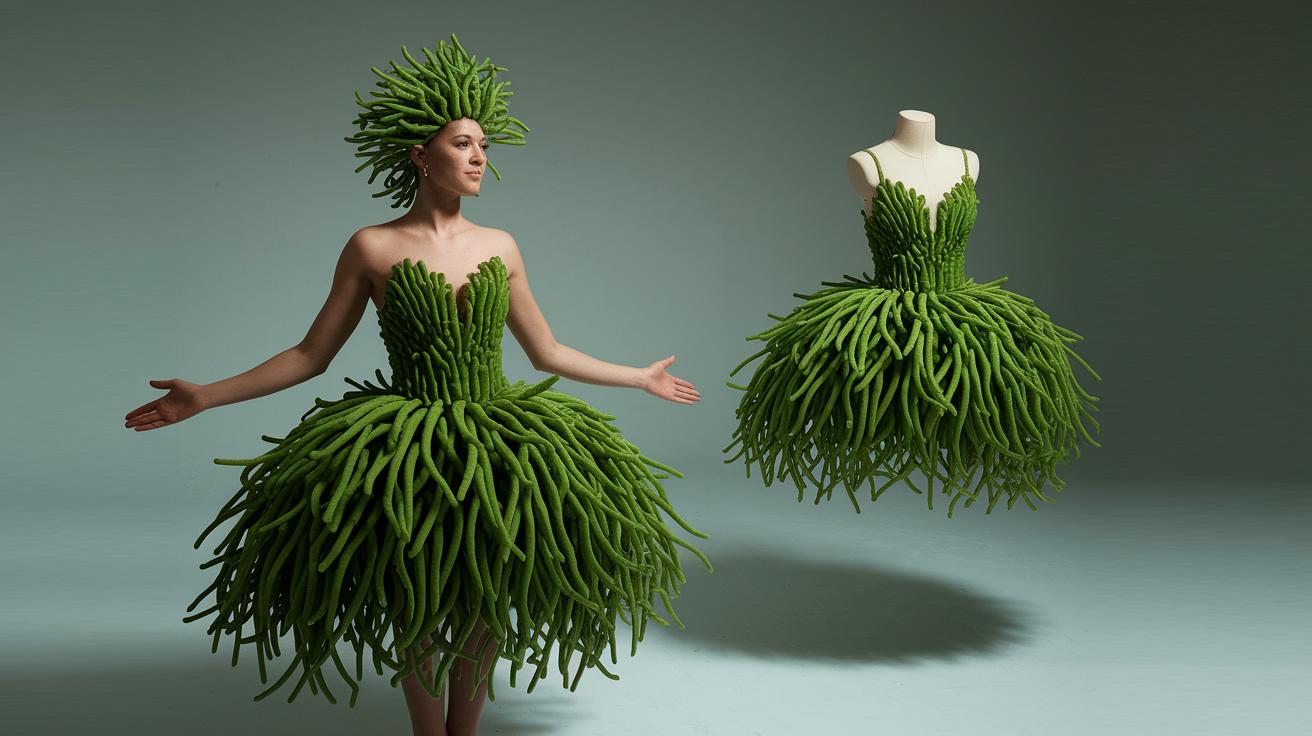
Technology is changing sustainable fashion in exciting ways. It mixes biotech fabrics with digital tricks to cut waste and speed up production. Designers now grow garments using yeast or algae cells. Imagine a summer dress made from marine algae. It blends science and nature using fewer chemicals and feels fresh.
3D printing and digital sampling help designers perfect new ideas without waste. They can check a new accessory on a digital 3D model before making it. Think about 3D printing a delicate earring design that fits just right from the start. It saves both time and fabric.
Virtual fitting rooms and digital eco wardrobes are another cool innovation. They let you try on styles without needing a real garment, reducing returns and cutting down on carbon emissions. Many sustainable fashion platforms even showcase digital eco wardrobes that boost your confidence while reducing shipping impacts.
Responsible Supply Chain and Ethical Production in the Future of Sustainable Fashion
Imagine each thread of your outfit tells a story of fairness and care. With Fair Trade and certification programs, workers get treated with the respect they deserve. It’s like hearing someone say, "My job lets me support my family with dignity," which reminds us how ethical production can truly change lives.
More and more shoppers want to know the full journey of their clothes. New tools like blockchain tracking and easy-to-read eco-labels show every step of the process, right from the farm to that stylish piece of fabric. These digital tricks let us check that each garment meets high ethical standards, making the whole supply chain clear and open.
A great example of this change is Outland Denim. This brand offers hands-on training and jobs to women rescued from human trafficking while crafting quality denim. Picture a lively workshop where skills are learned and denim is made with both style and heart, proof that ethical practices can boost communities and create amazing products.
It’s clear that sustainable fashion isn’t just about trendy designs. It’s also about a supply chain that cares about labor rights and local communities. With clear production steps and fair practices, every piece of clothing stands as a sign of a future where the process is as thoughtful and kind as the clothes themselves.
Market Forecast and Consumer Trends in the Future of Sustainable Fashion
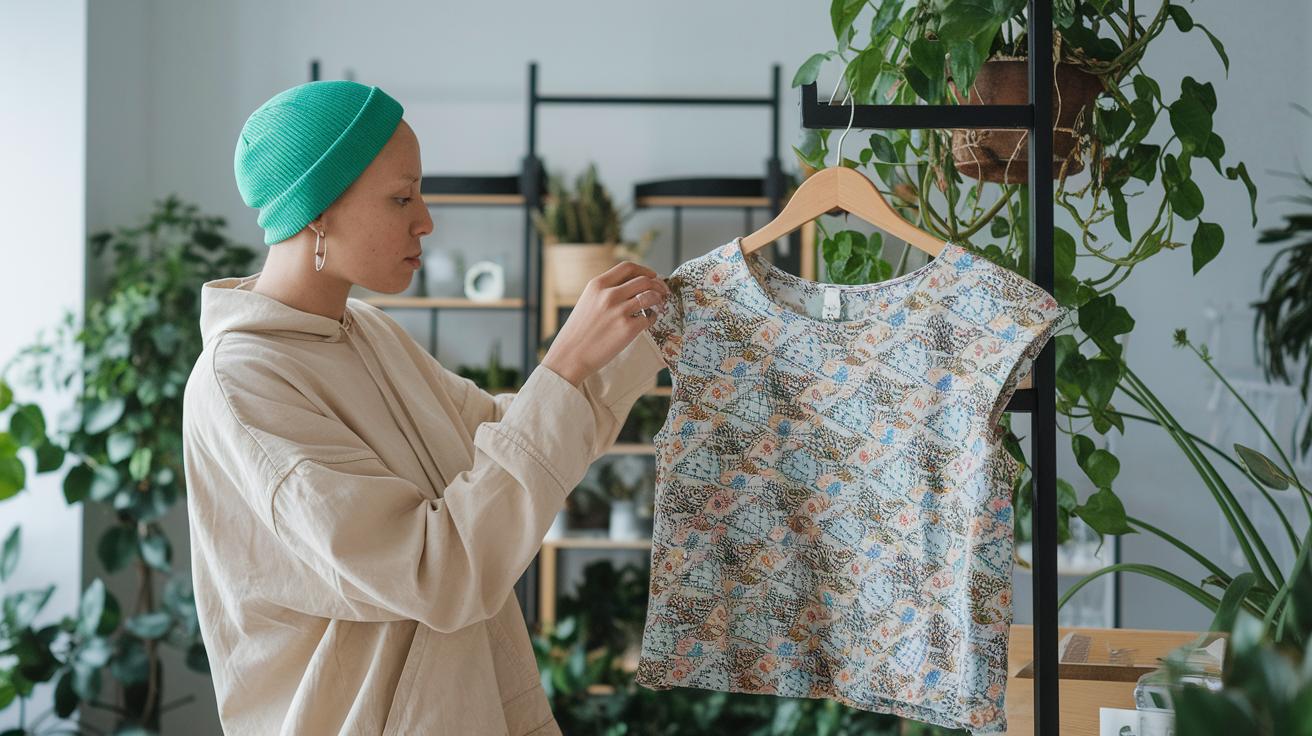
Ever noticed how more people are choosing eco-friendly clothes? More buyers are ready to spend a bit extra on outfits that care for the planet and are made with ethical practices. This shift in habits is stirring up changes in the fashion world that will influence style for a long time.
Recent studies make it clear: when brands show off their sustainable side, they really stand out. Shoppers love brands that commit to quality and ethical making. There’s even a McKinsey study pointing out that wearing a garment twice as much can cut greenhouse gas emissions by 44%. That stat tells us something powerful, extending the life of our favorite pieces can truly help the environment.
Looking from the forecast, experts see green style growing steadily. New eco trends are grabbing a larger slice of consumer spending, hinting that sustainable fashion is leaving its niche status behind. Conversations about the trends for 2024 show that as more of us lean towards mindful choices, ethical fashion becomes just a part of everyday life.
All in all, the future for sustainable fashion is bright. With solid data and a shift in consumer habits, the entire industry is evolving to offer stylish options that also work to protect the world we live in.
Policy, Regulation and Industry Standards in the Future of Sustainable Fashion
New laws are pushing fashion brands to go greener. In both the EU and US, rules like extended producer responsibility are helping reduce clothing waste. Imagine a tag that says "Produced with renewable energy", a little sign that transparency matters.
New tax rules are also stepping in to cut carbon emissions. These carbon taxes encourage factories to clean up their act, kind of like nudging a workshop to use less energy. It’s a smart move that makes manufacturing more efficient.
At the same time, industry groups are setting fresh, clear benchmarks for brands. These updated targets help guide everyone from fabric makers to those putting the final touches on a garment. In truth, every step of making clothes is now measured against these eco-friendly standards.
All of these changes show a big shift in how brands plan production and invest in clean technology. It’s like giving the whole industry a style upgrade, helping it be more responsible and kind to our planet.
Final Words
In the action, we explored how eco-friendly materials, circular economy strategies, tech-driven production, and ethical supply methods are reshaping style. Each section shared clear insights on making smarter fashion choices while reducing environmental impact. We also saw how responsible practices are building a transparent, fair supply chain that benefits everyone. With these exciting ideas on the future of sustainable fashion, there's a fresh, optimistic outlook for everyone eager to boost their personal style and stay ahead of the trends. Keep feeling inspired as the industry marches forward.
FAQ
What is the future of sustainable fashion worldwide?
The future of sustainable fashion worldwide focuses on eco-friendly materials, circular design methods, and ethical production practices. It seeks to cut waste, reduce harmful chemicals, and support fair work conditions.
What are sustainable fashion trends for 2025?
Sustainable fashion trends for 2025 include the rise of plant-based and biodegradable textiles, digital sampling to cut waste, and a shift to eco-friendly manufacturing techniques that minimize water and energy use.
What do sustainable fashion industry statistics show?
Sustainable fashion industry statistics show steady growth in consumer demand for eco-friendly products, increased market share for ethical brands, and significant reductions in water and energy use through innovative production methods.
What are some examples of sustainable fashion?
Examples of sustainable fashion include garments made from recycled fibers, biodegradable materials, and brands that offer take-back programs to recycle worn clothing, reducing waste and supporting a circular economy.
Why is sustainable fashion important?
Sustainable fashion is important because it reduces environmental impact by lowering water, chemical, and energy use. It also promotes fair labor practices and supports long-lasting, quality designs that decrease overall waste.
What does a sustainability in fashion industry PDF usually include?
A sustainability in fashion industry PDF usually includes data on eco-friendly practices, ethical production standards, consumer trends, and innovative strategies that brands are using to lower their environmental impact.
What defines sustainable fashion brands?
Sustainable fashion brands define themselves by using eco-friendly materials, ethical manufacturing processes, and transparent practices that ensure fair wages and safe working conditions for everyone involved.
What is the 20 year rule in fashion?
The 20 year rule in fashion means designing garments to last two decades, promoting durability over fast trends. This approach reduces waste and encourages a more mindful approach to clothing consumption.
Do Gen Z want sustainable fashion?
Gen Z shows a strong desire for sustainable fashion as they value eco-conscious products and ethical practices. They actively support brands that align with their push for a cleaner, fairer world.
What will fashion be like in 2050?
Fashion in 2050 is expected to blend biotechnology, digital wardrobe tools, and renewable materials. It will lean heavily on ethical practices, ensuring clothes are made to be long-lasting and environmentally kind.
What will 2030s fashion be like?
Fashion in the 2030s will embrace a mix of slow fashion and innovative eco-textiles. It will focus on circular production, reducing waste through recycling initiatives and promoting mindful consumer habits.