
Ever wonder if your favorite eco brand is as green as it claims? You’re not alone. Many brands now use sustainable fashion certifications like a badge of honor, showing that every stitch and dye is done with care.
These certifications work like a seal of trust. They check everything from safe dyes to fair work conditions, so you get a clear signal that the brand really cares about our planet.
In short, those labels make it easy to shop with confidence. You can feel good knowing your style is eco chic and supports a kinder, more thoughtful way of making clothes.
What Are Sustainable Fashion Certifications and How They Validate Ethical Practices
Sustainable fashion certifications are like a nod from a trusted friend, confirming that a brand is serious about caring for the planet and its people. They check everything, how materials are chosen, how items are made, even the working conditions and waste management. Imagine a denim label that uses gentle dyes and clever water-saving tricks; a certification tells you that this care is real, not just a marketing ploy.
These labels cover a broad range of checks, from making sure no harmful chemicals are used to backing up supply chain claims with transparent audits. They work like a handy filter in the crowded world of fashion, helping you spot which products truly stand by eco-friendly promises. Next time you browse articles like "What is sustainable fashion" on Fullswag.com, you can easily compare products with or without a trusted stamp of approval.
Certifications boost trust in a way that feels like a reassuring pat on the back. They give both shoppers and brands clear proof that ethical practices are in place, encouraging more companies to step up their game. In truth, when a brand proudly displays its certification, it’s a sign that your purchase supports a greener, more thoughtful approach to fashion.
Core Sustainable Fashion Certifications Explained
Global Organic Textile Standard (GOTS)
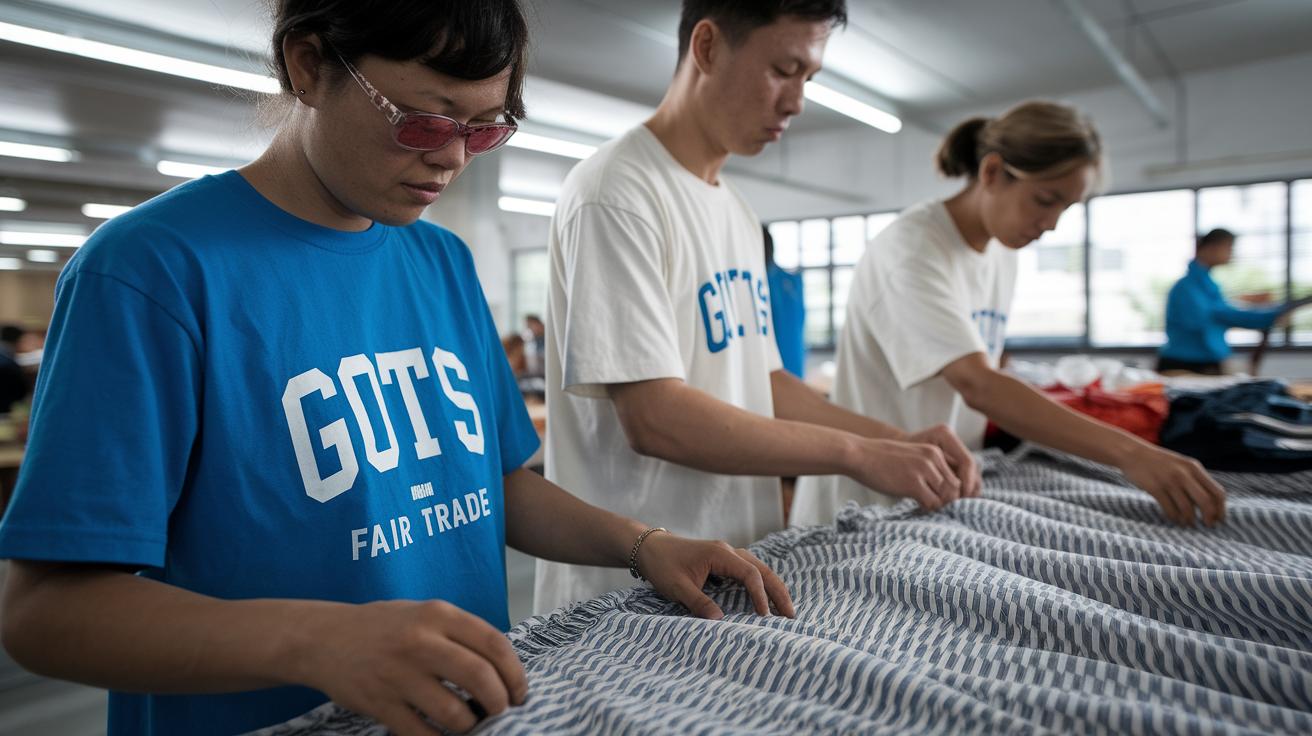
GOTS is all about keeping textiles pure. It only lets organic fibers be used and stops any nasty chemicals in their tracks. And there’s more: it makes sure workers have fair conditions too. Imagine a soft cotton tee made without any toxic stuff, a promise of clean, honest fashion in every seam.
Fair Trade Textile Standard
This certification roots for fair work everywhere. It checks that workers get good wages and safe work spots. There are two types to cover different kinds of products, so every piece gets a careful look over. Think of a bright, woven scarf knowing that behind every thread, a fair process has been in play.
OEKO-TEX Standard 100
OEKO-TEX is like a safety badge for your clothes. Every item is tested to make sure no harmful chemicals sneak in. In short, it’s that trusted mark that tells you your favorite tee is safe for you and the planet.
Global Recycled Standard (GRS)
GRS is keen on recycled fabrics. It doesn’t just check how much recycled material is used; it also tracks every step in the process. It’s like following a cool journey where every recycled thread has a story, blending care for nature with clear proof.
B Corporation Certification
This badge looks at a brand from every angle, from how they treat their workers to how they impact the community and the environment. It’s like a thorough report card that shows a company’s real efforts to do good, inside and out.
Better Cotton Initiative (BCI)
BCI pushes brands to start with at least 10% Better Cotton, aiming to crank it up to 50% in five years. It works hard to slash pesticide use, save water, protect soils, and boost plant life. It turns everyday cotton into a greener, kinder choice that really makes a difference.
Comparing Sustainable Fashion Certifications: Key Differences
Check out this handy guide that breaks down the major sustainable fashion certifications. Here, you’ll see each certification’s main focus, the core criteria used, and the organization behind it. For more in-depth details, head over to the Core Sustainable Fashion Certifications Explained section.
| Certification | Focus Area | Key Criteria | Issuing Body |
|---|---|---|---|
| GOTS | Material Origin | Organic materials and fair social practices | Independent Audit Bodies |
| Fair Trade Textile Standard | Social Practices | Fair wages and safe working conditions | Fair Trade Organizations |
| OEKO-TEX Standard 100 | Chemical Safety | Thorough testing for harmful substances | Private Testing Labs |
| Global Recycled Standard (GRS) | Recycled Content | Verification of recycled materials | Textile Exchange |
| B Corporation | Carbon Neutrality | Reviews of social and environmental impact | B Corp |
| Better Cotton Initiative | Material Origin & Sustainability | Focus on reducing pesticide use and caring for water resources | BCI Panel |
For example, if you were chatting about sustainable style with a friend, you might say, "Before becoming a benchmark in eco-friendly fashion, GOTS changed the game for textile verification."
Benefits of Sustainable Fashion Certifications for Brands and Shoppers
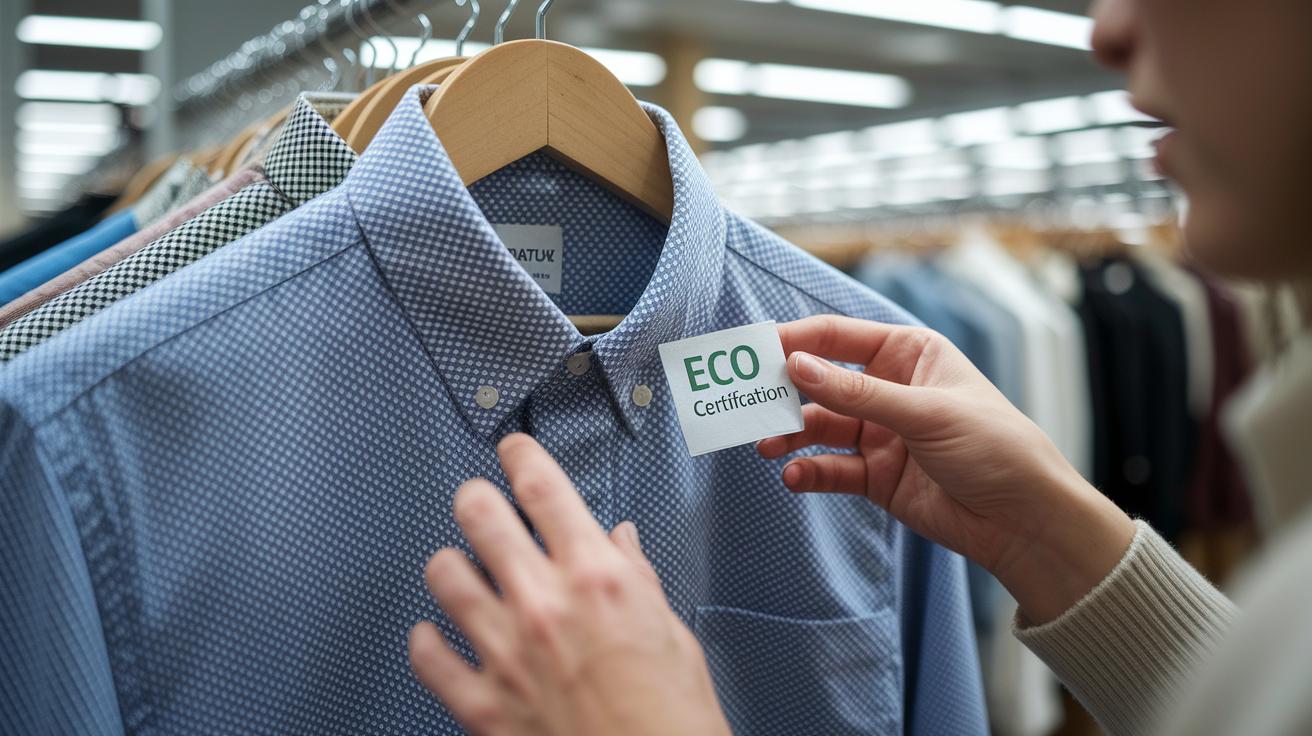
Certified labels are like a secret handshake between brands and shoppers. They show that ethical and eco-friendly practices aren’t just empty words. When you see these green stamps, you know the clothing you pick, like something from https://fullswag.com?p=420, has been made with care for the planet and the people behind it. It’s a little nod of trust that makes shopping feel safe and smart.
For brands, flashing these certifications is a real game-changer. It boosts their credibility and opens up fresh markets. Plus, lots of shoppers are willing to pay a bit more for items they trust, and many Millennials really care about social responsibility. These marks not only help raise sales but also lead to better working conditions and a smaller environmental footprint. Think of it like a style tip that refreshes the whole brand, making it stand out in a crowded market.
How to Obtain Sustainable Fashion Certifications: A Brand's Guide
Brands usually begin by doing a self-check that looks closely at how they currently work. This step shows where things fall short compared to recognized green standards.
Next, teams put together all the necessary documents. They gather information on everything, from where raw materials come from to records of production and safety checks. Solid paperwork is key to a strong submission.
Then, experts come in for an on-site audit. They visit the manufacturing sites to ensure everything matches industry textile rules. This visit might uncover areas that need tweaks, sometimes leading brands to adjust their workflow or add extra quality checks, much like updating a look with a cool accessory.
Once all the requirements are met, the brand earns its final certification as a sign of its sustainable practices. But the work continues: brands have to pass annual checks to keep their status. And yes, there can be bumps along the way, like tough documentation, delayed audits, or even rising costs from new tariffs on labels and hangtags.
Sticking to a clear plan and thinking ahead about potential challenges can really smooth out the process. If you’re curious about more industry standards, check out this link on Sustainable fashion for the latest updates.
Challenges and Future Trends in Sustainable Fashion Certifications

The world of eco-friendly fashion labels is getting a fresh update with tougher rules and cool new digital tools. Brands now have to check off a longer list, from choosing renewable fabrics to letting technology, like blockchain (a secure digital ledger), prove their green claims. Ever noticed how a small innovation can completely change a trend? Now there’s buzz around fibers tagged as carbon neutral and waste-cutting audit practices that trim excess at every stage.
At the same time, certifying groups are rolling out new, forward-thinking standards that act as a guide for sustainable style. For instance, real-time data feeds now power audits that offer quick, on-the-spot validation, kind of like getting a live update from your favorite eco blog. This movement is pushing the industry toward a circular mindset, where every bit of material is valued. Plus, there’s a growing focus on fairness in the workplace, making sure that ethical treatment of workers gets as much attention as going green. Experts are saying we might soon see unified global standards, all thanks to tech-powered audits that make site visits faster and clearer.
New digital tools and improved audit methods are setting the pace. Brands are adjusting their sourcing and cost plans to meet these standards, ensuring every step matches up with a forward-looking, sustainable vision.
Final Words
In the action, we explored how sustainable fashion certifications work. We broke down key standards, compared different verification methods, and looked at benefits for both brands and shoppers. This piece walked through how brands earn their eco labels while embracing future trends and overcoming hurdles along the way.
It's amazing to see smart practices in action. Keep an eye on sustainable fashion certifications as they continue to shape style choices and bolster trust in the industry.
FAQ
What are sustainable fashion certifications online and how do they work?
Sustainable fashion certifications online verify eco-friendly practices using independent audits. They help shoppers find brands that follow strict environmental and ethical guidelines through transparent production methods.
Which certification is best for sustainability and what about ESG credentials?
The best certification for sustainability depends on your priorities. Certifications like GOTS focus on organic standards, while ESG credentials evaluate overall social and environmental impacts to support informed eco-friendly choices.
What is the GOTS certification or Global Organic Textile Standard?
GOTS certification shows a product is made from organic fibers, free from harmful chemicals, and produced under fair labor conditions, giving you a solid benchmark for eco-conscious fashion investments.
How do initiatives like Better Cotton Initiative, Fair Wear Foundation, and Fair Trade Certification support sustainable fashion?
Initiatives like Better Cotton Initiative, Fair Wear Foundation, and Fair Trade Certification ensure raw materials and labor meet high ethical and eco-friendly standards, building trust for both brands and conscious shoppers.
What are the 7 R’s of sustainable fashion?
The 7 R’s—reuse, recycle, renew, reduce, repair, recovery, and rethink—offer a practical guide for more responsible production and consumption, leading to smart style and a lighter environmental footprint.
Do certifications like Econyl verify the use of recycled materials?
Certifications like Econyl confirm that recycled fibers meet specific quality and sustainability standards, demonstrating a brand’s commitment to reducing waste and promoting a circular fashion approach.