
Ever thought your wardrobe could help save the planet? It’s pretty cool to know that fashion can be both stylish and kind to the Earth.
Organic cotton, for instance, needs much less water to grow. And recycled polyester? It uses less energy to make, giving every outfit a nod to a cleaner future.
Today, we're chatting about how these eco-friendly fabrics are changing the way we dress. What if your next favorite piece not only looked great but also cared for our planet?
How Sustainable Fashion Materials Deliver Eco-Friendly and Ethical Apparel Choices
Sustainable fashion materials are totally changing the game. They pick eco-friendly fabrics that help the planet and keep our clothes ethical. Regular fabrics like polyester and nylon come from oil and even shed tiny plastics into nature. But organic cotton, for example, uses 91% less water and gives off 62% fewer greenhouse gases. Cool, right?
Recycled polyester uses 75% less energy, and natural fibers like hemp need hardly any water and stay clear of pesticides. Bamboo grows back super fast, too. Then there’s Tencel Lyocell, a fabric made in a special, closed-loop process that recovers nearly all its chemicals and soaks up moisture 50 times better than cotton. These fabrics are biodegradable and renewable. They also often carry labels like GOTS, OCS, OEKO-TEX, or Bluesign to show they’re low on chemicals and kind to our world.
More and more brands are turning to circular models by upcycling and recycling their materials. This means they’re sourcing eco-friendly textiles to cut down on synthetic fibers and waste. It’s a fresh promise for the planet and a way to keep production fair and responsible.
| Material | Impact |
|---|---|
| Organic Cotton | 91% water savings and 62% fewer greenhouse gases |
| Recycled Polyester | 75% energy reduction |
| Hemp and Bamboo | Minimal water and chemical use |
| Tencel Lyocell | Superior moisture absorption with a closed-loop process |
This shift to sustainable fabrics lightens the load on our environment and builds real trust with shoppers. It’s all about choosing style that feels as good as it looks, fresh, clear, and kind to our earth.
Traditional Sustainable Fashion Materials in Apparel

Organic cotton, which comes with trusted GOTS/OCS certification, is now catching eyes for its honest eco-story, not just for its water-saving perks. One brand even credited its standout collection to this fiber, promising ethical sourcing from start to finish.
Hemp is still a favorite. Grown without pesticides and needing very little water, it carries a natural, sturdy feel that sparks fresh design ideas when mixed with versatile styles.
Linen, made from flax, offers more than just production ease. Its cool, crisp texture cuts down on chemicals and works wonderfully in warm weather. One study even noted that linen’s gentle processing and naturally breathable finish make it a summer favorite.
Recycled polyester, backed by RCS/CRS certification, shows us how worn-down bottles can turn into stylish, eco-friendly garments without cutting corners on quality.
Tencel Lyocell is another hit. Made with a process that nearly eliminates waste, it soaks up moisture like a champ. Designers love it for active wear, as it merges comfort with strong sustainable credentials. In fact, Tencel’s performance in athletic gear makes it a top pick for those seeking a blend of style and eco-consciousness.
Bamboo, celebrated for its rapid growth and smooth, silky feel, continues to earn applause as a reliable natural fabric choice.
Cork brings a unique twist to sustainable fashion. Harvested without harming trees, it offers a special rigidity and tactile appeal that’s perfect for accessories and bold statement pieces. One stylist mentioned that cork’s unconventional texture can turn everyday items into art that sparks conversation.
Together, these materials, each backed by credible certifications and fresh design innovations, offer a new look at sustainable style that’s as ethical as it is captivating.
Innovative Sustainable Fashion Materials Shaping the Future of Eco-Design
New materials are stretching the limits while keeping our planet happy. Take Piñatex, for instance, it turns leftover pineapple leaves into a tough, biodegradable fabric. Just imagine turning waste into a chic accessory! ECONYL® gives recycled nylon a second life by reusing old fishing nets and ocean trash, proving that recycling can look super stylish. And then there's QMONOS™, a micro-made silk that’s five times tougher than steel and naturally breaks down over time.
Bananatex® shows that banana fibers can be both waterproof and light, ideal for active, modern styles. Deadstock textiles grab extra factory fabric and transform it into innovative, fresh looks. Modal, made from beech-wood pulp, comes with a smooth, refined feel while keeping its carbon footprint low. ECOVERO™ offers another eco-friendly option by using certified wood pulp to create a viscose that leaves a gentle mark on nature.
SCOBY leather is a vegan wonder, formed from kombucha byproducts and celebrated for its ethical production. S.Café® takes recycled coffee grounds to craft a fabric that not only shields you from UV rays but also dries quickly, making it a smart choice for outdoor adventures. Brewed Protein uses fermented plant biomass to offer a trendy, fresh textile option. And Apple leather turns apple waste into a completely biodegradable material.
Woocoa mixes hemp, coconut, and even mushroom fibers for a truly unique blend, while Cupro, regenerated from cotton scraps, gives off a silky sheen. QMilk, derived from milk protein, highlights how everyday food can inspire sustainable style. Meanwhile, micro-algae thrives in wastewater with minimal land use, and fast-growing fibers from ramie and stinging nettle thrive without pesticides, proving that sustainable materials are lighting the path for a greener future in eco-design.
Production Processes and Certification Standards for Sustainable Fashion Materials
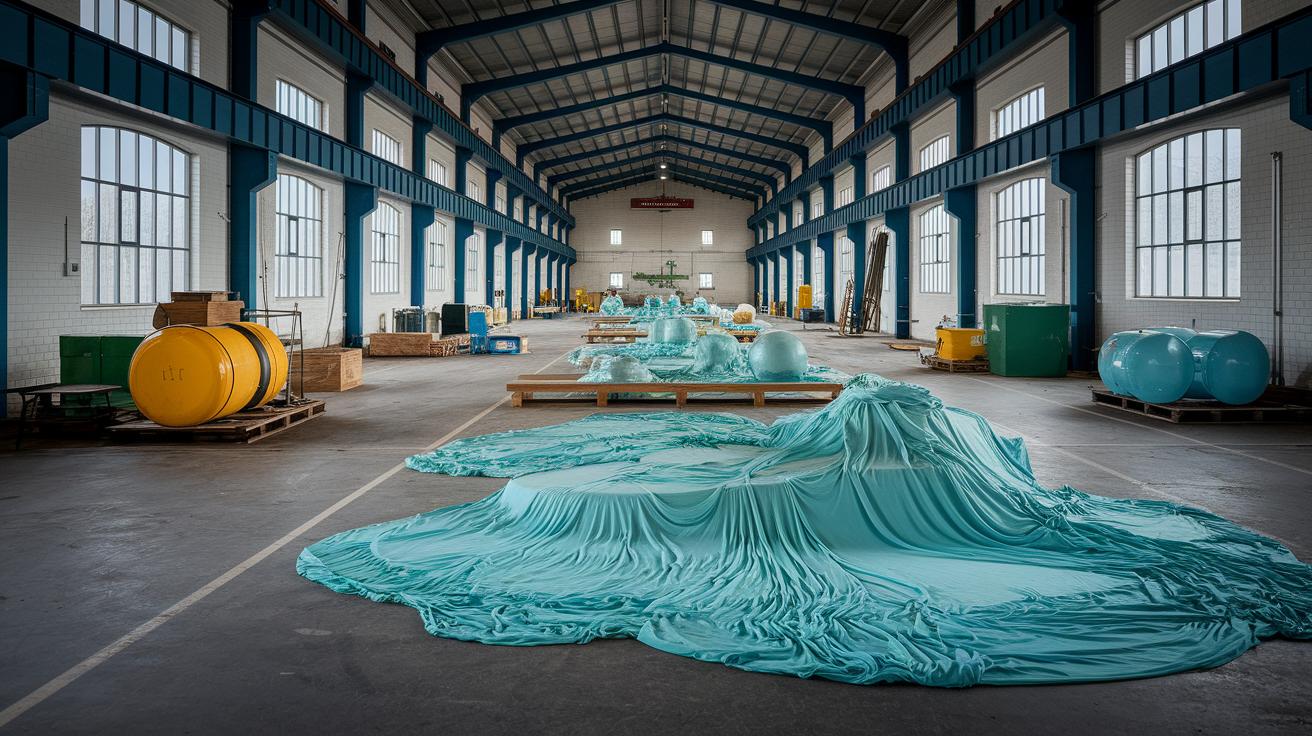
Manufacturers are shifting to clever closed-loop methods that recover nearly all (99%) of the solvents used in fabrics like Lyocell and Modal. It’s kind of like giving old materials a new life, minimal waste and more water-saving innovations. Think of it as swapping water-heavy dyeing for techniques using supercritical CO₂ and foam dyeing. One designer even mentioned that switching methods felt like rewriting the rulebook of textile production.
Next, lots of brands are embracing another closed-loop approach to keep their operations circular and sustainable. With energy-smart production techniques, factories are cutting down on power use while still delivering top-notch quality. Plus, digital tools like blockchain and RFID help track every step from farm to garment, making the whole process super transparent and honest.
And then there’s the magic of non-toxic finishing solutions. By using gentle enzymatic and plant-based treatments, manufacturers leave harmful heavy metals out of the mix. They continue to use closed-loop processes, which boosts both sustainability and trust. Certifications like GOTS for organic chains, OCS for recycled content, Bluesign for safe input streams, and OEKO-TEX for harmful-substance testing all back up these efforts. Fair Trade Textile Standard also makes sure worker welfare is a key focus throughout production.
All in all, these closed-loop processes not only make the best use of resources but also build trust with consumers by showcasing clear environmental and ethical values in every piece.
Environmental Benefits and Lifecycle Impact of Sustainable Fashion Materials
Sustainable fashion materials make a big difference for our planet. They use much less water and energy than regular fabrics. For example, while a typical fabric might need nearly 1000 liters of water per yard, a sustainable option can cut that drastically, up to 60-90% less water and 50-75% less energy. Imagine how many taps we could turn off with such savings.
Biodegradable fibers and compostable synthetics help keep waste in check. These materials break down naturally, meaning they end up in the soil instead of piling up in landfills. This simple change not only reduces waste but also protects our water and soil, keeping nature in balance.
Next, recycling and upcycling play a strong role in sustainable fashion. By giving old garments a second life, we cut down on the need for new resources. Studies show that these practices can lower a garment's carbon footprint by almost half compared to traditional methods. It's like turning back the clock on waste while adding style to your wardrobe.
Innovative eco-safe coatings and smart garment designs also boost the green appeal of sustainable materials. These fresh ideas promise to keep fashion trendy while caring for the Earth. In the end, choosing sustainable options means looking good and feeling great about making a positive change.
Brands Pioneering the Use of Sustainable Fashion Materials

Stella McCartney is leading the way with Mylo mushroom leather. This new material cuts CO2 emissions by 80% compared to regular leather, and it fits beautifully into both women’s and men’s ready-to-wear collections. One designer even said, "Imagine a jacket that turns heads while reducing emissions by 80%." It’s a cool nod to ethical fashion and smart sourcing that really makes a difference.
Adidas x Parley has taken a clever twist on recycling. They transform discarded plastic into ECONYL® – a regenerated nylon made from recycled material – saving millions of plastic bottles from polluting our oceans each year. This process champions a circular economy in fashion, proving that style and sustainability can work perfectly together. Just think of a pair of sneakers made with ECONYL®: trendy design paired with a clear care for our planet.
Patagonia is making waves by using recycled hemp and post-consumer wool in their clothes. These eco-friendly materials cut down on the use of pesticides and water, showing us that activewear can be both stylish and green. Imagine wrapping yourself in a warm, durable sweater that not only looks great but also helps create a healthier environment.
Eileen Fisher Renew wraps it up with an impressive garment take-back program. By blending mechanical and chemical recycling methods, they build a closed-loop system that reduces waste and breathes new life into old pieces. This smart approach underlines a genuine commitment to ethical style and responsible production, a mission that every fashion lover can truly appreciate.
Final Words
In the action, we explored how sustainable fashion materials offer eco-friendly and ethical choices. The post broke down traditional and innovative eco textiles, highlighted responsible production fabrics, and showcased brands adopting greener practices. We shared insights on low-impact material selection, environmental impact metrics, and certification standards that support cleaner production processes.
Every detail guides style enthusiasts toward smart fashion decisions and personal style enhancement. Keep shining with sustainable fashion materials lighting the way to a greener wardrobe.
FAQ
What sustainable fashion materials are popular in 2022?
The sustainable fashion materials popular in 2022 include organic cotton, hemp, linen, recycled polyester, Tencel, bamboo, cork, and innovative options like Piñatex and ECONYL®. They combine eco-friendly production with reduced resource usage and trusted certifications.
What materials are used in sustainable fashion and which fabric is most eco-friendly?
The materials used in sustainable fashion include organic cotton, hemp, linen, recycled polyester, Tencel, bamboo, and cork. Bamboo and Tencel often top eco-friendly ratings thanks to rapid growth and closed-loop processing models.
What are the 3 R’s and 4 R’s in sustainable fashion?
The principles in sustainable fashion include the 3 R’s—reduce, reuse, and recycle—with an added focus on repair for the 4 R’s. This approach cuts waste, extends garment life, and minimizes resource use.
Which sustainable fabric brands lead eco-friendly production?
The sustainable fabric brands like Stella McCartney, Adidas x Parley, Patagonia, and Eileen Fisher lead eco-friendly production by championing responsible sourcing, circular practices, and transparent manufacturing methods.
What sustainable materials are best for eco-friendly bags?
The sustainable materials for bags include organic cotton, recycled polyester, hemp, and innovative options like Apple leather or SCOBY leather, offering durability, reduced environmental impact, and ethical production practices.