
Ever thought your outfit could help care for our planet? Fast fashion fills our world with waste, and more people are choosing clothes that are made to last.
In this post, we dive into trends that mix clever design with a kind twist. Imagine reusing garments like giving them a fresh start or opting for eco-friendly dyes that gently treat nature. It’s style that makes you look good and feels good for the earth.
Ready to see how your wardrobe can shine and make a big, positive impact? Let’s explore these inspiring trends together.
Current Landscape of Sustainable Fashion Trends
Fast fashion now makes up a huge share of global pollution, contributing up to 10% of carbon output. This reality has everyone, from brands to everyday shoppers, demanding clearer info and more responsible practices. People are leaning toward designs that not only look good but also last longer.
Here are some cool trends making waves in sustainable fashion:
- Circular fashion, which is all about reusing and recycling clothes so that they get more love over time.
- On-demand production, a smart way to curb overproduction and waste.
- Slow fashion minimalism, where you invest in quality pieces that outlast fleeting trends.
- Eco-friendly dyes, crafted to save water and skip harmful chemicals.
- Vegan materials, with alternatives like pineapple leather and hemp-based fabrics that offer a fresh take.
- E-textiles, blending technology with style while cutting down material waste.
- Virtual fitting rooms, which streamline the shopping journey and help reduce returns.
These trends aren’t just changing how our clothes are made, they’re also giving the environment a break. With more of us paying attention to production footprints, brands are stepping up by showing off their eco-friendly practices. And as on-demand and circular models catch on, excess stock becomes a worry of the past. It’s refreshing to see more ethical sourcing and transparent processes, making fashion feel both smart and responsible.
Isn't it cool how the industry is evolving? We get style that’s not only modern but also kind to our planet.
Eco-Friendly Materials Powering Sustainable Fashion Trends
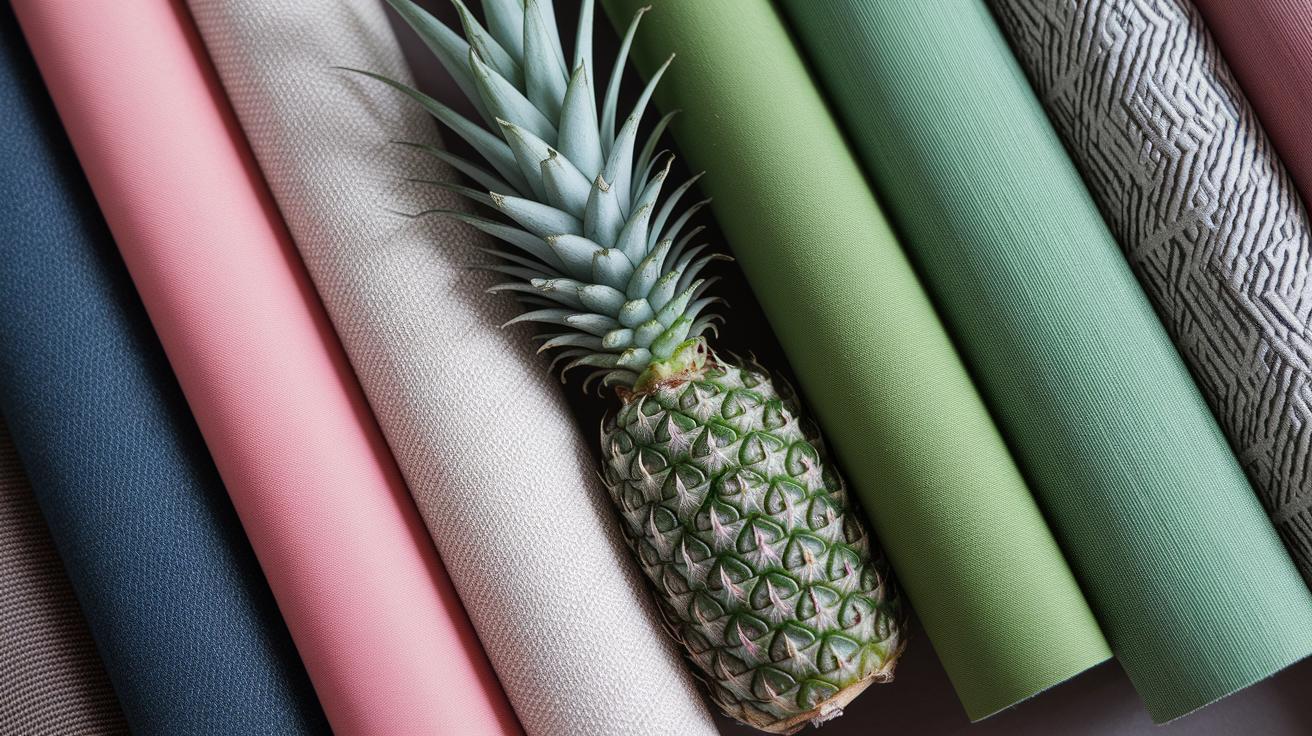
Traditional cotton and synthetic fabrics used to rule the runway, but now things are shifting. Designers are choosing organic cotton, recycled polyester, and hemp instead. These materials are easier on the earth, they use less water and fewer harsh chemicals. Have you ever noticed that a swap like this can feel as fresh as a cool breeze?
Now, think about some really cool new trends: fabrics made from pineapple leaves or even mushrooms. These innovative ideas are combining safe, non-toxic dyes and water-saving methods to create clothes that look good and do good. It’s like giving your favorite jacket a green makeover. Fashion and sustainability? They really can walk hand in hand.
Ethical Production Practices in Sustainable Fashion Trends
More than half of big brands are trying to meet science-based targets, but did you know that almost all (96%) of their emissions come from parts they don’t directly control, like outsourced work and purchased services? It’s a bit like trying to follow every thread in a huge dress, each designer is trying to solve that tricky puzzle. One brand even discovered that more than 90% of its carbon footprint was hidden, which pushed them to completely change how they operate.
Fair working practices really matter here. Factories now face more pressure to stick to rules like careful work hours and fair wages. Companies are taking extra care by recording every step, from picking the right fabric to the final stitch, to prove they meet strict ethical rules. Many sustainable fashion brands show off their clear, honest process, reminding us that when every worker is valued, every outfit tells a story of care and responsibility.
Rules and laws add even more pressure on companies. For example, the EU Circular Textiles Strategy says that by 2030, every item should be sustainable, repairable, and recyclable. This rule pushes brands to keep clear records of their materials and to make sure that ethical and planet-friendly processes are part of every collection.
Circular Economy Strategies within Sustainable Fashion Trends
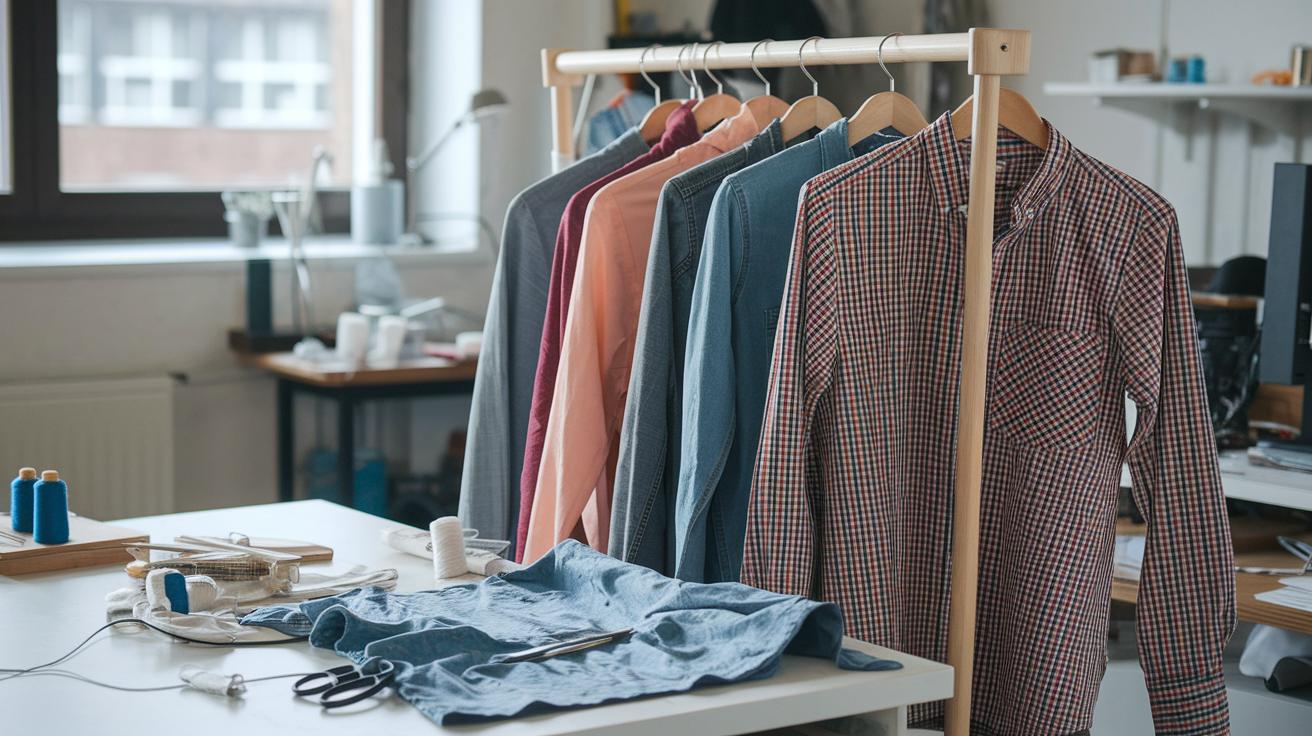
Circular economy in fashion is all about rethinking how we make and wear our clothes. Instead of the old "take, make, toss" routine, this fresh approach keeps our favorite pieces in the spotlight by recycling them over and over. It’s like giving each outfit a second chance to shine while using fewer new materials.
This strategy turns waste into treasure, saving resources and letting garments live longer. It’s a move towards less waste and more creativity, where every piece finds a new purpose.
- Resale: Buying and selling gently used items, so each piece gets to strut its stuff again.
- Repair: Fixing up clothes to extend their life instead of sending them away.
- Upcycling: Transforming old or unsold pieces into innovative, fresh looks.
- On-demand: Producing clothing only when it’s ordered to avoid overstock.
- Take-back: Brands collecting old pieces to recycle them into something new.
- Design-for-disassembly: Creating clothes that are easy to take apart for repairs or recycling.
Every time you pick one of these options, you’re not just updating your wardrobe, you’re taking a stand against waste and adding a creative, sustainable twist to fashion.
Technological Innovations Shaping Sustainable Fashion Trends
Tech breakthroughs are totally shaking up sustainable fashion. New methods are cutting waste and easing our impact on the planet. Innovations like bio-fabrication (making fabric from living cells), e-textiles, and AI-powered design are turning futuristic ideas into real everyday threads. It’s like watching a cool sci-fi movie become part of our closets, getting smarter and friendlier to the earth each day.
E-textiles
E-textiles mix tiny electronic parts right into fabrics. Imagine a workout top that quietly checks your heart rate or body temperature while you run, pretty neat, huh? Designers are now crafting pieces that look fabulous and work smart too. Picture a hoodie that adjusts its warmth depending on the weather. It’s smart fashion at its best.
Virtual fitting technology
Virtual fitting tech is changing the way we shop. With AR and AI tools, you can see how a piece will fit without even trying it on. It’s like having a personal stylist right on your screen, offering real-size insights and custom recommendations. This smart try-on session really cuts down on those pesky returns.
3D printing & AI design
3D printing teamed up with AI design is all about saving resources. Designers can now create just what’s needed, leaving behind waste. This clever combo helps reimagine how garments are made, ensuring every bit of material counts and that our planet stays a little greener.
Brands Leading Sustainable Fashion Trends
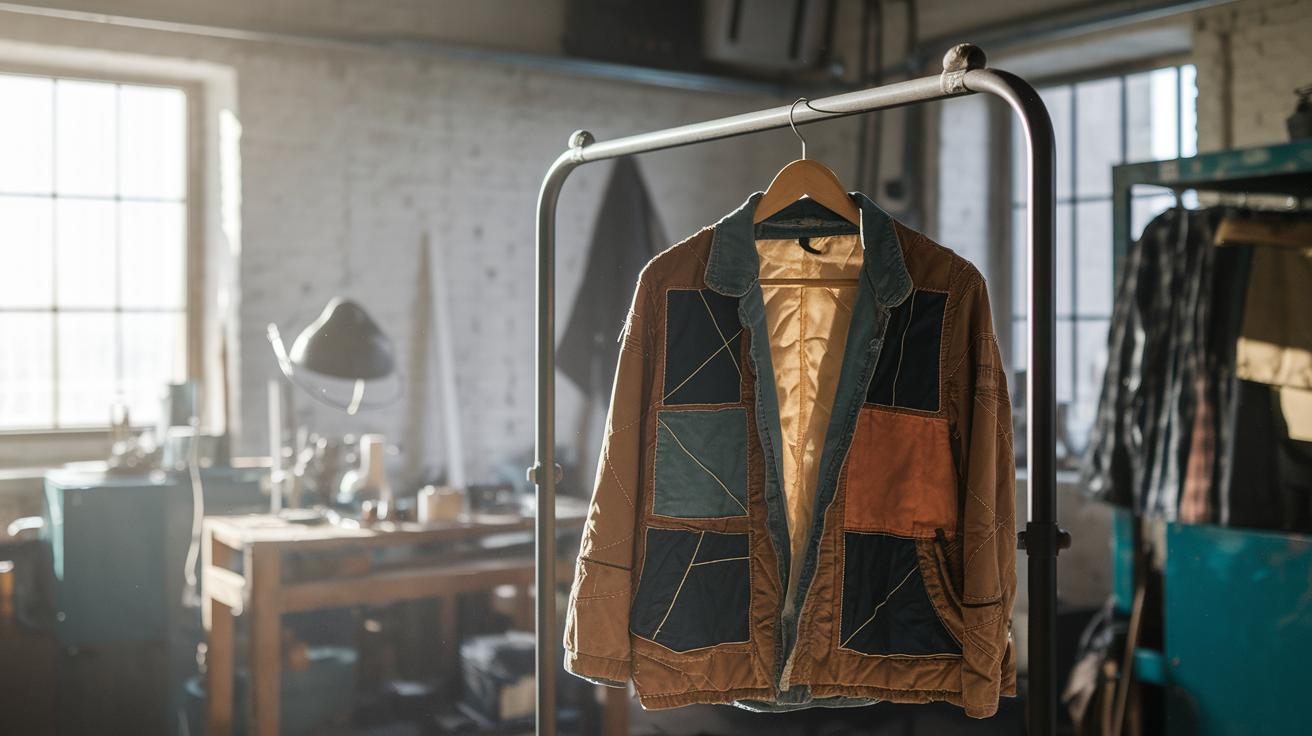
Some brands are proving that style can be responsible too. Patagonia, for example, has a repair-and-resale plan that gives clothes a second chance and cuts down on waste. Dr. Martens refreshes old classics with a refurbishment program that blends tradition and smart design. And then there’s Solid State Designs, which keeps everything transparent with a local supply chain in North Carolina and uses natural fabrics. These cool labels are pushing us all toward choices that help the planet and look good doing it.
Even with big promises, many brands still get about 96% of their emissions from what’s known as Scope 3 operations. You know, it makes us wonder if these eco-friendly changes are more than just a pretty display. People are asking for real, behind-the-scenes improvements rather than just polished ads. While some brands struggle to mix fast production with true sustainability, others are making noticeable strides in reducing their impact. This lively debate reminds us that bold ideas need real action to make a lasting difference.
Mindful Consumer Styling in Sustainable Fashion Trends
Consumers are a big part of making green fashion a reality. Every time you choose a piece that’s eco-friendly and made with care, you let brands know that well-made clothes matter. When you pick items built to last, you help push stores to offer more ethical and sustainable fashions. Even little changes, like swapping a short-lived item for one that really stands the test of time, can spark a positive shift in the whole industry.
Planning your wardrobe with the planet in mind means thinking carefully about every piece you add. Start with a capsule collection, a set of timeless items that work together effortlessly. Grab everyday basics, like a soft tee, a trusty pair of jeans, or that statement jacket that can change any outfit. And hey, why not check out second-hand shops or online vintage stores? They offer one-of-a-kind styles that are lighter on the planet. Plus, using fun digital style quizzes can help you pick options that match your earth-friendly taste. Every mindful choice you make builds a greener, more stylish wardrobe.
Final Words
in the action, we traced top trends shaping our sustainable future. We looked at the subtle shifts making a difference, from thoughtful production practices to exciting tech revolutions and creative circular models.
Each section showed clear steps toward smart style choices that inspire mindful wardrobes. Fashion enthusiasts can feel upbeat knowing sustainable fashion trends are driving real change, helping us step into a more conscious way of dressing while celebrating creativity.
FAQ
Q: What sustainable fashion trends are expected in 2025?
A: The sustainable fashion trend in 2025 focuses on circular practices, eco-friendly materials, and reduced emissions, responding to consumer demand for transparent and environmentally conscious apparel.
Q: What sustainable fashion trends were popular in 2022?
A: Sustainable fashion trends in 2022 centered on ethical production, renewable materials, and innovative recycling methods, laying the groundwork for today’s eco-focused industry shifts.
Q: How does sustainable fashion influence high-fashion magazines like Vogue?
A: Sustainable fashion trends featured in Vogue combine eco-conscious designs with modern style, highlighting collections that incorporate green materials and emphasize transparent, ethical production.
Q: What are the current trends in sustainable fashion?
A: The trends in sustainable fashion include on-demand production, slow fashion minimalism, circular reuse, eco-friendly dyes, vegan materials, sustainable tech innovations, and transparent ethical practices.
Q: What are the 3 R’s of sustainable fashion?
A: The 3 R’s of sustainable fashion refer to reduce, reuse, and recycle, which guide consumers and brands toward less wasteful production and extended garment lifecycles.
Q: What are some examples of sustainable fashion?
A: Examples of sustainable fashion include brands with repair-and-resale models, garments made from recycled and organic materials, and innovative use of eco-friendly dyes and alternative fabrics.
Q: Which brands are known for sustainable fashion?
A: Sustainable fashion brands emphasize ethical labor and eco-friendly materials, offering collections that meet growing demands for responsible production and clear environmental commitments.
Q: Why is sustainable fashion important?
A: Sustainable fashion is important because it lessens environmental harm, supports ethical labor practices, and promotes transparency in production, aligning with consumer values for responsibly made clothing.
Q: What sustainable fashion ideas can students try?
A: Students can adopt sustainable fashion by shopping second-hand, building a capsule wardrobe, repairing favorite pieces, and using digital style platforms to find trendy, eco-friendly options.
Q: Do Gen Z consumers favor sustainable fashion?
A: Gen Z consumers favor sustainable fashion by supporting brands with transparent practices, ethical labor policies, and innovative use of recycled materials that align with their social and environmental values.
Q: How do slow fashion and fast fashion compare in sustainability?
A: Slow fashion stresses quality, durability, and ethical production, while fast fashion relies on quick, high-volume production often leading to greater waste, driving many to choose more sustainable options.
Q: How does sustainable fashion impact sportswear, dresses, and t-shirts?
A: Sustainable practices in sportswear, dresses, and t-shirts focus on using eco-friendly fibers, ethical manufacturing processes, and designs meant to last, reducing overall environmental footprint.