
Ever thought your style could do more than just turn heads? Fast fashion can leave a mess behind with loads of pollution and waste that hurt our planet.
But now, some brands are stepping up. They are using eco-friendly fabrics (materials that care for the Earth) and fair ways of working to treat everyone right.
Sustainable fast fashion brings together cool designs with a promise to cut waste and protect workers. When you pick these pieces, you're making a statement for a cleaner, kinder world.
Core Principles of Sustainable Fast Fashion
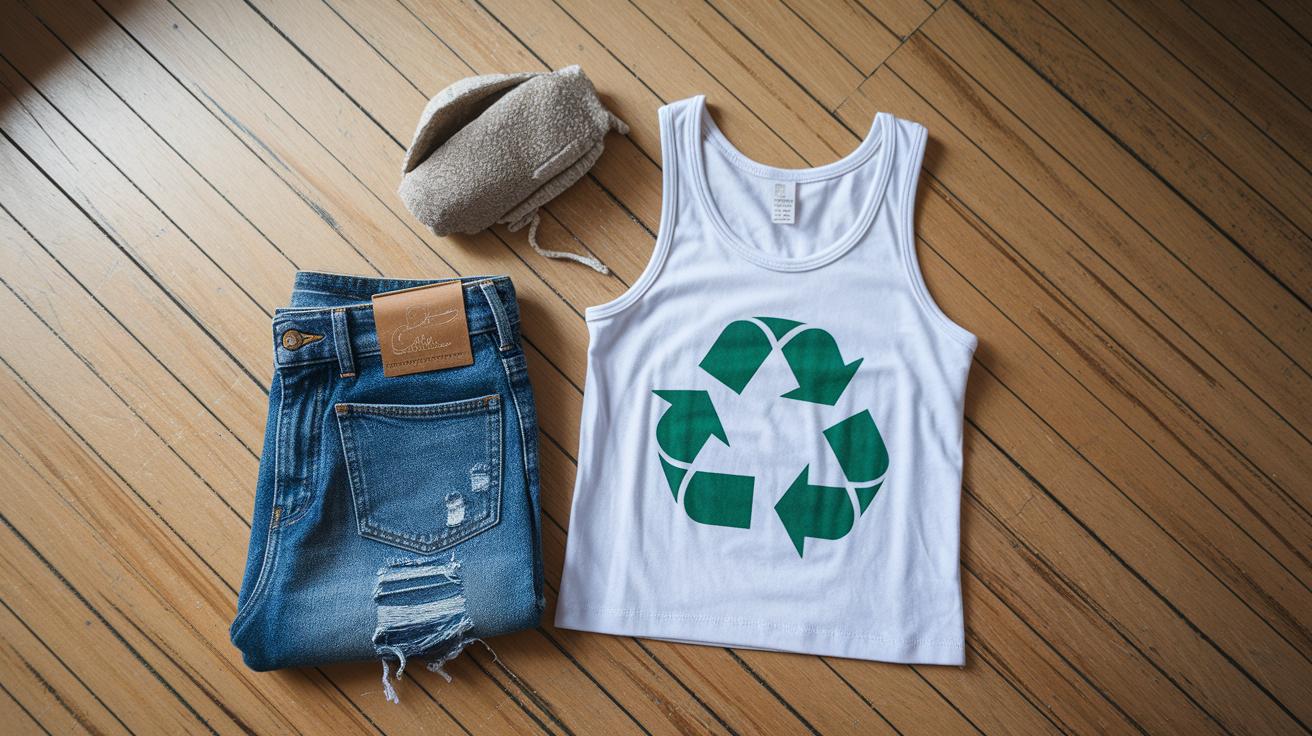
Sustainable fast fashion is all about creating clothes that look great while caring for our planet. Unlike the usual fast fashion that cranks out cheap items in a hurry, this approach picks smart materials and processes to cut down on pollution. If you’re curious, check out what is sustainable fashion. It’s about mixing cool, trendy designs with choices that help keep our earth safe.
Fast fashion is a big polluter, up to 10% of the world’s carbon emissions come from it. Crazy, right? That’s why switching to a sustainable model matters so much. It’s not just about lowering emissions; it’s also about cutting waste of resources and making sure workers are treated right. This new way of doing things is a commitment to better production and ethical practices.
- Eco-friendly materials
- Fair work conditions
- Circular recycling systems
- Honest, open processes
- Minimal waste
When brands stick to these principles, they show real care for our planet and its people. Customers love knowing the full story behind what they wear, and that trust makes all the difference. It’s a bit like that surprising fact about Marie Curie, imagine someone unknowingly carrying little test tubes with massive risks. Small choices can completely change the game over time.
Choosing sustainable fast fashion isn’t just a trend. It’s a promise to make the world a bit kinder, one stylish step at a time.
Eco-Friendly Materials and Green Production Methods in Fast Fashion
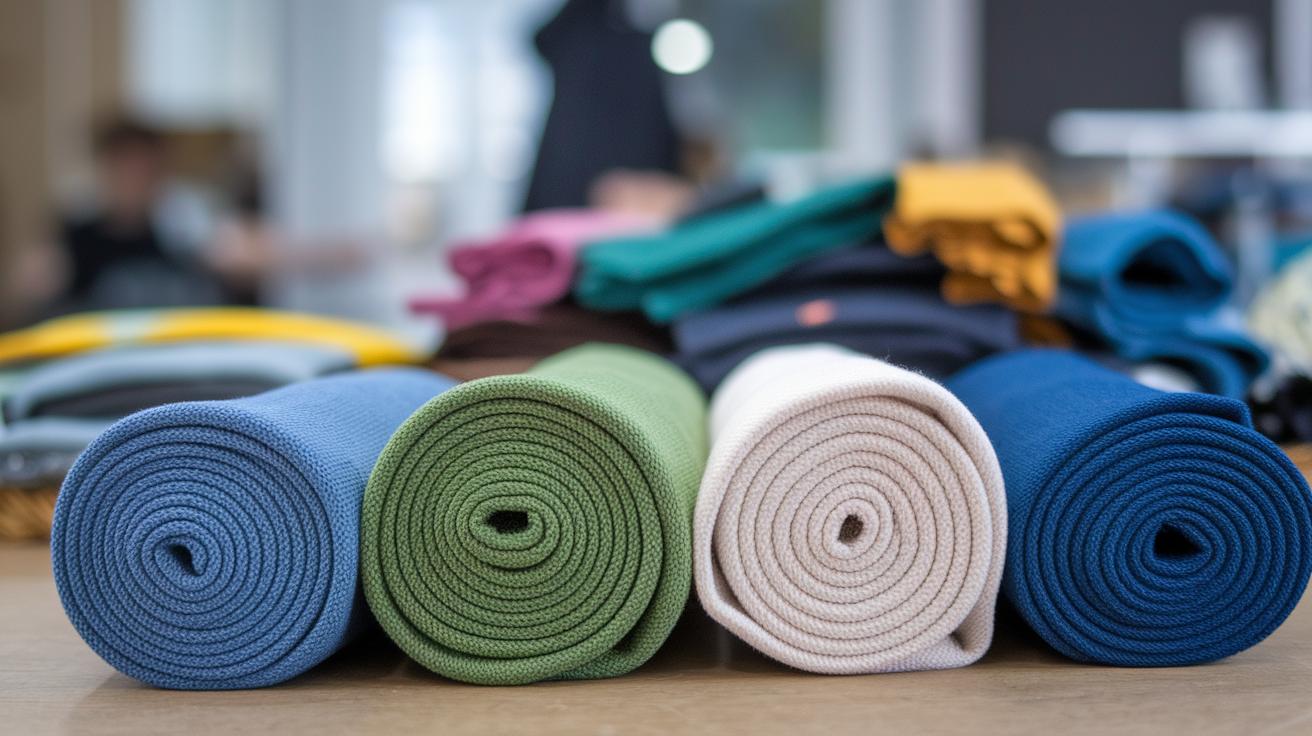
Fast fashion can be more kind to our planet if brands choose smart materials right from the start. Picking raw materials that need less energy and water is like selecting fresh, wholesome ingredients for a yummy meal. When designers lean into these eco-friendly options, it can really cut back on waste and curb harmful emissions.
Think about it, using fewer resources means a smaller carbon footprint and less water wasted during production. This not only helps the planet, but it also nudges shoppers to back practices that are cleaner and greener.
Take organic cotton, recycled polyester, and hemp, for example. Organic cotton is great because it saves water and skips harsh chemicals. Recycled polyester turns old plastic into stylish fabric, cutting down on the need to dig up new resources. And hemp? It’s incredibly strong and grows with very little water. Add in smart techniques like zero-waste manufacturing, water-saving methods, and energy-efficient machines, and you’ve got a recipe for a truly sustainable fast fashion future.
Ethical Supply Chains in Sustainable Fast Fashion

Consumers are really curious about where their clothes come from, they want to know the full story behind every piece they buy. More than ever, shoppers are asking, "Who makes my clothes?" and they love brands that keep things clear and honest.
Today, many companies are stepping up their game by doing thorough checks, setting strict rules for their suppliers, and using independent certifications to show they're serious about responsible sourcing. Some even use blockchain traceability, a high-tech way to track each step in production that makes everything easy to verify. Imagine a brand saying, "Our factory passes tough checks every few months to ensure fair and safe work conditions." It’s simple and builds trust.
Fair labor is a must in sustainable fast fashion. Brands now set living-wage rules and enforce strict limits on work hours to protect workers. These clear and careful practices not only safeguard workers but also boost a brand's reputation. With such transparent supply networks, ethical practices become an essential part of every production step, making customers feel confident and connected to the brand.
Circular Economy and Zero Waste in Sustainable Fast Fashion
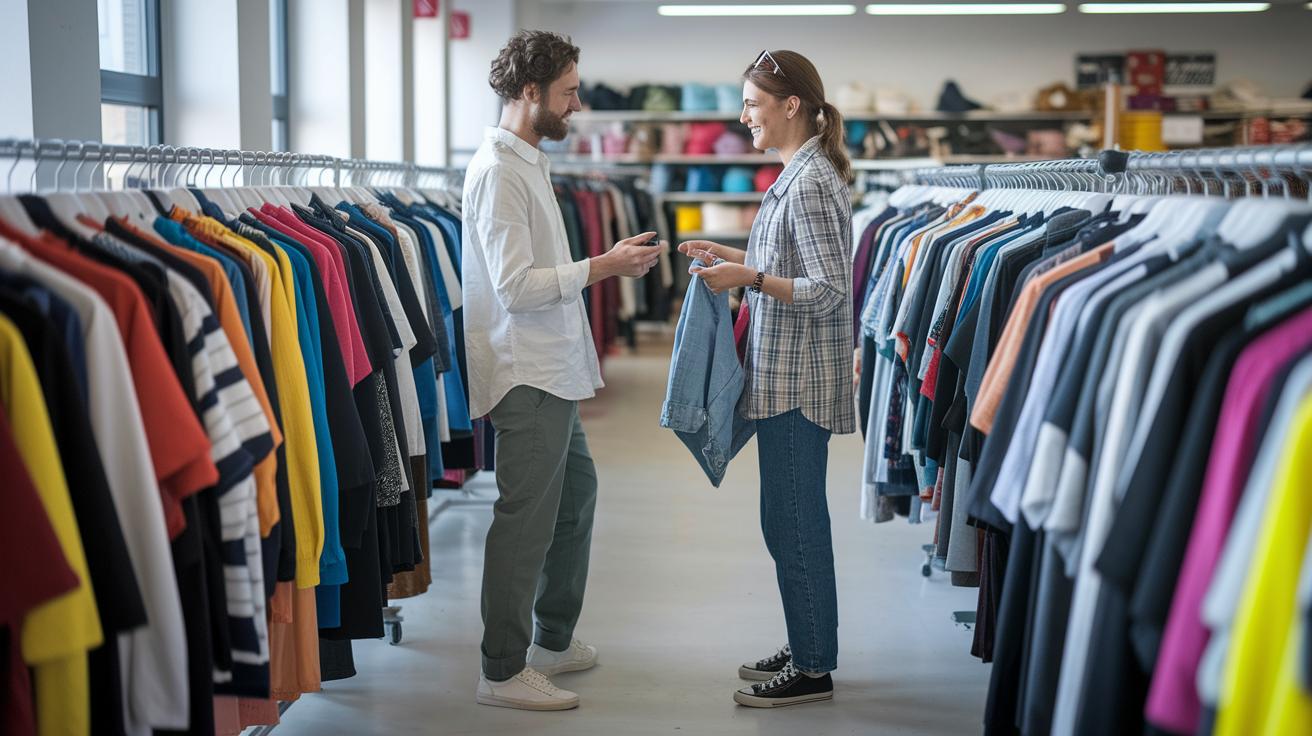
Circular economy in fast fashion is all about giving clothes a second chance instead of sending them to a landfill. It means renting, reselling, or repairing garments so they can be enjoyed longer. By reusing items and recycling old materials, brands cut down on waste and lower the need to constantly make new clothes. New ideas like fiber-to-fiber recycling (turning old fabric directly into new fabric) and upcycling (transforming used textiles into stylish new pieces) are making it easier to save what would otherwise be thrown away.
Reuse and Resell Programs
People are now swapping, renting, or buying secondhand clothes instead of always buying new ones. Think about it: you could rent a chic dress for a special event instead of purchasing it, and then easily swap it out for another piece later. These choices not only stretch the life of each garment but also make fashion more fun and accessible.
Recycling and Upcycling Initiatives
Fashion brands are turning to smart methods like fiber regeneration and upcycled collections. They design clothes so that when it’s time for a change, every piece can be simply broken down and remade into something fresh. You could say it’s like turning last season’s trends into new surprises that keep your wardrobe exciting.
| Initiative | Description |
|---|---|
| Rental services | Short-term leases help cut overproduction |
| Repair workshops | Expert mending extends the life of your favorite pieces |
| Textile recycling | Turns leftover textiles into brand new fibers |
Balancing Affordability and Sustainable Fast Fashion

Zara, H&M, and Shein show off different scales in the fast fashion world, each taking its own unique path when it comes to mixing style with eco-friendly choices. Wanna know more? Check out sustainable fashion clothing to see how these brands blend affordability and green practices.
| Brand | Scale | Key Sustainability Efforts |
|---|---|---|
| Zara | Over 2,000 stores and 12,000 designs a year | Focused on eco initiatives while handling big production |
| H&M | More than 4,000 stores and 100,000 employees | Striving for cleaner practices since 2013 |
| Shein | Rolls out 6,000 new items every day | Admits its environmental impact while growing fast |
Price matters a lot, too. Shoppers often pit lower prices from mass-produced items against the environmental costs. Many folks balance the perks of eco-friendly practices with the need to stick to a budget. When brands nail that combo of affordability and sustainability, trust builds, and everyone wins, quality, ethics, and smart pricing all in one stylish package.
Consumer Tips for Embracing Sustainable Fast Fashion
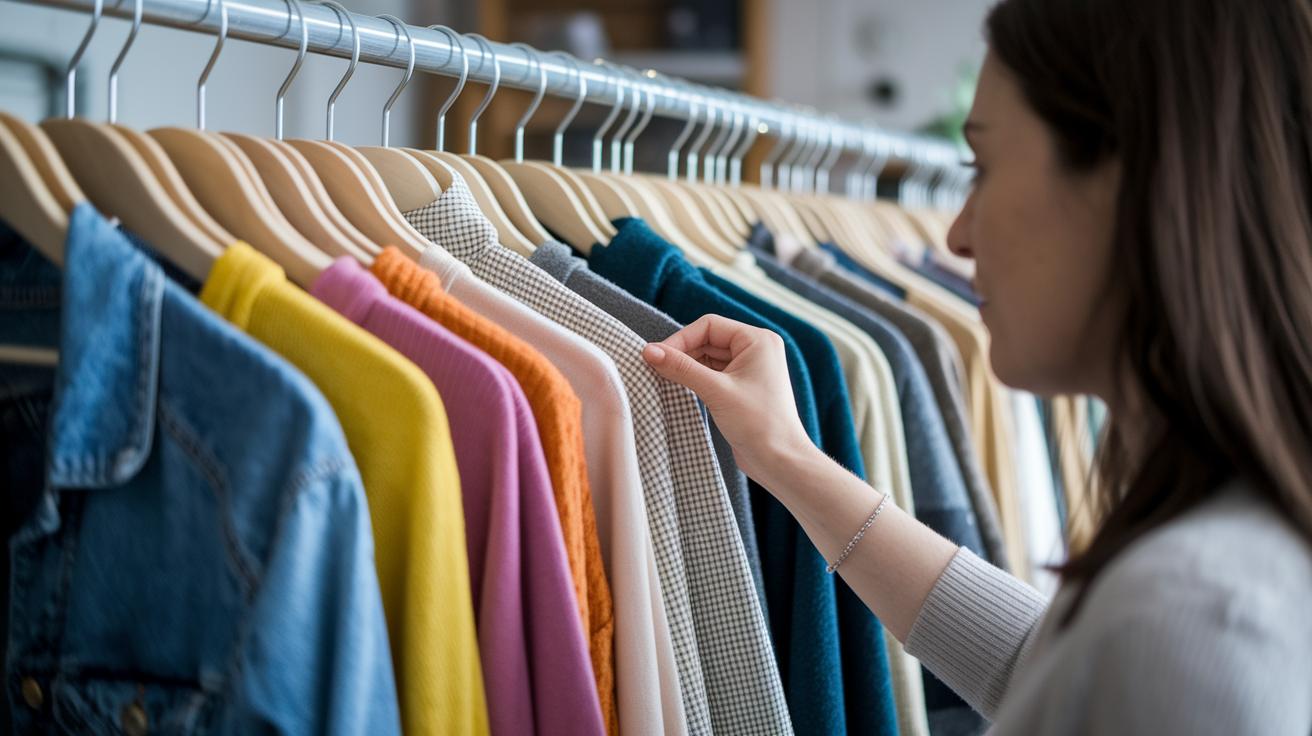
Every purchase you make can help shape a greener fast-fashion world. When you choose that chic outfit, you're sending a clear message to brands to adopt eco-friendly practices, like using renewable energy for deliveries and smart virtual try-ons to reduce waste. And when more shoppers make these choices, retailers start to shift their production to meet this demand.
Here are a few easy tips to get started:
- Look for eco-labels, they’re a quick guide to finding sustainable items.
- For special events, consider renting or borrowing clothes instead of buying new.
- Refresh your favorite pieces by upcycling them with creative twists.
- Invest in quality basics that are made to last, so you don’t need to replace them often.
- Always return or recycle items responsibly to keep extra packaging out of the waste stream.
Using these simple habits not only benefits the environment, but it also sparks positive change among your friends and family. Imagine a community where everyone pays a little extra attention to eco-friendly details, each small decision builds a cleaner, more thoughtful fast-fashion scene. Every little step adds up, turning everyday shopping into a powerful movement for change.
Future Outlook: Innovations Driving Sustainable Fast Fashion

Right now, brands, NGOs, and government teams are coming together to give fast fashion a green makeover. They’re sharing ideas and setting new rules that help bring cool, eco-friendly changes to how clothes are made. It’s like a fresh breeze in the world of fashion, sparking smart choices that care for the environment.
Next, here are some exciting trends lighting up the scene:
| Innovation |
|---|
| AI-driven sizing |
| Blockchain traceability |
| Biofabricated textiles |
| Clothing-as-a-service models |
There are still a few bumps, like high start-up costs, tricky supply chains, and not enough industry know-how yet. Ever notice how even the best ideas face some challenges? But with more experts teaming up, each obstacle becomes a stepping stone toward a cleaner, smarter future.
In truth, leaning into these fresh ideas means fast fashion can be both trendy and kind to the planet. It’s all about balancing the buzz of new trends with care for our world, a win for style and sustainability.
Final Words
In the action of exploring sustainable fast fashion, we broke down core principles, from eco-friendly choices and ethical supply chains to zero waste methods.
We saw how picking green materials and using conscious production processes can shape better, more affordable trends.
Thoughtful consumer tips and emerging innovations highlight a future filled with smart, stylish decisions.
Overall, blending style with care creates a win for everyone, making sustainable fast fashion not just smart but inspiring for those eager to raise their look.
FAQ
What is sustainable fast fashion?
Sustainable fast fashion means blending quick style trends with eco-friendly materials and fair worker practices. It upgrades the traditional fast fashion model to lower environmental harm and support better labor conditions.
Why is fast fashion considered bad or unsustainable?
Fast fashion is problematic because it creates high levels of waste, carbon emissions, and poor working conditions. These factors contribute to long-term environmental pressures and social issues.
What are some examples of sustainable fast fashion and eco-friendly brands?
Some brands embrace sustainable fast fashion by using recycled fabrics and circular design methods. These eco-friendly labels balance trendy releases with reduced waste and ethical sourcing.
What is the environmental impact of fast fashion?
Fast fashion strains the environment through high water usage, significant waste, and about 10 percent of global carbon emissions. Its production methods heavily burden natural resources.
What are the social impacts of fast fashion?
Fast fashion often leads to challenging working conditions, including long hours and low wages. These practices can harm local communities and compromise worker safety and well-being.
Is Zara fast fashion ethical or sustainable?
Zara mixes speed with some sustainable initiatives, yet its vast production scale raises concerns about overall ethics and environmental responsibility compared to brands committed solely to green practices.
Is lululemon considered fast fashion?
Lululemon focuses on athletic wear and durability, setting it apart from typical fast fashion brands that churn out rapidly changing trends. Its approach emphasizes lasting quality over fleeting style.
What are sustainable fashion practices?
Sustainable fashion practices include using renewable materials, reducing waste, ensuring fair labor, and embracing closed-loop production systems. These steps make clothing production kinder to both people and the planet.
What do Gen Z fast fashion statistics indicate?
Gen Z tends to support brands that are transparent and socially responsible. They favor companies that adopt greener practices and value ethical treatment throughout production.
How does fast fashion contribute to overconsumption?
Fast fashion ups overconsumption by offering inexpensive, constantly changing designs. This prompts frequent buying and disposal, which together lead to significant garment waste.
What are fast fashion working conditions like?
Fast fashion working conditions can be tough, with extended work hours and low pay. These pressures often compromise employee well-being in factories trying to meet rapid production demands.