
Ever wonder if a small splash of color could totally change your look? Trend experts mix market numbers, cultural hints, and a designer’s gut feeling to predict what’s next in fashion. It’s like having a magic mirror for style that helps brands update their collections just in time.
In this little chat, we’ll look at how tiny tweaks today can signal bold, future-ready outfits tomorrow. So, what single detail might spark your next style obsession?
How Trend Forecasting Shapes Future Fashion Styles
Fashion trend forecasting is like mixing clues from culture, market stats, and a designer’s gut feeling to guess what will be cool next. It helps designers and shops get ready for changes in what people like, plan new collections, and decide on the season’s looks. Think of it as a crystal ball for clothes, combining today’s vibes with smart predictions. Ever noticed how a tiny change in fabric color can make a whole outfit feel new?
Micro trends are quick, little bursts of style that pop up for a short time. They show up as soft pastel colors on breezy linens or bright neon touches on sharp jackets during fashion weeks and on our streets. In contrast, macro trends are the big, lasting shifts seen over several seasons. They often focus on ideas like sustainability or cool tech touches in clothing. In a way, micro trends bring immediate flair while macro trends build the future of fashion.
Design studios and stores use these forecasts to guide their choices. Trend insights help them mix classic shapes with fresh details, creating collections that feel just right for today’s tastes. Buyers tap into these ideas to adjust stock and plan promotions, making sure production lines up with what people want. Imagine a team launching a small collection that blends quick, changing micro trends with steady, long-lasting macro ideas. This mix keeps their styles fun and competitive in a fast-moving market.
Seasonal Forecasting in Trend Forecast Fashion: Spring/Summer and Fall Trends
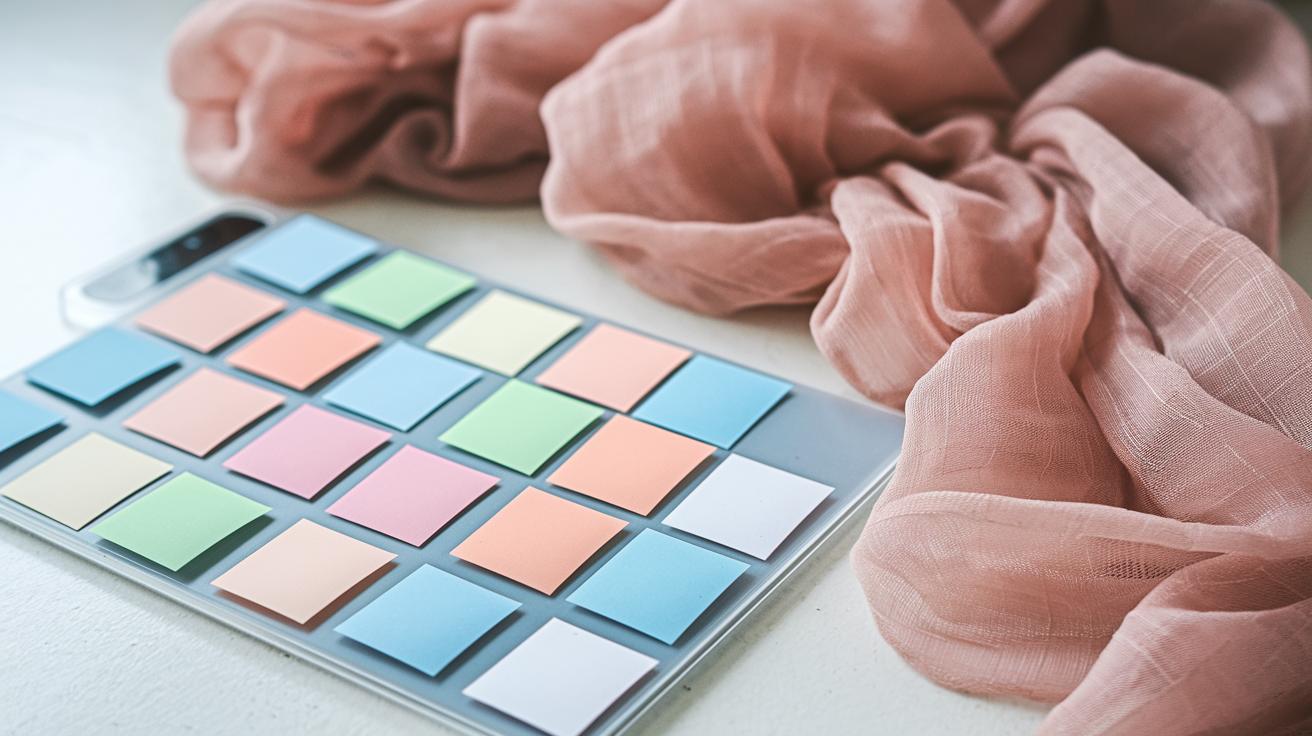
Fashion experts start early by spotting fresh colors, textures, and shapes that will win over style fans in the upcoming seasons. Designers and stores rely on color and fabric predictions made 18 to 24 months ahead, so they can plan their collections well before trends hit the shops. They study cultural changes, emotional vibes, and even the environment to mix a palette that sets the stage for both breezy spring/summers and the deeper moods of fall.
- Spring/Summer 2025 – Think light pastel peach colors, delicate sheer linens, and flowing maxi silhouettes.
- Spring/Summer 2025 – Imagine neon coral accents paired with lightweight denim and cropped jackets.
- Spring/Summer 2025 – Picture botanical prints, hand-woven textures, and chic slip skirts.
- Fall 2025 – Envision jewel-tone velvets, tailored blazers, and stylish knee-high boots.
- Fall 2025 – Consider cozy shearling collars, classic tartan checks, and boxy outerwear.
- Fall 2025 – Visualize metallic leather, layered knits, and midi pencil skirts.
Runway shows and seasonal guides, like the 2024 style agendas from top forecasting sources, really back up these trend picks. For example, Vogue’s seasonal plans spotlight fresh color combos and innovative fabrics that are set to take over the retail scene. These curated selections don’t just catch your eye, they mirror the emotional and cultural vibes of our time. Designers use these insights to build collections that weave speedy, micro trends into a larger seasonal look. With this forward-thinking approach, they match production with demand and keep every piece tied to today’s style and tomorrow’s promise. In practice, these forecasts help brands set their creative direction and stock levels, ensuring collections feel both immediately fresh and stylish throughout the season.
Data Sources Driving Fashion Trend Forecast Fashion
Fashion experts use many sources to see the full picture of what shoppers want and what styles are shifting. They gather data from runway shows, sales numbers, social media buzz, and shopper habits. One cool example: a rising designer once used live sales data to tweak her collection during a show. It really shows how mixing lots of different data can work wonders.
Runway shows give us a first look at bold, new ideas before they appear in stores. Sales figures confirm which designs truly connect with buyers, and shopper analytics reveal what people are really buying. For instance, if a runway report highlights more sustainable fabrics, and sales of eco-friendly clothing jump at the same time, you know that creative flair is backed by solid market trends.
Social media also plays a big role. Platforms like Instagram and TikTok quickly spotlight styles that catch users’ eyes. Influencers and everyday posts can turn a local trend into a viral moment almost overnight. Imagine scrolling and spotting a unique fabric twist that suddenly has everyone talking, it's a clear sign that digital chatter is reshaping fashion.
By combining all these data sources, designers and retailers can stay nimble. They blend creative runway inspiration with real-world market proof, making sure their trend forecasts are as practical as they are stylish.
The Role of AI and Predictive Analytics in Trend Forecast Fashion

AI has become a trusted friend in predicting what’s next in fashion. Designers and brands now use smart digital tools to dig through loads of online chatter and style clues. It’s like having a cool sidekick that quickly reads the room, helping make decisions faster than ever.
Here are some neat things AI does:
| Tool | What it Does |
|---|---|
| Sentiment Analysis | Checks social posts to see how people really feel about styles |
| Color Palette ID | Finds the latest shades that everyone’s loving |
| Fabric Simulation | Figures out how fabrics drape and hold up over time |
| Demand Planning | Helps predict just how much stock is needed |
| Custom Trend Feeds | Gives shoppers trends that match their style just right |
New AI ideas are turning heads in both design studios and stores. Designers get to experiment in virtual showrooms where they can create digital prototypes without any waste. And shoppers? They can try on looks with augmented reality, making online shopping feel more like a fun, personal experience.
Machine learning dives into past sales, runway highlights, and the latest social media trends to spot what will soon be in style. This clever mix of data not only streamlines how stores plan their inventory, but it also lets designers tweak and perfect their ideas on the fly. The creative process feels fast, fun, and full of energy.
Retailers are rethinking stock levels and in-store displays by tapping into personalized trend feeds. With AI and human creativity teaming up, everyday wardrobes are now getting a taste of those high-fashion runway looks. It’s a smart, fresh way to see fashion jump from sketch to street, promising even more cool tools to come.
Top Platforms and Agencies in Fashion Trend Forecast Fashion
Leading trend forecasters like WGSN, Fashion Snoops, and Trendstop are making waves in style prediction. They offer cool subscription reports, vibrant color libraries, and easy-to-read dashboards that give you a hands-on feel for what’s coming next. Many of these services use flexible pricing models that work whether you’re just starting out or already a big player. Imagine having a report that gives you instant insights into color trends, fabric choices, and seasonal highlights, it’s a game-changer for staying ahead in a fast-paced market.
Brands pick these forecasting tools based on their unique needs, size, and budget. Smaller labels might lean towards a streamlined service with the essential details, while luxury houses and major fast-fashion brands often choose dashboards packed with deep forecasts, trend cycles, and insightful market data. Some trend experts even offer customizable reports tailored to your brand’s style or target market. And as fashion continues to evolve, many creative teams even add their own in-house forecasting to complement these services. Ultimately, the right forecasting service strikes the perfect balance between rich industry insights and pricing that fits your brand’s vision and operations.
How Designers and Retailers Use Trend Forecast Fashion to Plan Collections

In design studios, trend forecasts work like a treasure map for fresh ideas. Designers mix classic shapes with a modern twist, imagine smooth fabrics paired with surprising textures. I even heard of a designer who blended vintage cuts with bold digital prints to really click with today's style.
Retail buyers use these trend clues to plan their seasonal collections. They adjust order amounts, set prices, and tune up online ads using both small- and big-picture trends. For example, one buyer might drop a limited-edition accessory based on a small trend while using broader data to plan store-wide displays.
| Trend Type | Application |
|---|---|
| Micro Trend | Limited-edition items and targeted digital ads |
| Macro Trend | Inventory planning and broad in-store displays |
Both in-store displays and online content now echo these trend cues, creating a smooth and natural flow from design to the final look. This approach ties together collection planning, stock tweaks, and marketing into one cool and seamless story.
Final Words
In the action, fashion trend forecasting gives us real insight. We explored how quick seasonal trends pair with broader predictions and examined data, AI, and designer intuition coming together. Each part, from runway looks to consumer buzz, paints a clear picture of smart choices that shape style. Trend forecast fashion empowers both brands and you to stay ahead. Embrace these ideas and let your personal style continue to shine.
FAQ
What does trend forecast fashion for 2025 reveal?
Trend forecast fashion for 2025 reveals emerging styles, colors, and materials backed by WGSN reports and market insights. It shows a blend of classic shapes with modern twists and sustainable elements.
What key insights does the 2026 fashion forecast provide?
The 2026 fashion forecast highlights advances in tech fabrics and a focus on sustainability. Reports, including WGSN PDFs, indicate evolving consumer tastes and innovations that reshape style concepts.
What is trend forecasting fashion?
Trend forecasting fashion is the process of analyzing cultural signals, market data, and runway insights to predict upcoming styles. It guides designers and retailers in planning collections that meet future consumer demand.
What is the 3-3-3 rule for outfits?
The 3-3-3 rule for outfits balances your look by suggesting you choose one statement piece, three complementary accessories, and a foundation of three neutral basics for a cohesive ensemble.
What does the 20 year rule in fashion mean?
The 20 year rule in fashion means that trends from two decades ago often make a comeback, inspiring modern looks and reminding us that style is cyclical.