
Have you ever wondered if your clothes could do more than just look cool? Eco fashion is all about wearing outfits that care for our planet. It means choosing green materials and fair work practices that help keep our Earth happy.
This trend uses clever design to reduce waste and pollution while giving you a modern, fresh look. It's a smart way to update your wardrobe and make a positive change. Ready to see how style can be both chic and caring?
Defining Eco Fashion: Scope and Core Principles
Eco fashion is all about creating clothes that treat the Earth, its makers, and you with care. Also known as ethical fashion, it mixes cool style with smart choices by using green materials and fair work practices. Think of that soft sweater made without harsh chemicals and built by workers who earn a fair wage. It’s style with a heart.
This fresh approach takes a hard look at how clothes are usually made. By rethinking every step, eco fashion combines modern looks with a promise to protect our planet. It inspires us to build a wardrobe that feels good and does good at the same time. Ever thought about how your outfit can help the world?
- Sustainable materials
- Ethical production
- Circular design
- Transparency
By sticking to these ideas, brands lower waste and cut harmful emissions while keeping production clean and clear. Using green materials helps lessen the strain on our planet, and ethical practices mean fair treatment for workers. Circular design pushes for reusing and recycling clothes, reducing what ends up in landfills. And when companies are open about their process, we feel confident in our choices. In short, eco fashion is paving the way for a stylish future that benefits everyone.
Eco Fashion Materials: Organic, Recycled, and Innovative Textiles
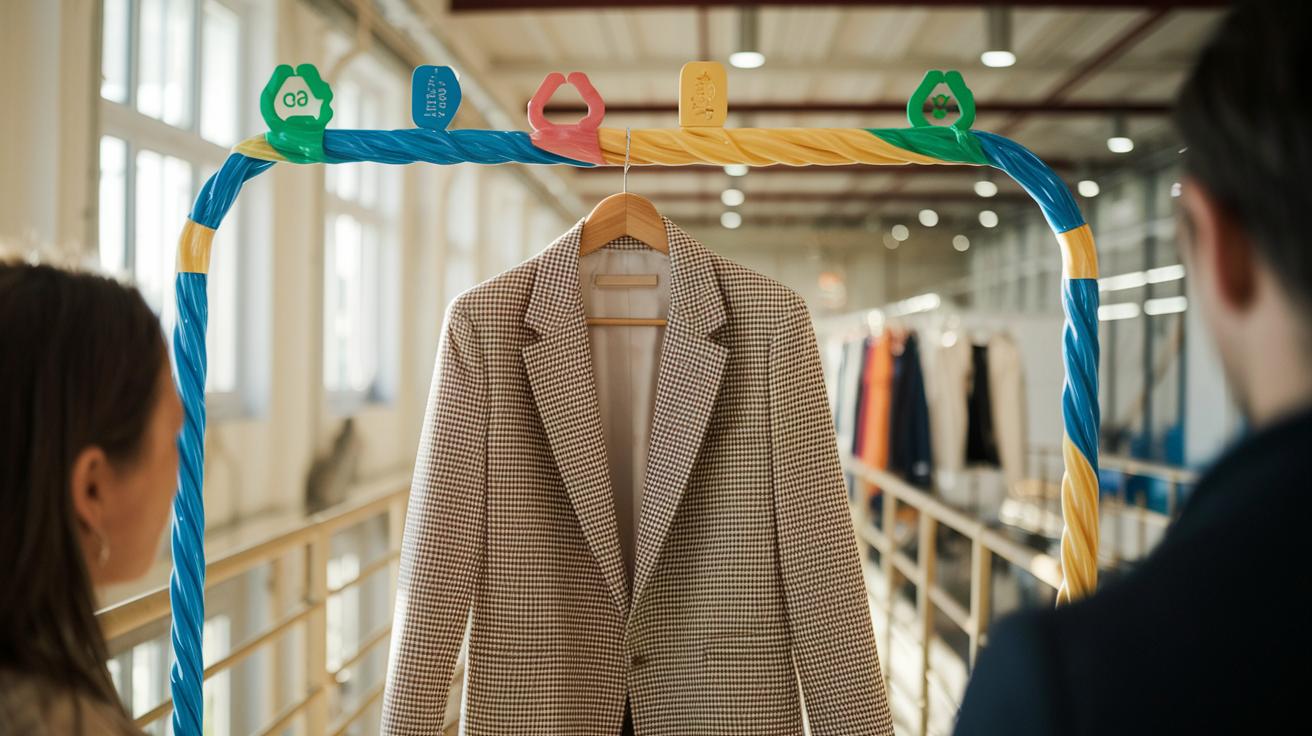
Every fabric choice we make leaves a mark on our planet. Using sustainable fibers is a win-win: they cut down on waste and nasty emissions while keeping you stylish. When we swap out regular textiles for eco-friendly ones, we’re choosing materials that need fewer chemicals and less energy. Just imagine a jacket made from recycled plastic, it looks sharp and helps shrink landfill clutter. Cool, right?
Organic Natural Fibers
Organic natural fibers like pesticide-free cotton and tree-fed organic silk add a touch of purity to your outfits. Pesticide-free cotton skips the harmful chemicals you’d normally find in regular cotton, offering a fabric that feels light and fresh. Organic silk, made without synthetic additives, drapes beautifully and caresses your skin. Picture a tee that’s as refreshing as a gentle summer breeze, a little everyday luxury that champions cleaner production.
Recycled and Bio-Based Textiles
Recycled and bio-based textiles are turning old waste into wearable art. Repurposed garments and recycled plastics transform what was tossed aside into bold, new style statements. Bamboo, for example, can suck up about 400% more greenhouse gases than other plants, making it a natural hero in eco-friendly collections. Every piece of bamboo fabric tells a story of promise for a cooler, cleaner future.
| Material | Source | Environmental Benefit |
|---|---|---|
| Pesticide-free cotton | Organic farms | Less chemical use |
| Organic silk | Tree-fed silkworms | Fewer synthetic additives |
| Recycled plastic | Post-consumer waste | Reduces landfill waste |
| Bamboo | Fast-growing plant | Absorbs extra greenhouse gases |
Choosing sustainable materials isn’t just a trend, it’s a step towards a greener, kinder world. Next time you pick an outfit, let your choices speak for the planet.
What is eco fashion for a greener style
Eco fashion is all about making clothes in a way that cares for both people and our planet. It means treating workers well and respecting local communities every step of the way. Every piece of clothing is made with thought and care so that it not only looks stylish but also feels good knowing it was produced fairly.
- Living wages
- Safe work environment
- No child labor
- Environmental compliance
- Supply chain traceability
When brands back up how they make their clothes with trusted certifications, it builds real confidence. These certifications work like a promise, you know the clothing is made with care for workers and the environment. So, every time you choose eco fashion, you’re not just picking a cool look; you’re supporting a kinder, more honest way to dress.
Environmental and Social Benefits of Eco Fashion

Did you know recycled fabrics can cut landfill waste by nearly half? A cool study showed a Scandinavian brand turning old, unwanted fabrics into stylish, high-quality pieces while reducing harmful emissions. Imagine a jacket made from reprocessed polyester that not only grabs attention but also marks a bold step in sustainable production.
In Brooklyn, innovative labs are mixing fair-trade practices with local maker collaborations to do more than just treat workers well, they’re sparking creativity. Think about a small label teaming up with nearby textile artisans to create standout items. Each garment becomes a true nod to community strength and fair, ethical work.
- Reduced landfill waste
- A lower carbon footprint
- Boosts for local artisans
Curious to see more uplifting initiatives? Learn more on Eco Friendly Fashion.
Comparing Eco Fashion to Conventional Fast Fashion Practices
Fast fashion pushes out trendy, disposable clothes super quickly, relying on non-renewable resources that really take a toll on our planet. It often uses not-so-friendly materials and speeds through production, which ends up creating more waste. On the flip side, eco fashion takes a slower, more thoughtful route by using organic and recycled materials. This approach proves that looking stylish can also mean caring for the Earth.
| Aspect | Eco Fashion | Conventional Fashion |
|---|---|---|
| Material Choice | Organic, recycled, biodegradable | Non-renewable, synthetic |
| Production Speed | Slow, thoughtful creation | Fast, disposable manufacturing |
| Waste Generation | Minimized with careful planning | Generates lots of waste |
| Lifecycle Management | Built to last and even be repaired | Made for short-term trends |
When you compare the two, eco fashion stands out by focusing on lasting style and quality. It uses friendly materials, takes its time with design, and plans for a longer life for each garment. This mindful way of dressing not only cuts back on waste but also gives a cool break from the usual fast fashion hustle. In truth, choosing eco fashion is a fun way to make a statement for a greener, cleaner world.
Building a Mindful Eco-Friendly Wardrobe: Practical Tips

Have you ever wondered if your closet can show off your style and care for the planet at the same time? It’s not about a complete redo overnight; it's little steps that add up. Picture every new piece as a small salute to a cleaner and kinder world, a look that feels as good as it appears.
Here are some easy ways to kick things off:
- Shop sustainable brands.
- Swap wardrobes with a friend.
- Repair items that need a little mend.
- Give old clothes a fresh twist.
- Check certification labels.
When you pick sustainable brands, you're backing companies that make clothes with greener, kinder methods. Swapping wardrobes means you get cool new pieces without adding extra production. Fixing and repurposing older items saves materials and cuts down waste, and those certification tags help you spot true eco-friendly choices.
Step by step, these simple habits blend naturally into your routine. Each mindful choice builds a wardrobe that not only looks amazing but also tells a story about your care for our planet.
Final Words
In the action, we explored eco fashion through its defining principles, sustainable materials, and ethical production practices. The article highlighted everything from organic textiles to fair work conditions while comparing fast fashion with mindful wardrobe trends. Short, concise tips reminded us how small changes can boost our style and the planet. Embracing smart fashion decisions feels not only refreshing but also rewarding. Through these insights, you now have a clear view on what is eco fashion and how it can uplift your personal style.
FAQ
What is eco fashion and what does eco style mean?
The eco fashion meaning refers to clothing designed with sustainability in mind by using green materials and fair production practices to lessen environmental harm and support safe, ethical work conditions.
What are some eco fashion examples?
Eco fashion examples include garments made from organic cotton, recycled fabrics, and biodegradable materials that offer stylish choices while reducing waste and lowering your environmental footprint.
What is eco fashion design or eco design in fashion?
Eco fashion design means creating clothing with an emphasis on green materials and ethical production, turning creative ideas into pieces that prioritize nature-friendly practices and reduce harmful impacts.
Why is eco fashion so important?
Eco fashion is important because it cuts down on waste and pollution while promoting fair labor practices, so you get stylish items that protect the planet and support community well-being.
What are eco-friendly clothing materials?
Eco-friendly clothing materials include organic fibers and repurposed textiles that lower environmental damage by reducing chemical use and waste, offering a cleaner option compared to conventional fabrics.
What makes a brand or designer eco friendly?
An eco-friendly brand or designer commits to sustainable sourcing and ethical manufacturing, ensuring every product is made with care for the environment and respect for workers’ rights.
What is an eco fashion show?
An eco fashion show presents collections crafted from sustainable resources and innovative designs, highlighting creative, environmentally responsible garments on the runway for a greener future.